Hot!
We’ll continue our strike even if our salaries are cut – CETAG

- /home/u249204778/domains/spectator.com.gh/public_html/wp-content/plugins/mvp-social-buttons/mvp-social-buttons.php on line 27
https://spectator.com.gh/wp-content/uploads/2023/08/IMG-20230815-WA0006.jpg&description=We’ll continue our strike even if our salaries are cut – CETAG', 'pinterestShare', 'width=750,height=350'); return false;" title="Pin This Post">
- Share
- Tweet /home/u249204778/domains/spectator.com.gh/public_html/wp-content/plugins/mvp-social-buttons/mvp-social-buttons.php on line 72
https://spectator.com.gh/wp-content/uploads/2023/08/IMG-20230815-WA0006.jpg&description=We’ll continue our strike even if our salaries are cut – CETAG', 'pinterestShare', 'width=750,height=350'); return false;" title="Pin This Post">
The Colleges of Education Teachers Association of Ghana (CETAG) has said that its members will not lay down their tools even if their strike results in salary cuts.
The President of CETAG, Prince Obeng Himah, said that they won’t be surprised if the government attempted to cut off their salaries during the strike period.
CETAG members from all 46 training colleges have been on strike since August 1, citing the government’s failure to adhere to the National Labour Commission (NLC)’s Arbitral Award Orders and the negotiated conditions of service since May 2, 2023.
Despite repeated notices sent to the Ministry of Finance, the agreed-upon negotiations have not yet been implemented, leading to the continued impasse.
Asked on Eyewitness News, if CETAG would be surprised if the government decides not to pay the period they have been on strike, Mr Himah said, “No we won’t be surprised at all. We have heard whispers from certain corridors that punitive actions were going to be taken if we dared go on strike. These were some of the things that were whispered, that salaries will be frozen, those of us leading the strike will be imprisoned, and we are fully aware of what is ahead as union members. How do you say we won’t be paid if we don’t sign attendance when it has not been part of our scheme of things”.
He called for an open conversation between CETAG and the NLC about their salary arrears.
“We are not happy with the turn of events. We need to fight to right the wrongs, if we do not fight, we will not even live to benefit what we are fighting for. The whole documentation should result in payments, at the end of the day, the economy is hard, and people continue to be on expired 2021 conditions of service. Those are the things we should pay attention to.”
“We are talking about arrears from January 2023 to date, now what is the road map, are we going to be paid the arrears? We should open frank conversation on the way forward so that all of us will be informed on how we are going about it”.
The Executive Secretary of the NLC, Ofosu Asamoah, called on the government to punish CETAG for embarking on an illegal strike.
“The Commission has told you, don’t go, and you went, and it says stop what you are doing, and you say you won’t. Defying the orders of the Commission is an unlawful act. The Commission will have to resort to the court to compel them to go back to the classrooms if they still proceed on the strike. And their employers will also have the right to punish them for proceeding with this illegal strike. Two wrongs do not make a right,” he opined.
Credit: Citinewsroom.com


The University of Ghana Medical Centre (UGMC) has disputed claims made on social media by comedian Michael Blackson concerning the treatment given to his late mother, saying a review found that the allegations did not accurately reflect what happened during her stay at the hospital.
In a statement issued in Accra on August 5, 2026, the management of UGMC expressed condolences to Mr. Blackson and his family over the death of his 83-year-old mother, who died at the facility on July 16, 2026.
The hospital said it had taken the concerns raised by Mr. Blackson seriously and conducted a thorough review in line with its clinical and administrative procedures.
According to the statement, the facts presented by Mr. Blackson on social media contained “numerous inaccuracies” and did not accurately reflect the medical care provided to his mother.
UGMC explained that she was referred to the facility from another hospital and received treatment there from May 27 to July 16, 2026, a period of about eight weeks.
The hospital stated that it would not release details of her diagnosis, treatment, medical records or other aspects of her care because it had a duty to protect patient confidentiality, even after death.
It said the decision was intended to respect the dignity of the deceased and the privacy of her family.
UGMC further stated that all clinical decisions at the facility are made by qualified healthcare professionals based on medical judgment, established standards of care and the best interests of the patient.
The statement added that such decisions are made in consultation with authorised family representatives where necessary and that billing and financial procedures are governed by institutional policies and are separate from clinical decision-making.
The hospital noted that it values feedback from patients and their families and considers both positive and negative comments important for improving the quality of care.
Mr. Blackson had earlier used social media to criticise the care his mother received at UGMC, prompting the hospital’s response.
By: Jacob Aggrey
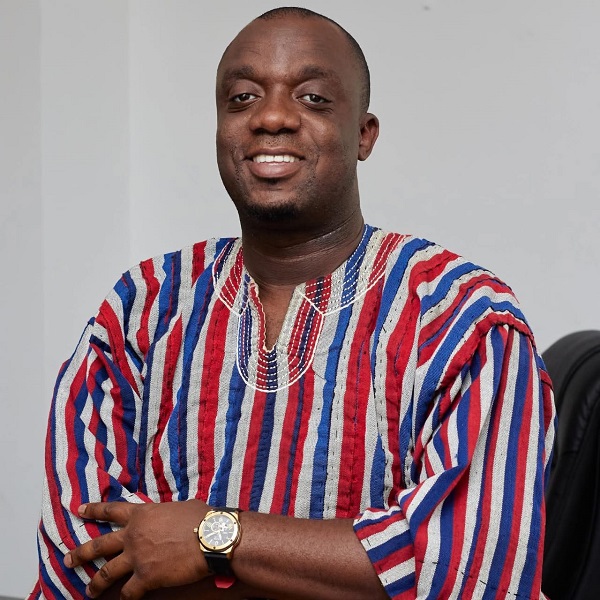
The New Patriotic Party (NPP) has directed all aspirants campaigning in the Greater Accra Region to suspend their campaign activities on August 5 and 6 and instead mobilise supporters for the party’s planned “Democracy Under Attack” demonstration.
The directive was issued by the party’s National Steering Committee in a statement signed by the NPP General Secretary, Justin Kodua Frimpong, on Tuesday.
According to the statement, the decision forms part of efforts to ensure a strong turnout for the demonstration, which is scheduled for Thursday, August 6, 2026.
The party said the protest would begin at 5:00 a.m., with participants expected to gather at the Supreme Court in Accra.
It further directed Regional, Constituency and Polling Station Executives in Greater Accra to work closely to mobilise members and supporters for the event.
“The National Steering Committee is calling on all aspirants currently campaigning across the Greater Accra Region to temporarily suspend their campaign activities on the 5th and 6th of August and join in mobilising support for the upcoming demonstration,” the statement noted.
The NPP appealed to party members and supporters to remain peaceful, disciplined and orderly throughout the protest.
The demonstration forms part of the party’s response to concerns it has raised over issues relating to Ghana’s democratic governance and the justice system.
The NPP leadership expressed confidence that party members would cooperate fully to ensure a successful and peaceful event.
By: Jacob Aggrey