News
Great Ningo Queen donates sanitary pads, examination materials to BECE candidates

- /home/u249204778/domains/spectator.com.gh/public_html/wp-content/plugins/mvp-social-buttons/mvp-social-buttons.php on line 27
https://spectator.com.gh/wp-content/uploads/2023/08/Naana-Dugbakuwor-Dugba-II.jpg&description=Great Ningo Queen donates sanitary pads, examination materials to BECE candidates', 'pinterestShare', 'width=750,height=350'); return false;" title="Pin This Post">
- Share
- Tweet /home/u249204778/domains/spectator.com.gh/public_html/wp-content/plugins/mvp-social-buttons/mvp-social-buttons.php on line 72
https://spectator.com.gh/wp-content/uploads/2023/08/Naana-Dugbakuwor-Dugba-II.jpg&description=Great Ningo Queen donates sanitary pads, examination materials to BECE candidates', 'pinterestShare', 'width=750,height=350'); return false;" title="Pin This Post">
Naana Dugbakuwor Dugba II
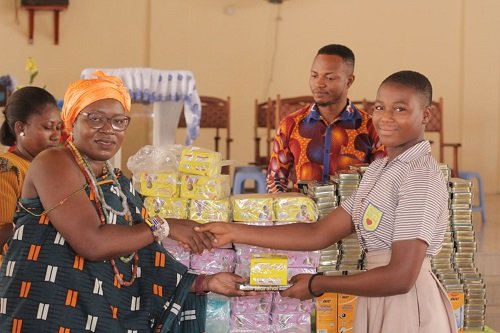
The Paramount Queen of the Great Ningo Traditional Area, Naana Dugbakuwor Dugba II, has visited some schools in the area to encourage the children as they write their Basic Education Certificate Examination (BECE).
In the course of the two-day visit, she presented assorted examination materials and sanitary pads to enable them go through the examination successfully.
Addressing the children numbering over a thousand, the queen charged them to take their books seriously to enable them achieve the desired results.
She pledged to sponsor six female and four male students that records single grades through their secondary education to the tertiary level.
The Paramount Queen, through her foundation, Manye Dugbakuwor Foundation, engaged candidates from both the private and basic schools across the three circuits, namely the Tsopoli-Dawa Circuit, the Ayertepa-Mangotsonya Circuit and the Ningo Circuit of the traditional area.
She vowed to continually influence the development of education in her traditional area and promote girl child education at all levels.
She called on sons and daughters from the area who are blessed with resources to support the upcoming generation, since they are the future leaders of the area.
She assured that her NGO was ready to partner with other NGOs and individuals to drive the developmental agenda of the area.
Naana Dugbakuwor Dugba II was accompanied by the Chief of Nyigbenya, Nene Teyetsu Bediaku II, Nene Tetteh-Wayoe Duamorh XI, the Queen of Ayertepa, Naana Korkor Kudi I and Assemblymen of the Ayertepa-Mangotsonya and Lekpongunor electoral areas, Michel Nartey and Henry Kwao on the development-oriented tour.
By Spectator Reporter


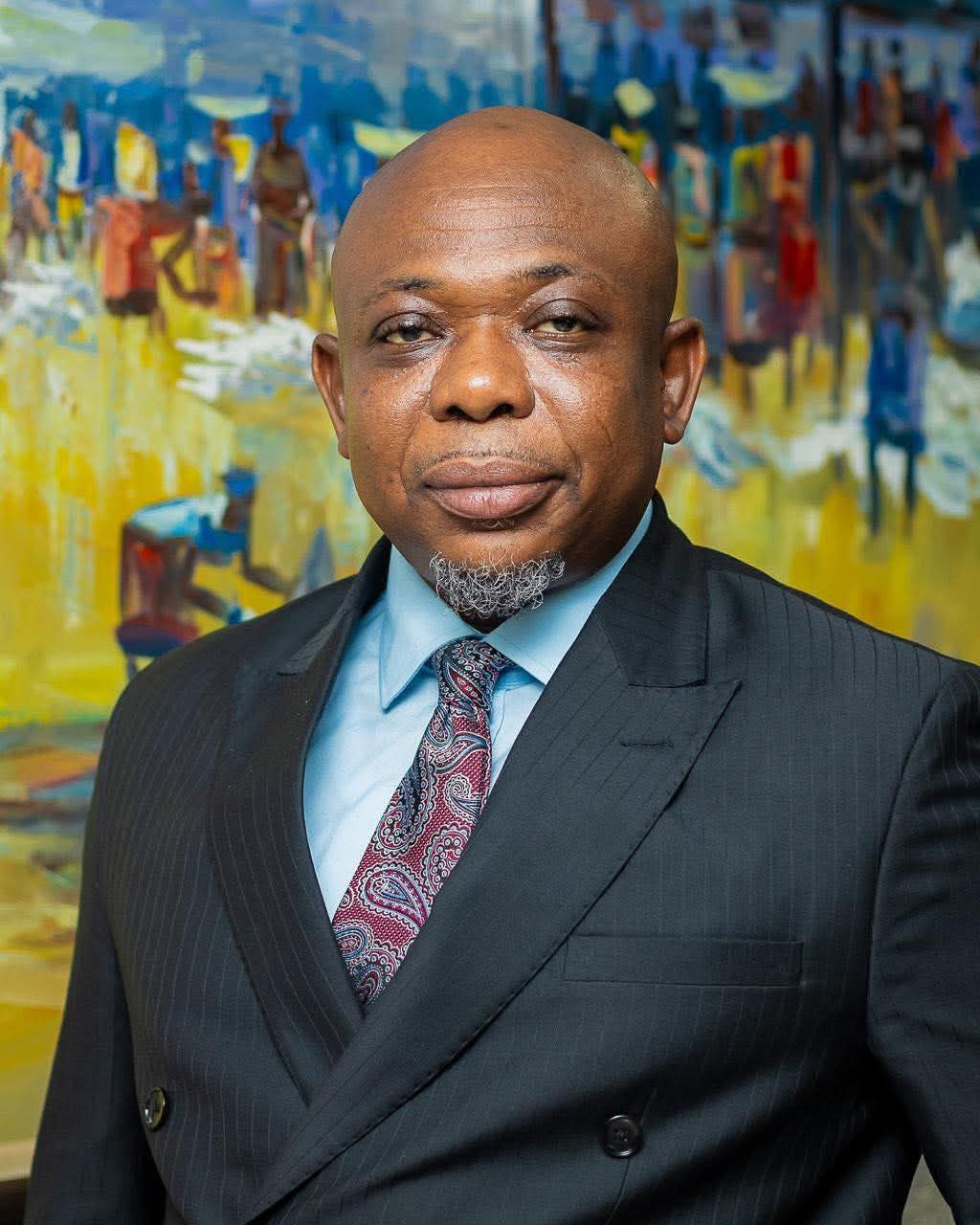
Majority Leader of Parliament, James Agalga, has expressed gratitude to Ghanaians for the confidence reposed in him following his elevation to the position.
Mr Agalga thanked Ghanaians who had sent him congratulatory messages and expressed appreciation to President John Dramani Mahama, the leadership of the National Democratic Congress (NDC), members of the Majority Caucus and the people of Builsa North.
In a statement posted on his socials, he also extended his gratitude to Ghanaians across the country for their support and confidence.
He pledged to work with other stakeholders to advance the government’s Reset Agenda and support the passage of legislation that would improve the lives of Ghanaians.
“We remain committed to working together to drive the government’s RESET Agenda and to champion legislation that delivers real benefits to every Ghanaian,” he said.
Mr Agalga called for continued cooperation as he begins his new role as Majority Leader.
By: Jacob Aggrey
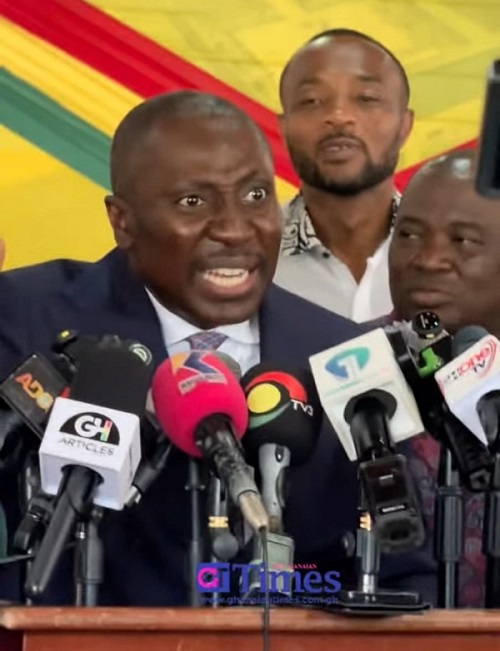
Minority Leader in Parliament, Alexander Afenyo-Markin, has maintained that the Minority’s concerns over the reported GH¢22 billion loss linked to the Ghana Gold Board (GoldBod) are not politically motivated.
He made the remarks at a press conference in Parliament on Tuesday, August 18, 2026, where he defended the Minority’s position on the financial implications of GoldBod’s domestic gold purchasing operations.
Mr Afenyo-Markin stated that the Minority was raising the concerns because Ghanaians deserved clear information about how public funds were used in the gold purchasing programme.
He explained that the figures being cited by the Minority were contained in the International Monetary Fund’s (IMF) report on Ghana and were therefore not figures manufactured by the opposition.
According to him, the IMF identified losses of about US$1.7 billion, equivalent to approximately GH¢22 billion, from the domestic gold purchasing programme in 2025.
He said the IMF attributed the losses to service and assay fees, discounts on gold sold to off-takers and exchange-rate differences between the rates used to purchase gold and the reference rate used by the Bank of Ghana for accounting purposes.
Mr Afenyo-Markin argued that the losses should be subjected to public scrutiny because GoldBod played a central role in buying, aggregating, assaying and exporting the gold, while the Bank of Ghana provided the financing.
He questioned why GoldBod should receive fees from the transactions while the associated losses were reflected on the books of the Bank of Ghana.
The Minority Leader stressed that the location of a loss in an institution’s accounts did not change its economic impact on the country.
He therefore called for answers on the prices paid for gold, how the prices were determined, the selection of off-takers, discounts applied to gold sales and the fees earned by GoldBod.
Mr Afenyo-Markin questioned the risk-sharing arrangement between GoldBod and the Bank of Ghana, arguing that the institution carrying out the commercial activity should not be able to benefit from transaction fees while another institution bears most of the financial risk.
He said the Minority was not seeking to trade insults with GoldBod officials but was focused on holding institutions accountable for the management of public resources.
He urged the government and GoldBod to address the concerns raised by the IMF and provide Ghanaians with clear explanations about the reported losses.
Mr Afenyo-Markin maintained that the Minority would continue to scrutinise the programme because the financial consequences ultimately affected Ghanaian taxpayers.
By: Jacob Aggrey