Hot!
GIADEC established to ensure value-addition to Ghana’s bauxite – Pres


- /home/u249204778/domains/spectator.com.gh/public_html/wp-content/plugins/mvp-social-buttons/mvp-social-buttons.php on line 27
https://spectator.com.gh/wp-content/uploads/2023/05/WhatsApp-Image-2023-05-15-at-1.54.23-PM.jpeg&description=GIADEC established to ensure value-addition to Ghana’s bauxite – Pres', 'pinterestShare', 'width=750,height=350'); return false;" title="Pin This Post">
- Share
- Tweet /home/u249204778/domains/spectator.com.gh/public_html/wp-content/plugins/mvp-social-buttons/mvp-social-buttons.php on line 72
https://spectator.com.gh/wp-content/uploads/2023/05/WhatsApp-Image-2023-05-15-at-1.54.23-PM.jpeg&description=GIADEC established to ensure value-addition to Ghana’s bauxite – Pres', 'pinterestShare', 'width=750,height=350'); return false;" title="Pin This Post">
President Nana Addo Dankwa Akufo-Addo has explained that the Ghana Integrated Aluminium Development Corporation (GIADEC), was strategically established to add value to the country’s raw bauxite resources.
This he said was to do away with the export of raw bauxite from the country as well as help develop a complete value chain for the resource.
Nana Akufo-Addo disclosed this at the opening of a two-day Natural Resource Stakeholders’ Dialogue organised by the Graphic Communications Group Limited (GCGL) in collaboration with the Ministry of Lands and Natural Resources in Accra on Thursday.
The dialogue was on the theme: “Harnessing our Natural Resources Responsibly for our Sustainable Collective Good” and aimed at generating stakeholder discussions on policy suggestions that could be implemented to arrest the phenomenon of illegal mining and logging in the country.
The President asserted that Ghana, over the years had not done well in negotiating well when it comes to its vast mineralresources.
“Ghana has not always done well in negotiations with the countries that exploit her natural resources” and that among other things such as “corruption, incompetence and political instability, the nation has mostly been short-sighted in these negotiations, thus, end up settling for less,” he emphasised.
In addition he said “The country has until recently, failed to put in place the requisite framework which will enable us to establish highest ends of the value chains of the extractive industry. Extensive tax and royalties’ exemptions, intolerable labour practices, and lack of value addition in the country has resulted in exceptional profits to mining companies at the expense of our communities, towns, cities and country. We cannot repeat these mistakes.”
Nana Akufo-Addo said even though it was legitimate for mining companies to make profit out of their businesses, it was important that this was not done at the expense of lands and the peoples that provided these resources.
“For several years, the extractive sector has been the largest tax base of our country apart from providing thousands of employment to several young men and women. The truth, however, is that over the years, we have not benefited optimally from these resources due to our overdependence on the export of raw products,” he added.
Nana Akufo-Addo said it was important to come to terms with the fact that the real value of natural resources laid in value addition.
“The value of the global aluminium industry, for example, from bauxite mining through alumina smelting and alumina production, is estimated to be in excess of one hundred and eighty billion United States dollars annually.
But raw bauxite accounts for only 7.6% of this market, while the remaining 92.3 % is generated from processed bauxite. This case is not different from those of gold, iron ore, manganese, cobalt, or lithium. Indeed, currently, African countries involved in the production of lithium are set to be making just about 10% of the entire value chain of the electric battery industry.
This is why government has prioritised local content and local participation as well as value addition in the natural resources sector to ensure that we derive optimal benefits from these God-given resources,” he stressed.
President Akufo-Addo noted that “Through the Ghana Integrated Aluminium Development Corporation (GIADEC), established in 2018, we are working to ensure value-addition in our bauxite resources through refining, smelting, aluminium production, as well as production of other downstream aluminium products.”
He explained that the implementation of the 4-project agenda of GIADEC was expected to optimise production in the upstream industry and spur production and job creation in the downstream sector.
“With an estimated bauxite resource base of over 900 million metric tonnes, this sector can serve as an anchor for the country’s industrialization if we continue to pursue value-added policies.
By section 28 of the GIADEC law, and section 30 of the GISDEC law, the Minister for Lands and Natural Resources is empowered to make regulations to ensure that no bauxite or iron ore in their raw state is exported out of the country after five years of the coming into force of these laws,” he emphasised.
The Ghana Integrated Aluminium Development Corporation (GIADEC), commenced operations in 2019, and the corporation is working to ensure value addition across the full value chain of aluminium production.
GIADEC is driving the development of mining, refining to produce alumina, and smelting to produce primary aluminium, and ultimately, to develop a downstream aluminium industry in Ghana.
GIADEC has made significant progress in the development of the four projects, which, together, define Ghana’s Integrated Aluminium Development programme.
By Cliff Ekuful


Senior Lecturer at the University of Ghana’s Department of Political Science, Dr. Joshua Jebuntie Zaato says the imprisonment of the Ashanti Regional Chairman of the New Patriotic Party (NPP), Bernard Antwi Boasiako, popularly known as Chairman Wontumi, will have little meaning unless it leads to a broader crackdown on illegal mining.
In a post on his Facebook page on the July 21, 2026, Dr. Zaato said the judgment should mark the beginning of efforts to completely eradicate galamsey and hold all those involved accountable, regardless of their political affiliation.
He said the country must work towards restoring polluted rivers, protecting forests and ensuring that people implicated in illegal mining activities are prosecuted.
According to him, those the President has publicly acknowledged to be involved in galamsey should face prosecution.
He called for the prosecution of district chief executives (DCEs), members of Parliament (MPs) and senior political party officials who have been accused of engaging in or supporting illegal mining.
Dr. Zaato further urged the government to take decisive action to end the destruction of the country’s forests caused by galamsey.
He maintained that the imprisonment of Chairman Wontumi would only have a lasting impact if it results in a comprehensive and impartial fight against illegal mining across the country.
By: Jacob Aggrey
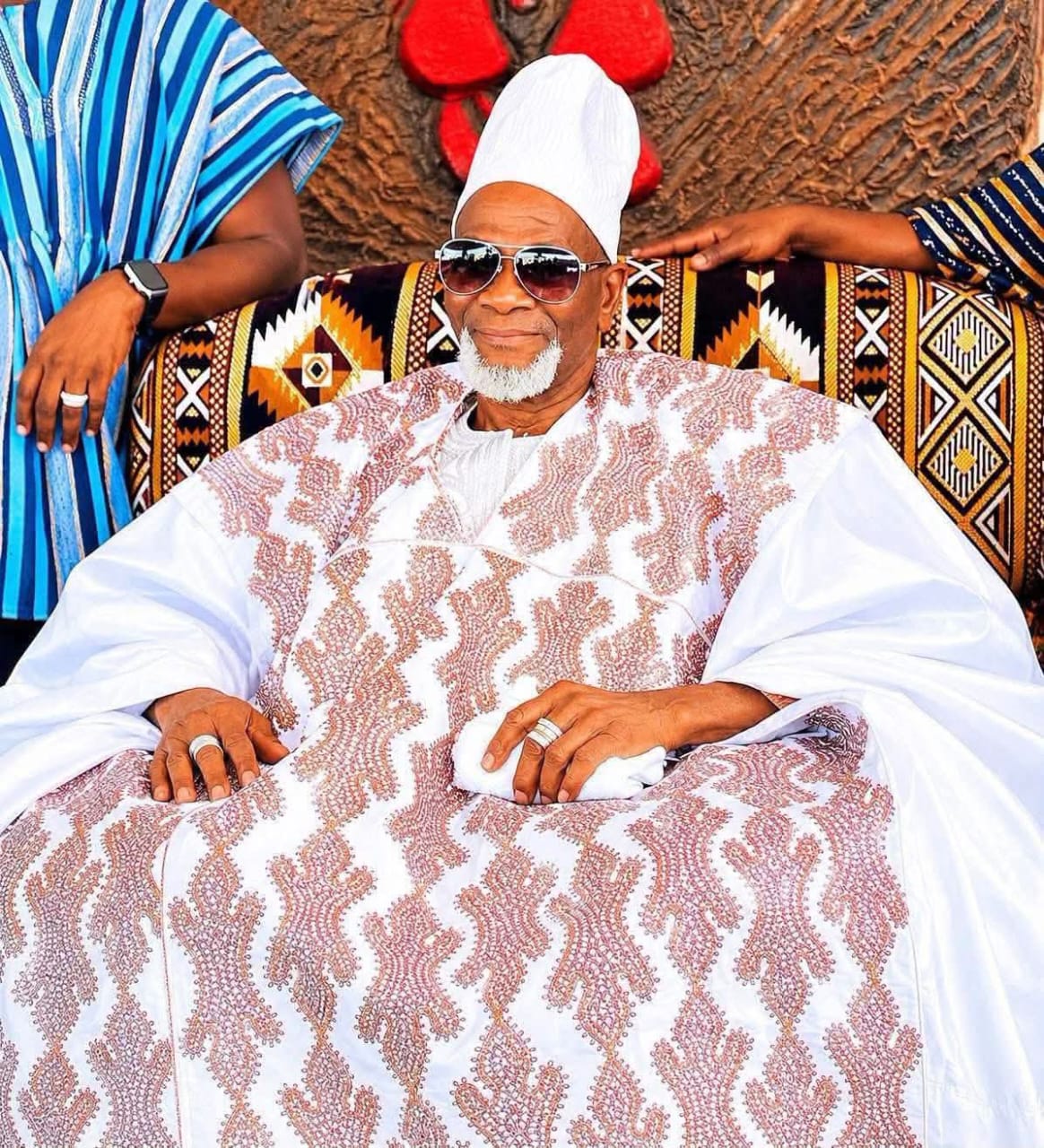
The Government of Ghana has expressed profound sadness over the passing of His Majesty Yaa Naa Abukari Mahama II, King of Dagbon.
In a statement issued on Monday, President John Dramani Mahama, on behalf of the Government, extended his deepest condolences to the Royal Family, the people of Dagbon, and the entire nation.
“The Government of Ghana has received with profound sadness the news of the passing of His Majesty Yaa Naa Abukari Mahama II,” the statement said.
President Mahama described the late King as a distinguished traditional ruler whose reign was defined by healing, reconciliation, and lasting peace in Dagbon following years of conflict.
The statement noted that His Majesty’s “unwavering commitment to unity, stability, and the welfare of his people created an enabling environment for development”and strengthened the partnership between traditional authorities and Government in advancing progress across Dagbon and Ghana.
The Government paid tribute to the life and legacy of Yaa Naa Abukari Mahama II, and honoured his invaluable service to the nation.
“May his wisdom, leadership, and dedication to peace continue to inspire future generations. May his soul rest in perfect peace,” the statement concluded.
The passing of Yaa Naa Abukari Mahama II marks the end of an era for Dagbon, which saw significant strides in unity and development under his leadership.
By Edem Mensah-Tsotorme