News
Decline in vulture population poses danger to society – Wildlife Researcher

- /home/u249204778/domains/spectator.com.gh/public_html/wp-content/plugins/mvp-social-buttons/mvp-social-buttons.php on line 27
https://spectator.com.gh/wp-content/uploads/2022/09/Vultures-are-natures-garbage-collectors.jpg&description=Decline in vulture population poses danger to society – Wildlife Researcher', 'pinterestShare', 'width=750,height=350'); return false;" title="Pin This Post">
- Share
- Tweet /home/u249204778/domains/spectator.com.gh/public_html/wp-content/plugins/mvp-social-buttons/mvp-social-buttons.php on line 72
https://spectator.com.gh/wp-content/uploads/2022/09/Vultures-are-natures-garbage-collectors.jpg&description=Decline in vulture population poses danger to society – Wildlife Researcher', 'pinterestShare', 'width=750,height=350'); return false;" title="Pin This Post">
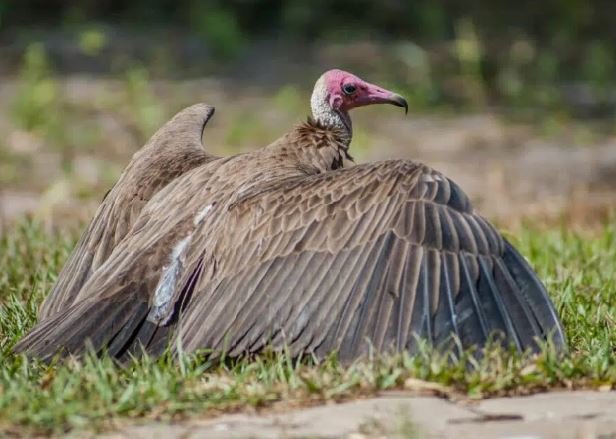
• Vultures are nature’s garbage collectors
The decline in population of vultures known in the local parlance as ‘pete or kokosakyi’ to a staggering 97 per cent predisposes society to diseases like cholera, rabies, botulism (food poisoning caused by bacteria) among others, which are mainly transmitted from infected wild and domestic animals.
Vultures which are nature’s garbage collectors are at a “very high risk” of extinction and their natural role of clearing carcasses and other organic waste found in the environment would not be felt.
Research and Project Officer of the Ghana Wildlife Society (GWS), Mr Joseph Kwesi Afrifa disclosed this alarming situation to this reporter to commemorate the International Vulture Awareness Day (IVAD) which falls today, September 3, 2022.
He said “Without vultures, decomposing dead and decaying matter will litter our environment and pose high risk to public health reminiscing a case in Indian 1994 Surat plague where carcasses left unattended among other sanitary problems, led to the spread of deadly diseases.”
This year’s (IVAD) theme “Vultures, our garbage crew” is to among other things highlight the importance of these birds, create awareness on the danger they face and garner support for their conservation.
On the importance of vultures, Mr Afrifa cited a recent research which said that up to about 70 per cent of carcasses left after the migration of wild beast from the Mara to the Serengeti in Tanzania were removed by vultures alone without any human intervention.
Vultures play significant ecological and economic roles in our environment, yet human activities such as non-selective poisoning, use of parts of vultures for rituals, trade in vulture parts for use in traditional medicines, persecution and habitat loss threaten their existence.
According to Mr Afrifa “another threat to vulture existence is when, some poachers, intentionally target the scavengers to cover up their activities so that they don’t hover to alert forest guards of the location of their crimes”.
The Ghana Wildlife Society (GWS), therefore, calls for vigorous education and adoption of the International Vulture Awareness Day (IVAD) nationwide, to sensitise the public to conservation of vultures to keep “our garbage crew” alive for future generations.
He said robust scientific research and technologies in monitoring vulture population with collaborative international conservation efforts would also go a long way in conserving vultures.
Mr Afrifa said that Hooded vultures were the most common vultures in Ghana, with others like the White-backed, White-headed, Rüppell’s and Egyptian vulture which had been recorded in different locations in the country.
“So anytime you see a vulture remember they are the ones keeping our environment clean from decomposing dead and decaying matter, they are environmental heroes not witches as some misconstrue”, he emphasised.
By Portia Hutton-Mills


Deputy National Women Organiser of the New Patriotic Party (NPP), Mimi Duah, has openly declared her support for Mavis Hawa Koomson as the next National Women’s Organiser of the party.
In a statement endorsing Hawa Koomson’s candidature, Ms Duah outlined four key reasons why she believes the former MP and Minister of State is best placed to lead the party’s women’s wing.
According to her, Hawa Koomson is a motherly figure who rose from the grassroots and is widely noted for her forgiving nature and ability to foster unity.
“She is a true grassroots mother who easily forgives, fosters unity, provides guidance and arbitrates to ensure all aggrieved party women are brought on board to ensure a unified women’s wing,” she stated.
Ms Duah also pointed to Hawa Koomson’s vast experience, having served as a Constituency Women’s Organiser, Member of Parliament and Minister of State, noting that the experience positions her to provide effective leadership as National Women’s Organiser.
She further described Hawa Koomson as capable of making the women’s wing resourceful, through her extensive network and business contacts, to lobby for logistics, training and financial support for women organisers at all levels.
Lastly, she said the NPP as an opposition party needs fearless, bold and assertive leadership at the women’s front to inspire regional, constituency and polling station women organisers as the party reorganises towards the 2028 elections.
“We need a Women’s Organiser who has been tested, who is bold, who understands grassroots women, and who can lead us to victory in 2028. Hon. Mavis Hawa Koomson is that leader,” she stressed.
By Edem Mensah-Tsotorme
News
Tourism, Culture and Creative Arts Minister inaugurates Ghana-Korea Heritage Project Steering Committee

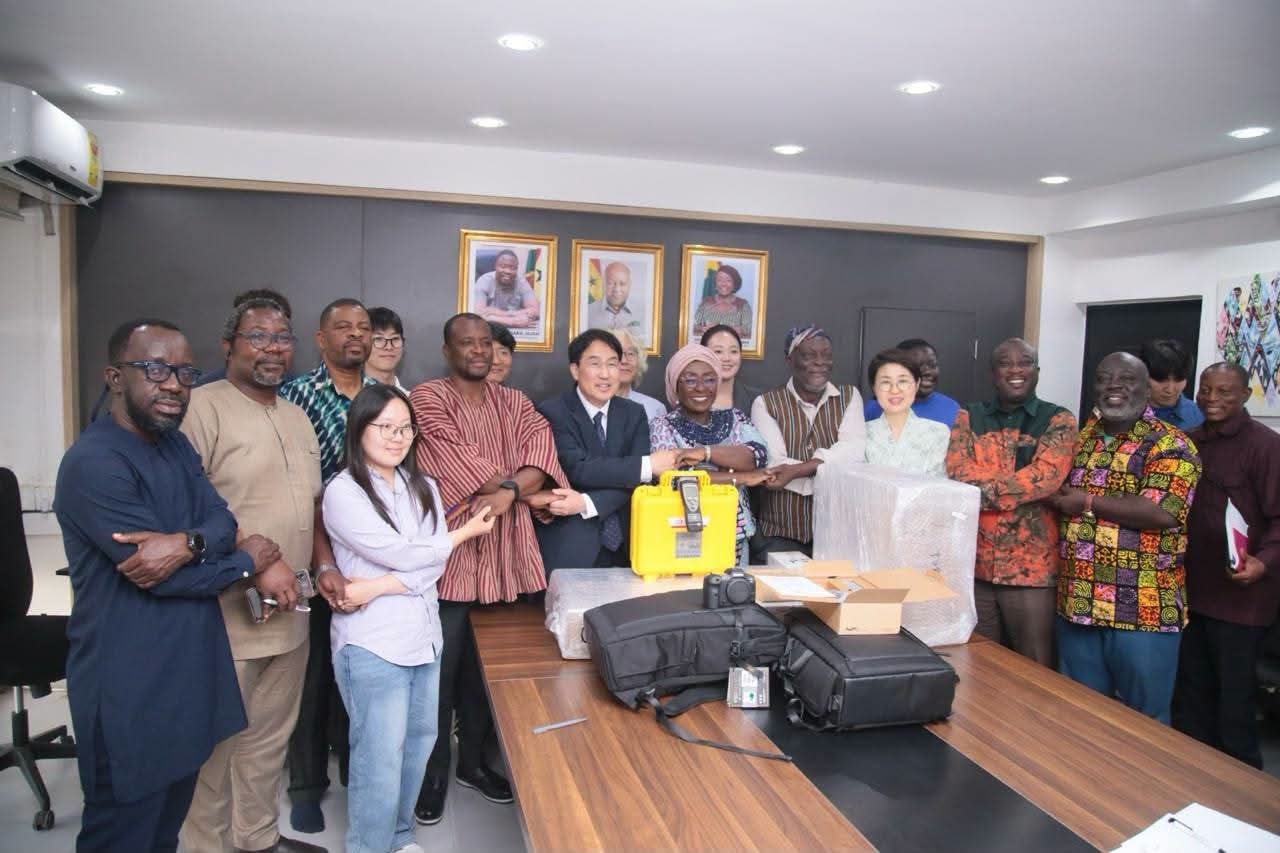
Tourism, Culture and Creative Arts Minister, Abla Dzifa Gomashie, has inaugurated the Ghana-Korea Heritage Project Steering Committee to provide strategic oversight for a five-year programme focused on preserving Ghana’s heritage sites and strengthening their resilience to climate change.
The project will support climate-risk mapping, digital surveying and 3D modelling, joint research, capacity building, community engagement and modern monitoring technologies.
Korea is also providing specialised equipment, including drones, 3D scanners, digital microscopes, thermal imaging cameras and GPS survey instruments, to enhance Ghana’s capacity to scientifically assess, document and conserve heritage structures.
The partnership, which will run through 2030 and beyond, is expected to deepen Ghana-Korea cultural ties while promoting sustainable, technology-driven and climate-adaptive heritage management for future generations.
By Edem Mensah-Tsotorme