News
NAGRAT backs decision to allow SHS, JHS students to write WAEC exams

- /home/u249204778/domains/spectator.com.gh/public_html/wp-content/plugins/mvp-social-buttons/mvp-social-buttons.php on line 27
https://spectator.com.gh/wp-content/uploads/2020/06/NAGRAT-Mr-Eric-Angel-Carbonu-President-of-NAGRAT-.jpg&description=NAGRAT backs decision to allow SHS, JHS students to write WAEC exams', 'pinterestShare', 'width=750,height=350'); return false;" title="Pin This Post">
- Share
- Tweet /home/u249204778/domains/spectator.com.gh/public_html/wp-content/plugins/mvp-social-buttons/mvp-social-buttons.php on line 72
https://spectator.com.gh/wp-content/uploads/2020/06/NAGRAT-Mr-Eric-Angel-Carbonu-President-of-NAGRAT-.jpg&description=NAGRAT backs decision to allow SHS, JHS students to write WAEC exams', 'pinterestShare', 'width=750,height=350'); return false;" title="Pin This Post">
The National Association of Graduate Teachers (NAGRAT) has backed government’s decision to allow final year Senior and Junior High School (SHS/JHS) students to write this year’s West Africa Examination Certificate (WAEC) examinations.
According to Eric Angel Carbonu, President of NAGRAT, the students had already completed the syllabus and have been adequately prepared for the examinations before the schools were forced to close down in the wake of the coronavirus (COVID-19) pandemic.
“The short stay at home will not be a problem because the students were in the revision stage, preparing for the examinations. They had already completed the syllabus and were just in line to write their papers when the diseases struck the country. I agree that they write the examination rather than progress them with the Continuous Assessment which is fraught with challenges,” he stated.
In an interview with the Ghanaian Times yesterday in Accra, he, however, expressed concern about the decision to re-open schools this month although Ghana’s COVID-19 positive cases continue to rise.
He said re-opening of schools should have been delayed until September or October in order not to risk the lives of students and teachers.
“I agree that the re-opening of schools should have been pushed back to September or October, so that by then we would have had ample time to know how we will go about the situation to protect our students and teachers. We must place the lives of the students and teachers and anybody for that matter above any certificate,” he stated.
Although the delay would have thrown the academic calendar off-gear, Mr Carbonu explained that, the disease has impacted negatively on all sectors, including education, and destabilised economies across the globe, and Ghana could not be an exception.
“Until a definite global response to COVID-19 was found, the NAGRAT President said, life would not return to normal as before, stating that “we must prioritise the lives of our people until then,” he said.
Currently, he said, there was growing mixed feelings among parents as to whether or not schools should be re-opened when Ghana’s recorded cases continue to rise with no cure or vaccine for treatment.
He noted that there was uncertainty among students and teachers on how the schools’ environment would be ideal to curtail spread of the disease.
Mr Carbonu said mass testing for students and teachers, which has been proposed, was not the ideal solution as stated by some health experts, adding that “the associated costs and it being less of a prevention mechanism is why government has not taken that path.”
He urged the Ministry of Education to allow parents and their wards decide on whether or not to return to school, because most of them were through with their preparations for the examinations.
President Nana Addo Dankwa Akufo-Addo in his 10th address to the nation on measures put in place to check the spread of COVID-19 in the country announced the reopening of schools, but for only final year students of Junior High School, Senior High School and tertiary institutions.
According to him, beginning June 15, final year students are to resume school starting with university students.
BY CLAUDE NYARKO ADAMS


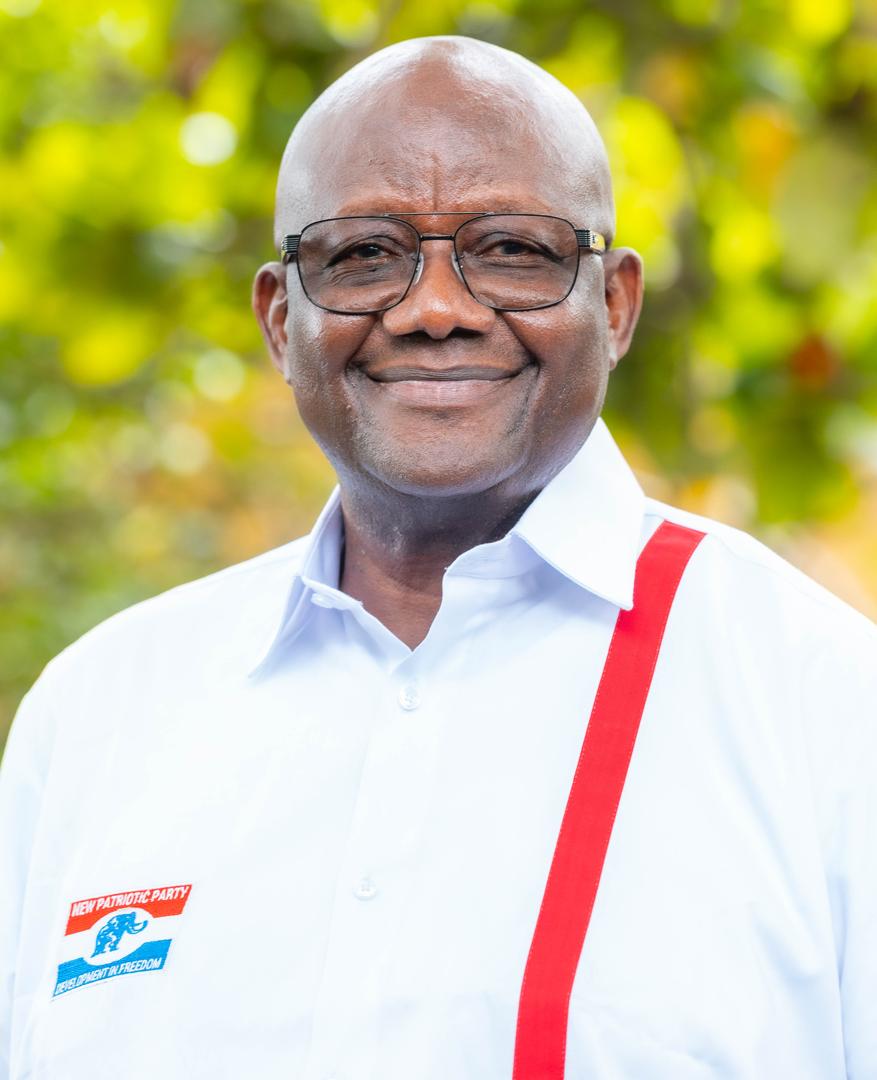
Private Legal Practitioner and New Patriotic Party (NPP) stalwart Charles Owusu Juanah says Awentami Paul Afoko has already started engaging members of opposing camps within the party as part of efforts to build a united front ahead of the 2028 elections.
Lawyer Juanah, who is the National Chairman of Friends of Bawumia, said some NPP members who have lost key positions have become disgruntled and now behave as though the party belongs to them.
He said this attitude has contributed to the divisions within the party and created the need for a leadership figure capable of bringing the various groups back together.
Juanah believes Afoko has the personality and relationships necessary to undertake that reconciliation.
He revealed that the former chairman has already started reaching out to people from opposing camps.
“He has even begun interacting with opposing camps in order to form a united front ahead of the 2028 elections,” Juanah said.
According to him, Afoko’s engagement with rival groups shows his focus is on building the party rather than deepening existing divisions.
Juanah said the former chairman understands that the NPP cannot successfully prepare for the next election while its members remain divided.
“He has foresight, the vision, and strategy to ensure there’s a united front,” he said.
Juanah added that Afoko had already begun talks with some members as part of the process.
He said these engagements demonstrate a willingness to listen to different sides and create a platform where members who have fallen out with one another can work together.
“He has even begun talks with some members,” Juanah said.
He argued that Afoko’s approach also shows his understanding of leadership.
According to Juanah, leadership in the current circumstances requires someone who can speak to different factions without treating political disagreements as permanent divisions.
He said Afoko’s charisma allows him to engage people who may not belong to the same camp.
Juanah therefore believes the former chairman can help bring back members who feel alienated from the party.
“If there’s anyone who can ensure all disgruntled members come together, then it’s no other than Paul Afoko,” he said.
For Juanah, the reconciliation effort is important because the NPP will need a united internal structure before it can effectively organise for the 2028 election. He said Afoko’s current engagement with rival camps is therefore consistent with the former chairman’s broader “Reunite, Rebuild, and Recapture” message.
By: Jacob Aggrey
Ghana is set to take centre stage in fashion, culture and the creative economy as the maiden Black Star Fashion Week (BSFW) takes off with a two-day national fashion experience designed to discover talent, convene the industry and showcase Ghanaian fashion on a global stage.
Put together by the Presidency-backed Black Star Experience Secretariat led by Rex Owusu Marfo, with support from the Ministry of Tourism, Culture and Creative Arts and its agencies such as the Ghana Tourism Authority (GTA) and Creative Arts Agency, it is structured across two connected experiences in Accra and Senchi.
The Black Star Fashion Week will move from inteligent industry dialogue and talent discovery to an exciting fashion celebration.
The first day will take place in Accra on November 4 and will centre on the Black Star Fashion Summit.
The Summit will bring together designers, fashion entrepreneurs, creatives, industry leaders, investors, buyers, manufacturers, policymakers, media and other stakeholders for a day of conversations, knowledge exchange, networking and talent development.
The Accra experience will feature keynote addresses, panel discussions, fireside conversations, masterclasses, industry presentations and practical workshops covering areas relevant to the growth of Ghana’s fashion industry, including entrepreneurship, branding, digital marketing, textile innovation, manufacturing, fashion finance, export readiness, e-commerce, artificial intelligence, sustainability and intellectual property.
A major component of Day One will be the 16-Region Designer Programme, bringing emerging fashion talent from across the country into one national platform.
Each participating designer will present a creative interpretation of their region, reflecting its identity, culture, heritage, materials, craftsmanship and contemporary design language.
The Accra programme will culminate in the selection of five designers. Out of the five, one will advance to the flagship fashion show at Senchi.
The second day will move to Royal Senchi on November 7, where the Black Star Fashion Show and experience will take place.
Beyond the runway, Senchi will host a Fashion Village, bringing together designer showcases, retail, textiles, artisan experiences, brand activations, beauty, technology, food and beverage, tourism and lifestyle experiences.
The event will also celebrate Ghana’s cultural diversity through music, dance, textiles, craft, food, storytelling, heritage and visual arts, demonstrating the deep connection between fashion and Ghana’s wider cultural ecosystem.
Honours will go out to outstanding contributors to Ghana’s fashion ecosystem, while networking and business engagements will connect designers and creative businesses with buyers, investors, manufacturers, retailers and other industry stakeholders.
Black Star Experience (BSE) is a Government of Ghana inititive for Culture, Arts, Tourism and Creative engagement.
As a national, year-round platform, the Black Star Experience brings together Ghana’s cultural, artistic, tourism and creative offerings to strengthen Ghana’s identity, promote the country as a preferred global destination and position Ghana as a leading cultural and creative capital of Africa.