News
Team work imperative for development of corporation – Yaw Boadu-Ayeboafoh

- /home/u249204778/domains/spectator.com.gh/public_html/wp-content/plugins/mvp-social-buttons/mvp-social-buttons.php on line 27
https://spectator.com.gh/wp-content/uploads/2022/03/Mr-Yaw-Boadu-Ayeboafoh-swearing-in-the-new-board-members-1.jpg&description=Team work imperative for development of corporation – Yaw Boadu-Ayeboafoh', 'pinterestShare', 'width=750,height=350'); return false;" title="Pin This Post">
- Share
- Tweet /home/u249204778/domains/spectator.com.gh/public_html/wp-content/plugins/mvp-social-buttons/mvp-social-buttons.php on line 72
https://spectator.com.gh/wp-content/uploads/2022/03/Mr-Yaw-Boadu-Ayeboafoh-swearing-in-the-new-board-members-1.jpg&description=Team work imperative for development of corporation – Yaw Boadu-Ayeboafoh', 'pinterestShare', 'width=750,height=350'); return false;" title="Pin This Post">
In the absence of team work, progress cannot be achieved; as such it is imperative for staff and management of New Times Corporation to work together as a team for development of the organisation.
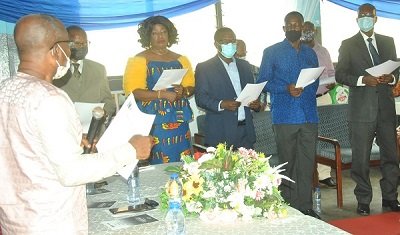
Chairman of the National Media Commission (NMC), Mr Yaw Boadu-Ayeboafo said this when he swore in the nine new board members of the New Times Corporation (NTC) on Thursday. He also said it was important to identify the mistakes of others so as to seek remedy rather than wait for failure and stressed the need for team work.
Mr Boadu-Ayeboafoh again charged the media to exhibit professionalism in the line of duty and avoid the tendency of being used as “receptacles for publishing falsehood”.
He advised management to take interest in the remuneration, conditions of service and related concerns of staff and address them but called on the staff to cooperate with the board and management for a continued industrial harmony.
Mr George Sarpong, Executive Secretary of the National Media Commission who introduced the new members of the board was impressed with the peaceful atmosphere that the past board maintained in the corporation and said this should not be compromised.
He urged the staff to use dialogue to address their grievances.
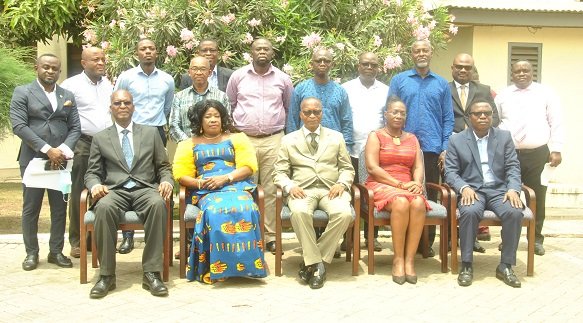
The new board has Dr Kweku Rockson, a Social Science and Communication Consultant, Researcher Academic and Practitioner, former Rector of the Ghana Institute of Journalism as chairman, other members are Professor Kwasi Opoku-Amankwa, an Associate Professor in Communication, Language and Literary and current Director-General of the Ghana Education Service; Mr Samuel S.Sarfo , an expert in Head of Human Resource and Administration and Victoria Natsu, the immediate past Executive Secretary of the Secretariats of the Human Trafficking and Domestic Violence Management Boards.
Others were Mr Donald Gwira, a Public Relations and Global Corporate Social Responsibility leader; and Professor Kofi Quansah, immediate past Dean of University Of Ghana School Of Law, Ms Doris Kuwornu, a journalist, TV Producer/Director and Vice President of the Ghana Association of Writers; Mr Kofi Marrah, a writer and former Executive Secretary of the National African Peer Review Mechanism;
In her handing over speech, the past board chairman, Very-Reverend Mrs Ama Afo-Blay was full of praise for the past board and charged the new board to improve the auditing aspect of the corporation and continue the efforts to acquire a new offset machine.
In his acceptance speech, Dr Kwaku Rockson, who described the task as an onerous responsibility said “they would not take the work of the board lightly” as they intend to achieve progress through stakeholder engagement, blocking of revenue loopholes, improve human resource and enhance editorial among others.
He said that collectively, it was only hard work that could create development for the corporation, “Let us work together, let us create and share. If we do not create we cannot share”, he stressed.
Managing Director of the New Times Corporation, Mr Martin Adu-Owusu also expressed thanks to the past board for their service to the organisation especially initiating the process of acquiring a new printing machine and also blocking revenue loopholes, and welcomed the new board to continue the good works of the past board in order to address the challenges that the corporation faced.
Also in attendance were; the President of the Ghana Journalists Assocaition, Mr Affail Monney, some officials from the National Media Commission, Editors of the Ghanaian Times and The Spectator; Mr David Agbenu and Mr Emmanuel Amponsah and other management members of the Corporation.


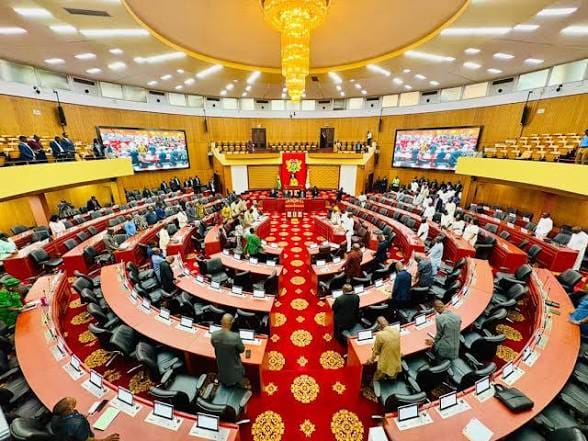
Parliament has clarified public commentary on social media regarding a notice on its notice board that read “No Vacancy for National Service Personnel 2026/2027. Kindly go for reposting.”
In a statement, signed by the Director of Media Relations, David Sebastian Damoah, Parliament said the notice has been misconstrued and was not a policy statement, a freeze on national service placements, or a change in its support for the National Service Scheme.
According to Parliament, the notice was a routine administrative message to prospective personnel who reported to the House, informing them that it has received more personnel than it can accommodate for the 2026/2027 service year and that they should seek reposting to other institutions.
It said it remains committed to the National Service Scheme and values the contribution of service personnel to its work, and regrets any confusion or inconvenience the wording may have caused.
By Edem Mensah-Tsotorme
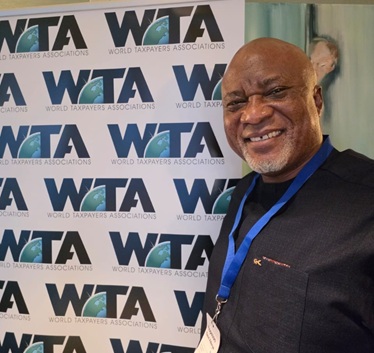
Ghanaian public advocate Hopeson Yaovi Adorye has been elected to the Board of Directors of the World Taxpayers Association (WTA).
The election took place on Sunday, October 5, 2026, during the Association’s conference in Kraków, Poland.
His election marks a significant addition to his international leadership portfolio and provides a platform for Ghanaian and African perspectives to contribute to global discussions on taxpayer rights, responsible taxation, transparency and prudent management of public resources.
Reacting to his election, Mr. Adorye expressed appreciation to the leadership and members of the WTA for the confidence reposed in him.
“I am deeply honoured by this confidence and conscious of the responsibility that comes with it. Taxpayers are at the heart of every economy, and they deserve fairness, transparency, accountability and value for the taxes they pay. I look forward to working with colleagues from across the world to strengthen the voice of taxpayers and promote responsible fiscal governance,” he said.
According to him, taxation should not be viewed solely as a mechanism for raising government revenue, but also as an important component of the social contract between citizens and the state.
Mr. Adorye said governments have a responsibility to ensure taxes are collected fairly and public resources are utilised efficiently to deliver quality infrastructure, healthcare, education, security and other essential services.
His election also creates an opportunity to bring African experiences into international conversations on taxation and public expenditure.
Mr. Adorye, who is Executive Director of Taxpayers League Ghana, has previously served as Global Board Chairman of the International Youth Network for UN Security Council Resolution 2250, an NGO associated with the United Nations Economic and Social Council (ECOSOC).
He is expected to use his new role to champion fiscal accountability, taxpayer education, good governance and stronger citizen participation in public financial management.