Entertainment
I chose acting over banking, I have no regrets – Roselyn Ngissah


- /home/u249204778/domains/spectator.com.gh/public_html/wp-content/plugins/mvp-social-buttons/mvp-social-buttons.php on line 27
https://spectator.com.gh/wp-content/uploads/2021/12/77788855-1.jpg&description=I chose acting over banking, I have no regrets – Roselyn Ngissah', 'pinterestShare', 'width=750,height=350'); return false;" title="Pin This Post">
- Share
- Tweet /home/u249204778/domains/spectator.com.gh/public_html/wp-content/plugins/mvp-social-buttons/mvp-social-buttons.php on line 72
https://spectator.com.gh/wp-content/uploads/2021/12/77788855-1.jpg&description=I chose acting over banking, I have no regrets – Roselyn Ngissah', 'pinterestShare', 'width=750,height=350'); return false;" title="Pin This Post">
Actress Roselyn Ngissah has disclosed that she once worked in the banking sector but decided to venture into acting.
The decision was informed by her quest to follow her dreams and become one of the most celebrated filmmakers in the country.
Recalling an opportunity she had in 2008, Roselyn Ngissah said: “I did my national service at the Merchant Bank now the Universal Merchant Bank (UMB) and after that, I had the chance to be a full-time banker but I rather chose acting. I have always wanted to be an actress and I don’t regret making that decision.”
Although she left the banking sector, the lessons she picked from there has been very helpful. These lessons, she said, have been her guide as she climbs the ladder of success.
“I was taught how to be careful around money, I learnt how not to trust anyone when it comes to money because it can be tempting. The banking sector also taught me how to comport myself and look good all the time. It has shaped my thinking and the kind of life I live now”, said the actress who has starred in countless movies including Somewhere In Africa, Aloe Vera, 4 Play, Away Bus.
Roselyn Ngissah is not the only personality to have left banking for showbiz. Former Media General employee MzGee recently disclosed that she used to be a banker.
Offering an explanation, MzGee said: “I think it was just looking back and saying that I don’t belong in the Banking sector. And I had prophecies that showed that my destiny was not in the financial sector.
Source: GhanaWeb


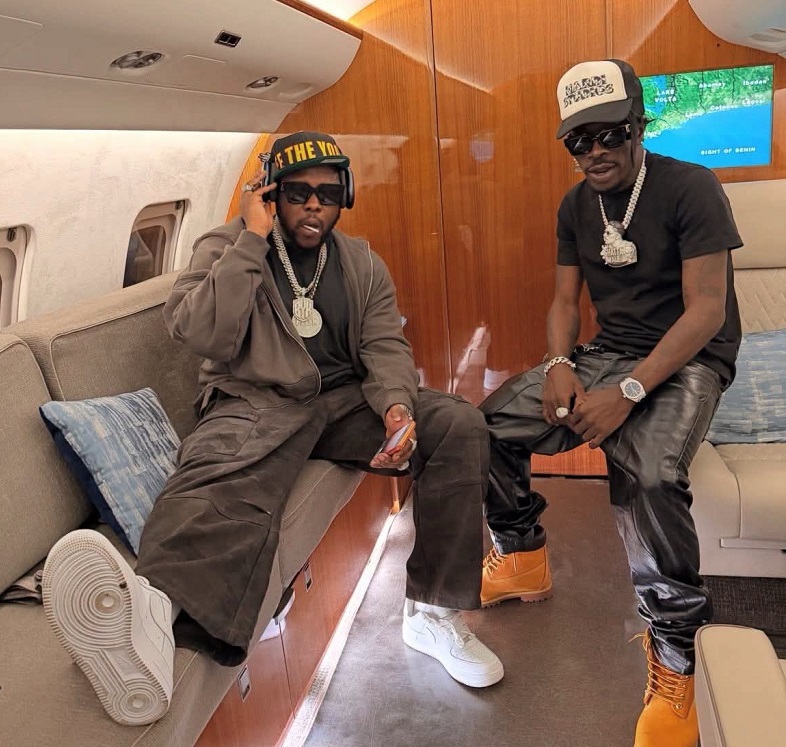
Ghanaian rapper Medikal has advised musicians to focus on building financial security rather than relying mainly on awards, shows and public recognition.
According to him, the difficult situations some senior musicians face after years in the industry should serve as a lesson to younger artistes.
Medikal made the comments on TikTok while sharing his thoughts on an interview involving veteran Ghanaian musician DJ Barosky, whom he claimed is currently homeless in the United Kingdom.
He expressed surprise at the situation, noting that he grew up listening to and admiring some of the senior musicians who influenced his generation.
“Bro, right now, social media, I know if you tell which one be real or what be fake,” Medikal stated, questioning the reality of what people see online.
He argued that musicians should make money and put proper financial plans in place while they are active in the industry.
“If you be artist for this country, you for make money, collect money, put certain things in place,” he said.
Medikal stressed that awards and performances were important but should not replace financial planning.
He encouraged artistes to be careful with their relationships and to understand that the entertainment industry is largely driven by money.
According to him, even friendships can change when a person’s financial circumstances change.
He therefore urged musicians not to become discouraged by financial losses but to remain focused on creating wealth.
“Make money. If you lose money, still collect money,” he advised.
Medikal said the experiences of older artistes should encourage current musicians to take their finances seriously and prepare for life beyond their peak years in the entertainment industry.
By: Jacob Aggrey
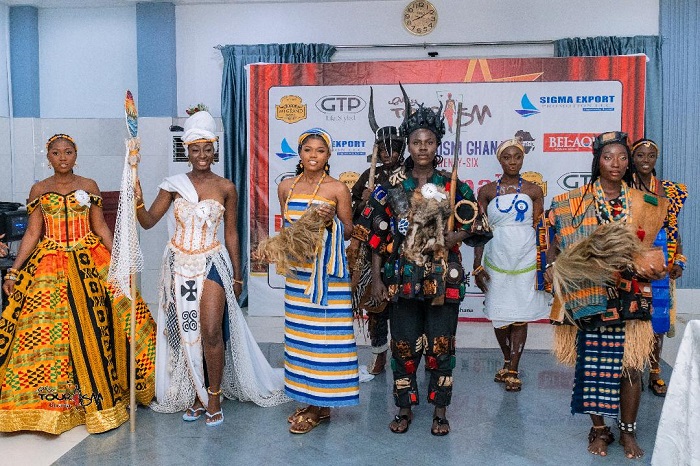
It was a night of colour, culture and creativity as Miss Tourism Ghana successfully held its Regional Costume & Talent Night in Accra.
The event drew fashion lovers, culture enthusiasts, and proud supporters who came out to witness Ghana’s beauty queens represent their regions on one grand stage.
From the moment guests stepped in, the atmosphere was electric, ushering,
Okra, Zabe, Gina, Akpe, Sela, Afia,Asher and Ajua into the auditorium to mesmerize patrons.
The blistering night, commenced with a breathtaking regional costumes rocked by contestants that told stories of Ghana’s traditions from, african print, kente, smock, batakari, beads and other indigenous fabrics.
Each outfit with beautiful local accessories to match was paired with confidence, poise, and pride.
The night then shifted gears into the talent segment. The audience was treated to powerful performances traditional dance, spoken word, fashion, singing, and drama all centered on promoting Ghana’s tourism and heritage.
The judges were stunned with the various displays and passed favorable commentaries encouraging the contestants to keep giving their all.
Patrons left with unforgettable moments, and the contestants delivered to their expectations.
Organisers of Miss Tourism Ghana congratulated all the amazing participants who took part and urged them to forged ahead strongly before the grand final.
They also, encouraged families and friends to keep their favourite in the competition through their campaigns and votes.
The search for Ghana’s next tourism ambassador is officially on, and the competition is getting tighter with each stage.
Beyond the glamour, Miss Tourism Ghana continues to use the platform to market Ghana’s tourist sites, culture and hospitality to the world.
The Regional Costume & Talent Night served as both entertainment and education, reminding Ghanaians of the beauty in our diversity.
By Edem Mensah-Tsotorme