Fashion
2 Basic Things You Should Consider Before Buying Any Native Fabric

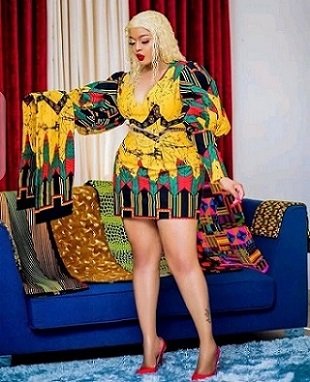
Walking into a fashion shop to buy materials is important but you need to consider some factors before going for any material.
Native fabrics are usually very nice and attractive but you need to understand the fact that it is not every native fabric that would look good on you.
Here are the two basic things you must consider before picking any material from the tailoring shop
° The Color and Fabric Design: There are some colors that won’t suit your body complexion, try to find out the colors suitable for your complexion even before going to buy the materials. The design is also important, you need to make sure you pick materials with beautiful designs otherwise you may not like the outfit when it’s finally sewn.
° Quality Of The Material: You need to also consider the quality of the material of the fabric you’re buying. If you buy a fabric that doesn’t have good quality and texture, your outfit may not turn out to be attractive.


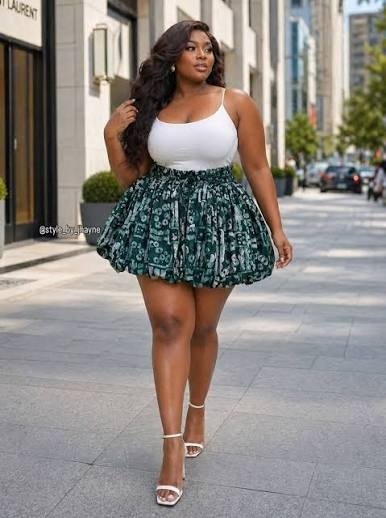
Skirts are a wardrobe essential for many women, offering a variety of styles for different occasions.
Interestingly, not every woman is familiar with different types of skirts available and how best to style them.
The Spectator takes a look at the different types of skirts every woman should know about.
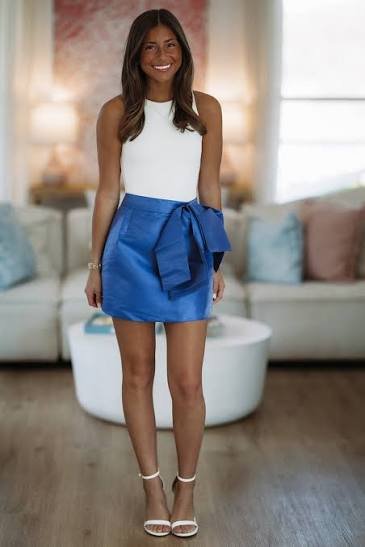
Mini skirt: Short length above knee.
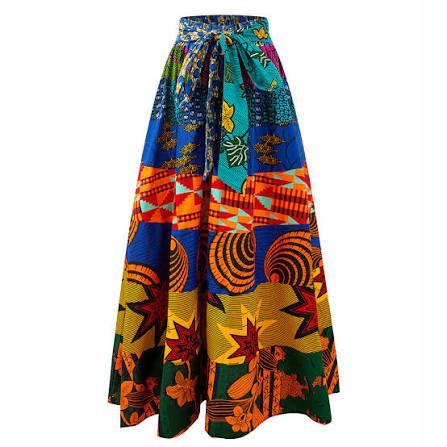
Maxi skirt: Long length reaches the knee.
Tierd skirt: Layers of fabric for a flowy look
Mermaid skirt: Fitted through the hips, flaring the bottom.
Trumpet skirt: Slight flare from mid-thigh to hem.
Circle skirt: Full and flared with a circular shape.
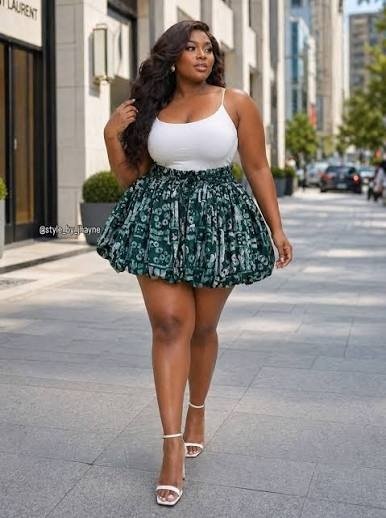
Bubble skirt: Gathered hem creates a full, rounded shape.
Wrap skirt: Wraps around the waist and ties
Staker skirt: Short and flared playful style
Pencil skirt: Slim fit, straight shape
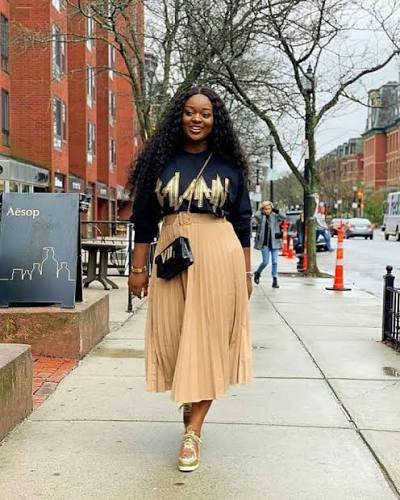
Pleated skirt: Features even folds or pleats.
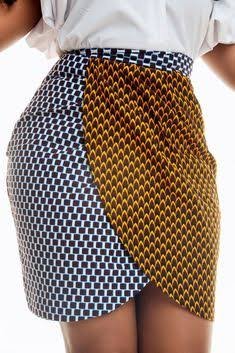
Tullip skirt: Overlapping from panels create a tulip shape.
Asymmetrical skirt: Uneven hemline for a modern look.
Godet skirt: Inset panels add extra flare.
A-Line skirt: Fitted at the waist gradually flares out.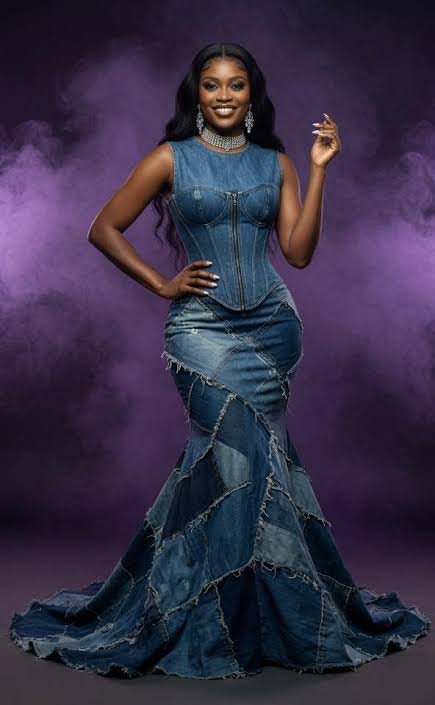
SKIP THE QUEUE, TAP THE NEWS
You can now read the Ghanaian Times and The Spectator newspapers from the comfort of your device via TimesNewsPlus.
Join our WhatsApp Channel: https://whatsapp.com/channel/0029VbBElzjInlqHhl1aTU27
By Linda Abrefi Wadie
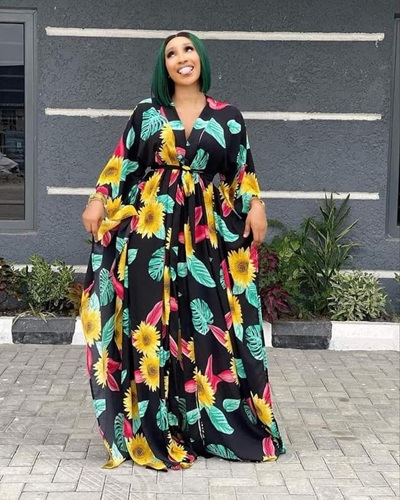
VINTAGE dresses are making a strong comeback in the fashion world as more women embrace timeless designs that combine elegance and a touch of jewellery.
Once regarded as old-fashioned, vintage dresses are now becoming fashionable choices for women who want to stand out from the crowd.
Fashion enthusiasts are particularly drawn to vintage pieces because of their uniqueness. Unlike mass-produced outfits that are often seen everywhere, vintage dresses offer wearers the opportunity to create a distinctive look while expressing their personality.
Vintage dresses are also versatile; they can be worn to weddings, parties, church services, social gatherings or even casual outings, depending on how they are styled. Pairing them with modern shoes, a handbag or simple jewellery can give the outfit a fresh and contemporary appearance.
Vintage fashion therefore proves that style does not always have to mean following the latest trend. Sometimes, the most fashionable statement is found in the beauty of the past.