News
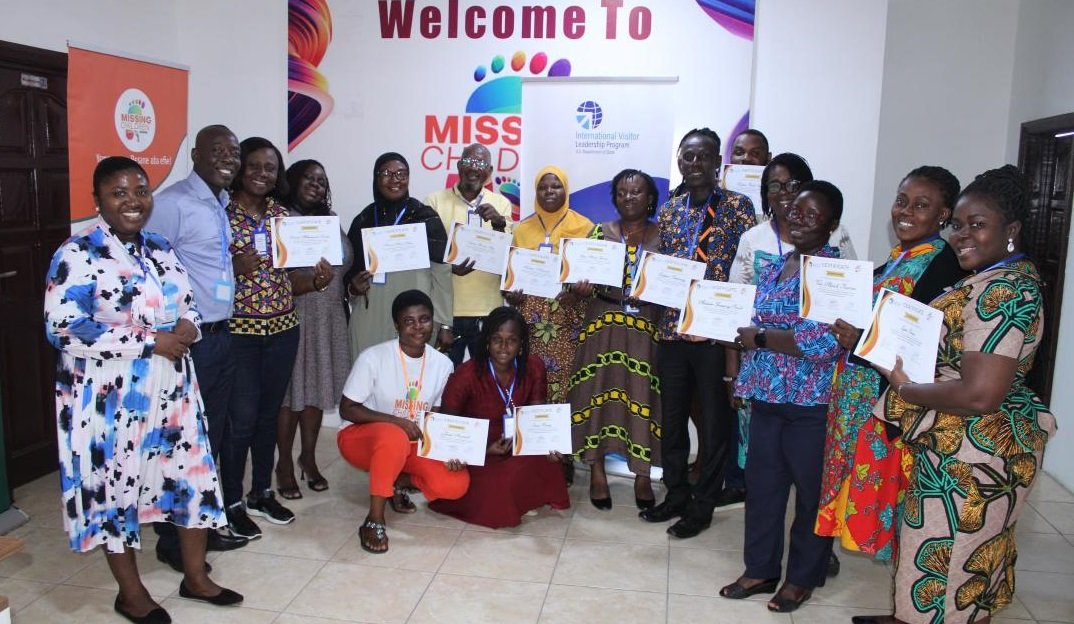
12 teachers trained on Gender-Based Violence in schools

- /home/u249204778/domains/spectator.com.gh/public_html/wp-content/plugins/mvp-social-buttons/mvp-social-buttons.php on line 27
https://spectator.com.gh/wp-content/uploads/2024/08/Particpants-displaying-their-certificates-after-the-training-1000x600.jpg&description=12 teachers trained on Gender-Based Violence in schools', 'pinterestShare', 'width=750,height=350'); return false;" title="Pin This Post">
- Share
- Tweet /home/u249204778/domains/spectator.com.gh/public_html/wp-content/plugins/mvp-social-buttons/mvp-social-buttons.php on line 72
https://spectator.com.gh/wp-content/uploads/2024/08/Particpants-displaying-their-certificates-after-the-training-1000x600.jpg&description=12 teachers trained on Gender-Based Violence in schools', 'pinterestShare', 'width=750,height=350'); return false;" title="Pin This Post">
Twelve teachers from 10 schools in the Greater Accra Region have been trained as gender advocates to help fight Gender-Based Violence (GBV) within their schools.
This training formed part of the “Young voices matter: empowering boys and girls in the fight against GBV” project, led by Regina Asamoah, an International Visitor Leadership Programme (IVLP) Impact Awardee.
It covered essential aspects of GBV, including understanding its dynamics, recognising psychological impacts, leveraging technology for intervention, and employing age-appropriate communication strategies.
Speaking at the event, ACP (Rtd.) Dr. Patience Quaye, a U.S. Embassy Ghana GBV Champion and Fellow of Missing Children Ghana, said gender-based violence was a crime against humanity, hence the need to educate learners, support survivors, and ensure that perpetrators face justice.
She also addressed the potential for teachers to be perpetrators and highlighted the importance for school to have policies and procedures for reporting and addressing such incidents.
A Clinical Psychologist and Senior Lecturer at the University of Ghana Medical School (UGMS), Dr Dzifa Abrah Attah, guided the teachers in identifying psychological traits in learners that may indicate they are experiencing GBV and taught them how to provide emotional and psychological support.
Dr Attah encouraged teachers to familiarise themselves with their school’s mental health resources, consider referrals, follow up on them, and provide academic accommodations during students’ recovery.
Prof. Samuel Kojo Kwofie, Head of the Biomedical Engineering Department at the University of Ghana, educated teachers on the use of technology to address Gender-Based Violence (GBV).
Prof. Kwofie said there were Technology-Facilitated Gender-Based Violence (TFGBV), which includes cyber stalking, cyberbullying, doxxing (searching for and publishing private or identifying information about a particular individual on the internet, typically with malicious intent), cyber mob attacks, image-based abuse, online impersonation, sextortion (a form of online blackmail where the typically unknown offender creates a fake online profile and tricks or coerces the victim into sending sexual images of themselves), online harassment, revenge porn.
TFGBV is a kind of digital violence committed and amplified through the use of information and communications, technologies or digital spaces against a person based on gender.
“Many of our students may be experiencing TFGBV, and we need to be vigilant, especially given that almost every student has a phone and spends a significant amount of time online,” he said.
Prof. Kwofie advocated the development of locally relevant apps tailored to address the specific manifestations of GBV in schools.
By Jemima Esinam Kuatsinu







The 29th Annual Dagaaba-Frafra Friendly Games have once again demonstrated that sports can be a powerful vehicle for cultural preservation, business networking, friendship and peaceful coexistence.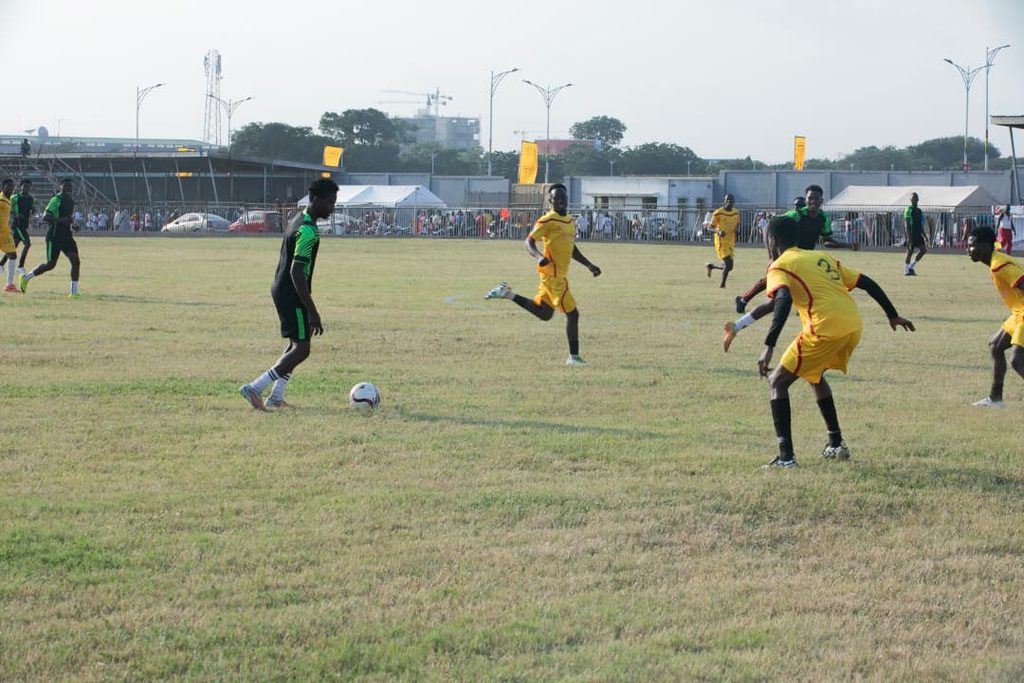
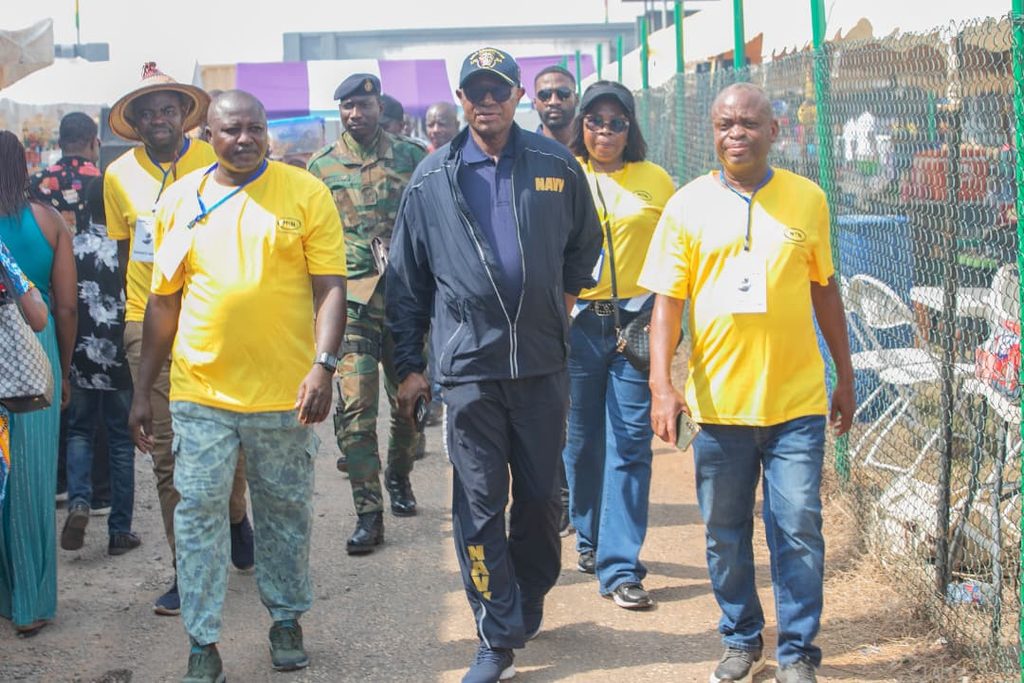
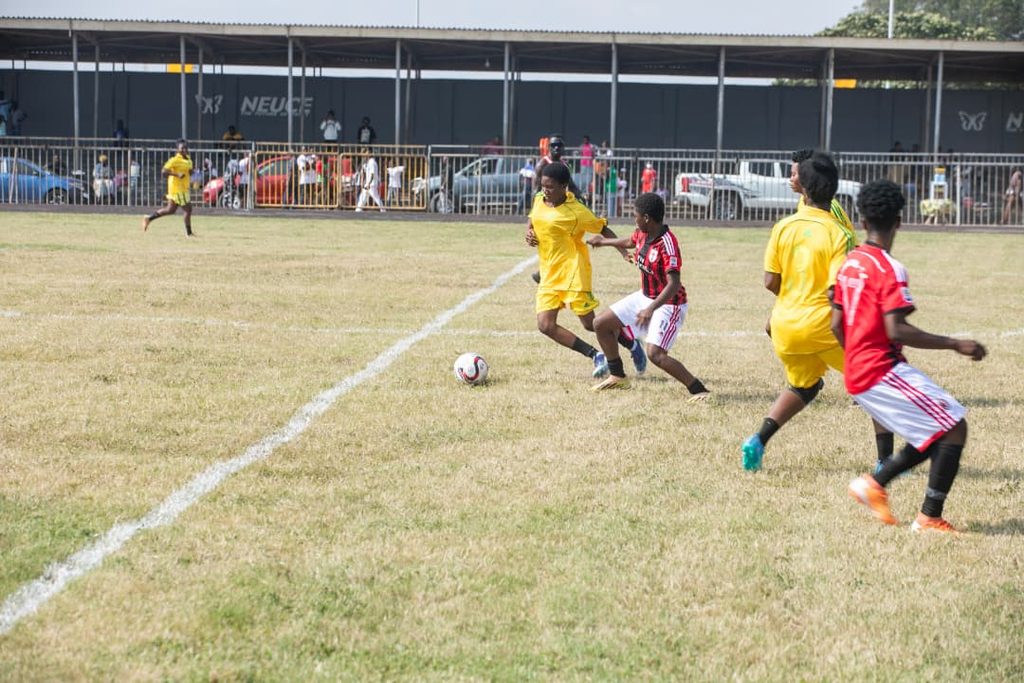
Held at the El-Wak Sports Stadium in Accra last Saturday, the games brought together members of the two ethnic groups from across Ghana and abroad for a colourful celebration under the theme, “Unity in Diversity: The Dagaaba-Frafra Model for Peaceful Co-existence.”

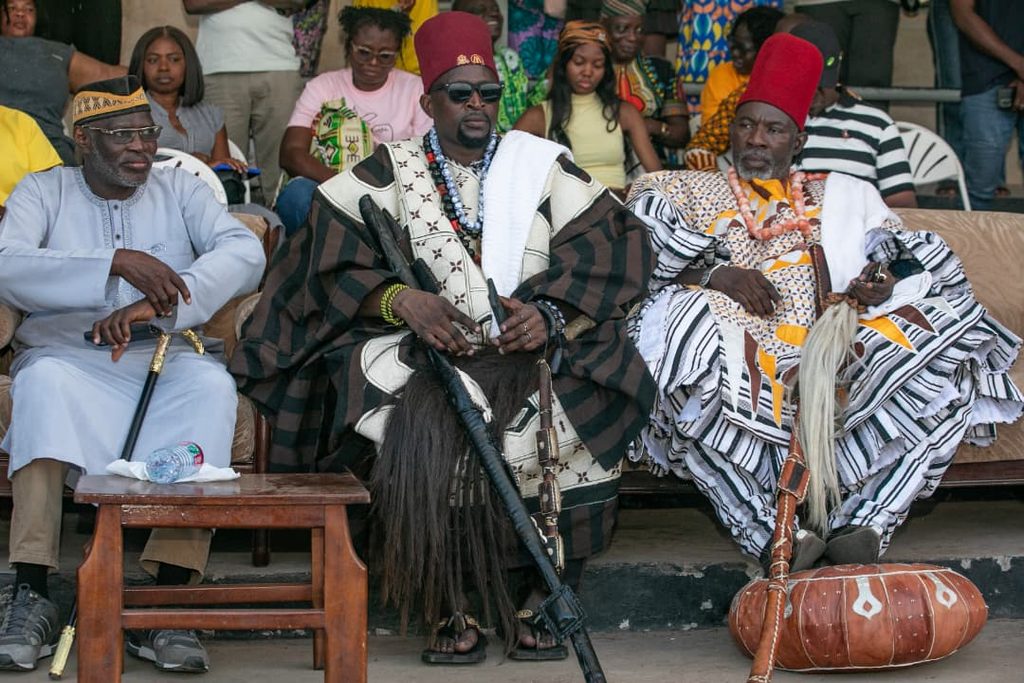
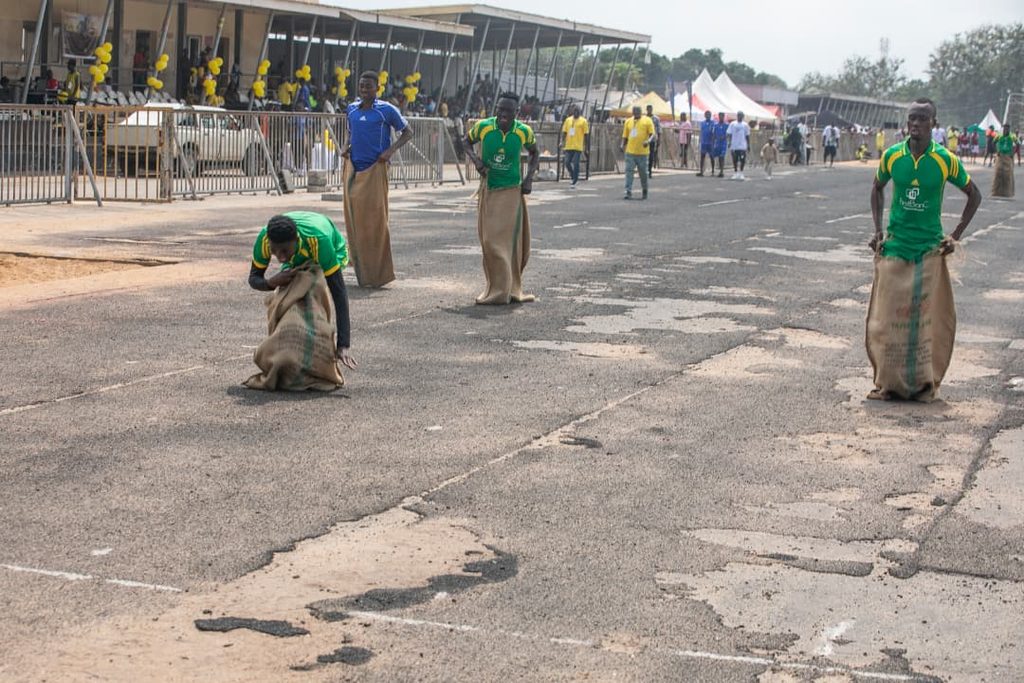
The event, which has evolved from a friendly football match into a major annual gathering, featured football, volleyball, sack races, lime and spoon, tug-of-peace and a penalty shootout for senior citizens.
At the end of the competitions, the Frafra won four events, while the Dagaaba secured victories in five, with the men’s soccer match ending in a draw.
The Frafra triumphed in the men’s lime and spoon, men’s sack race, women’s sack race and women’s soccer, while the Dagaaba won the women’s lime and spoon, men’s volleyball, women’s volleyball, women’s tug-of-peace and the senior citizens’ penalty shootout.

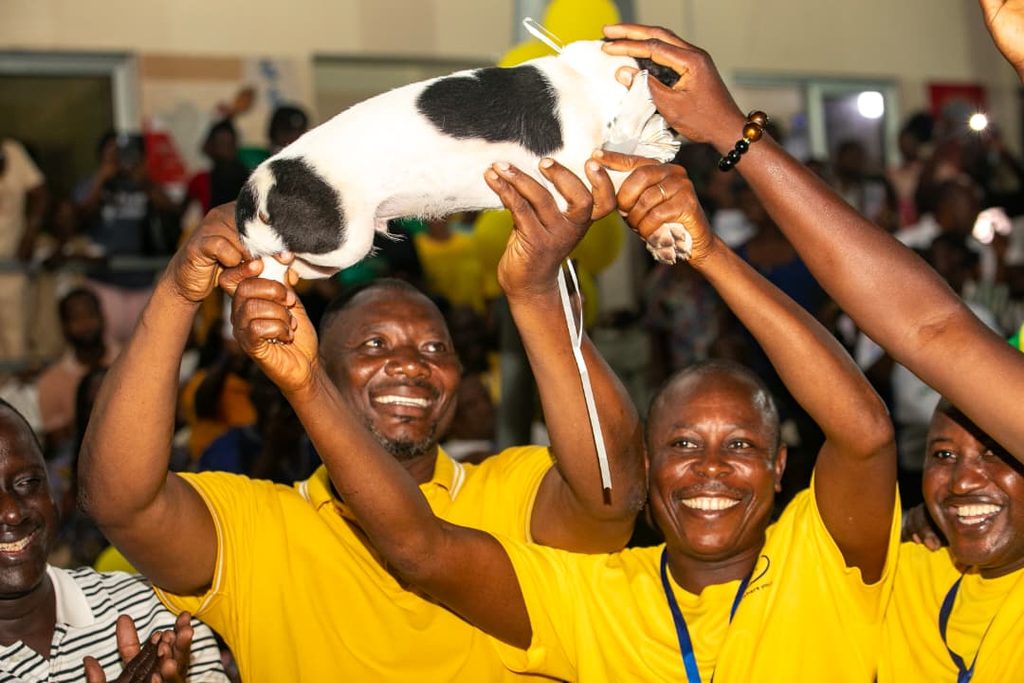
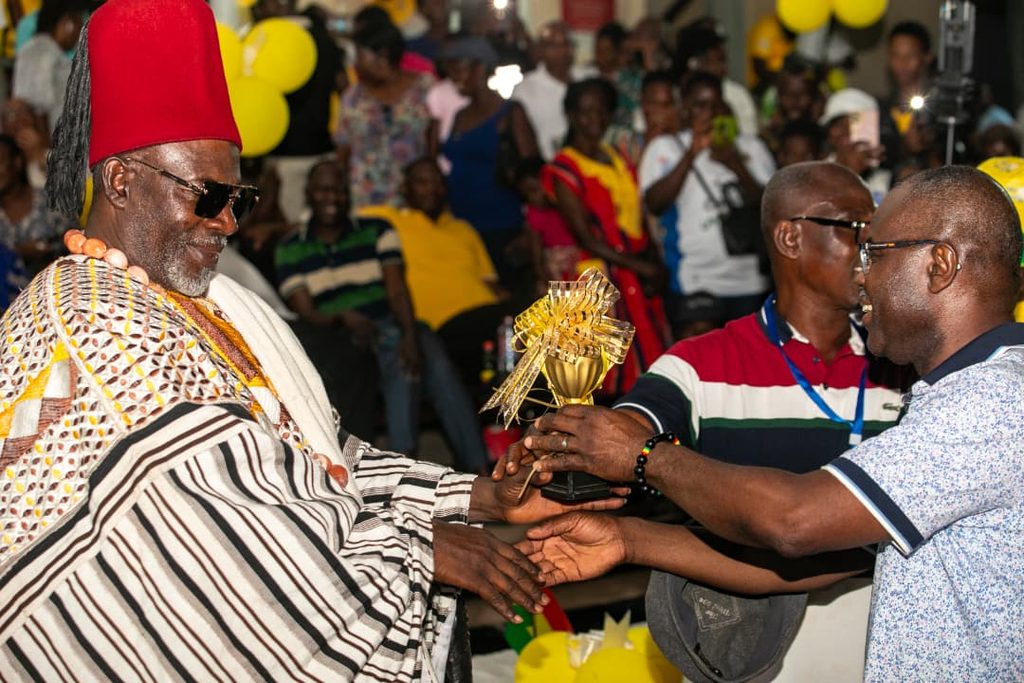
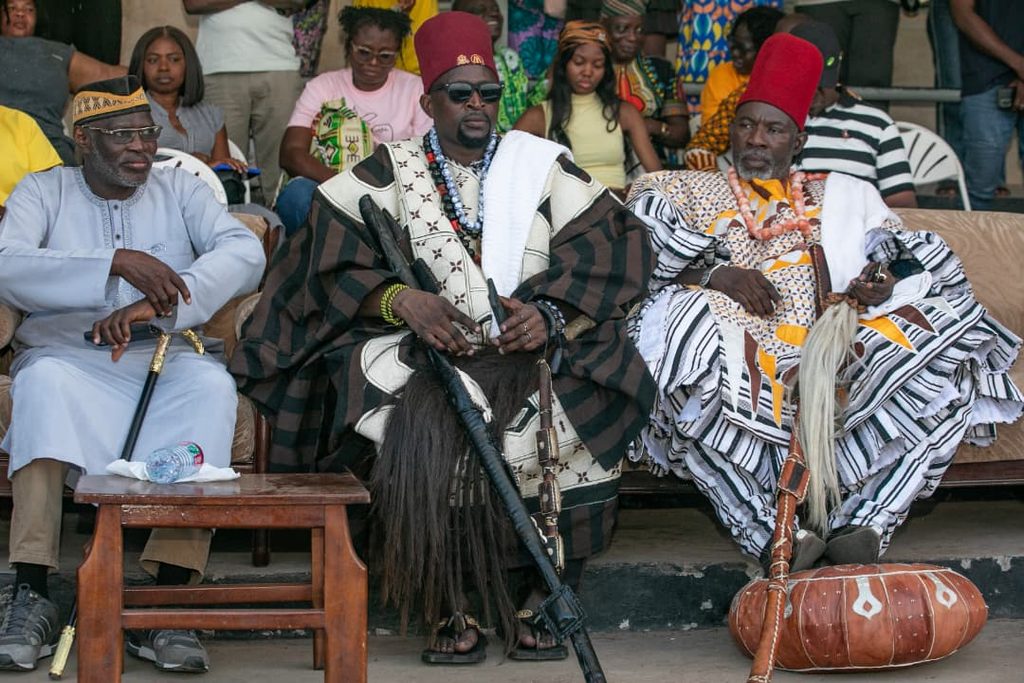
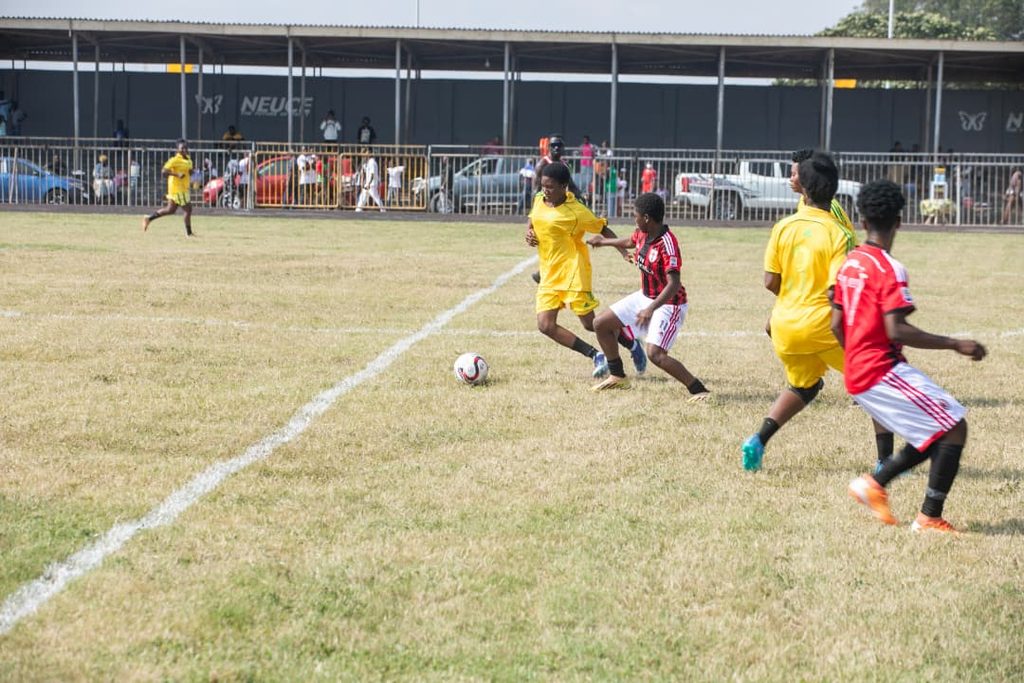
However, the games extended far beyond the sporting arena. The stadium grounds and surrounding spaces became a vibrant marketplace, with patrons enjoying and purchasing a variety of traditional foods, drinks and cultural products.
Local delicacies, including TZ, tubaani, bambara beans, pork, guinea fowl, local fowls, dog meat and kosie, were sold alongside traditional alcoholic beverages. Traditional dresses and other culturally inspired items also attracted buyers, turning the gathering into an important platform for small businesses and vendors to make sales while promoting northern Ghanaian culture.
The cultural exchange continued long after the final sporting contests, as patrons remained at the venue to eat, drink, socialise, dance and party well into the night.
In her remarks, the Guest of Honour, Dr Matilda Aberese-Ako, said the gathering represented much more than competition, describing the Dagaaba-Frafra relationship as a historic bond that had evolved into a modern sporting tradition and an instrument for peace.
MTN Ghana has been the headline sponsor for the games for the past 10 years.
By Gordon Wellu
By Gordon Wellu
SKIP THE QUEUE, TAP THE NEWS
You can now read the Ghanaian Times and The Spectator newspapers from the comfort of your device via TimesNewsPlus.
Join our WhatsApp Channel: https://whatsapp.com/channel/0029VbBElzjInlqHhl1aTU27

MTN Ghana has undertaken a tree-planting exercise at the Chipa Forest Reserve as part of its commitment to protecting the planet and support the restoration of degraded sections of the forest.
The activity forms part of the company’s 2026 Sustainability Month celebration held under the theme “Small Actions: Big Impact,” and its 30th anniversary celebration.


It was held in partnership with the Forestry Commission (FC) and the Rainforest Alliance with MTN Ghana supporting the restoration of approximately two hectares of degraded forest through the planting of 1,666 trees.
Due to the current dry weather conditions, 833 trees were planted during the exercise, with the remaining 833 to be planted when the rain commences.
The exercise brought together MTN employee volunteers, officials from the Forestry Commission and representatives of the Rainforest Alliance, demonstrating the importance of collaboration in driving environmental sustainability.
Speaking at the event, the Acting General Manager for Sustainability and Shared Value at MTN Ghana, Georgina Asare Fiagbenu, emphasized the critical role trees play in sustaining life and protecting the environment.
“Trees are essential to human survival and healthy ecosystems. They absorb carbon dioxide, release oxygen, regulate temperatures, protect soil, support biodiversity and provide habitats for many species. They also conserve water, reduce erosion and help communities adapt to the effects of climate change,” she said.
The District Manager of the Tema-Ada Forest Services Division of the Forestry Commission, Linda Ansah, welcomed MTN Ghana’s support, describing it as a valuable contribution to efforts aimed at restoring degraded sections of the reserve.
The Country Director of the Rainforest Alliance, Nicholas Jengri, also welcomed the partnership and emphasised the importance of collective action in addressing environmental challenges.
SKIP THE QUEUE, TAP THE NEWS
You can now read the Ghanaian Times and The Spectator newspapers from the comfort of your device via TimesNewsPlus.
Join our WhatsApp Channel: https://whatsapp.com/channel/0029VbBElzjInlqHhl1aTU27