News
Children with cleft not cursed – CEO of Korle-Bu

- /home/u249204778/domains/spectator.com.gh/public_html/wp-content/plugins/mvp-social-buttons/mvp-social-buttons.php on line 27
https://spectator.com.gh/wp-content/uploads/2024/08/Some-of-the-parents-with-their-children-cured-of-cleft-condition.jpg&description=Children with cleft not cursed – CEO of Korle-Bu', 'pinterestShare', 'width=750,height=350'); return false;" title="Pin This Post">
- Share
- Tweet /home/u249204778/domains/spectator.com.gh/public_html/wp-content/plugins/mvp-social-buttons/mvp-social-buttons.php on line 72
https://spectator.com.gh/wp-content/uploads/2024/08/Some-of-the-parents-with-their-children-cured-of-cleft-condition.jpg&description=Children with cleft not cursed – CEO of Korle-Bu', 'pinterestShare', 'width=750,height=350'); return false;" title="Pin This Post">
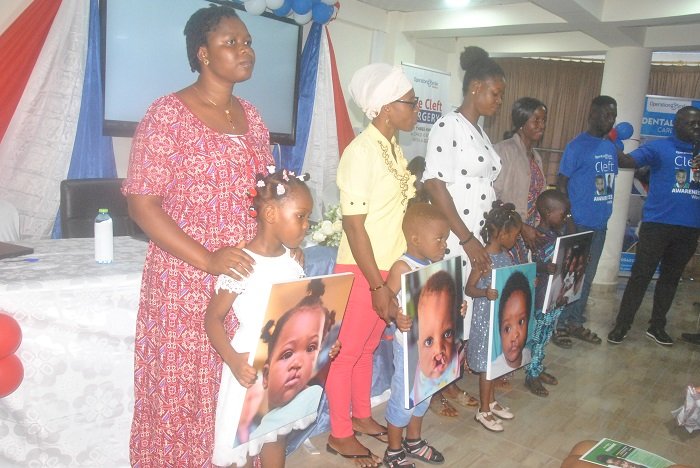
Some of the parents with their children cured of cleft condition
The Chief Executive Officer (CEO) of Korle-Bu Teaching Hospital (KBTH), Dr Opoku Ware Ampomah, has asked Ghanaians to disregard myths and misconceptions surrounding children born with cleft, insisting that such children are not cursed.
According to him, cleft was a medical condition that can be corrected by surgery within 45 minutes.
However, due to stigmatisation, parents of such children often hide them at home, denying them opportunity to receive treatment which later affect them in life.
Dr Ampomah made the disclosure last week at a press conference to mark the cleft awareness week observed on August 26-29, 2024.
Operation Smile is a global nonprofit service organisation that bridges the gap in access to essential surgeries and health care, starting with cleft surgery and comprehensive care.
It also provides medical expertise, training, mentorship, research and care through its dedicated staff and volunteers around the world, working alongside local governments, nonprofits and health systems, and supported by generous donors and corporate partner
The period was one the Operation Smile team will educate Ghanaians on various media platforms.
According Dr Ampomah most children with cleft were often said to have been stroked by an evil spirit, cursed, or were children born out of adultery or facing punishment from God.
But he indicated that “cleft is not a curse, it is a medical condition that is surgically correctable in a 45 minute surgery.”
He explained that cleft was a condition that occurs in the early stages of pregnancy, resulting the cleft lip or cleft palate.
Cleft lip is an opening or split in the upper lip that occurs when developing facial structures in an unborn baby do not close completely.
A cleft palate is an opening or split in the roof of the mouth that occurs when the tissue does not fuse together during development in the womb.
He said a child with cleft condition finds it difficult to breast feed, hear or speak and mostly produce nasal sounds when they speak.
Dr Ampomah, who is also the Medical Director for Operation Smile said the condition was caused genetically while there were also environmental factors that could cause it.
Some of the environmental factors, he said, were alcohol use, smoking, drug abuse and lack of vitamin B (folic acid) during pregnancy.
He said heavy metals and toxin from galamsey sites which pollute water bodies could result in cleft problems, adding that “with the ‘galamsey’ activities, I will not be surprised if there are increases in the cleft conditions, we do not have to wait for it to happen.”
Dr Ampomah said Operation Smile was the largest provider of cleft care in Ghana since it started operation in 2011, adding that it provides free and safe surgeries to both children and adults.
He advised women to stop taking unprescribed drugs and visit the hospital when there are challenges to avoid such conditions.
Mr Henry Quist, the Acting Country Manager of Operation Smile-Ghana, encouraged parents and guardians with cleft children to take advantage of their outreaches to correct the condition.
According to him, surgery could be performed on babies with cleft lip from three to six months and for those with palate, between nine and 12 months of birth.
By Jemima Esinam Kuatsinu




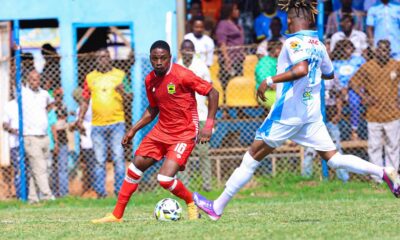

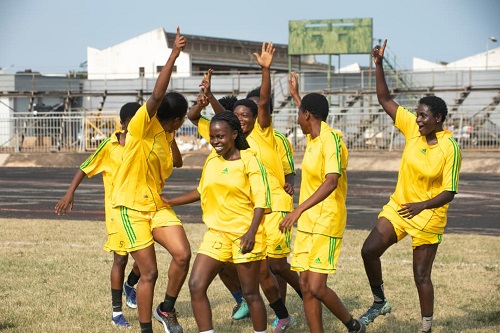
The 29th Annual Dagaaba-Frafra Friendly Games have once again demonstrated that sports can be a powerful vehicle for cultural preservation, business networking, friendship and peaceful coexistence.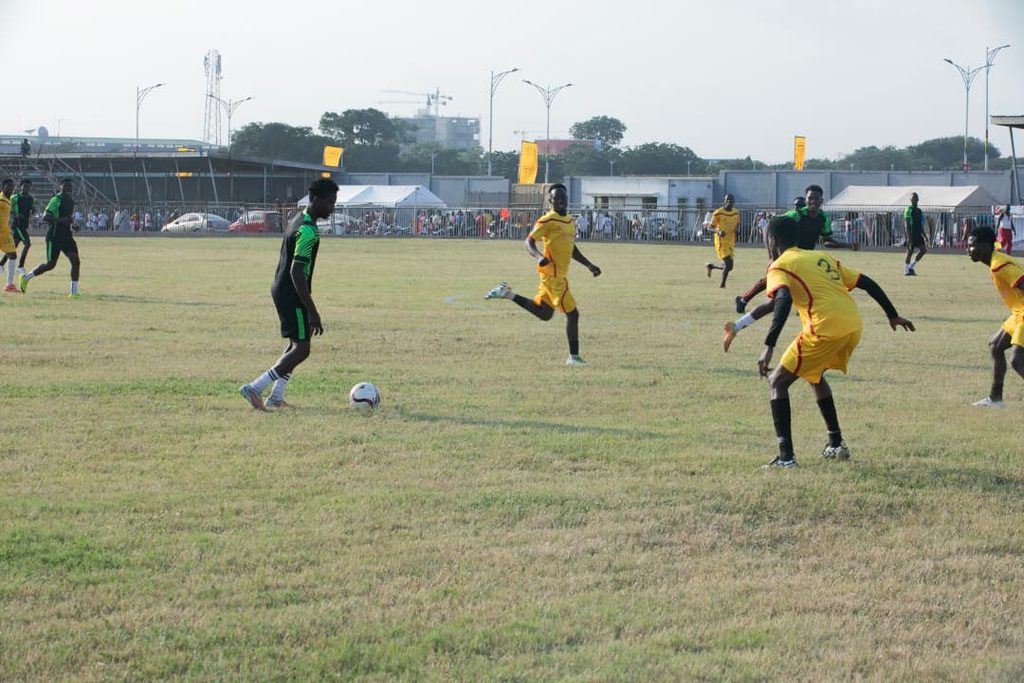
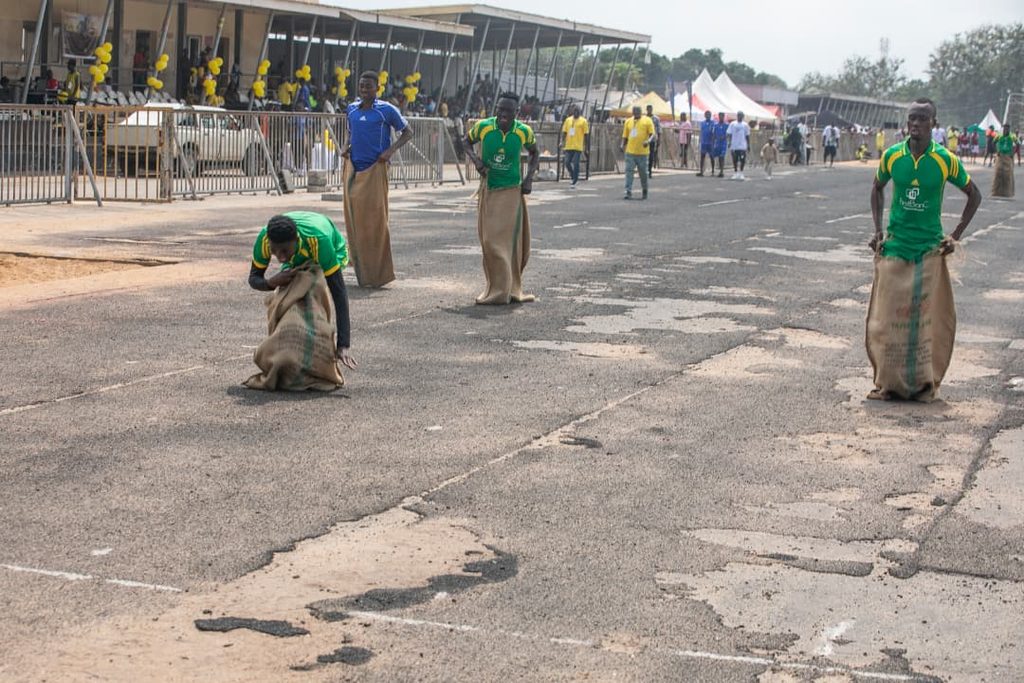
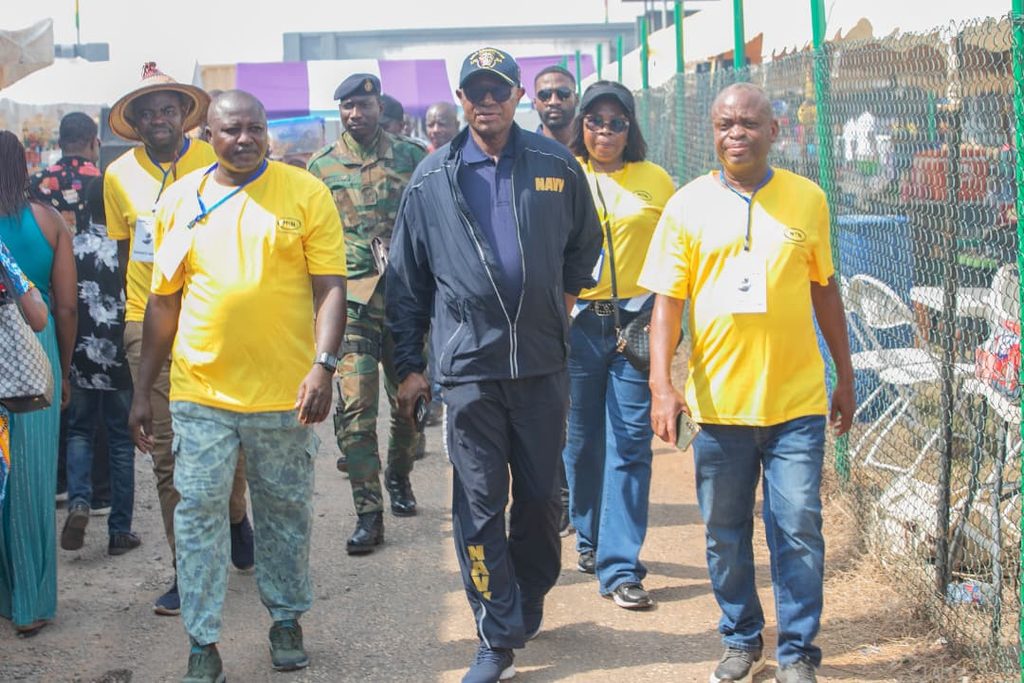
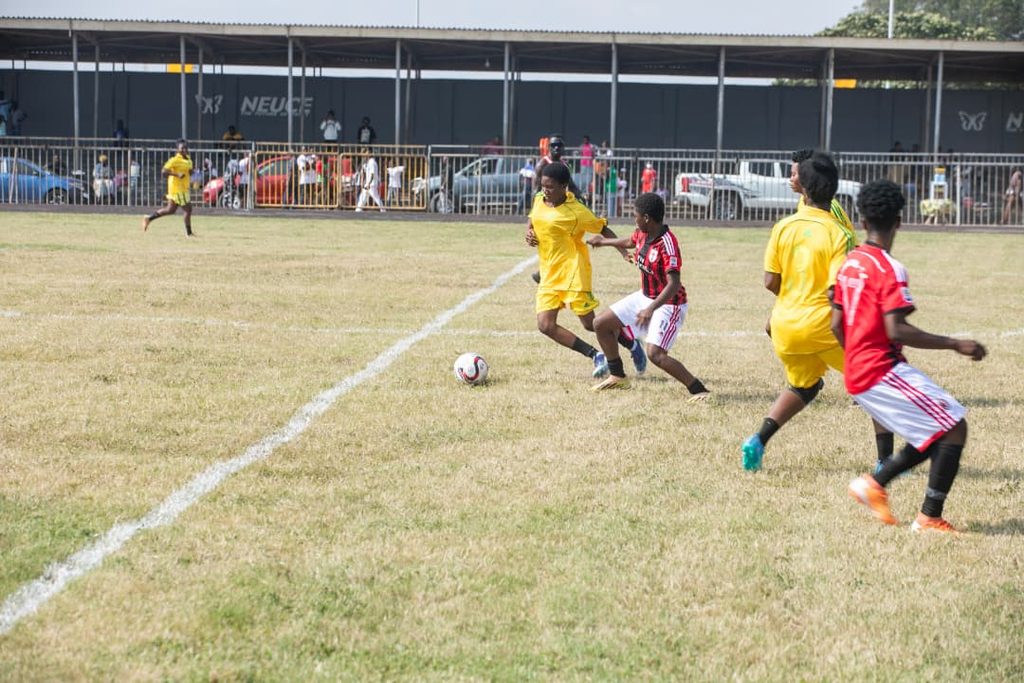
Held at the El-Wak Sports Stadium in Accra last Saturday, the games brought together members of the two ethnic groups from across Ghana and abroad for a colourful celebration under the theme, “Unity in Diversity: The Dagaaba-Frafra Model for Peaceful Co-existence.”

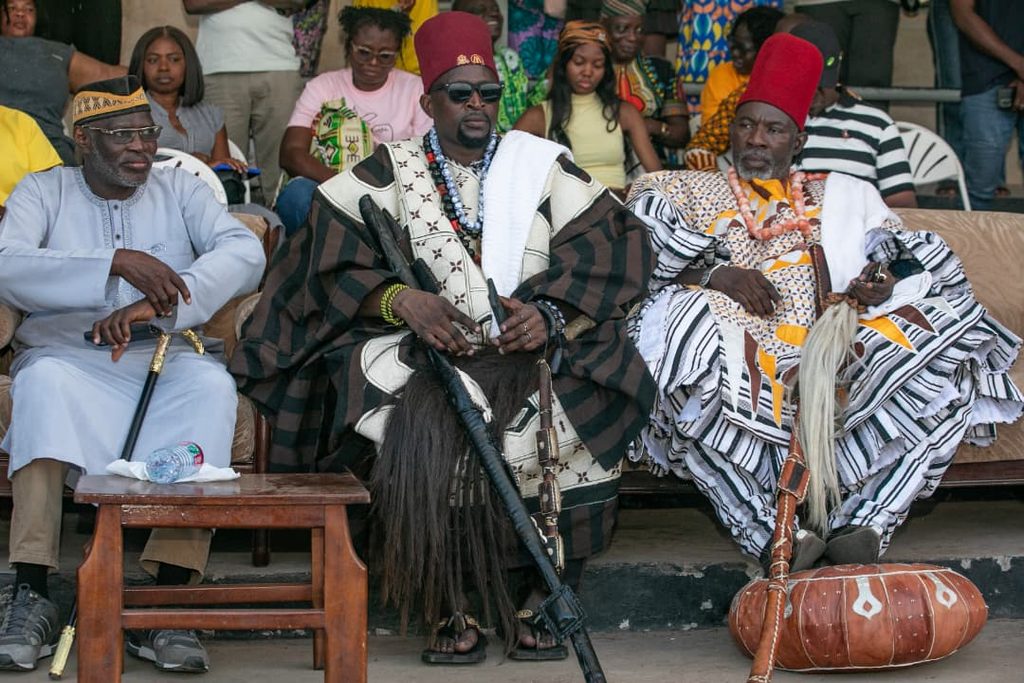
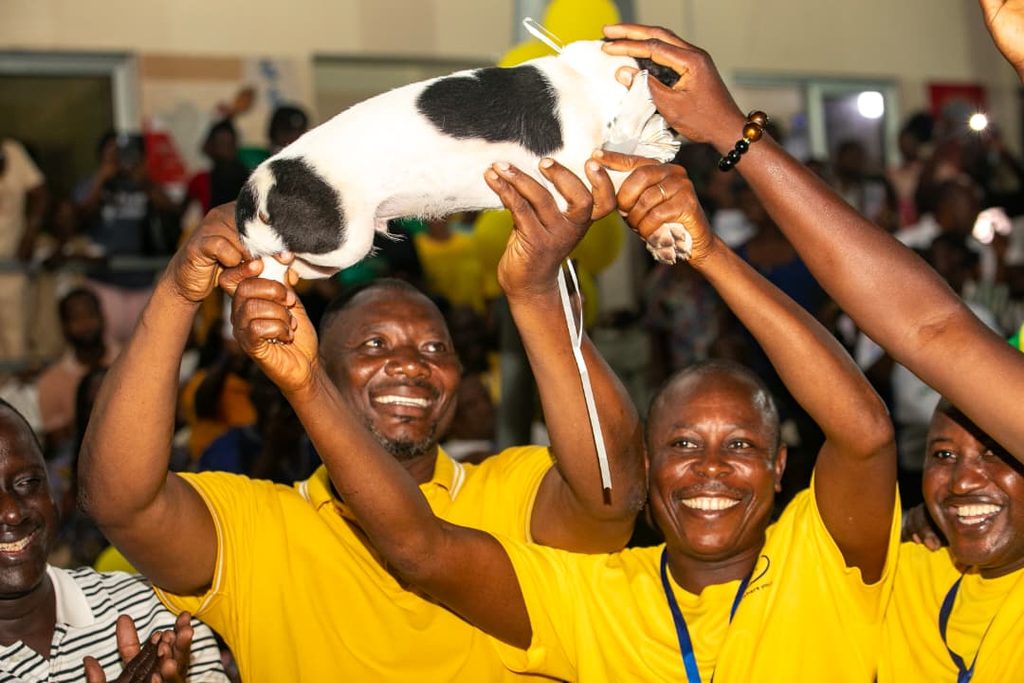
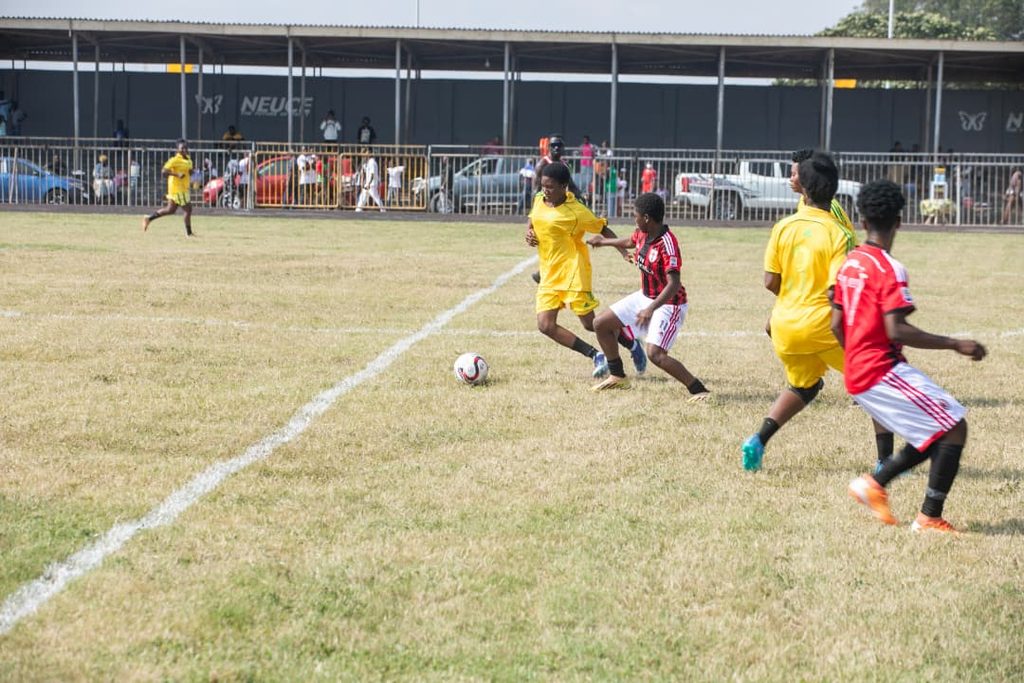
The event, which has evolved from a friendly football match into a major annual gathering, featured football, volleyball, sack races, lime and spoon, tug-of-peace and a penalty shootout for senior citizens.
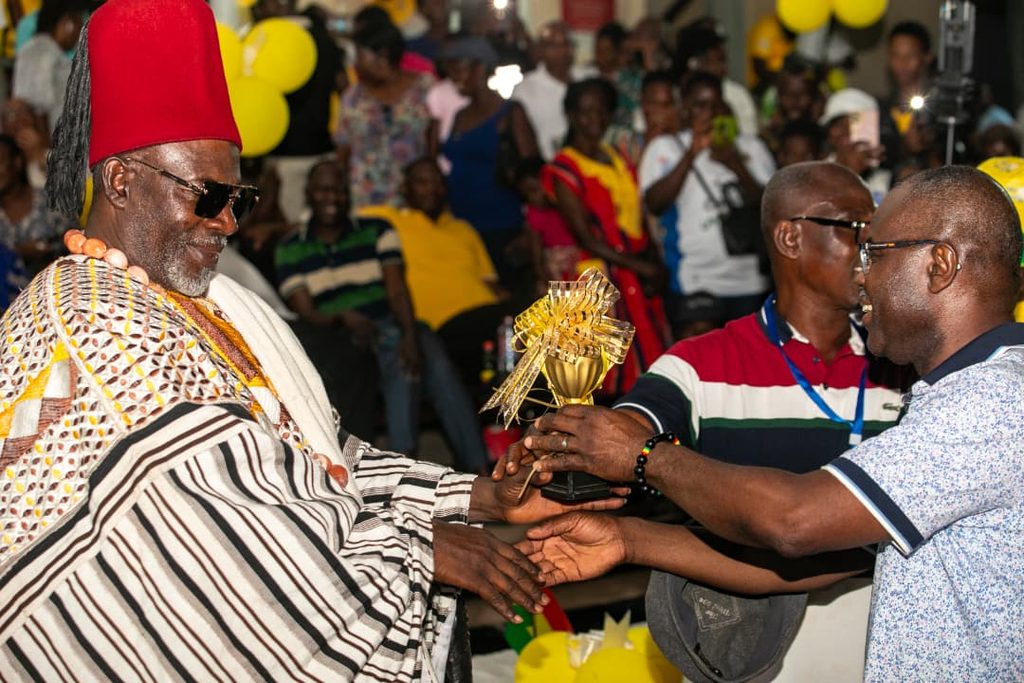
At the end of the competitions, the Frafra won four events, while the Dagaaba secured victories in five, with the men’s soccer match ending in a draw.
The Frafra triumphed in the men’s lime and spoon, men’s sack race, women’s sack race and women’s soccer, while the Dagaaba won the women’s lime and spoon, men’s volleyball, women’s volleyball, women’s tug-of-peace and the senior citizens’ penalty shootout.

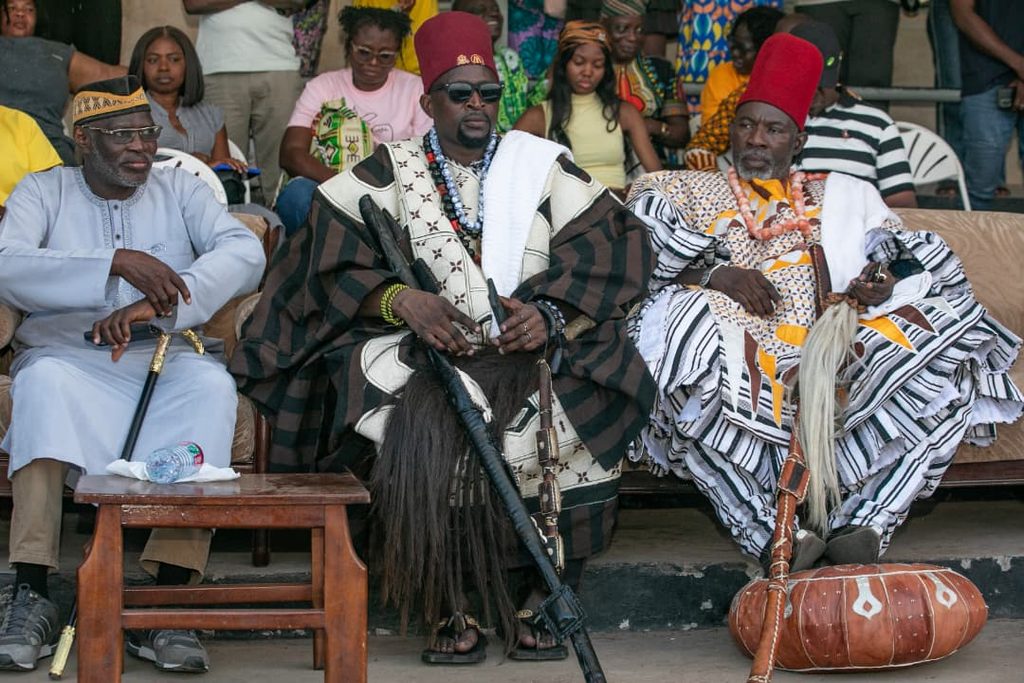
However, the games extended far beyond the sporting arena. The stadium grounds and surrounding spaces became a vibrant marketplace, with patrons enjoying and purchasing a variety of traditional foods, drinks and cultural products.
Local delicacies, including TZ, tubaani, bambara beans, pork, guinea fowl, local fowls, dog meat and kosie, were sold alongside traditional alcoholic beverages. Traditional dresses and other culturally inspired items also attracted buyers, turning the gathering into an important platform for small businesses and vendors to make sales while promoting northern Ghanaian culture.
The cultural exchange continued long after the final sporting contests, as patrons remained at the venue to eat, drink, socialise, dance and party well into the night.
In her remarks, the Guest of Honour, Dr Matilda Aberese-Ako, said the gathering represented much more than competition, describing the Dagaaba-Frafra relationship as a historic bond that had evolved into a modern sporting tradition and an instrument for peace.
MTN Ghana has been the headline sponsor for the games for the past 10 years.
By Gordon Wellu
By Gordon Wellu
SKIP THE QUEUE, TAP THE NEWS
You can now read the Ghanaian Times and The Spectator newspapers from the comfort of your device via TimesNewsPlus.
Join our WhatsApp Channel: https://whatsapp.com/channel/0029VbBElzjInlqHhl1aTU27

MTN Ghana has undertaken a tree-planting exercise at the Chipa Forest Reserve as part of its commitment to protecting the planet and support the restoration of degraded sections of the forest.
The activity forms part of the company’s 2026 Sustainability Month celebration held under the theme “Small Actions: Big Impact,” and its 30th anniversary celebration.


It was held in partnership with the Forestry Commission (FC) and the Rainforest Alliance with MTN Ghana supporting the restoration of approximately two hectares of degraded forest through the planting of 1,666 trees.
Due to the current dry weather conditions, 833 trees were planted during the exercise, with the remaining 833 to be planted when the rain commences.
The exercise brought together MTN employee volunteers, officials from the Forestry Commission and representatives of the Rainforest Alliance, demonstrating the importance of collaboration in driving environmental sustainability.
Speaking at the event, the Acting General Manager for Sustainability and Shared Value at MTN Ghana, Georgina Asare Fiagbenu, emphasized the critical role trees play in sustaining life and protecting the environment.
“Trees are essential to human survival and healthy ecosystems. They absorb carbon dioxide, release oxygen, regulate temperatures, protect soil, support biodiversity and provide habitats for many species. They also conserve water, reduce erosion and help communities adapt to the effects of climate change,” she said.
The District Manager of the Tema-Ada Forest Services Division of the Forestry Commission, Linda Ansah, welcomed MTN Ghana’s support, describing it as a valuable contribution to efforts aimed at restoring degraded sections of the reserve.
The Country Director of the Rainforest Alliance, Nicholas Jengri, also welcomed the partnership and emphasised the importance of collective action in addressing environmental challenges.
SKIP THE QUEUE, TAP THE NEWS
You can now read the Ghanaian Times and The Spectator newspapers from the comfort of your device via TimesNewsPlus.
Join our WhatsApp Channel: https://whatsapp.com/channel/0029VbBElzjInlqHhl1aTU27