Sports
When the sports journalist becomes enemy of the game

- /home/u249204778/domains/spectator.com.gh/public_html/wp-content/plugins/mvp-social-buttons/mvp-social-buttons.php on line 27
https://spectator.com.gh/wp-content/uploads/2020/10/Protection-1.jpg&description=When the sports journalist becomes enemy of the game', 'pinterestShare', 'width=750,height=350'); return false;" title="Pin This Post">
- Share
- Tweet /home/u249204778/domains/spectator.com.gh/public_html/wp-content/plugins/mvp-social-buttons/mvp-social-buttons.php on line 72
https://spectator.com.gh/wp-content/uploads/2020/10/Protection-1.jpg&description=When the sports journalist becomes enemy of the game', 'pinterestShare', 'width=750,height=350'); return false;" title="Pin This Post">
At his victory speech, the just-crowned Ghana Journalists Association (GJA) 2019 Journalist of the Year, Samson Lardy Anyenini, made a momentous statement on the need to protect journalists.
“During the elections, when for some reason someone asks you to bring your recorder for it to be destroyed, do not give it to them. Let them know that if you are in the wrong, then they should report you to the police,” he stressed.
Though he was speaking with regard to the protection of journalists, especially during the forthcoming national elections, it still sinks into the issue at stake for discussion.
In a matter of two weeks, the 2020-21 Ghana Premier League (GPL) season will roar off at the various centres, football-crazy Ghanaians having to wait for about eight months to have their beloved game back – due to the COVID-19 outburst.
Good news is that on November 13, the GPL will kick-start at the respective centres. It had been put on ice since March, this year.
Indeed, Ghana was not the only country fatally hit by the pandemic. The virus swallowed up the world. Luckily, like many countries, Ghana appears to have waltzed out of danger (though not out of the woods yet) and it is the reason the government has lifted the ban on the nation’s most passionate game – albeit only 25 per cent of a stadium’s fan capacity will be permitted on match days.
Such safety protocols is understandable since COVID-19 is still on the rampage and cannot be taken for granted.
Anyway, the import of this piece is to caution the hoodlums and hooligans and sometimes club officials to desist from attacking sports journalists who come to cover the games, as it occurred in the past seasons. The simple message too is that – just like the national elections, no reporter should be cowed to hand over their recorders and cameras because they made critical remarks against a club, players or officials.
For such miscreants, the sports journalist does not have an opinion; they do not have a voice, and therefore become major targets during games. Such journalists may have reported on incidents that the affected parties wanted ‘hidden’ and it is enough ground for all kinds of physical and verbal onslaughts.
They do not care a hoot that through their skill and dexterity, sports journalists visually bring the game home to those who could not be present physically – and ultimately giving the fan some sense of relief and conviviality.
Again, for such goons, the sports journalist should only have a voice if their submissions are favourable to their clubs, players and officials. Anything less than pandering to their whims and caprices, is not tolerable!
There are a panoply of cases to buttress the aforementioned assertions.
Last year, maybe two seasons ago, we were horrified and disgusted at two sad developments during the domestic Premier League. The first one was the frequent attacks on sports journalists covering football games and two, the loud silence by the Ghana Football Association (GFA) on these vicious happenings.
The other time, it was the leading female camerawoman Senyuiedjorm Adadevoh, who was prevented by some hoodlums from covering a Premier League game involving Accra Great Olympics and Wa All Stars fifth week game.
What was Senyuiedzorm’s crime? The award-winning photographer, who is as harmless as a trash-talking flower, was badgered on and shoved aside by a section of the fans to have sent out off-putting reports about the club during an earlier league game against Bechem United in their 1-3 home defeat.
That incident received wide condemnation from the public and journalists alike. But it ended there, dying a silent agonising death as usual. She felt let-down by the inaction of authorities that should have taken up the matter to its logical conclusion.
A cameraman of Accra Hearts of Oak, Daniel Boakye, was also not spared some brutality during the club’s Presidential Cup game with Kumasi Asante Kotoko at the Baba Yara Sports Stadium, because he was alleged to have taken ‘negative’ shots of fan violence. He got no justice.
Not too long after, it was the turn of Kotoko Express photojournalist Gideon Boakye to face the wrath of misguided fans at Dormaa Ahenkro during a league match against Aduana Stars. Once again, it was the case of taking ‘antagonistic’ photos. This same lad has had the discomfort of being subjected to physical attacks at Obuasi, Tarkwa, Tema and Cape Coast.
The disconcerting aspect of it all is that these dreadful attacks on journalists usually take place in the full glare of security officers, club officials of the home team and even officials of the Ghana Football Association (GFA).
Sadly, after visiting their unprovoked wrath on the harmless journalists (who are only there to do their professional duty by bringing information to the public), they regally walk away scot-free – sometimes amid threats of more terror if anybody dares.
The $64,000-dollar question is, for how long would this barbarism continue while we bury our heads like self-effacing ostriches? Do we not care again about the security of our game? Are we not concerned any longer about the growth and development of our game?
Do our fans know the role journalists or media men play to the expansion and promotion of the game?
President of the Sports Writers Association of Ghana (SWAG), Kwabena Yeboah, and well-meaning big wigs in football, have on umpteenth number of times, condemned the senseless attacks on journalists covering games – but the ugly practice had proceeded unabated.
So, the issue is no more about condemnation. It is no more about denunciation and open disapproval. It is about acting now! It is about arresting these stadium hoodlums, prosecuting them and putting them behind bars. That is the only way our game would be cleansed and respected worldwide.
Henceforth, we expect the GFA and the security services to collaborate to ensure that these rascals masquerading as fans are immediately apprehended and made to face the full rigours of the law when the league resumes from the ‘COVID-19 break.’
Failure to do that, the much-talked-about GFA’s ‘BringBackTheLove’ campaign – aimed at igniting passion for Ghana football, cannot be complete. Would there be any love when sports journalists and cameramen, who are working their fingers to the bone in a bid to project the game to the world, are abused and battered?
Certainly, not!
CAPTION:
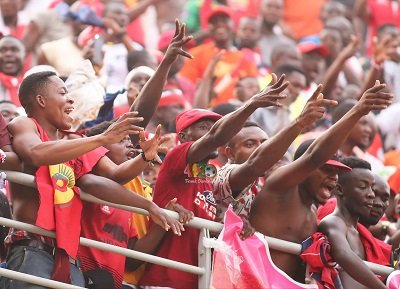
Ghanaian fans must see sports journalists as partners in development


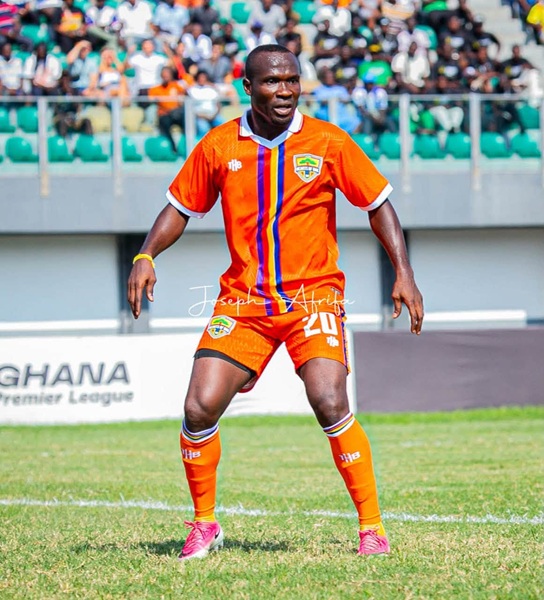
Accra Hearts of Oak and Dreams FC will headline Matchday 5 of the Ghana Premier League when the two sides meet at the University of Ghana Sports Stadium tomorrow, with both clubs seeking a result that could shape their early season campaign.
The encounter comes at a crucial moment for the two sides with the Phobians looking to recover from their first defeat of the campaign and Dreams still searching for their first victory after four matches.
The Rainbow lads started the season strongly but were beaten 1-0 by Karela United last weekend, while Dreams suffered a slim 1-0 defeat to Bechem United.
Hearts had earlier recorded impressive victories over Berekum Chelsea and Bibiani Gold Stars before drawing goalless with Bechem United, leaving the club with seven points from their opening four matches.
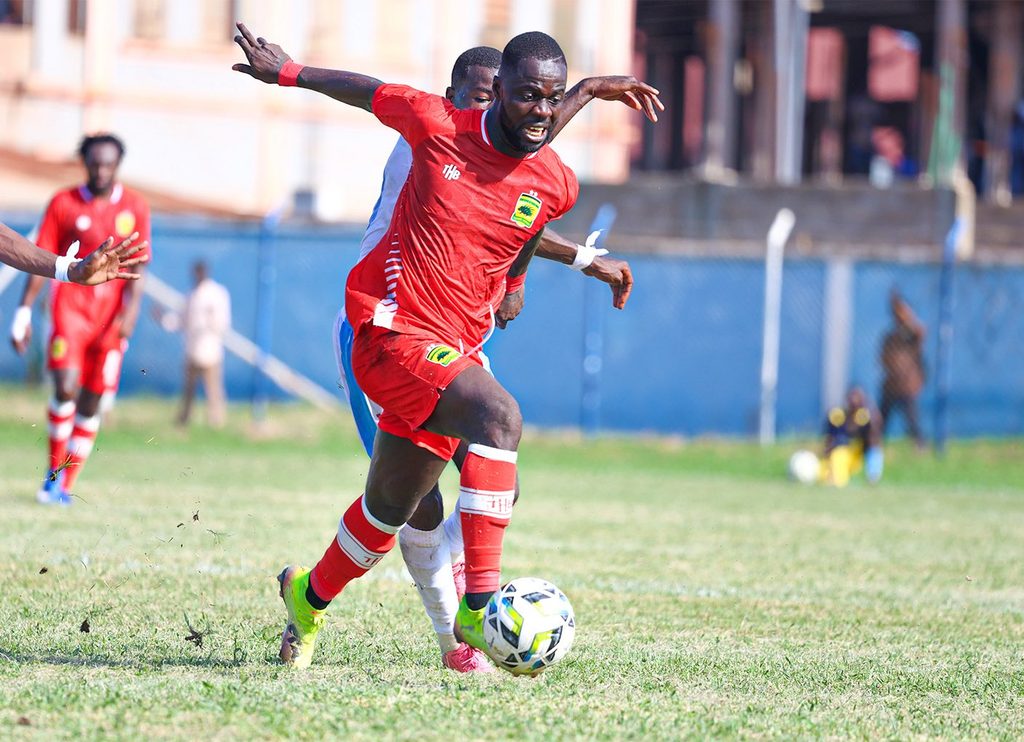
Their defeat at Karela United, however, means they will be under pressure to quickly return to winning ways against a Dreams side determined to make home advantage count.
Dreams, meanwhile, have endured a difficult beginning to the campaign and will see tomorrow’s fixture as an opportunity to change their fortunes.
The ‘Still Believe’ side have collected points from only their opening draws and are yet to register a victory, making the meeting with one of the country’s traditional giants an important test of their character.
Elsewhere, Vision FC will welcome Bibiani Gold Stars to the Nii Adjei Kraku II Sports Complex today, with both teams looking to strengthen their positions.
Vision have shown encouraging form in the early stages, while Gold Stars will be seeking a response after suffering a 2-0 home defeat to newcomers Port City FC.
At the Debibi Presby Park, newly promoted Debibi United will face defending champions Medeama SC tomorrow.
Medeama finally opened their account with a convincing 4-1 victory over Basake Holy Stars and will be hoping that the result marks the beginning of a stronger title defence.
Port City FC will continue their impressive debut campaign when they host Bechem United at the Daasebere Boamah Darko II Park.
Basake Holy Stars will attempt to recover from their heavy defeat to Medeama when they host Berekum Chelsea at the Ampain AAK II Sports Arena.
Aduana FC will welcome Swedru All Blacks to the Nana Agyemang Badu I Park after producing one of the weekend’s most notable results last Sunday.
At the Kpando Stadium, Heart of Lions will host FC AshantiGold ’04 in another meeting between sides coming off victories.
FC Samartex 1996 will meanwhile welcome Young Apostles FC to the Nsenkyire Sports Arena, with the home side seeking to maintain their unbeaten start to the campaign.
By Enoch Ntiamoah Siaw
SKIP THE QUEUE, TAP THE NEWS
You can now read the Ghanaian Times and The Spectator newspapers from the comfort of your device via TimesNewsPlus.
Join our WhatsApp Channel: https://whatsapp.com/channel/0029VbBElzjInlqHhl1aTU27
Tuesday, September 29, 2026 would go into the annals of Ghana football as one of the darkest days for the Black Stars.
In an AFCON 2027 qualifier against The Gambia, the Black Stars did not only break the hearts of the fans, but conceded a defeat that left followers with sleepless nights.
Coming from a Matchday 1 defeat to the Elephants of La Cote d’Ivoire in Bouake, the outcome of the second game against The Gambia was one that was non-negotiable.
It had the ability to spark a revival to contend for one of the slots for the next AFCON showpiece.
The Gambia is a formidable side but definitely, not one to have frustrated Ghanaians to watch in pain and awe the Black Stars lose a game from a winning position.
That is a possibility in the game of football but when the stakes are high in such cases, it becomes unacceptable to the fans.
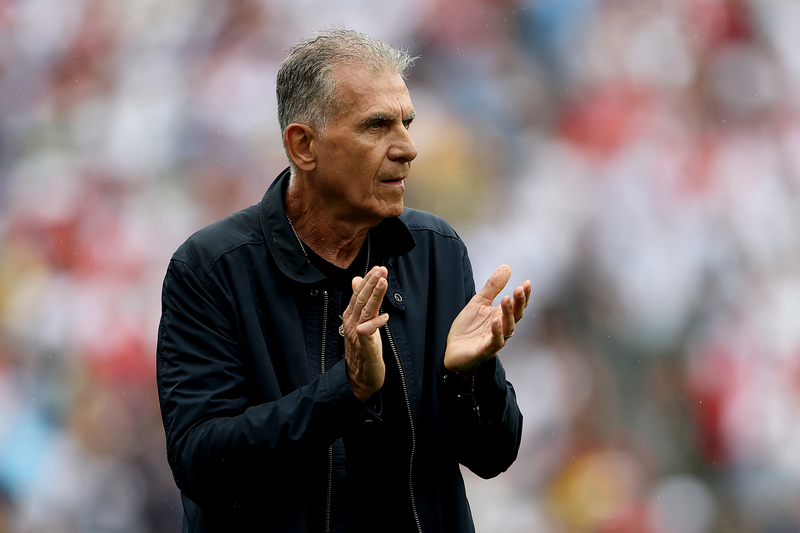
And grievously has Carlos Queiroz answered the massive call for his resignation.
At his post-match press conference, he made it clear that bowing out was the easiest decision but insisted that would not solve the myriad problems facing the Black Stars.
For the coach to be fired two days after that declaration raises a lot of concerns as he seem to be aware of existing problems the FA may even not know.
Unfortunately, coaches over the years have always been sacrificial lambs in situations of this nature but when he talks about particular problems affecting the team, his sack leaves much to be desired.
That aside, it is important to also take another look at the country’s pool of players, both local and foreign based.
Some of us have been advocates for forming the Black Stars around the ever-present local players who may lack the skill, finesse and flamboyance believed to give the foreign based players the edge over their local counterparts.
The locals, however, compensate that with their commitment and dedication.
Sadly, it appears this consistent call have fallen on deaf ears and no one wants to give any attention to that.
If the fear is that results would be poor, then that would be no excuse again following outcomes of the Stars in their last two games.
From what was witnessed in Bouake and Accra, one can confidently boast that there isn’t much difference between the foreign based players and the locals.
If there is any, it would probably be the treatment given to the two sets of players.
The call on the FA now is to give major consideration to the local players. Any coach that sees no good in the local players must have no business handling the national team.
That does not also shut the door on the ‘foreigners’. We witnessed how the early 90s teams were beautifully blended to have a formidable team.
It is time the FA goes back to the basics. With the locals, there can be more camps, leading to improved cohesion. Any foreign based player invited must settle into the team quickly and make a difference. That is the only way to rescue the Black Stars from its free fall.
By Andrew Nortey
SKIP THE QUEUE, TAP THE NEWS
You can now read the Ghanaian Times and The Spectator newspapers from the comfort of your device via TimesNewsPlus.
Join our WhatsApp Channel: https://whatsapp.com/channel/0029VbBElzjInlqHhl1aTU27