News
We’re Not Interfering …1992 Constitution Is Bigger Than You – Supreme Court To Parliament

- /home/u249204778/domains/spectator.com.gh/public_html/wp-content/plugins/mvp-social-buttons/mvp-social-buttons.php on line 27
https://spectator.com.gh/wp-content/uploads/2022/03/439765286_116639.jpg&description=We’re Not Interfering …1992 Constitution Is Bigger Than You – Supreme Court To Parliament', 'pinterestShare', 'width=750,height=350'); return false;" title="Pin This Post">
- Share
- Tweet /home/u249204778/domains/spectator.com.gh/public_html/wp-content/plugins/mvp-social-buttons/mvp-social-buttons.php on line 72
https://spectator.com.gh/wp-content/uploads/2022/03/439765286_116639.jpg&description=We’re Not Interfering …1992 Constitution Is Bigger Than You – Supreme Court To Parliament', 'pinterestShare', 'width=750,height=350'); return false;" title="Pin This Post">
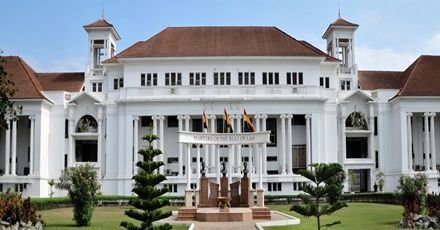
The Supreme Court (SC) by a unanimous decision on Wednesday, March 9, ruled that Deputy Speakers presiding over proceedings in Parliament can vote on issues and be counted as part of a quorum for decision-making.

This ruling has however been criticized by the Minority as their Leader, Haruna Iddrisu described it as “a judicial support of President Nana Akufo-Addo’s E-Levy that he is labouring to pass”.
While some critics have described it as an affront to the principle of separation of powers. Others also claim the SC has no jurisdiction.
Former President John Dramani Mahama, in his remarks, said the decision by the court can affect the independence of the legislative arm of government and could even affect deliberations in the House.
However, the Supreme Court in its ruling said: “parliamentary standing orders are subservient to the Constitution and in any case, no arm of Government or agency of the State, including Parliament, is a law unto itself because, without exception, everyone and everything in Ghana is subject to the Constitution”
According to the SC, “the Constitution in Article 2 confers on any person who alleges that an act or omission of any person is inconsistent with any provision of the Constitution the right to apply to this Court for a declaration to that effect”.
“Framers of successive Constitutions of Ghana have consistently moved in one direction, away from Parliamentary sovereignty towards constitutional supremacy, wherein sovereignty resides in the people of Ghana and no authority or institution is above the law.”
The apex court further indicated that “an allegation that Parliament has acted and/or is acting in a manner that is inconsistent with, in contravention of and/or ultra vires to the Constitution, will render Parliament, the actions, orders, rules, procedures, or practices of Parliament that contradict, are inconsistent with, or purport to confer on Parliament, powers not vested by the Constitution, will sin against Articles 1(2), 2(1) of the Constitution”.

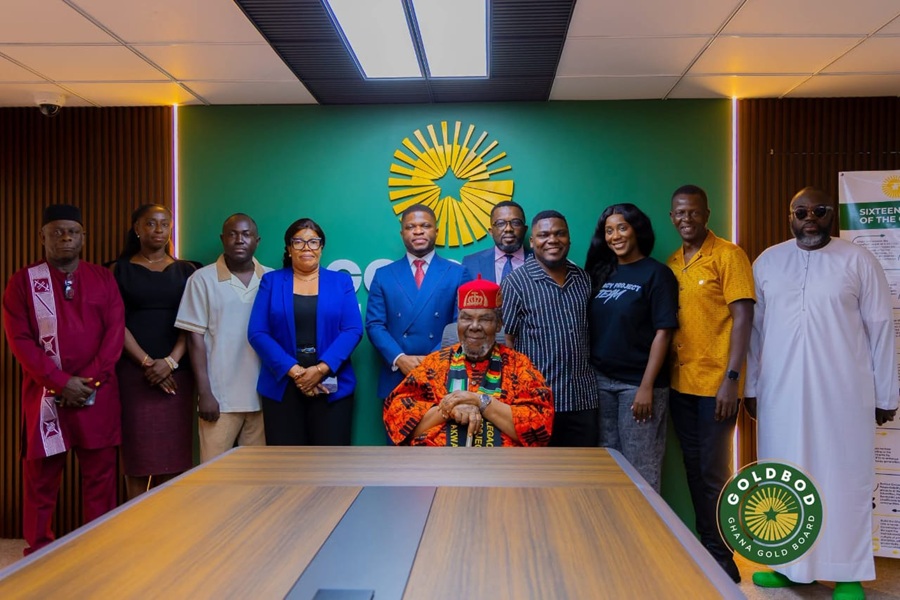
Veteran Nigerian actor and African screen legend, Pete Edochie, has paid a courtesy call on the Chief Executive Officer of the Ghana Gold Board (GoldBod), Sammy Gyamfi, during his visit to Ghana.
Edochie is in Ghana to launch the African Legacy Project, which includes a book, documentary film and an African Youth Mentorship Initiative targeting about 500,000 young people across the continent.
Mr. Gyamfi welcomed the opportunity for GoldBod to support the mentorship initiative, noting that it aligns with the Board’s Special Intervention Programme and its focus on social impact and economic empowerment.
GoldBod’s work is also referenced in Pete Edochie’s new book, which highlights Ghana’s efforts to ensure its gold resources contribute to national development.
By Edem Mensah-Tsotorme
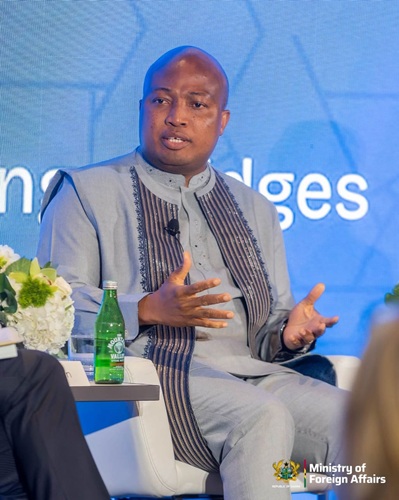
The Ministry of Foreign Affairs has warned Ghanaians seeking employment in Zambia to be cautious of fraudulent job offers that could expose them to human trafficking and forced involvement in cybercrime.
The warning follows the arrest of six Ghanaians in Lusaka, Zambia, during a joint operation by the Zambia Police Service, the Drug Enforcement Commission and the Department of Immigration on August 23, 2026.
According to the Ministry, the operation targeted a facility suspected of being involved in organised cybercrime activities and led to the arrest of 79 people, including 10 Zambians and 69 foreign nationals.
The Ministry said six of the foreign nationals arrested were Ghanaians.
It explained that reports received by the Ghana High Commission in Lusaka indicated that some of those arrested had been recruited through what appeared to be legitimate employment opportunities, including online data entry jobs.
However, the Ministry said some were allegedly forced into online scam activities after their passports were confiscated by their employers.
It warned that the situation highlights how human trafficking groups are using fake employment opportunities to lure unsuspecting job seekers into illegal activities.
The Ministry has therefore advised Ghanaians travelling to Zambia or seeking employment there to thoroughly verify job offers, recruitment agencies and prospective employers before travelling.
Ghanaians living in Zambia have also been urged to remain vigilant when responding to online job opportunities and maintain regular contact with the Ghana High Commission in Lusaka for consular assistance when necessary.
The Ministry said the government remains committed to protecting the welfare and interests of Ghanaians travelling to or living outside the country.
By: Jacob Aggrey