Health Essentials
Watch out! HPV is lurking in the dark

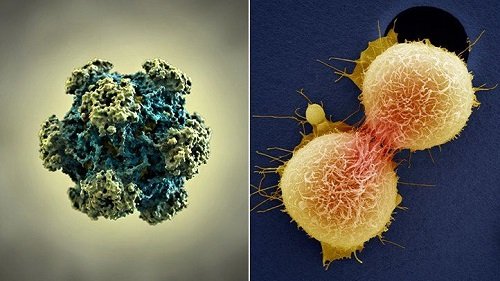
When we think of Sexually Transmitted Infections, we automatically think of chlamydia, genital herpes, gonorrhoea, HIV/AIDS, and syphilis; however, the most common is HPV (Human Papillomavirus Virus).
According to the Centre for Disease Control and Prevention (CDC), HPV is so common that most sexually active people who aren’t vaccinated against HPV will become infected at some point in their lives. Most never know they have the virus.
There are over 100 variants of HPV, and each variant is responsible for a different kind of infection. Some cause warts, and others cause cancers. These cancers range from cervical, vaginal, anal, penis, and throat.
How do you get HPV?
HPV infections occur when the virus passes through one’s broken skin after contact with an infected person. For example, when a person engages in sexual activities with an infected person, Genital HPV infections are contracted.
A genital HPV infection can be contracted through sexual intercourse, anal sex,through close skin-to-skin touching during sex especially in people with multiple sexual partners. Oral sex can also lead to HPV infections that result in oral or upper respiratory lesions.
A pregnant woman with genital warts can also pass on HPV to her unborn child.
What are the symptoms of HPV?
In most cases the body’s immune system is able to fight off the virus before it develops into warts. However, if the immune system is unable to fight off the virus, the following symptoms may occur:
- The appearance of warts in the affected area; These warts can be around the genital areas or the upper respiratory part of the body. They may appear weeks, months or even years after contact with an infected person. It is important to note that warts are contagious.
- Cancer; In some instances, the infected person may show no signs at all, and these may often lead to certain cancers after some time. Cervical cancer is the most common cancer caused by a strain of HPV that is very dangerous. Other cancers caused by HPV include anal, penile, throat, vaginal and vulva cancers.
What is the treatment for HPV?
- Genital warts, if left untreated, may go away. However, it is advisable to visit a healthcare provider for treatment since warts may stay the same or grow in size or number,
● Cervical precancer can be treated. Women who get routine Pap tests and follow up as needed can identify problems before cancer develops.
● Other HPV-related cancers are also more treatable when diagnosed and treated early.
How can one prevent HPV?
HPV vaccine; The Centres for Disease Control and Prevention recommends that all 11- and 12-year-olds receive two doses of HPV vaccine at least six months apart. This is the best age to receive the vaccine to protect against the virus before a person is exposed through sexual activity. Children as young as nine years can receive the vaccine, as well. Research has shown that the two-dose schedule is effective for children under 15.
You can reduce your risk of developing genital warts and other HPV-related genital lesions by:
- Waiting to take part in sexual activity until you are ready.
- Being in a mutually monogamous sexual relationship.
- Reducing your number of sexual partners.
- Using a latex condom.
- Screening
By Dr. Kojo Cobba Essel
Source
www.webmd
Put together byAugustinaAmarh and Maureen MasopehContent creators
Health Essentials Ltd

Health Essentials
Stop the silent killer: Breaking myths to prevent sudden deaths from high blood pressure


Every week in Ghana, a life is cut short, sometimes in the middle of traffic, sometimes at a desk, sometimes in the quiet of sleep. A father doesn’t come home. A sister doesn’t wake up.
A colleague slumps at work and never gets back up. Families are left asking why and you will hear statements like what happened? Was he sick? I just saw him, he has not shown signs of ailment, what a shock and so on.
Behind many of these sudden tragedies is a quiet, invisible force: high blood pressure, or hypertension. It doesn’t scream for attention. It doesn’t always show symptoms. But it tightens its grip silently on hearts, on brains, on lives.
This is not just a medical issue. It is a human one, it is about behaviour, it is about ignorance and it is about lifestyle. It is the grandmother who never got her blood pressure checked because she felt “fine.”
It is the taxi driver, the statistician, the nurse who ignored his pounding headaches, thinking it was just stress. It is the young lady who was so vibrant at church and no one suspected she could fall and die. Because it shows no symptoms.
The alarming numbers we cannot ignore
The Ghana’s 2023 STEPS Survey on Non-Communicable Diseases conducted by The World Health Organisation, Ghana Health Service and Ghana Statistical Service has revealed findings that should push for action.
According to the report, 21.7 per cent of adults aged 18 to 69 in Ghana are living with high blood pressure. Even more alarming is that 51.1 per cent of those with hypertension are not aware of their condition.
This means that more than half of the people with dangerously high blood pressure are walking around without knowing it until tragedy strikes. That is the real danger of this silent killer.
Literature has shown that hypertension is preventable and manageable. But only if we treat it like the threat, it is. That means regular checkups; that means understanding the risks and that means talking about it openly, urgently, and with compassion.
The deadly power of myths
Why are so many Ghanaians untested or untreated? Is it out of ignorance, or the pervasive myths about hypertension and its treatment?
• Some believe blood pressure medicine “weakens the body” or “shortens life.”
• Some believe blood pressure medicine “weakens the penis and kills sexual drive”
• Others think once you start taking medication, you are “dependent for life.”
• Many say, “I feel fine, so I must be fine.”
These beliefs are not only false, but they are also deadly. The truth, according to the World Health Organisation, is that effective treatment can reduce the risk of stroke by up to 40 per cent and heart attack by 25 per cent. Avoiding treatment does not prevent dependence rather, it accelerates death.
As Dr Patrick Kuma-Aboagye, former Director-General of the Ghana Health Service, has noted, “Hypertension is preventable and treatable, but our biggest battle is misinformation and late detection.”
A national conversation we must have
This is not just a health issue it is a national emergency. Sudden deaths rob families of breadwinners, communities of leaders, and the country of its productivity. In every obituary notice caused by hypertension, there is a story of loss that could have been prevented with a simple blood pressure check and treatment.
Behind every life saved is a moment of awareness, a decision to act, therefore, the media must rise to the challenge.
Radio and television programmes should dedicate regular airtime to demystify hypertension. Newspapers should carry survivor stories, expert interviews, and practical lifestyle advice.
Social media influencers should spread awareness in local languages, reaching young people who assume they are safe.
Public health experts also have a responsibility. Screening must move beyond hospitals into churches, mosques, markets, schools, and workplaces. People should not have to wait for illness to know their BP status.
What we can do together
To stop the silent killer, we need a collective response:
• Check your blood pressure regularly, even if you feel healthy.
• Follow medical advice faithfully if diagnosed because treatment saves lives.
• For healthy lifestyle, eat less salt, reduce alcohol, reduce starchy, fat and oil intake, avoid smoking, and exercise at least 30 minutes daily.
• Encourage one another talk about blood pressure in families, communities, and workplaces.
Conclusion: Silence is killing us
What kills is not just the disease, but the silence, fear, and myths that surround it. The STEPS 2023 report has sounded the alarm: nearly one in five Ghanaian adults has high blood pressure, and more than half don’t even know it.
This is the time for bold conversation, public education, and decisive action. The media, health professionals, policymakers, and ordinary citizens must join forces to expose the myths, spread the facts, and save lives. Let us not wait for another headline.
Let us make blood pressure a national conversation before it becomes a personal tragedy. With awareness, treatment, and collective will, Ghana can stop the silence and stop the sudden deaths from the silent killer.
Written by: Ansah Moses Teye-Akam – Senior Statistician, Sociologist/Scientific Research Organisational Expert.
Email: moses.ansah@ statsghana.gov.gh/ansahmosesteyeakam@ gmail.com.gh Contact: 0244539034 / 0204359034
Join our WhatsApp Channel now!
https://whatsapp.com/channel/0029VbBElzjInlqHhl1aTU27
On September 29 of each year since 2000, we mark World Heart Day without fail but it appears we find a comfortable place to doze off after that, leaving the world’s number one killer to continue its havoc.
This year, the theme “Don’t Miss a Beat” focuses on “the importance of heart and blood vessel (cardiovascular) health by emphasizing how losing someone to heart disease also means losing irreplaceable moments in life. It encourages individuals to prioritise heart health, not to miss important life events, and supports building a world with fewer deaths and more healthy hearts.”
Together with its members, the World Heart Federation spreads the news that at least 80 per cent of premature deaths from heart disease and stroke could be avoided if the main risk factors, tobacco, unhealthy diet and physical inactivity, are controlled.
Stop smoking and prevent others from smoking
a. Once upon a time, puffing the smoke of death was fashionable (maybe from a lack of adequate knowledge?) but certainly in 2025, a healthy lifestyle is in vogue. If you do not smoke, why should you inhale smoke from others (passive smoking)?
Eat more fresh fruits and vegetables
a. In Ghana and other developing countries, we often want something that will fill our stomach and stay there for as long as possible. Why do you think “concrete” is so revered in this great land of ours? Start the day with a hefty dose and top it up with frequent gulps of water. We always come up with 1001 reasons why eating fruits could lead to instant “pocketitis” and may signal the beginning of a third world war in many homes. We love to get into unnecessary arguments about whether fruits should be eaten before or after meals etc., just eat them!
b. We probably should consider buying fruits when they are in season since they are much cheaper at the time
c. Kontomire, cassava leaves and garden eggs, are great vegetables that will not cost you an arm and a leg. You also have the option of cabbage, lettuce etc.
d. The option of having a small garden is great but many of us do not have the luxury of space to do that.
Eat a healthy diet
a. LOW in saturated fats
i. Saturated fats can be found in animal products such as meat, milk, cheese and butter but be careful about plant products such as palm oil. Moderation is ALWAYS key.
b. LOW in refined carbohydrates
i. Our tongues have the power to make or unmake us – talking and eating are two examples of paths that can spell doom. We love sugar, perfumed rice (white), white flour, pasta (macaroni) and white bread and will make excuses to skip brown rice for instance.
c. LOW in salt
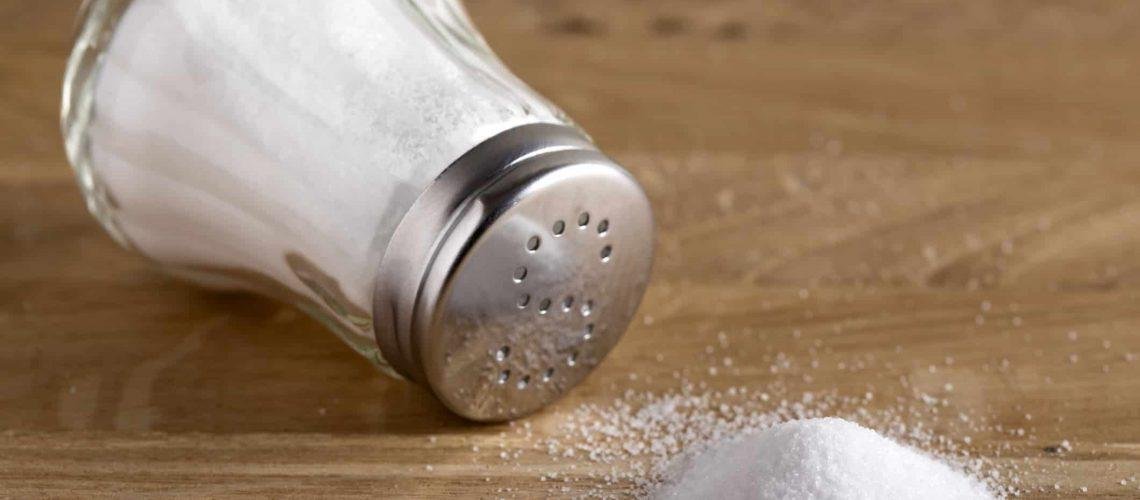
i.This is as simple as it is stated. Reduce the salt you put in food. Avoid adding salt to already cooked food. Flee from salted snacks and watch artificial flavouring.
Increase levels of physical activity
a. This is no drill on exercising but sitting on the sofa all evening or sitting at your desk for hours on end has not yet produced a healthy being. Household chores, gardening, walking even if it means while on the phone, using the stairs instead of the elevator all add up. The more you move the better for you. Dear friend, moving the TV remote does not account for much but maybe if you could walk to the TV to change channels or make other modifications then you would be on the right path.
Regular medical examinations to assess heart health
a. Beware of the modifiable risk factors for heart and blood vessels and check them often
i. Uncontrolled hypertension, uncontrolled diabetes, abnormal cholesterol, obesity, physical inactivity and smoking
ii. Get evaluated for sleep apnoea especially if your snore could bring the walls down
Manage Stress
• Check the quality and quantity (duration) of your sleep and rest
• Be happy
• Spend time with people who make you laugh and those who have positive vibes. The pessimists will drain your energy.
Changing these habits and behaviours is possible but we need to be committed. Whatever we are today is by the grace of God and the choices we made before today. Make healthy choices that will protect your heart, and it will continue to perform well for many years to come.
Today many people have died from a heart disease, and others have gained HEART HEALTH, which group would you rather join? Wouldn’t you spend quality time with family and friends for many years rather than being bedridden or spend precious endless hours in hospitals trying to fix our heart and blood vessels.
We have the power to make the right choice and stick to it.
AS ALWAYS LAUGH OFTEN, ENSURE HYGIENE, WALK AND PRAY EVERYDAY AND REMEMBER IT’S A PRICELESS GIFT TO KNOW YOUR NUMBERS (blood sugar, blood pressure, blood cholesterol, BMI)
Dr. Kojo Cobba Essel
Health Essentials Ltd/Medics Clinic
(dressel@healthessentialsgh.com)
Dr. Essel is a Medical Doctor with a keen interest in Lifestyle Medicine, He holds an MBA and is an ISSA Specialist in Exercise Therapy, Fitness Nutrition and Corrective Exercise. He is the author of the award-winning book, ‘Unravelling The Essentials of Health & Wealth.
Thought for the week – “You have the opportunity to have a Heart Health Assessment at The Medics Clinic, Tse Addo from now through Saturday 4th October. Call 055-341- 1221 to set up an appointment or simply walk-in.”
References:
1. World Heart Federation Website
2. The Ten Commandments for A Healthy & Enjoyable Life: Dr Kojo Essel
By Dr Kojo Essel