News
The Ghana Bar Association must be non-partisan in the discharge of their duties – Dominic Ayine urges

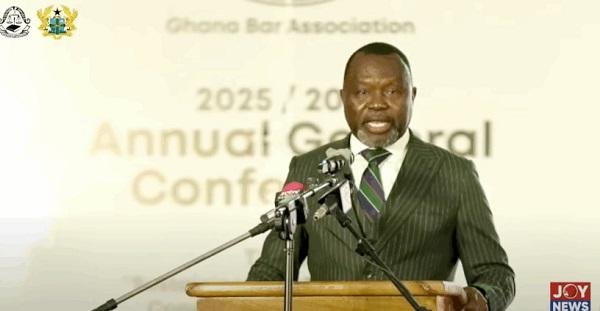
The Attorney General and Minister for Justice, Dominic Ayine, has called on the Ghana Bar Association (GBA) to remain non-partisan in the discharge of its duties.
He said the credibility of the legal profession would be at risk if the bar allowed itself to be influenced by political interests.
Speaking at the GBA 2025/ 2026 annual general conference, Dr. Ayine reminded members that their first allegiance was to the Constitution and the Republic, not to any government or opposition party.
He stressed that for over three decades, the GBA had played an important role in helping the Supreme Court interpret and enforce the law, but outside the courtroom, its advocacy had often lacked consistency.
Dr. Ayine pointed to past cases such as the 2015 petition against the former CHRAJ Chairperson, Loretta Lamptey, and the 2017 petition for the removal of Electoral Commission Chairperson, Charlotte Osei, where the bar remained silent.
He noted that the association only found its voice during the petition against former Chief Justice Gertrude Torkornoo, a stance he said coincided with the position of the opposition.
He questioned why the bar acted differently in those situations, especially since all three cases involved women of repute who held positions in key constitutional bodies.
Dr. Ayine urged the GBA to be the conscience of the republic, saying lawyers must defend the rule of law, the independence of the judiciary, and the rights of citizens regardless of which political party was in power.
He warned against inviting foreign interference in Ghana’s constitutional matters, saying international collaboration should be limited to professional exchanges and not politics.
He further encouraged the GBA to promote integrity among its members, strengthen pro bono services to support the poor, and embrace digital reforms such as e-filing and electronic court records to modernize the justice system.
According to him, the destiny of Ghana is tied to the integrity of the legal profession.
He added that if lawyers stand firm, the country will also stand firm, but if they falter, the republic will stumble.
By: Jacob Aggrey








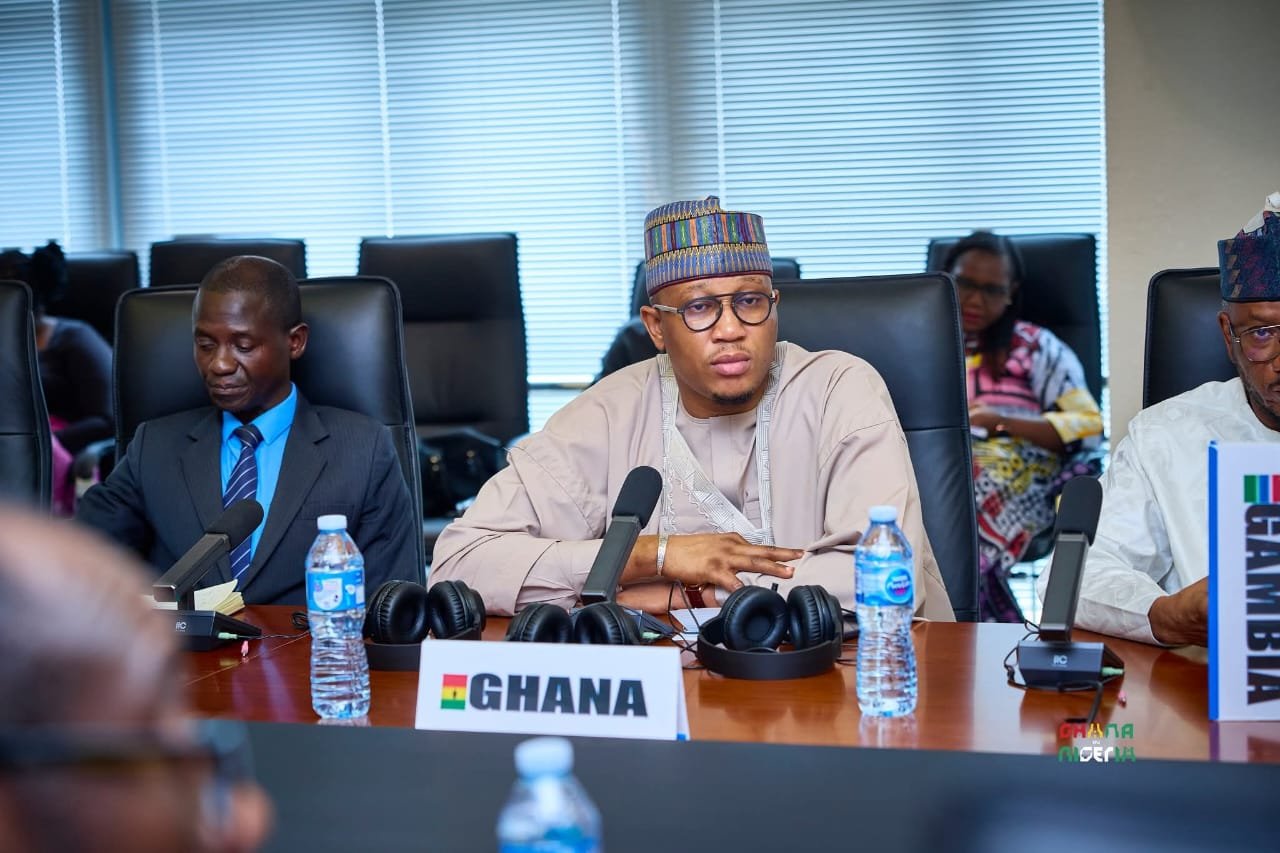
The Ghana High Commission in Abuja, Nigeria, is appealing to the public to help trace the relatives or next of kin of Apia Solomon, a Ghanaian national believed to be from Osu, Accra.
According to a public announcement by the High Commission, Mr. Solomon, born on March 6, 1960, in Accra, died on July 5, 2021, from cardiopulmonary failure.
He worked as a temporary civilian staff member at the National Defence College in Nigeria. His remains are currently being kept at the Nigerian Air Force Hospital morgue in Abuja, pending burial arrangements.
The High Commission says efforts to locate his relatives have so far been unsuccessful and is urging anyone with information about his family, friends or next of kin to come forward.
Anyone with relevant information is encouraged to contact the Ghana High Commission in Abuja.
By: Jacob Aggrey
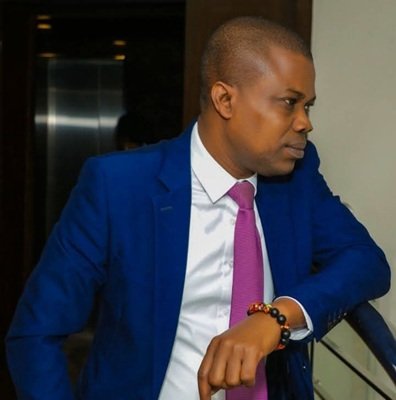
Security consultant Richard Kumadoe has blamed what he describes as flawed recruitment and incomplete background checks for some of the problems facing the Bureau of National Intelligence (BNI).
He has called on the leadership of the BNI to review the backgrounds of officers recruited during specific periods, particularly those who entered the agency under recent recruitment processes.
Speaking on the issue on TV3 yesterday, Mr Kumadoe alleged that some individuals were recruited into the intelligence agency without proper background checks and completed vetting.
“Certain categories of persons were dumped into the BNI, whose backgrounds were not checked, and whose vettings were not completed,” he stated.
He said some of the officers linked to the concerns appeared to have been recruited within the same period, making it necessary for the agency to examine the recruitment records and backgrounds of those who joined during that time.
Mr Kumadoe argued that the problems could be addressed by ensuring that recruitment procedures were properly followed and that all applicants underwent the required checks before being employed.
According to him, when the selection process is flawed, it can lead to problems within the institution.
He blamed the politicisation of security institutions, arguing that appointing people without the necessary intelligence experience and allowing political interests to influence recruitment could undermine their operations.
“When you have a selection procedure that was flawed because you politicised the place, brought in people to come and head the place when they have no business being there, they don’t know anything about being a BNI officer, they are not intelligence officers, and you flood the place with politicians and political artists, then you circumvent the standard procedure and you are going to have some of these problems,” he said.
Mr Kumadoe, however, defended the current leadership of the BNI, arguing that efforts to address longstanding problems within security institutions could bring such issues to light.
He said the leadership should be assessed in the context of the steps it is taking to improve the agency’s operations and uphold professional standards.
Drawing on his own experience in the intelligence field, he said the opportunity to serve under experienced officers had helped him develop the skills and integrity needed to contribute to national security.
By: Jacob Aggrey