News
Tackling gender discrimination …Give boys, girls equal opportunity to thrive


Boys and girls deserve an equal opportunity to thrive
Every girl and boy deserves an equal chance to survive and thrive, yet gender discrimination, continues to rob them of their childhood and limit their potentials.
The United Nations Economic and Social Commission for Western Asia (UNESCWA) defines gender discrimination as any distinction, exclusion or restriction made on the basis of sex which has the effect or purpose of impairing or nullifying the recognition, enjoyment or exercise by women, irrespective of their marital status, on the basis of equality of men and women, of human rights and fundamental freedoms in the political, economic, social, cultural, civil or any other field.
Gender discrimination has the tendency to deny girls their rights, kept from school, forced to marry and subjected to violence while her voice is undervalued. This assault on childhood also deprives nations of the energy and talent they need to progress.

According to the United Nations Children’s Fund (UNICEF), boys also suffer from gender norms. Notions of masculinity can fuel child labour, gang violence and recruitment into armed groups. No matter where it prevails, or how it manifests, gender inequality harms every member of society.
An International Organisation, Save the Children says, it will take over 200 years to achieve gender equality, and that is just in the United States of America (USA).
The organisation therefore describes as unacceptable, adding that together, we can create a more equal world, right from the start.
What are the causes of gender discrimination?
Gender discrimination begins from childhood. From the moment girls and boys are born, they face unequal gender norms as well as social norms regarding expectations and access to resources and opportunities in their homes, schools and communities.
For example, girls are most often made to carry or do household chores with the notion of preparing them for future marriage, pregnancy and caring for their children while the boys are often encouraged to go to school and get an education to prepare for work.
This tendency often leads to child marriage and pregnancy among girls.
Effects of gender discrimination
In Ghana, gender discrimination among boys and girls exposes them to the possibility of child marriage, teenage pregnancy, child domestic work, poor education and health, sexual abuse, exploitation and violence.
Girls are more likely than their male counterparts to drop out of school, marry at an early age, and experience challenges in their sexual and reproductive health and rights. They are also more likely to be exposed to violence and exploited in child labour.
Way Forward
Gender equality is a basic right for all people, including both girls and boys, it is therefore critical for Ghana to directly address gender discrimination in order to ensure that no harm comes to children while ensuring that every child attains their equal right to grow up healthily, educated and safe.
Gender equality is essential to close the inequality gaps including those who are most vulnerable.
To build a more equal, inclusive future, free from gender discrimination, Ghana needs to start in childhood.
Also according to Ghanaians Against Child Abuse (GACA), a social drive campaign for the protection of children and also aimed at reducing violence, abuse, neglect and exploitation of children, gender inequalities were drivers of many child protection violations.
They begin with boys’ and girls’ socialisation in the family, school or community which encourages them to follow specific cultural norms and roles deemed appropriate for their gender.
The gendered socialisation can mean that girls are expected to do more domestic work, not get as much or as quality schooling as boys, to marry younger, be less mobile, or tolerate physical and sexual abuse.
Conversely, it can mean that boys are expected to be more aggressive, violent, mobile, unruly and responsible for and capable of making money, having a job, etc.
GACA said it is the role of families, schools and communities to ensure boys and girls grow up with more gender equitable roles and practices, and achieve gender equitable outcomes in protection, safety and life opportunities.
According to UNICEF, Gender equality means that girls and boys enjoy the same rights, resources, opportunities and protections. In 2021, UNICEF ushered in a new gender policy (2021–2030) articulating its vision for gender equality in its programmes, as well as at workplaces and practices, around the globe.
The Gender Action Plan (2022– 2025) charts UNICEF’s way forward with a series of time-bound results that deliver lasting, transformative change for children, adolescents and women worldwide.
UNICEF and other international organisations are working with partners in Ghana on a variety of educational initiatives including the development of gender-responsive school curricula; gender training for education professionals to help eliminate gender discrimination.
Conclusion
Tackling gender discrimination in boys and girls is a collective responsibility for all Ghanaians. It is therefore important for individuals, organisations and governments to take deliberate steps to achieve gender equality for all irrespective of one’s gende
By Jemima Esinam Kuatsinu


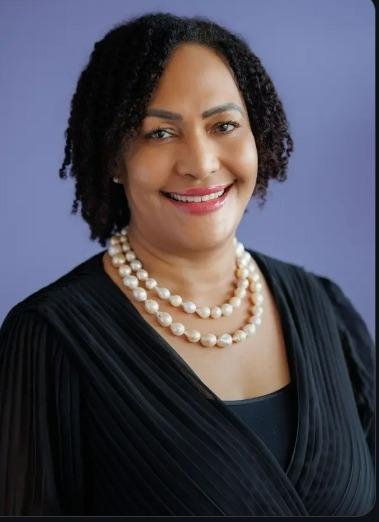
About 200 company secretaries, governance professionals and institutional leaders will gather in Accra for the ‘Company Secretaries Summit’ next month.
It is aimed at strengthening governance practices and enhance boardroom effectiveness across the country.
The summit, which is scheduled for July 16 at the Labadi Beach Hotel seeks to equip governance professionals with the knowledge, skills, and networks required to navigate the increasingly complex demands of modern corporate leadership.
It will feature keynote presentations, panel discussions, and interactive sessions focusing on emerging governance trends, boardroom dynamics, regulatory compliance, digital transformation, and stakeholder expectations.
According to the convener, Catherine Engmann, the summit comes at a critical time when governance professionals are under growing pressure to support sound decision-making, strengthen governance culture, and respond effectively to changing institutional and regulatory environments.
“This gathering is not just another conference. It is a platform for governance leaders who are already operating at the highest level and intend to stay there,” she said.
She noted that the programme was designed to provide participants with practical tools, fresh insights, and valuable professional connections.
According to Ms Engmann, a major highlight of the event will be the awards ceremony, which will recognise individuals and organisations that have demonstrated excellence in governance practice and made significant contributions to improving board effectiveness and corporate accountability.
She mentioned that the summit will also offer participants an opportunity to benchmark their practices against industry standards, exchange ideas with peers, and explore innovative approaches to governance challenges.
Beyond the formal sessions, the event is expected to foster networking and collaboration among governance professionals, helping to strengthen governance practices across Ghana’s corporate and institutional landscape.
Speaking about the vision behind the initiative, Ms Engmann, said the summit was inspired by the need to create a dedicated platform that recognises the critical role played by company secretaries and governance professionals.
According to her, the Company Secretaries’ Summit and Awards reflects her conviction that Ghana’s governance professionals deserve an annual platform where they can engage in meaningful discussions, build strategic relationships, and receive recognition for their contributions to effective governance.
Registration for the summit, she said was currently open, with interested professionals encouraged to secure their participation ahead of the event.
By Esinam Jemima Kuatsinu

-1 cup dried soya beans
-4–5 cups for water (for blending)
-Extra water for soaking
-Sugar, honey or dates (optional, for sweetness)
-Vanilla extract (optional)
Preparation
-Pick through the beans to remove stones or damaged seeds and rinse thoroughly
-Place them in a large bowl and cover with plenty of water. Soak for at least eight hours or overnight to soften it to blend easier
– After soaking, rub the beans with your hands as the skin begins to remove
– Removing the skins helps reduce the ‘beany’ taste and improves texture
– Put the soaked beans into a blender with 4–5 cups of clean water
-Blend until smooth and milky. (You may need to do this in batches depending on your blender size).
– Using a clean muslin cloth or fine sieve, strain the blended mixture into a pot. (Squeeze well to extract as much liquid as possible).
-The leftover pulp is called okara. Don’t throw it away — it can be used in baking, porridge, or even added to stews.
– Place the strained milk on medium heat and make it boil. Stir continuously to prevent burning or overflowing.
– Allow it to boil for at least 20–25 minutes. Proper boiling removes the raw taste and neutralises natural compounds that can upset the stomach.
-Once boiled a little sugar or honey. Pulse.gh
Health benefits of Soya beans

 News1 week ago
FSD Africa, others launch Green Project Preparation Facility to unlock investment in climate infrastructure in Ghana
- News1 week ago
Bryan Acheampong calls for unity, urges Kennedy Agyapong to support Dr. Bawumia
- News1 week ago
Merck Foundation holds 13th Africa Asia Luminary with 12 First Ladies to advance healthcare capacity across Africa and Asia