Profile
Summary profile of ‘Forty under40’ award nominees


About 120 Ghanaian professionals have made their way to the list of nominees for this year’s Forty under40 Awards. The event scheduled for October 8, 2021 in Accra would honour 40 young and influential individuals who have demonstrated excellence in various fields.
Organisers say the award, among other objectives, is to build a “positive attitude in the youth to strive for excellence at a tender age.” In this edition, we put together a summary profile of six nominees from some of the categories as we await the announcement of the winners in a few weeks from today.
Notable among them are Mrs. Mame Dufie Achampong-Kyei Obeng, Managing Director of Glico Life, Mr. Romeo Richlove Kweku Seshie, CEO, Quick Credit & Investment Micro-Credit Ltd, Mr. Ebenezer Arthur, Chief Operating Officer of Wangara Green Ventures.
Mame Dufie Achampong-Kyei Obeng (Mrs)
She was appointed Managing Director of Glico Life in 2019. Prior to her appointment, she was Executive Director/Chief Technical Operations Officer of the Company.


Before joining GLICO Life, she was the Assistant General Manager in-Charge of Risk Operations for GLICO General and later the Group Head, Enterprise Risk for GLICO Group.
She is a Chartered Insurer and an Associate member of the Chartered Insurance Institute (UK). She has over seven years work experience in the insurance industry. She has worked in different capacities at GLICO including being a Marketing Executive, Underwriting Officer, Claims Officer and a Management trainee.
Mrs. Obeng holds a Bachelor of Science degree in Business Management with Economics and Marketing from Aston University (UK) and a Master of Science degree in Insurance and Risk Management from Cass Business School (UK).
After obtaining her Master of Science degree in Insurance and Risk Management, she established and headed the Enterprise Risk Management Department of GLICO and worked to significantly improve the Company’s risk management system.
Mr. Richard Addison
Mr. Richard Addison is listed in the Agro-Processing category. He is a farmer passionate about youth and community development. His 50-acre rice farm in the Sharma District employs over 100 locals in land preparation, planting, harvesting, milling, and transporting of the produce to the market.
He and his team are focused on producing Ghanaian staples in large quantities to reduce the importation of food crops in the country. He encourages the youth to venture into agriculture and he processes local rice from Kent Farms for everyday use together with his business partner, Trigmatic.
Ms. Israella Kafui Mansu
Ms. Israella Kafui Mansu is a nominee in Beauty and Lifestyle category. She started Mansuki Ghana Limited with the brand name MGL Naturals in 2009.
The company produces healthy skin and hair care products using local raw products such as shea butter and cocoa. With almost 12 years experience in the industry, the company has been able to make inroads on local and international natural cosmetics markets.
Ms. Mansu and her company continue to create sustainable income generating activities for many in the production, administration, marketing, sales, retail, and wholesale sectors and currently has 43 direct employees.
Mr. Romeo Richlove Kweku Seshie
The Banking and Finance category has Mr. Romeo Richlove Kweku Seshie. The CEO of Quick Credit & Investment Micro-Credit LTD is an astute Finance Management professional with over 10 years experience.
He has played a key role in preparing and implementing senior management strategic plans. He has led the company which has over 70,000 customers and employed over 40 call centre executives.
Under his leadership, the company won the outstanding SME Company of the year at the 2021 Ghana West Africa Business Excellence Awards.
Mr. Terry Mante
Mr. Terry Mante is listed in the Authorship and Creative Writing category.
He holds Bachelor of Arts Degree in Political Science and Sociology at the University of Ghana and did Master of Business Administration (MBA) in General Management at Central University, Accra.
He has 300 articles published in newspaper columns over the years consistently inspired and challenged readers through his writings. He touches on a wide range of subjects including entrepreneurship, career, leadership, governance, among others.
He speaks at personal development seminars and hosts events through his organisations, Personal Development Network (PEDNET), Terry Mante Exchange, and The Accra Hub and his works continue to inspire many young men and women across the country.
Mr. Ebenezer Arthur
Mr. Ebenezer Arthur is the Chief Operating Officer of Wangara Green Ventures. He sits on the advisory boards of other Investment companies and businesses and continues to impact lives through the businesses that he supports.
His two businesses, Wangara Green Ventures and Innohub, have supported many start-ups and provided opportunities for start-up to access funding to sustain their operations.
His work within the Social and Financial Investment space has directly impacted the lives and livelihoods of many young people.
By Spectator Reporter


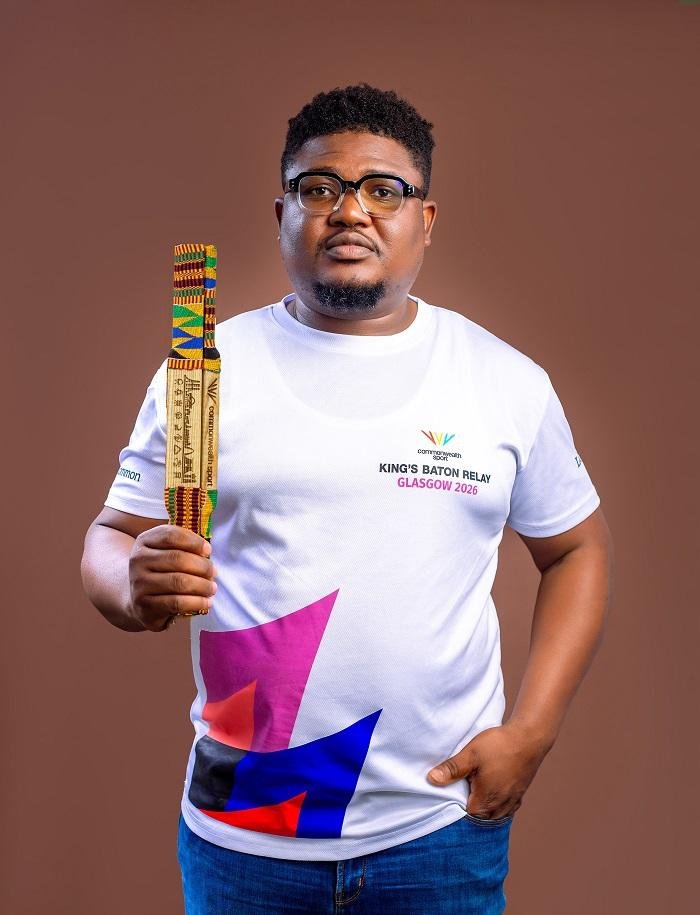
When the world’s eyes turn to the King’s Baton on its global journey, one of Ghana’s most profound artistic stories travels with it. It will be a story of creativity, culture, and national pride crafted by Albert Litela Obidiaba.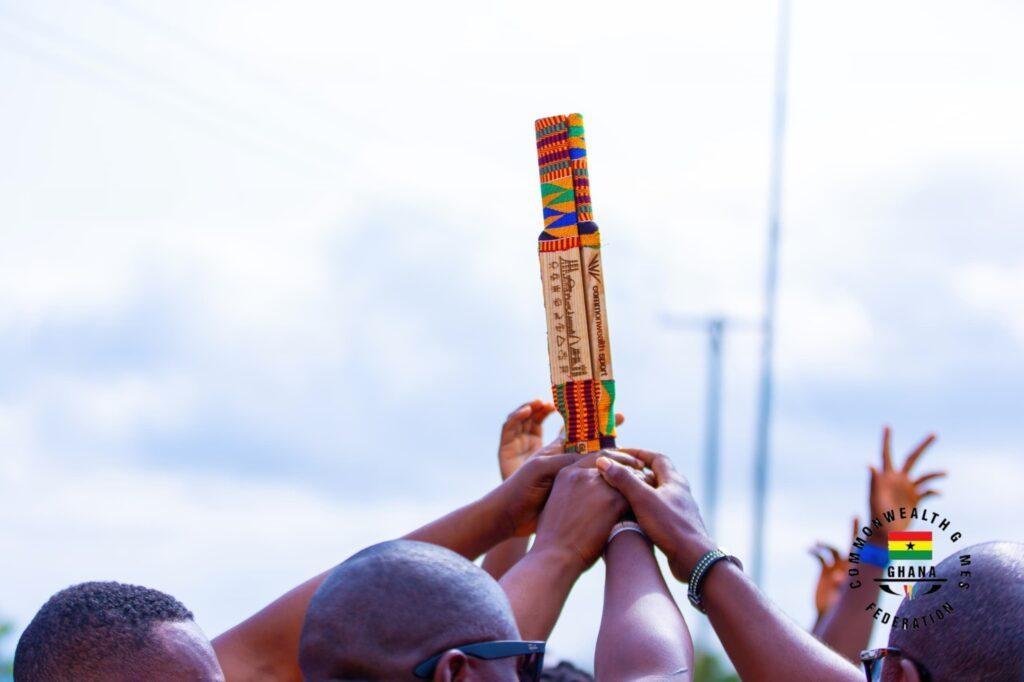
From the quiet town of Old Baika in the Oti Region, Albert’s journey as an artist has always been about telling stories. It is not just through words, but through symbols, textures, and meaning.
“From a young age, I was drawn to the power of art, knowing how colours and textures can capture not just emotion but culture and identity,” he recalls.
Today, his name has become synonymous with innovation rooted in traditional bridge between Ghana’s past and its global creative future.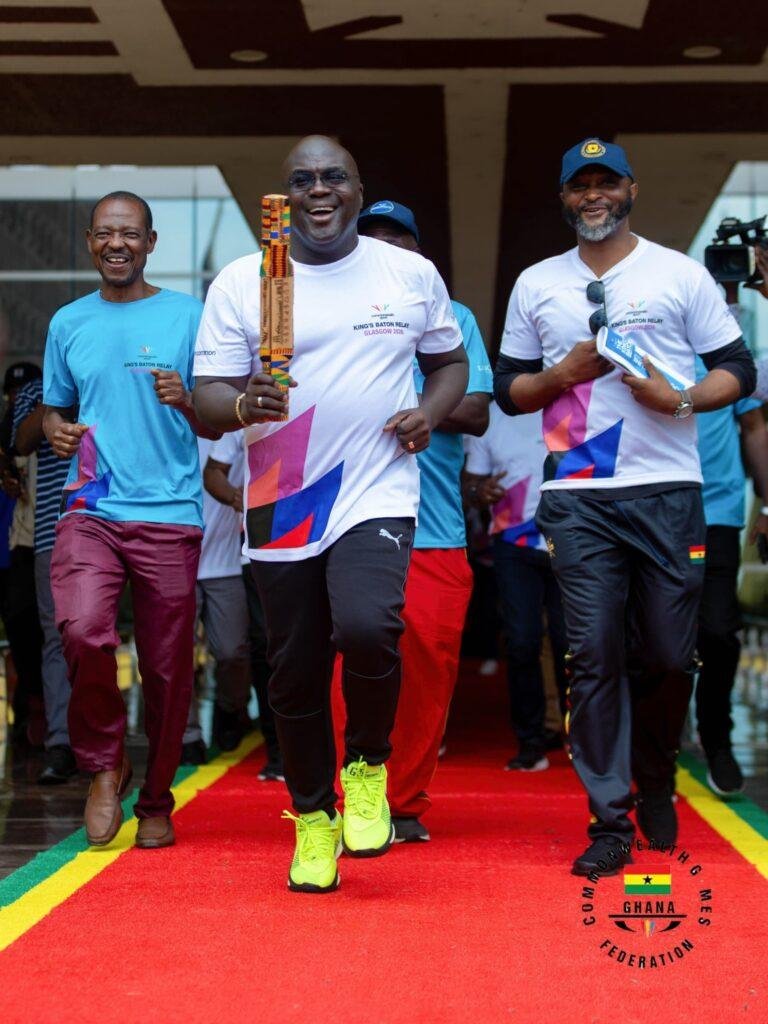
Albert’s love for art was born from curiosity. Surrounded by the vibrancy of Ghanaian culture; the patterns of kente, the stories behind Adinkra symbols, and the textures of daily life, he began sketching and crafting early on.
“Simple things told deep stories,” he says. “That fascinated me.”
As he matured, his art evolved into a personal mission to preserve and reinterpret Ghana’s heritage for a modern audience. His style reflects a seamless blend of culture and contemporary design, each piece a narrative of unity, history, and pride.
“I see art as storytelling through form and symbolism, it should feel rooted in purpose yet speak to today’s world,” he explains.
When the call came to design Ghana’s version of the King’s Baton, Albert saw it as both a national duty and a creative calling.
Recommended by mentors like Mr Charles Osei Asibey, who trusted his talent and understanding of Ghanaian symbolism, he embraced the project wholeheartedly.
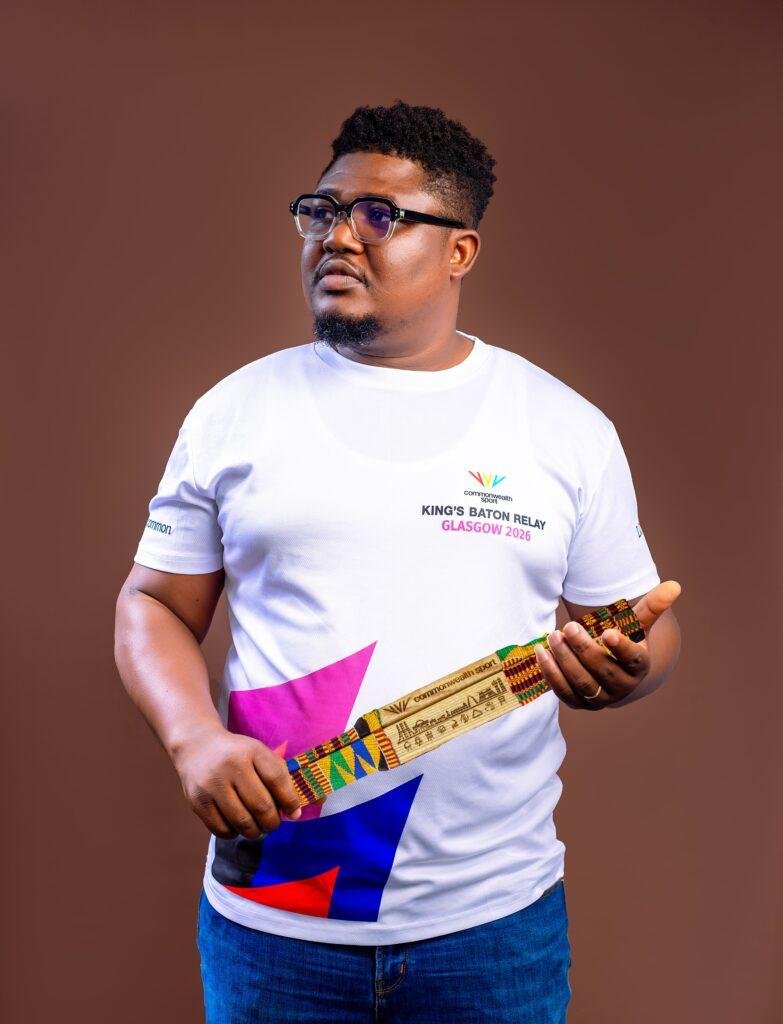
His vision was clear; to create a piece that would embody unity, pride, and the enduring spirit of Ghana.
Drawing from traditional motifs, he integrated textures inspired by kente weaving, representing hard work, continuity, and creativity. The golden tones symbolise strength and dignity, while the contours and natural motifs mirror Ghana’s landscapes and people.
“The King’s Baton had to tell our story of who we are, what we value, and how we see the world, it is more than art, it is identity in motion,” he said.
Every etch, every pattern carries meaning. From concept to completion, the entire process took three intense weeks which were filled with research, design sketches, consultation, and collaboration with skilled artisans.
“It was days and nights of work, but a lifetime of meaning,” he says with quiet pride.
Creating a design that represents all of Ghana’s diverse cultures was no small feat. Albert had to balance aesthetics, authenticity, and technology thereby using sustainable wood, carefully treated and certified, to reflect the nation’s commitment to nature and preservation.
“It wasn’t easy finding the right mix,” he admits. “But those challenges pushed me to think deeper. They made the final piece stronger — both artistically and symbolically.”
For Albert, Ghanaian culture is both muse and message. His works echo the values of unity, strength, persistence, and wisdom, drawn from Ghana’s traditions.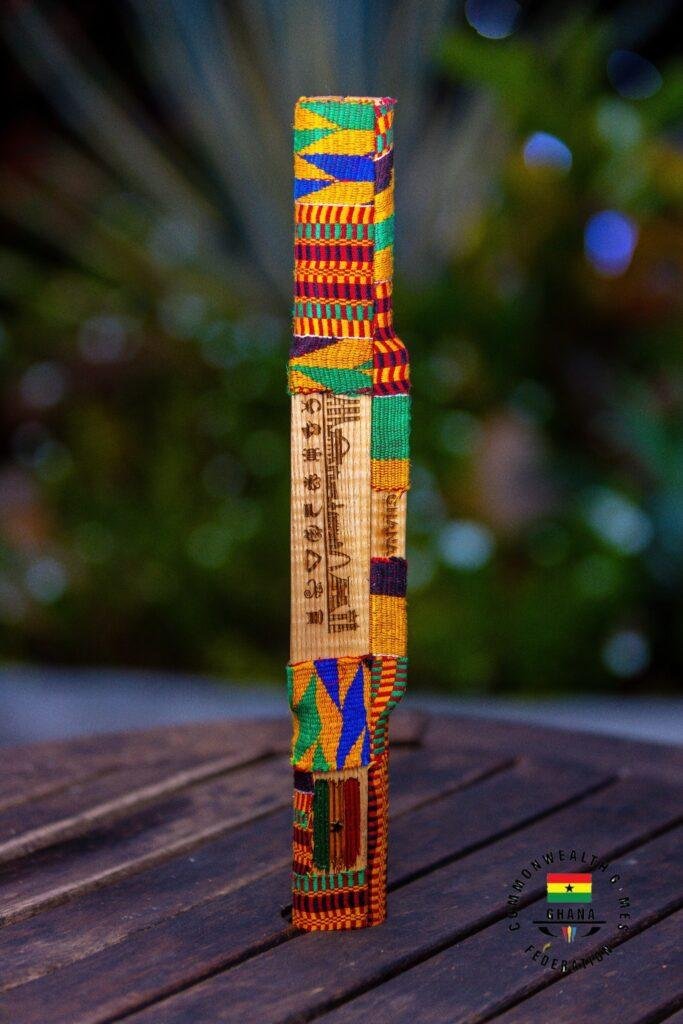
“Art preserves who we are and every line and symbol tells a story of belonging,” he said, and believes art is one of the most powerful tools for building national pride.
Designing the King’s Baton has been a defining moment in his creative journey and that it deepened his appreciation for cultural storytelling. “It taught me that creativity is also a form of service,” he said.
The experience has opened new professional doors, but more importantly, it gave him a renewed sense of purpose making him embrace a call to national duty.
“My soul will be glad even after my days on earth are over,” he said beaming with smiles.
Beyond the King’s Baton, Albert has worked on numerous projects celebrating Ghanaian identity through contemporary art and design. His ongoing works explore symbolism and heritage in new forms which includes blending materials, stories, and styles from across Ghana’s regions.
He is currently preparing projects that continue the conversation the baton began. They are about unity, creativity, and Africa’s evolving artistic voice.
To young artists aspiring to make their mark, Albert’s advice is for them to believe deeply in their craft and that the world is always looking for authenticity “which comes from knowing who you are and where you come from.”
On how he wants to be remembered, he said, “I want to be remembered as an artist who used creativity to celebrate culture and connect people. If my name is remembered as the one who designed Ghana’s version of the King’s Baton, that will be enough, because it means I carried Ghana in my hands, and shared her with the world.”
By Esinam Jemima Kuatsinu
Join our WhatsApp Channel now!
https://whatsapp.com/channel/0029VbBElzjInlqHhl1aTU27
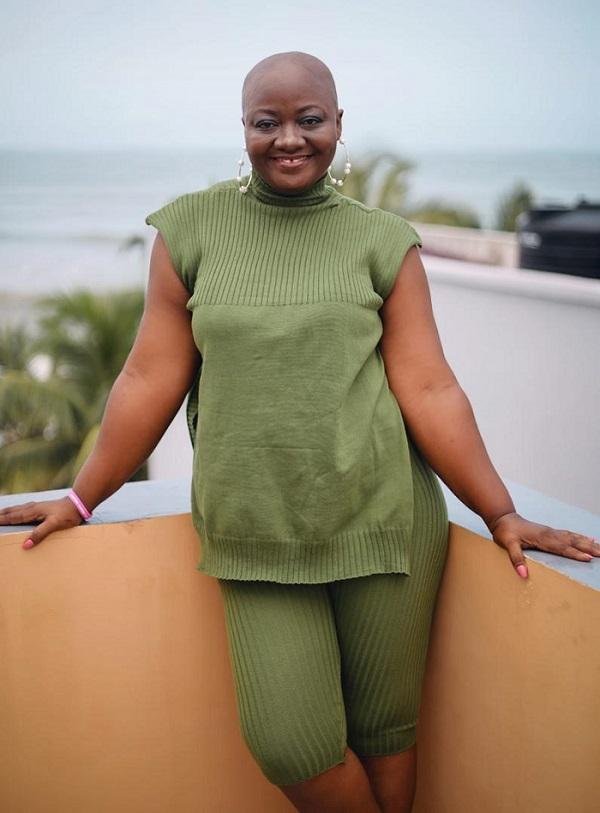
A ‘trotro’ bus heading to Nsawam was filled with the usual sounds from conversations, music, and sometimes a preacher delivering a message.
But when Margaret Odame Donkor rises to speak, she does not preach salvation or sell herbal remedies. Instead, she shares her journey as a breast cancer survivor, urging passengers to examine their breasts regularly, seek medical help early, and never lose hope.
Her pulpit is not a church, but the crowded minibuses of Ghana’s public transport system. Her message is not about repentance, but about survival.
She urges women to check their breasts regularly, encourages men to support their wives during health challenges, and reassures everyone listening that a cancer diagnosis is not the end of life.
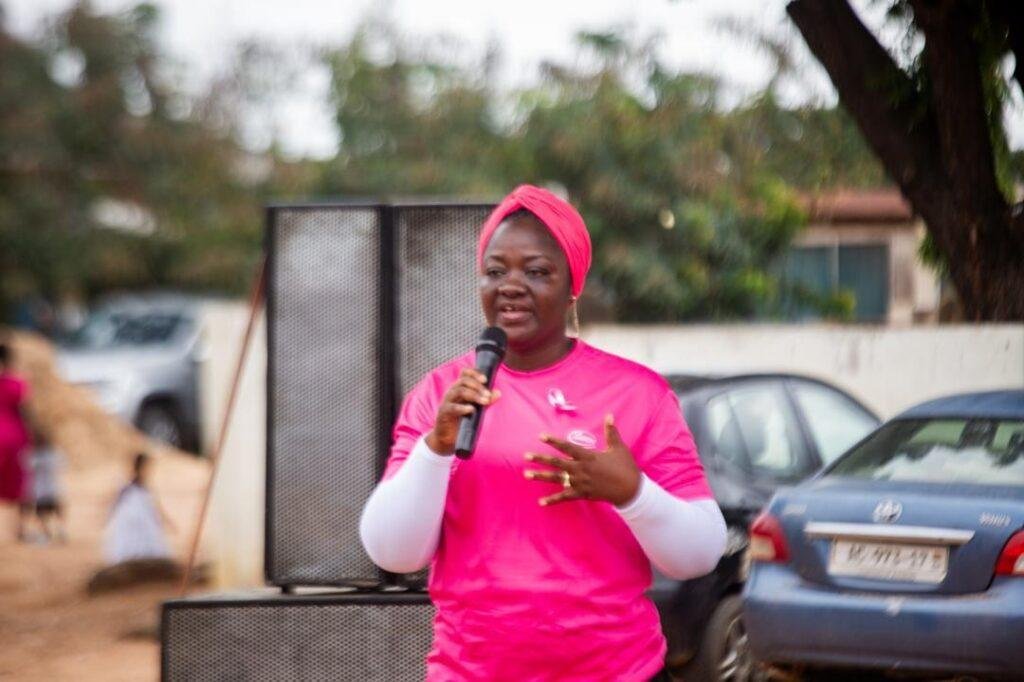
For Margaret, creating awareness is more than a duty-it is a calling born out of personal pain, fear, and triumph.
Her words carried weight because they come from lived experience.
At age 48, Margaret has walked through the valley of fear and pain, battled stage three invasive carcinoma, and emerged not just a survivor but an advocate determined to educate others.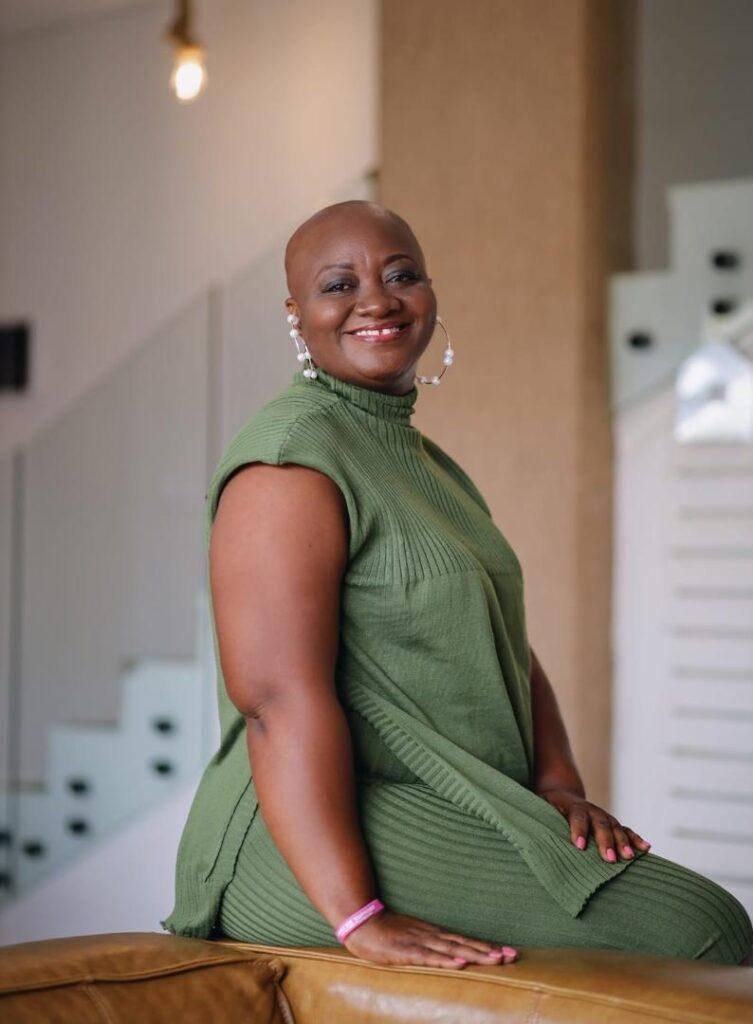
Cancer journey
Margaret’s encounter with breast cancer stretches back decades. At 22, she discovered a lump in her left breast. It was removed and declared benign. Relieved, she skipped regular checks and moved on. Then in 2021, the lump reappeared—this time spreading toward her armpit.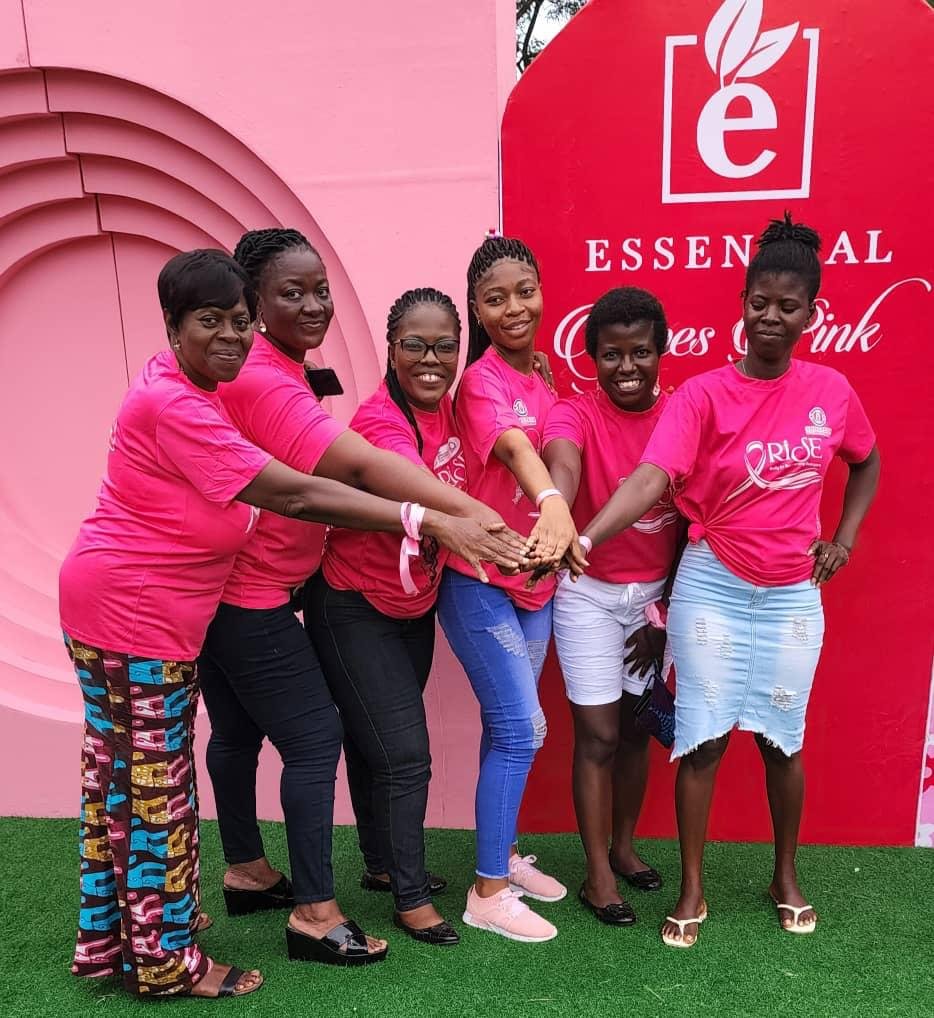
At a church screening in October 2022, doctors detected suspicious lymph nodes. Further tests confirmed her worst fear: stage three invasive carcinoma.
“It wasn’t easy,” she recalls softly. “But my faith in God kept me strong. My husband, children, family, friends, and colleagues formed an army behind me. Their prayers, visits, and encouragement gave me the courage to fight.”
“Be grateful every day because you never know what tomorrow may bring. No one has it all, but with love and support, you can endure,” she stated.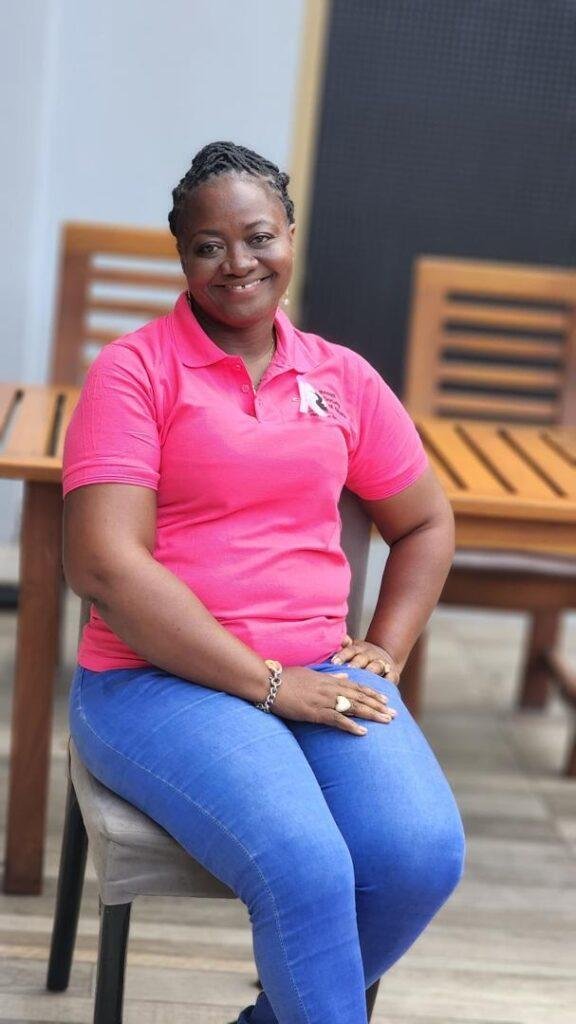
Her greatest fear remains recurrence and not living long enough to see her children graduate and become the people she dreams for them to be.
Before cancer disrupted her life, Margaret had found purpose in interpretation. In 2020, a friend spotted a Judicial Service vacancy and encouraged her to apply. After years of unsuccessful attempts at government jobs, she was reluctant, but she tried once more. This time, she succeeded and was posted to the Eastern Region, her home.
Today, she works at the Nsawam District Court, one of the busiest in the area. On a typical day, she arrives at 7:30am, prepares dockets, and confers with magistrates. She interprets proceedings in Twi, Ga, Hausa, and occasionally Ewe, ensuring that justice was accessible to all.
Her role is demanding. Cross-examinations require her to switch quickly between English and local dialects, while marriages often call for interpreting vows in couples’ preferred languages. Still, she thrives. “The registrars and magistrates I’ve worked with have been amazing. They make the environment very comfortable,” she stated.
Beyond the courtroom, Margaret is also an entrepreneur. In 2017, she founded Nubreed Décor, an events decoration business born from her childhood love for beautifying spaces. She recalls cutting paper decorations as a child and helping her cousin rent out chairs and decorate venues.
Balancing décor with court work was tough, and her health struggles after surgery made it even harder. Radiation left her with persistent rib pain, forcing her to slow down. “Now I hire more hands, which makes business expensive, but it helps me achieve my goals,” she explained.
Her biggest challenge as an entrepreneur remains finance. “The event industry is huge, but I have to work at my own pace and focus on my niche,” she admited.
Cancer changed how Margaret values people and relationships. She learned that those you least expect often become your strongest supporters. She urges families to stand by patients with prayers, encouragement, and financial support, reminding society that a cancer diagnosis is not the end of life.
Her advocacy extends beyond awareness talks. She dreams of establishing a counselling centre for young people and hopes Ghana will expand access to mammograms and radiotherapy centres. “Every patient deserves a chance at survival,” she said firmly.
She urged the youth to live peacefully and be their brother’s keeper, learn to be content and rely on God.
To women, she asserted that, “love yourselves and make breast checks routine while calling on Ghanaians to be open-minded, avoid being judgmental, and show love.
By Esinam Jemima Kuatsinu

 Profile6 days ago
Albert Litela Obidiaba: The artist who wove Ghana’s soul into the King’s Baton
- News6 days ago
Daddy Lumba’s wife, children run to court to injunct December 6 funeral arrangements
 News1 week ago
President Mahama to meet Auditor-General, Chief Justice and Attorney-General over misuse of public funds