News
Shama District gets rice factory


Inset: Mr. Jesse Prah (second left) assisting Mr. Darko-Mensah (3rd left) to inaugurate the rice factory
A rice processing plant, owned by Jesse Prah Enterprise at Anto, in the Shama District of the Western Region, has been inaugurated by SNV Ghana under the European Union (EU) GrEEn Project.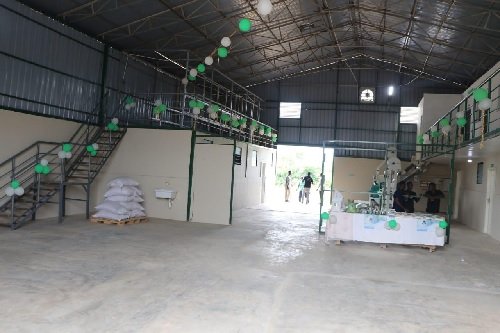
Sited on a two-acre land, the facility, producing ‘Roland Rice, is equipped with a rice mill, de-stoner, a rice de-husker, polisher and a pelletiser machine, also converts rice husk into feed for pigs.
It is expected to create jobs for youth in the Shama District and provide local rice growers access to a mill to improve rice production in the region.
As part of GrEEn project objectives of supporting green businesses and entrepreneurs, SNV Ghana rolled out the GrEEn Innovation Challenge in 2021, to award a matching grant of up to EUR 25,000 to small and medium scale businesses that have innovative products and services.
Key areas include agriculture, renewable energy and energy efficiency and Water, Sanitation and Hygiene (WASH).
Jesse Roland Prah Enterprise, a rice farmer, was among 12 SMEs in the Ashanti and Western regions, who received the matching grant of 25,000 Euros.
Additionally, it received six-month free business advisory support from SNV Ghana under the GrEEn Incubation Programme facilitated by Duapa Werkspace, a business hub in Takoradi.
Speaking at the ceremony last Friday, Senior Adviser, Incubation and Acceleration at SNV, Ms. Genevieve Parker-Twum, remarked “Jesse, has really done well. He took all that he was taught to good use. From EU, SNV Ghana, we say congratulations to Roland rice”.
Chief Executive, Jesse Prah Enterprise (Roland Enterprise), Roland Prah, said: “We have the finest and most nutritious rice in the country, and with this facility, production is going to increase. I want to encourage the youth to invest in agriculture.”
He expressed his gratitude to SNV Ghana and the EU for their support.
Western Regional Minister, Mr Kwabena Okyere Darko-Mensah, said government believed in production, and that, if the private sector was supported, it could go far.
From Clement Adzei Boye, Anto



The Ghana Health Service (GHS) will undertake a nationwide Human Papillomavirus (HPV) vaccination exercise in schools from October to December 2026 to protect eligible girls against cervical cancer and other HPV related diseases.
The exercise, organised in collaboration with the Ghana Education Service (GES) and its partners through the School Health Education Programme (SHEP), will be conducted in two rounds.
The first round is scheduled for October 19 to 23, 2026, while the second will take place from November 30 to December 4, 2026.
In a press release dated October 19, the GHS explained that health workers would visit schools across the country to vaccinate eligible girls aged 9 to 14 who have not yet received the HPV vaccine.
The exercise forms part of efforts to raise awareness about the routine HPV vaccine, increase vaccination uptake and strengthen the country’s routine immunisation programme.
The GHS has called on school authorities, parents, guardians, teachers and community leaders to cooperate with health teams to ensure the successful implementation of the exercise.
The Service reaffirmed its commitment to protecting the health and well-being of Ghanaians, particularly children, through vaccination and other public health interventions.
By: Jacob Aggrey
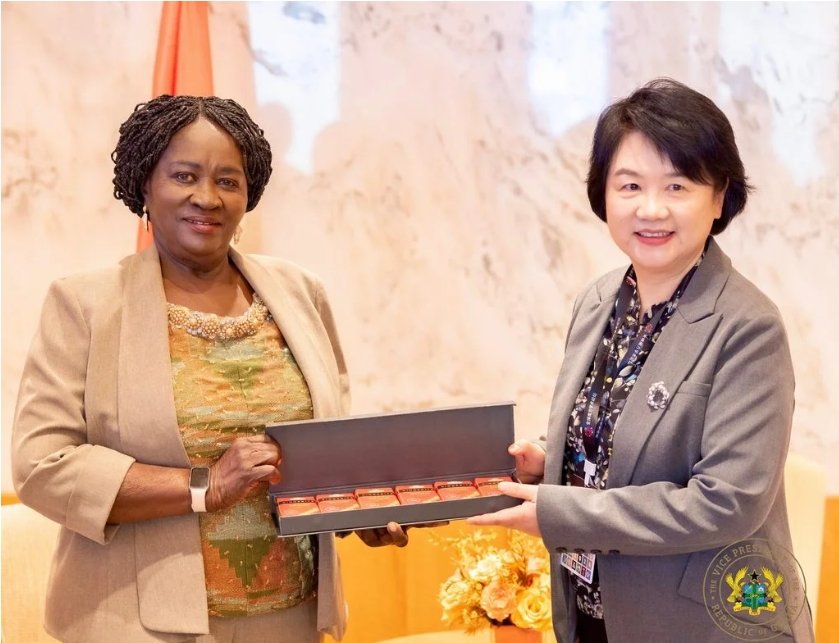
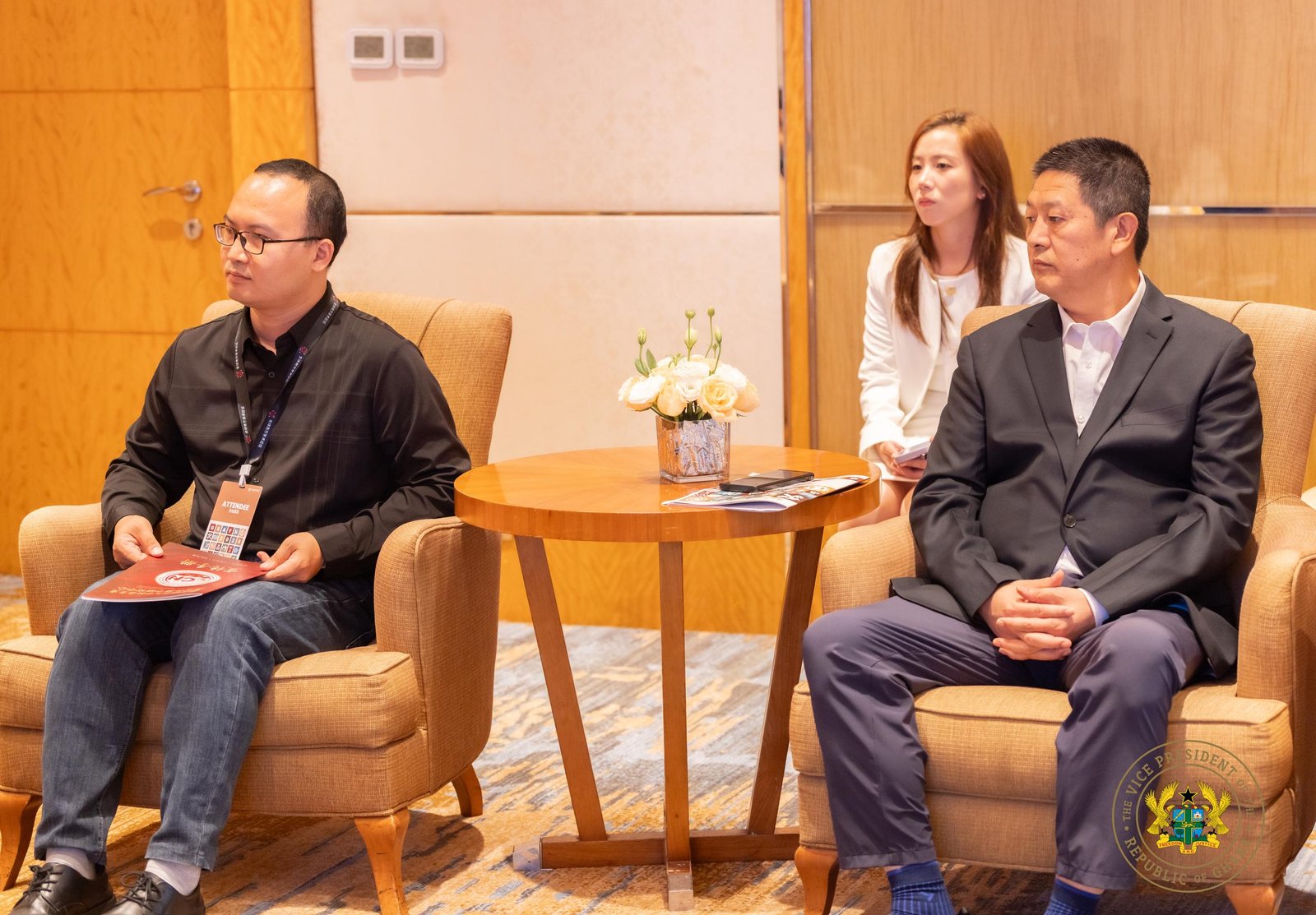
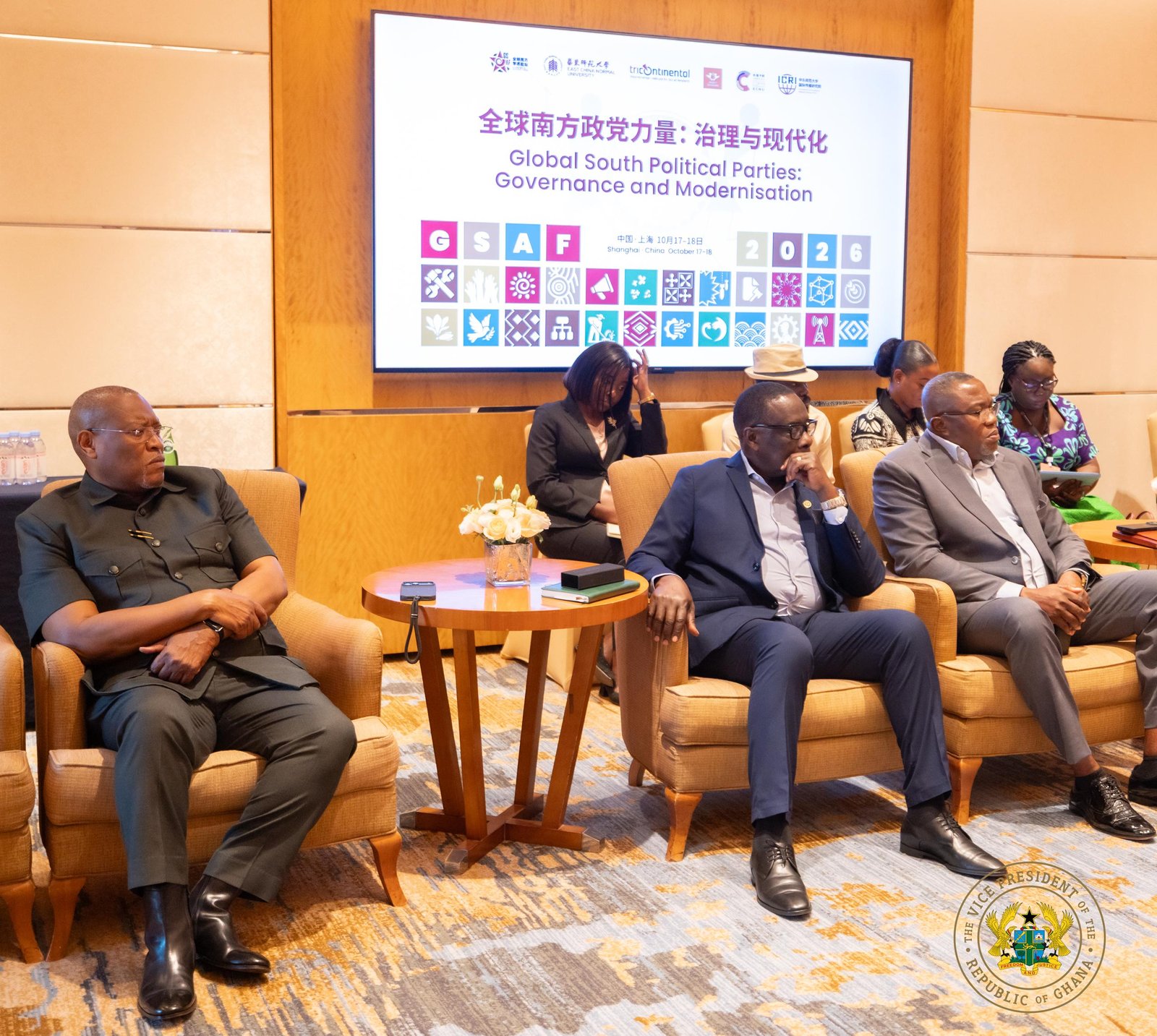
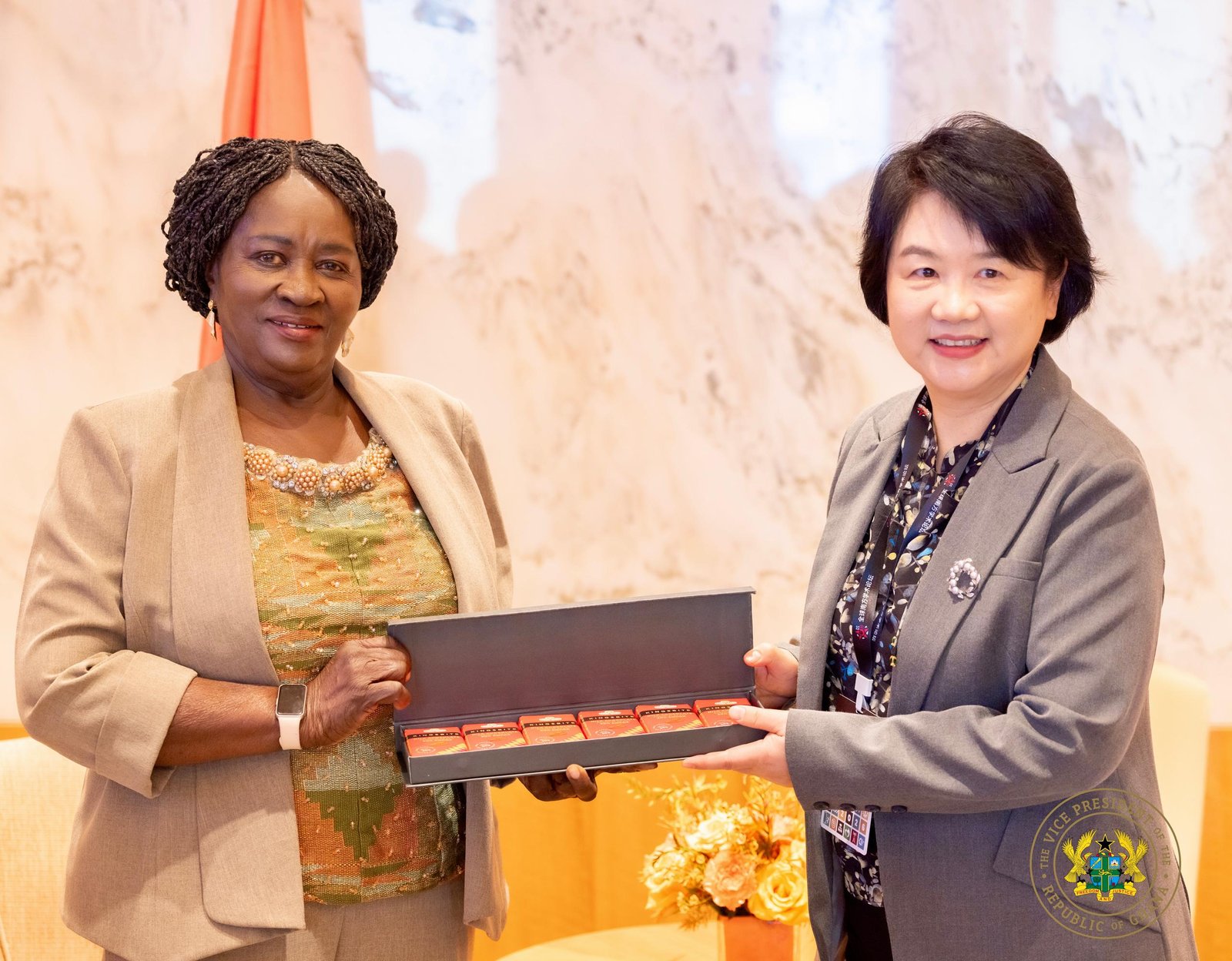
Vice President Professor Jane Naana Opoku-Agyemang has held high-level discussions with organisers of the 2026 Global South Academic Forum in Shanghai, seeking to draw lessons from China’s acclaimed rural revitalisation and poverty reduction drive.
The meeting, led by the Forum Chair, Professor Lu Xinyu, explored practical areas of cooperation and knowledge exchange between Ghana and China, with focus on community-driven development, fisheries and aquaculture, local governance, sports initiatives, and infrastructure development.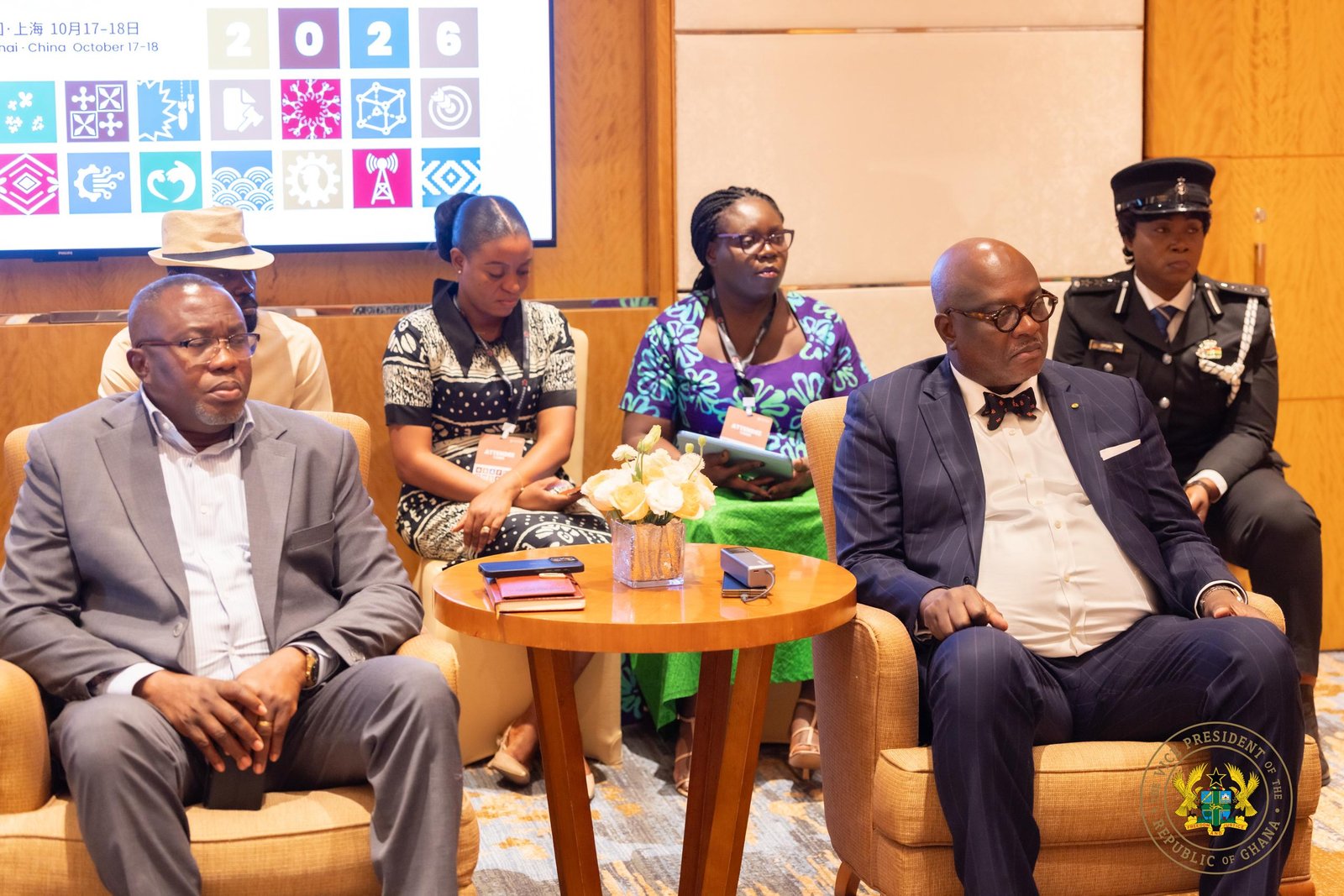
According to officials, the engagement is part of a broader effort by the Ghanaian government to study tested development models that can be adapted to the local context to promote inclusive growth, empower local communities, and improve livelihoods across the country.
China’s success in lifting over 800 million people out of poverty through targeted rural policies, investment in agriculture and local infrastructure has become a global reference point for developing nations.
The Vice President’s team says insights from the Forum will help inform policy direction, particularly in strengthening decentralised governance, boosting the fisheries and aquaculture sector, and investing in community-level infrastructure and youth sports development.
Professor Opoku-Agyemang is expected to continue engagements with academic and development institutions while in China.
By Edem Mensah-Tsotorme