Gender
Seidu Magish Adamu outdoored as new Sarki Zabarma, Volta Region


A 33-year-old Ho-based businessman was last Friday outdoored as the new Sarki Zabarma, Volta Region at a ceremony at Ho Sabong Zongo.
Sarki Ademu Seidu Hamani Dagadu III, a married father of one who is known in private life as Mr Seidu Magish Adamu succeeds his father Sarki Seidu Hamani Dagadu II, who passed on in February last year.
Among the large gathering at the function were the Deputy Volta Regional Minister, Pastor Johnson Avuletey, the Zabarma National President, Musa Yahya Yandu and the Ho Municipal Chief Executive, Mr Prosper Pi-Bansa.
Sarki Ademu Seidu Hamani Dagadu in his maiden speech pledged to seek peace and unity in the Zongo communities at all times to pave the way for accelerated development.
He mentioned education, health, and support for elderly as his priority development areas and appealed to NGOs and public spirited individuals to support the Zongo in that regard.
The new Sarkin entreated the Zongo communities to stay away from acrimonious and “dirty” politics and rather maintain peace for the welfare of their children and generations yet unborn.
He said that the Ho Sabong Zongo, for instance, which had a population of close to 2000 needed proper town planning features with drains and other physical structures.
“These are issues we should be more interested in and not politics without purpose,” added the Sarkin.
FROM ALBERTO MARIO NORETTI, HO


Nana Oye Bampoe Addo, a Deputy Chief of Staff, has called for sustained legal and institutional reforms to address gender biases within Ghana’s justice system.
She urged women lawyers to build on the legacy of trailblazers who have shaped the country’s legal landscape.
Madam Bampoe Addo made the call at the maiden Biennial Conference of the Ghana Bar Association (GBA) Women’s Forum, organised in collaboration with the Ghana School of Law in Accra on Tuesday.
The event was on the theme: “The role of women lawyers in national development: honouring trailblazers.”
Madam Bampoe Addo said the progress made by women in the legal profession was not accidental but the result of years of struggle, sacrifice and determination.
She paid tribute to early trailblazers such as Matilda Foster and Annie Jiagge, saying their achievements broke barriers and opened doors for generations of women lawyers.
She commended the contributions of female judicial leaders, including Mrs Georgina Theodora Wood, Mrs Sophia Akuffo, and Mrs Gertrude Torkornoo, whose leadership reflected the growing influence of women in Ghana’s judiciary.
Women lawyers had made significant contributions across multiple sectors, including the courtroom, academia, policy development, civil society advocacy and community engagement.
Madam Bampoe Addo noted that their efforts had advanced gender equality, strengthened institutions and improved access to justice in the country.
She expressed concern about the persistent gender biases within the justice system, particularly in some judicial pronouncements that could undermine the dignity of women.
The courts, she noted, must not only deliver justice but must also communicate it in a manner that upheld respect and fairness for all parties.
“There is undervaluation of women’s unpaid domestic labour, including caregiving responsibilities, which are often overlooked in legal determinations, especially in matrimonial cases,” she added.
She called for a more progressive and context-sensitive approach to adjudication, drawing on comparative jurisprudence from other jurisdictions to ensure fairness and equity.
Madam Bampoe Addo urged legal practitioners and judges to build on progressive legal precedents and ensure that Ghana’s legal system evolved to reflect contemporary social realities.
She emphasised the importance of mentorship and inclusivity, encouraging women in leadership to create opportunities for others and support the next generation of female lawyers.
She called on young women to pursue legal careers with confidence, adding that the profession offered vast opportunities to contribute to national development.
Commissioner of Police (COP) Lydia Donkor, the Director-General of CID, said women lawyers played indispensable roles in shaping Ghana’s legal and governance systems.
They had excelled in various fields and occupied key leadership positions, contributing to policy reforms and championing justice for vulnerable groups, she added.
COP Donkor paid tribute to trailblazing women lawyers whose achievements continued to inspire and motivate younger generations to strive for excellence.
She urged students and young practitioners to go beyond academic successes and embrace the broader mission of promoting justice, fairness and societal transformation.
She encouraged more women lawyers to consider careers in the Ghana Police Service, describing law enforcement as a critical area where legal expertise was needed to strengthen justice delivery.
She commended the organisers of the conference for the success, saying it would encourage the next generation of women lawyers to continue to make significant contributions to Ghana’s development. – GNA
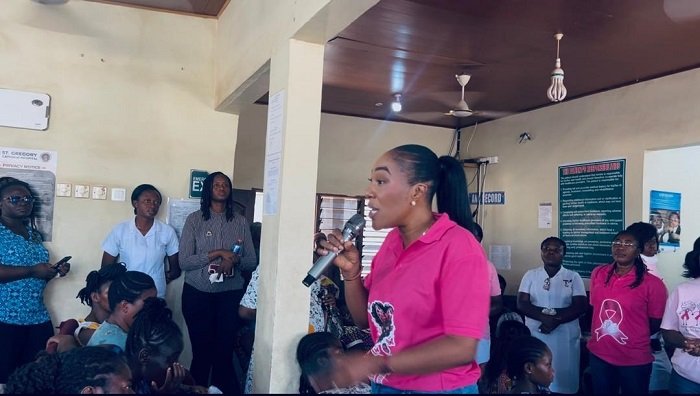
The Dzidula Pink Foundation has engaged expectant mothers on cervical cancer at a recent pregnancy clinic held at St Gregory Hospital, Budumburam in the Awutu Senya East District.
The engagement formed part of its advocacy on early cancer detection to safeguard maternal health.
It also formed part of the foundation’s broader mission to raise awareness about cancers affecting women, particularly at a time when many may be least likely to consider screening especially pregnancy and the postpartum period.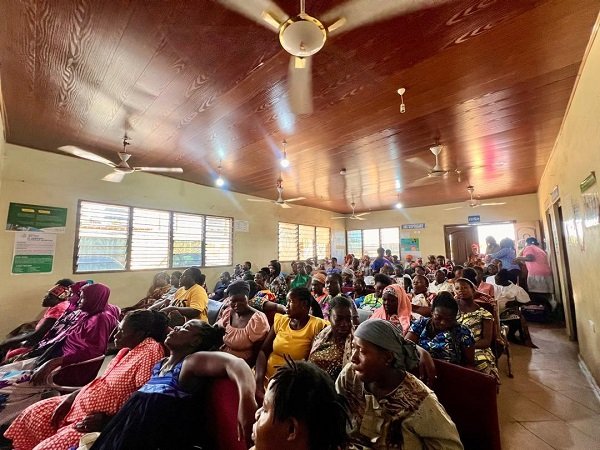
Addressing a gathering of pregnant women at the clinic, the president of the foundation, Ms Fafa Gozo, highlighted a worrying trend where a significant number of women are diagnosed with cancer around the time of delivery.
This, she noted, often results from delayed screening and limited awareness about the importance of early detection.
She educated the women about the need to prioritise their health by undertaking timely cancer screening, even while navigating the demands of pregnancy.
She reiterated that early detection remains one of the most effective ways to improve treatment outcomes and reduce mortality.
“Pregnancy should not be a reason to delay screening. In fact, it is a critical period where heightened awareness can save lives,” Ms Gozo said.
The engagement also created a platform for open dialogue, allowing the expectant mothers to ask questions, share concerns, and receive guidance from health professionals present at the clinic.
Health experts at the facility echoed the foundation’s message, underscoring that routine checks and screenings, when done early, can lead to timely interventions and better health outcomes for both mother and child.
By Esinam Jemima Kuatsinu