News
Seek medical rather than spiritual care for children with signs of disability

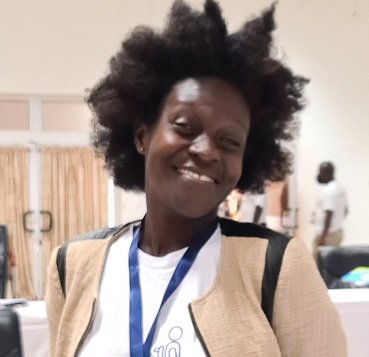
Parents and family members have been cautioned against the practice of consulting spiritualists instead of Specialists when they see signs of disability in their children.
A 42-year-old deaf student of the GH Media School, Miss Nukunu Akusika Deku said swift medical attention could save such children from permanently becoming disabled.
In an interview with The Spectator through a questionnaire, she blamed the society for making many children disabled because some parents had spent much time seeking spiritual attention rather than medical attention.
Ms Deku said some conditions needed either surgery, physiotherapy, one form of treatment or guidance to correct the defect but some parents instead devoted their time and money moving from one place to the other seeking spiritual help and came to the hospital as the last resort when the situation had worsened.
She disclosed that she was not born deaf but at the age of two, she fell and in the process hit her forehead on the floor resulting in her deafness.
She was of the opinion that if her parents had concentrated much in getting her the needed specialist attention, she could have escaped her current disability, “even though my family tried hard for me”.
The GH Media student said she was not against seeking spiritual help but medical attention was equally key because God could send the solution through the doctors.
“We also deserve love and care because it is not a choice we made. Disability could also happen to anybody regardless of age, sex or status in society,” she emphasised.
She said empowerment of disabled children was critical because it made them confident and as well gave them the opportunity to also contribute their quota to society.
Ms Deku was of the view that the society would rob itself of talents if disabled persons were discarded because they also had what it takes to help in the development of their communities.
From Dzifa Tetteh Tay, Tema.


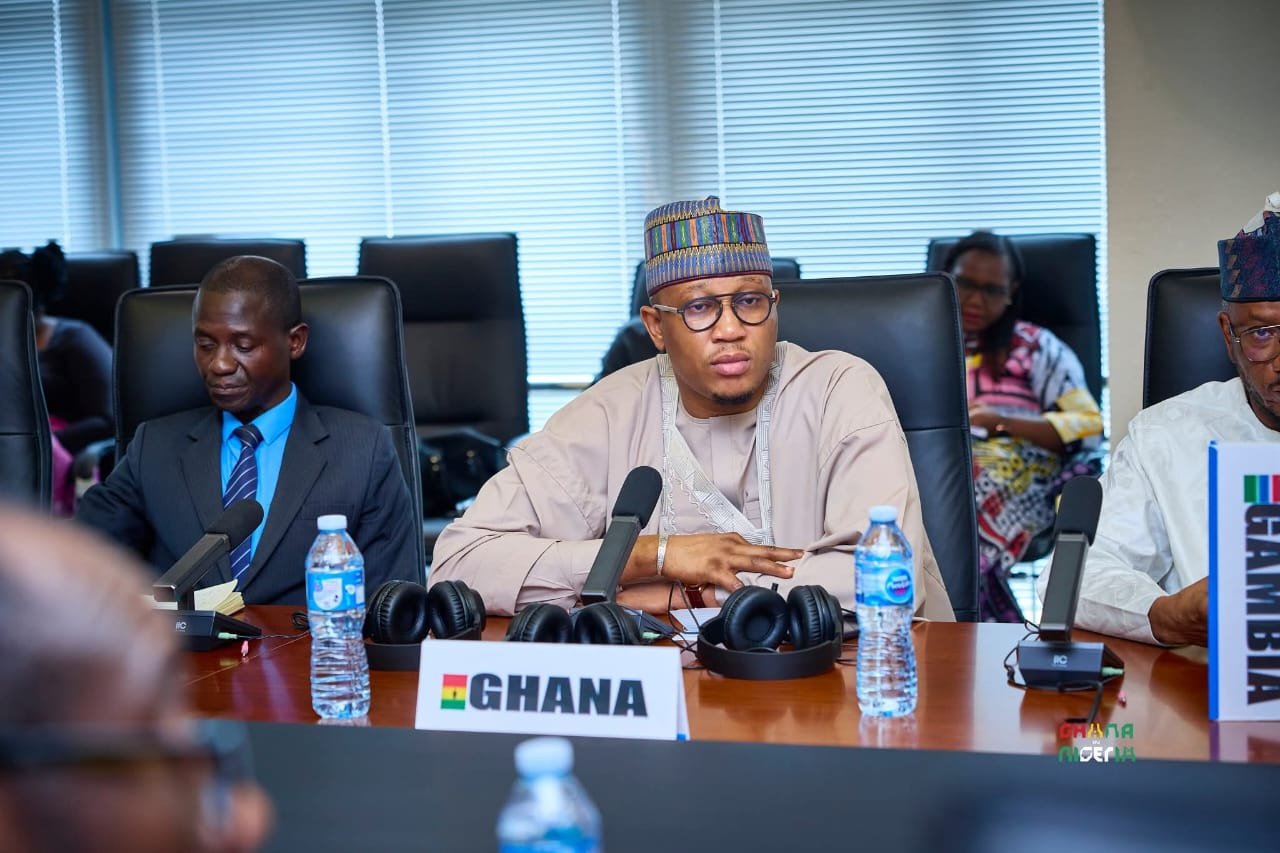
The Ghana High Commission in Abuja, Nigeria, is appealing to the public to help trace the relatives or next of kin of Apia Solomon, a Ghanaian national believed to be from Osu, Accra.
According to a public announcement by the High Commission, Mr. Solomon, born on March 6, 1960, in Accra, died on July 5, 2021, from cardiopulmonary failure.
He worked as a temporary civilian staff member at the National Defence College in Nigeria. His remains are currently being kept at the Nigerian Air Force Hospital morgue in Abuja, pending burial arrangements.
The High Commission says efforts to locate his relatives have so far been unsuccessful and is urging anyone with information about his family, friends or next of kin to come forward.
Anyone with relevant information is encouraged to contact the Ghana High Commission in Abuja.
By: Jacob Aggrey
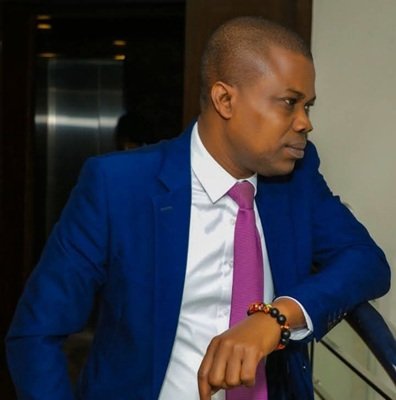
Security consultant Richard Kumadoe has blamed what he describes as flawed recruitment and incomplete background checks for some of the problems facing the Bureau of National Intelligence (BNI).
He has called on the leadership of the BNI to review the backgrounds of officers recruited during specific periods, particularly those who entered the agency under recent recruitment processes.
Speaking on the issue on TV3 yesterday, Mr Kumadoe alleged that some individuals were recruited into the intelligence agency without proper background checks and completed vetting.
“Certain categories of persons were dumped into the BNI, whose backgrounds were not checked, and whose vettings were not completed,” he stated.
He said some of the officers linked to the concerns appeared to have been recruited within the same period, making it necessary for the agency to examine the recruitment records and backgrounds of those who joined during that time.
Mr Kumadoe argued that the problems could be addressed by ensuring that recruitment procedures were properly followed and that all applicants underwent the required checks before being employed.
According to him, when the selection process is flawed, it can lead to problems within the institution.
He blamed the politicisation of security institutions, arguing that appointing people without the necessary intelligence experience and allowing political interests to influence recruitment could undermine their operations.
“When you have a selection procedure that was flawed because you politicised the place, brought in people to come and head the place when they have no business being there, they don’t know anything about being a BNI officer, they are not intelligence officers, and you flood the place with politicians and political artists, then you circumvent the standard procedure and you are going to have some of these problems,” he said.
Mr Kumadoe, however, defended the current leadership of the BNI, arguing that efforts to address longstanding problems within security institutions could bring such issues to light.
He said the leadership should be assessed in the context of the steps it is taking to improve the agency’s operations and uphold professional standards.
Drawing on his own experience in the intelligence field, he said the opportunity to serve under experienced officers had helped him develop the skills and integrity needed to contribute to national security.
By: Jacob Aggrey