Relationship
Secrets to create meaningful relationships Know yourself to know others

When you learn to dig deep within yourself, you begin to learn about others more. The more you allow people to connect with you; you’d get to know them better in return. You’d know how to reach the very depth of people.
You alone are responsible for your feelings.
Don’t give people the power to control your mind or heart. You’re personal and perfectly capable of deciding how you feel about specific circumstances or people. Don’t let anyone take that away from you.
Be yourself, at all costs.
If someone doesn’t like you, it’s not your responsibility to change their opinion. You shouldn’t have to please anyone. Don’t change yourself to gain acceptance. Be proud of who you’re. You’re one of a kind. And if people can’t accept you for who you’re, you don’t need to keep them around.
Despite all the differences, people are essentially the same
Sure everyone you meet will be a little different from you, but what is life without a bit of colour. At the same time, you’d have at least a few things in common with the people you meet. Our similarities can link us and be the foundation of something unique.
No expectations, no disappointments
Not everyone has the same heart as yours. Not everyone is going to treat you the way you treat them. Don’t set any expectations from anyone; you might end up hurt. So spare yourself the pain, but be the best you can be. And let people surprise you. And if you meet someone who isn’t precisely lovely every once in a while, this habit of yours wouldn’t allow you to be affected much by them.
Listen to them attentively!
If someone’s sitting before you talking about something, listen to them intently, even if it doesn’t seem essential to you. It’s critical enough for them to speak to you about it, and you should respect that. Moreover, they’re talking to you about it because they expect you to listen and understand, don’t let them down. Even if the subject of the conversation doesn’t matter, the person talking matters, all the same; don’t be disrespectful.
Love yourself more, to be loved more
The more you love yourself, you’ll attract people who’d be capable of loving you with the same intensity. You’re showing people what you want and how you deserve to be treated. It works as a filter; only the people who’re willing to live up to those standards will dare reach out to you.
Don’t let the fear of getting hurt turn into the fear of falling in love
Please don’t play it safe; you’re never going to have a chance of finding what you’re looking for. Feelings are reciprocated. Love with all your heart, to be loved the same way. When it isn’t returned, it does hurt with the same intensity, but it teaches you how to cope with heartbreak all the same.
Love unconditionally
You are only responsible for what you do and how you feel. Love without any expectations of it being returned. You get back what you put out. Don’t be afraid of getting hurt.
Stop chasing people or things. What’s meant for you will find you
Focus on being the kind of person you’d want in your life. Don’t run after the things or people you think might be right for you. The right people and circumstances will find you when the time is right. Be the right person, and the right things will come to you.
To be continued.

Relationship
The importance of emotional intelligence in relationship and marriage

AS a marriage counsellor and published author of marriage books, I have seen firsthand the profound impact emotional intelligence can have on relationships and marriages. Emotional intelligence is the ability to recognise and understand emotions in yourself and others, and to use this awareness to guide thought and behaviour. In the context of relationships and marriage, emotional intelligence is a game-changer.
Emotional intelligence involves being aware of your emotions, managing them effectively, and using empathy to understand your partner’s feelings. It is about being attuned to the emotional nuances of your relationship and responding in ways that foster connection, trust, and intimacy.
In relationships and marriage, emotional intelligence helps partners navigate conflicts, communicate effectively, and build a deeper connection. When both partners have high emotional intelligence, they are better equipped to manage stress, resolve conflicts, and show empathy and understanding towards each other.
Benefits of emotional intelligence in relationships
1. Better communication
Emotional intelligence helps partners communicate their needs, feelings, and concerns more effectively.
2. Conflict resolution
Emotionally intelligent partners can manage conflicts in a more constructive and respectful way.
3. Deeper connection
Emotional intelligence fosters empathy, understanding, and intimacy in relationships.
4. Increased trust
When partners understand and manage their emotions effectively, they build trust and stability in their relationship.
Practical tips for building emotional intelligence in relationships
1. Practice self-awareness
Understand your emotions and how they impact your interactions with your partner.
2. Develop empathy
Make an effort to understand your partner’s feelings and perspective.
3. Communicate effectively
Use emotional intelligence to guide your communication and conflict resolution.
4. Manage stress together
Support each other in managing stress and emotions.
By focusing on emotional intelligence, couples can create a more loving, supportive, and enduring relationship.
To be continued …
Source: Excerpts from “COURTSHIP MATTERS: Keys to a Fulfilling LastinMarriage” Book by REV. COUNSELOR PRINCE OFFEI (Lecturer, Published Author, and Marriage Counsellor).
ORDER BOOK NOW:
https://princeoffei22.wixsite.com/ author https://princeoffei22.wixsite.com/website
COUNSELOR PRINCE & ASSOCIATES CONSULT (CPAC COUNSELLOR TRAINING INSTITUTE)
By Counselor Prince Offei
Relationship
Not all snoring is created equal
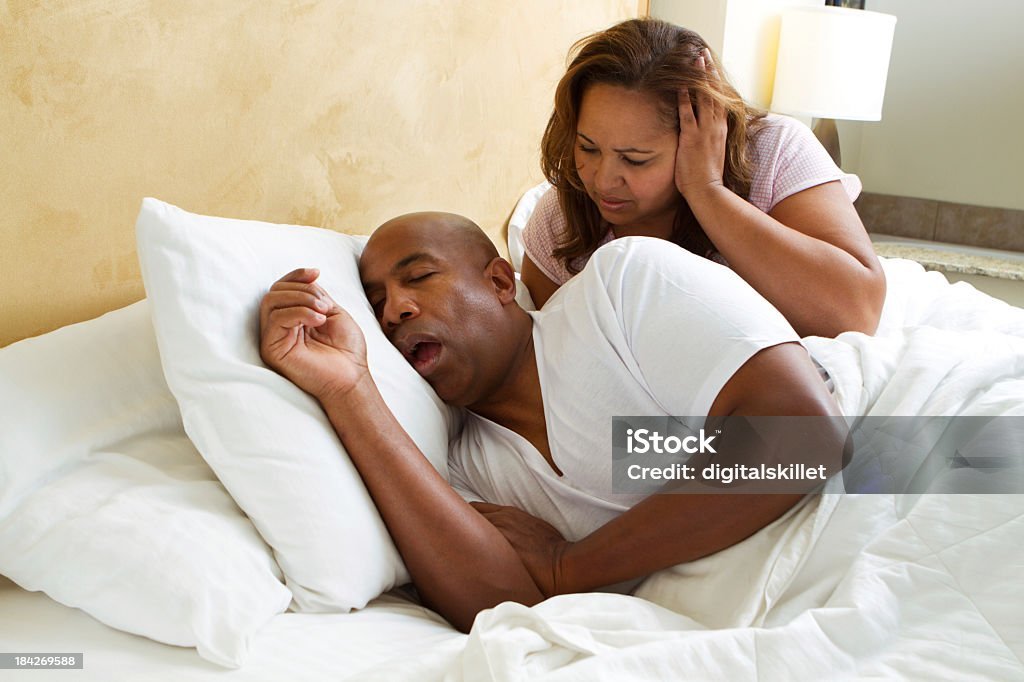
When people are unable to differentiate between your snore and a locomotive engine or a trumpet that could break down walls, it may not just be a nuisance to your bed and housemates, but it may signal a serious medical condition.
Loud snoring may be a warning that you have Sleep Apnoea, a condition that opens doors to several serious life-threatening complications.
Not every snoring is associated with sleep apnoea and also there may be sleep apnoea without snoring.
Sleep Medicine is no luxury, we need to do everything possible to get good quality sleep, especially when sleep is one of the greatest legal performance enhancing ‘drugs’ known to man.
In sleep apnoea, breathing repeatedly stops and starts during sleep. It may be as often as 30 times in an hour. This shortchanges our brain of oxygen, and it is a potentially dangerous sleep disorder.
Types of Sleep Apnoea;
• Obstructive Sleep Apnoea (OSA)
o The commonest by far. Throat muscles relax and block flow of air
• Central Sleep Apnoea
o Brain does not send proper signals to muscles controlling breathing
• Complex Sleep Apnoea
What may signal Sleep Apnoea/ What to look out for
• Loud snoring
• Episodes in which you stop breathing during sleep — which would be reported by another person
• Gasping for air during sleep
• Awakening with a dry mouth
• Morning headache
• Difficulty staying asleep, known as insomnia
• Excessive daytime sleepiness, known as hypersomnia
• Difficulty paying attention while awake
• Irritability
• You may just not be able to complete a movie?
• Involved in minor accidents at home, work or even on the road?
Get checked out. Even children may suffer from sleep apnoea.
What increases our chance of developing Sleep Apnoe?
• Excess weight or fat.
• Neck circumference. People with thicker necks might have narrower airways.
• A narrowed airway. Tonsils or adenoids also can enlarge and block the airway, particularly in children.
• Being male. Men are two to three times more likely to have sleep apnea than women. However, women increase their risk if they’re overweight or if they’ve gone through menopause.
• Being older. Sleep apnea occurs significantly more often in older adults.
• Family history. Having family members with sleep apnea might increase your risk.
• Use of alcohol, sedatives or tranquilisers.
• Smoking. Smokers are three times more likely to have obstructive sleep apnoea
• Nasal congestion. If you have trouble breathing through your nose — whether from an anatomical problem or allergies — you’re more likely to develop obstructive sleep apnea.
• Medical conditions. Congestive heart failure, high blood pressure and type 2 diabetes are some of the conditions that may increase the risk of obstructive sleep apnea. Polycystic ovary syndrome, hormonal disorders, prior stroke and chronic lung diseases such as asthma also can increase risk.
What complications may
occur from untreated Sleep
Apnoea
Sleep apnea is a serious medical condition. Complications of OSA can include:
• Daytime fatigue. The repeated awakenings associated with sleep apnea make typical, restorative sleep impossible, in turn making severe daytime drowsiness, fatigue and irritability likely.
You might have trouble concentrating and find yourself falling asleep at work, while watching TV or even when driving. People with sleep apnea have an increased risk of motor vehicle and workplace accidents.
You might also feel quick-tempered, moody or depressed. Children and adolescents with sleep apnea might perform poorly in school or have behaviour problems.
• High blood pressure or heart problems. Sudden drops in blood oxygen levels that occur during OSA increase blood pressure and strain the cardiovascular system. Having OSA increases your risk of high blood pressure.
OSA might also increase your risk of recurrent heart attack, stroke and irregular heartbeats, such as atrial fibrillation. If you have heart disease, multiple episodes of low blood oxygen (hypoxia or hypoxemia) can lead to sudden death from an irregular heartbeat.
• Type 2 diabetes. Having sleep apnea increases your risk of developing insulin resistance and type 2 diabetes.
• Metabolic syndrome. This disorder, which includes high blood pressure, abnormal cholesterol levels, high blood sugar and an increased waist circumference, is linked to a higher risk of heart disease
• Liver & Kidney problems
• Sleep-deprived room or house mates
• Complications during surgery and also with some medication
Lifestyle modifications that may help
• Lose excess fat. Even a slight weight loss might help relieve constriction of your throat. In some cases, sleep apnea can resolve if you return to a healthy weight, but it can recur if you regain weight.
• Exercise. Regular exercise can help ease the symptoms of obstructive sleep apnea even without weight loss.
• Avoid alcohol and certain medicines such as tranquilisers and sleeping pills. These relax the muscles in the back of your throat, interfering with breathing.
• Sleep on your side or abdomen rather than on your back. Sleeping on your belly has many posture related challenges but we may adopt that briefly as we work on definitive treatment.
• Don’t smoke.
Diagnosis and Treatment
There is help so if you think you may have sleep apnoea do not hesitate to speak to your doctor.
A few questions, examination and Sleep Studies and a diagnoses may be reached and the appropriate treatment, advice or support systems put in place.
Yes, the options vary from just lifestyle modifications to the famous CPAP, implants and even surgery BUT do seek help, not only will you feel brand-new when the condition is resolved, you may be saving relationships.
……definitely not all snoring is created equal. Find out about yours.
AS ALWAYS LAUGH OFTEN, ENSURE HYGIENE, WALK AND PRAY EVERYDAY AND REMEMBER IT’S A PRICELESS GIFT TO KNOW YOUR NUMBERS (blood sugar, blood pressure, blood cholesterol, BMI)
Dr. Kojo Cobba Essel
Health Essentials Ltd (HE&W Group)
(dressel@healthessentialsgh.com)
*Dr. Essel is a Medical Doctor with a keen interest in Lifestyle Medicine, He holds an MBA and is an ISSA Specialist in Exercise Therapy, Fitness Nutrition and Corrective Exercise. He is the author of the award-winning book, ‘Unravelling The Essentials of Health & Wealth.’
Thought for the week (1) – “I am hard pressed to choose the greatest legal performance enhancing drug. Is it good quality Sleep or Exercise?”
By Dr. Kojo Cobba Essel