Health Essentials
S.E.L.F. care is priceless!

- /home/u249204778/domains/spectator.com.gh/public_html/wp-content/plugins/mvp-social-buttons/mvp-social-buttons.php on line 27
https://spectator.com.gh/wp-content/uploads/2021/09/Fruits-Pix.webp&description=S.E.L.F. care is priceless!', 'pinterestShare', 'width=750,height=350'); return false;" title="Pin This Post">
- Share
- Tweet /home/u249204778/domains/spectator.com.gh/public_html/wp-content/plugins/mvp-social-buttons/mvp-social-buttons.php on line 72
https://spectator.com.gh/wp-content/uploads/2021/09/Fruits-Pix.webp&description=S.E.L.F. care is priceless!', 'pinterestShare', 'width=750,height=350'); return false;" title="Pin This Post">
The past few years have seen STRESS take centre stage in many places and it comes as no surprise that it has been labelled “the health epidemic of the 21st century.” Then the COVID-19 pandemic moved stress and mental health in general to another level never experienced in modern times. I dare say that never in the history of the world have so many people experienced similar feelings at the same time. What about the World Wars?
It is heart-warming that one will most likely be applauded when they state clearly how they feel and put their mental health above all others. Well only a few people will still judge people who see the need to make self-care a priority.
Many people have proposed practical ways to manage stress but when all is said and done we have to change our mindset and realise none of us is immune to stress. We can’t even achieve our lofty goals without some element of stress. As Hall and Sanders put it “the biggest misconception about stress is that we have to beat it; when we make stress the enemy we actually create more stress for ourselves. While stress may arise from unregulated negative emotions, intentionally activating positive heart emotions such as care, appreciation, compassion and ease, decrease your stress by creating harmony. POSITIVE THINKING isn’t enough here. It must be positive feelings from the heart to affect your body and brain. It all comes down to learning how to react positively from a mental and emotional standpoint to negative stressors in our lives.” Oh and I know that is no walk in the park but the benefits outweigh the downsides so let us start now.
If you are like the majority of people it may be time to set realistic expectations; continuously seeking bigger and better things in every aspect of our lives may be self-destructive as we may be setting ourselves up for failure. I just read your thoughts; there is a fine line between continuous self-improvement and setting unrealistic goals.
Hall’s acronym “S.E.L.F. care” is extremely helpful and easy to remember as well as follow. Give it a try now and incorporate it into your activities of daily living.
S stands for serenity, E for exercise, L for love and F for food!!
- Serenity
Five minutes of “Me-Time” does a world of good to us. It reboots our mind and body and we should incorporate time in our schedule no matter how busy or “stressed” we may think we are. It could just be sitting briefly to meditate or pray. Spending time to do deep belly-breathing, progressively relaxing our muscles, listening to music or even taking a long relaxing bath if you are lucky to have water. Well it may also be time to count your blessings.
- Exercise
Physical activity does amazing things to our physical and mental health and we should not short-change ourselves on this. You do not need to exercise for hours to reap these benefits; Just Do It even if it means walking for five minutes a day and gradually adding on to it BUT do remember SITTING for long hours is probably one of the worst things you could do to yourself.
- Love
When Jesus asked us to love one another He was setting us up to live a rounded , robust life.” Isolation they say kills and community heals” and it is not surprising that having strong social ties is a major factor in longevity. The pandemic has definitely taught us that as humans we are all social animals. We can surround ourselves with a core group of caring family or friends. Some people also believe in the power of pets and yes there is evidence to support the benefits as well.
- Food
Healthy food has a way of lifting our mood but there is the risk of unhealthy snacking as well. Avoid drowning your “sorrow” in alcohol and do not overdo caffeinated beverages.
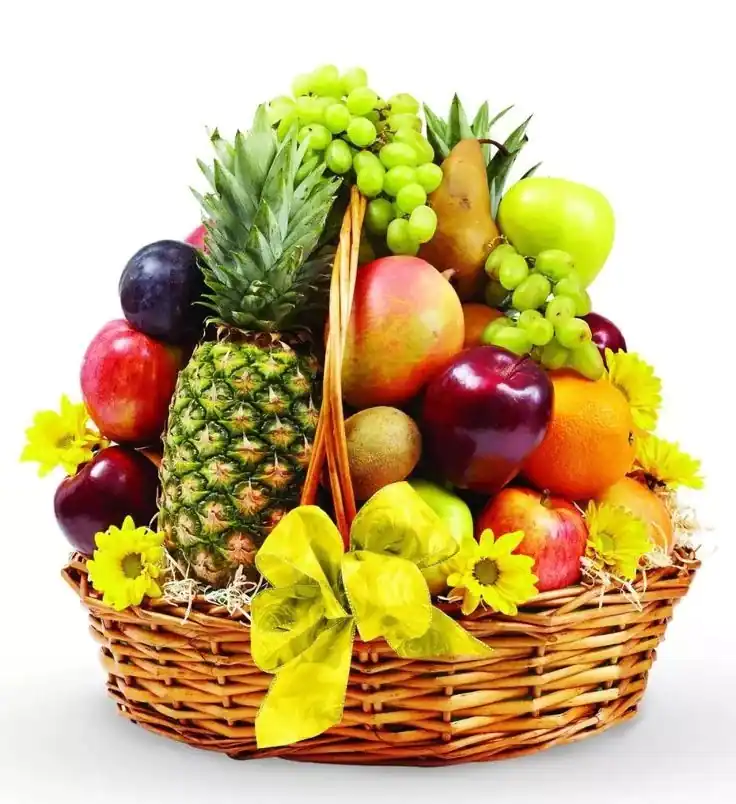
Adding anti-oxidants like cocoa to your food is PRICELESS!
As much as possible make healthy food choices and your mood and mental health will thank you.
No one has all the answers to managing stress but I trust you will benefit from some of these. Make the choice that puts your S.E.L.F. first.
AS ALWAYS LAUGH OFTEN, ENSURE HYGIENE, WALK AND PRAY EVERYDAY AND REMEMBER IT’S A PRICELESS GIFT TO KNOW YOUR NUMBERS (blood sugar, blood pressure, blood cholesterol, BMI)
Dr. Kojo Cobba Essel
Health Essentials Ltd/ St Andrews Clinic/Mobissel
Dr. Essel is a medical doctor, holds an MBA and is ISSA certified in exercise therapy, fitness nutrition and corrective exercise.
Thought for the week–“STIGMATISATION has no place in fighting this pandemic. It will cause people to hide and not disclose their status, seek medical care late and reduce all the benefits of protocols. We should all be comfortable enough to tell our close contacts when we test positive for COVID-19 so that the proper measures are taken. This is extremely important if we have to win this fight.”- Dr. Kojo Cobba Essel
References:
- Special TIME edition on STRESS; “Expert-Backed Ways to Deal” by Audrey Noble


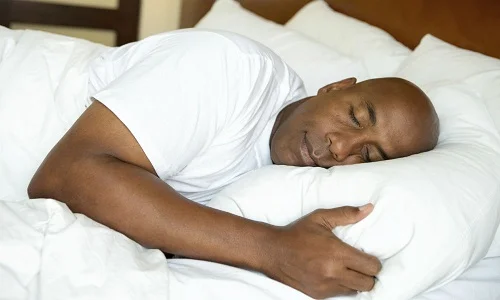
It appears I am stuck in sleep mode; last week we discussed sleep hygiene and now it’s napping. Could it be my brain doing its best to make me understand it needs more sleep?
Many of us developed a love for afternoon naps while in school because it was mandatory to “sleep” after lunch. It may have been a luxury to get restful sleep in one’s junior years but our brains got the message: sleep after lunch to get a boost in energy to prepare you for the rest of the day.
As the years rolled by sleeping after lunch, for instance, has become a mirage but everyone loves a “power nap”. The French do a great job when it comes to their afternoon break.
If you enjoy your naps, you may have experienced that feeling of extending your sleep once you go beyond half an hour. It’s that feeling of no turning back. On the other hand, if you nap for just about 30 minutes you seem to have a new lease of energy.
I love naps whenever I get a chance to squeeze one in, but school had siestas that lasted about an hour so sometimes I love to revisit the days of old. A new research finding is, however, about to trample on that glorious time spent hitting on the snooze button and being at peace with the sheets, chair or even bench or floor in some instances.
We all appreciate that getting enough sleep is key to good health but this study suggests that long daytime naps may not be in your best interest.
The researchers found that long naps in excess of 40 minutes and excessive daytime sleepiness were associated with an increased risk for conditions such as high blood pressure, diabetes, obesity and high cholesterol; collectively referred to as metabolic syndrome.
The research showed that people who napped for less than 40 minutes were not at increased risk for metabolic syndrome. In fact, those who napped less than 30 minutes had a slight decrease in risk.
The findings seem to point accusing fingers at those of us who nap for over 40 minutes; that is when the problems seem to begin. I am sure you can confidently guess what happens when people nap for over 90 minutes; the risk of developing metabolic syndrome increased by as much as 50%.
“The review also found that napping for more than an hour or being overly tired during the day were both linked with a 50 percent higher risk for type 2 diabetes.”
“However, the study only found an association between these factors, and did not prove that excessive sleepiness and long naps actually cause metabolic syndrome or diabetes.”
Is it possible that those of us who nap for long periods of time also avoid physical activity and probably over-indulge in comfort foods, hence increasing the risk for these lifestyle diseases?
One thing is certain, you cannot go wrong with a short nap; it can be extremely satisfying. So while the scientists continue to explain and maybe confirm these findings, let us limit our naps to 30 minutes. If you have extra time take a walk or get some work done.
This may be a reminder that too much of even a good thing may be harmful. Sleeping has great benefits including reducing our risks for developing heart and blood vessel diseases such as stroke, it improves our immunity and also enhances our performance in all spheres of life.
Just as sleeping in excess of 9 hours at a time has been linked with bad outcomes, excessive daytime napping is now getting its “day in court”. Moderation in all things must be key!!
A nap is essential for every individual
A 20-minute nap in the early afternoon may:
• Ease your stress
• Sharpen your memory
• Help you react faster
• Improve your job performance
• Boost your energy
• Lift your mood
• Make you more alert
How long did you nap today?
AS ALWAYS LAUGH OFTEN, ENSURE HYGIENE, WALK AND PRAY EVERY DAY AND REMEMBER IT’S A PRICELESS GIFT TO KNOW YOUR NUMBERS (blood sugar, blood pressure, blood cholesterol, BMI)
Dr. Kojo Cobba Essel
Health Essentials Ltd/ Medics Clinic
(dressel@healthessentialsgh.com)
Dr. Essel is a medical doctor with a keen interest in Life Style Medicine, holds an MBA and is an ISSA Specialist in exercise therapy, fitness nutrition and corrective exercise. He is the author of the award-winning book, ‘Unravelling The Essentials of Health & Wealth.’
Thought for the week – “Sleep is an important component of our healthy lifestyle, as well as diet and exercise,” says Dr. Tomohide Yamada. “Short naps might have a beneficial effect on our health, but we don’t yet know the strength of that effect or the mechanism by which it works.”
References:
- WebMD News from HealthDay by Robert Preidt
- Extract from “The Importance of Obtaining Adequate Sleep” by Dr. Obo Addy
Your Weekend Companion
www.spectator.com.gh
SKIP THE QUEUE, TAP THE NEWS
You can now read the Ghanaian Times and The Spectator newspapers from the comfort of your device via TimesNewsPlus.
Join our WhatsApp Channel: https://whatsapp.com/channel/0029VbBElzjInlqHhl1aTU27

Sleep comes in different shades. There are those who sleep pretty and hardly move an inch in bed. Then we have those who are virtually at war when in bed and may turn a whole 360 degrees several times in the land of the unknown. Woe betide you if you find yourself in the same “sleep ring” with such a fighter. The most “decorated” ones bring music to sleep and the noise that exudes from their throats, nostrils and mouth could compete with any orchestra except that harmony is often thrown to the wind; those of us who belong to this category know ourselves.
Inspite of all the above, when I am hard pressed to pick one thing that has the greatest impact on one’s health, I will say SLEEP reigns. Too many challenges spring up when we fail to get enough sleep and it’s no wonder that at the doctor’s office we hear many complaints of not being able to sleep.
Most of the time the solution is not in popping pills but the Sleep Hygiene Tips below will go a long way to make a difference in your sleep and subsequently your health.
Sleep hygiene tips
- Create darkness in the room
- Sleep is easier when your room is dark. A bright room may be a challenge especially if you already have a bunter with sleep.
- Have a Regular sleep plan
- Keep to the safe time you go to bed and also time you wake up. Regularity is key.
- Ensure room is cool and well ventilated
- An extremely hot or cold room may keep you awake just tossing and turning. A nice breeze makes sleep even better.
- Wind down or unplug about an hour to bedtime
- Rushing throughout the day and then diving into bed may not be the best remedy for sleep. Slow down, start putting off lights, stop working and maybe spend about 5 minutes meditating or speaking to God.
- Avoid phones, laptops, work in bed/bedroom
- These have no business in your sleep area and should not be in your bed for sure. The glare from lights, the vibrations or sounds from messages and even calls may keep you awake and give you a nightmare with your eyes wide open.
- Exercise
- Exercise and laugh and you will be preparing yourself for a sound sleep. You may exercise anytime of the day but when you struggle a lot with sleep the ideal time may be four to six hours before bedtime. Exercising an hour or two before you sleep may rather keep you alert and awake.
- Watch your food intake; don’t overeat, avoid spicy food and lots of oil
- Gluttony is definitely “sinful” and one of the instant punishments is discomfort and difficulty sleeping. A full stomach at bedtime makes one wish for daybreak. The spices can also cause havoc especially when eaten late. That heartburn will wake you up and keep you sitting and cursing all night.
- Watch what you drink; stimulants may affect your sleep e.g. caffeine, fizzy drinks, alcohol and energy drinks
- If you have trouble with sleep or you do not want your sleep to be disturbed in any way, avoid these 4 clear hours or more before sleep time. ACOHOL deceives you into thinking you will sleep only to wake up early, feeling unrested or making dashes to the washroom.
- Discuss with your doctor when to take some of your prescribed medication
- Sometimes some medications we are on may cause us to wake up several times to urinate and should preferably be taken much earlier in the day. Others keep us alert over several hours.
- Writing your TO DO LIST for the next day relaxes the brain
- The brain sometimes will keep “working” in an attempt not to forget what you need to do the following day. Hack your brain by writing down or typing out your To Do List for the following day and you will be blessed with good sleep.
- Get professional care to diagnose and manage medical conditions
- Sometimes it’s a medical condition that is directly or indirectly depriving us of good sleep and our health professional can help us find and treat this so we can once more enjoy the bliss of the Lotus Eaters. Maybe it could be a medication that is just not right for you.
Popping pills to sleep in most cases will not solve the challenge and should never be our first line of correcting our sleep wars. Adopt these hygiene tips today even if you sleep well and your health will be on the right path. Not even the decorated bedroom trumpeter or the sleep fighter can take your sleep away from you.
AS ALWAYS LAUGH OFTEN, ENSURE HYGIENE, WALK AND PRAY EVERYDAY AND REMEMBER IT’S A PRICELESS GIFT TO KNOW YOUR NUMBERS (blood sugar, blood pressure, blood cholesterol, BMI)
Dr. Kojo Cobba Essel
Health Essentials Ltd/Medics Clinic
(www.healthessentialsgh.com)
*Dr. Essel is a Medical Doctor with a keen interest in Lifestyle Medicine, He holds an MBA and is an ISSA Specialist in Exercise Therapy, Fitness Nutrition and Corrective Exercise. He is the author of the award-winning book, ‘Unravelling The Essentials of Health & Wealth.’
Thought for the week – “ A good laugh and a long sleep are the best cures in the doctor’s book.” – Irish Proverb
SKIP THE QUEUE, TAP THE NEWS
You can now read the Ghanaian Times and The Spectator newspapers from the comfort of your device via TimesNewsPlus.
Join our WhatsApp Channel: https://whatsapp.com/channel/0029VbBElzjInlqHhl1aTU27

 Entertainment1 week ago
Fiifi Coleman Productions adapt ‘I Told You So’ stage play into feature film
- News7 days ago
48 Engineer Regiment to be major sub-contractor on Accra-Kumasi Expressway, $2bn ready- Prez Mahama
- Entertainment6 days ago
Rhythms On Da Runway returns November 28 with 16th edition themed ‘Unbound’