Hot!
Roundtable on Benefits of Natural Gas for Population and Economy held in South Africa

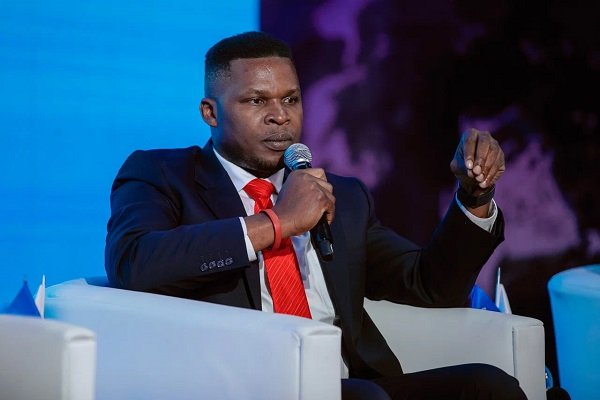
The International Roundtable titled “The Benefits of Natural Gas for the Population and the Economy” was held on Thursday 22nd June 2023 in Johannesburg (South Africa).
The event took place under the auspices of the African Energy Chamber with support from Gazprom.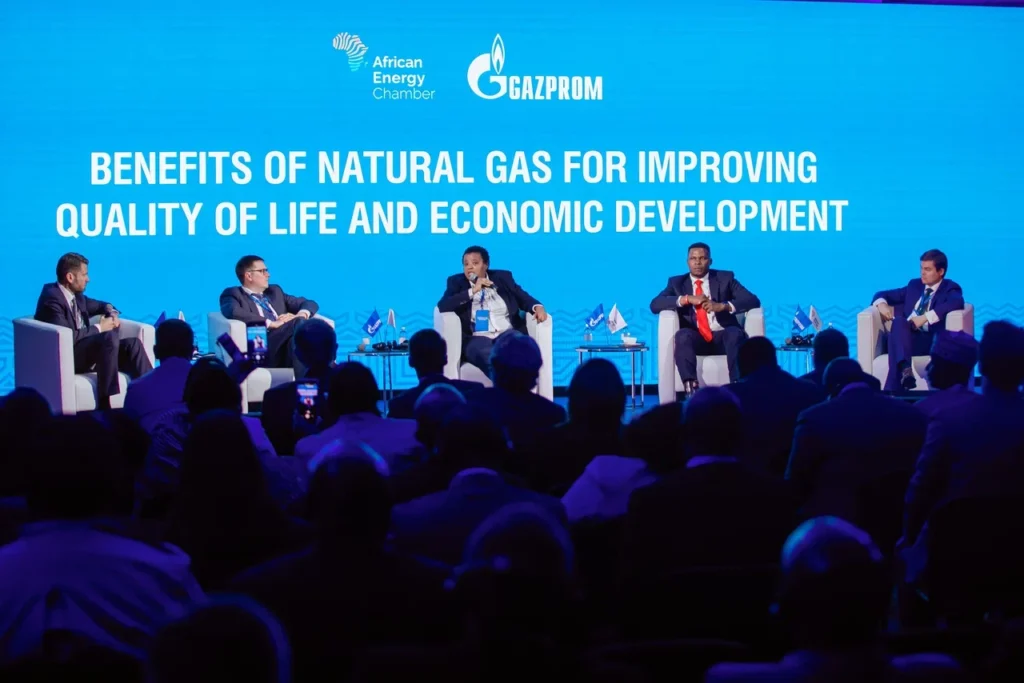
H.E Ilya Rogachev, Ambassador Extraordinary and Plenipotentiary of the Russian Federation to the SAR and concurrently to the Kingdom of Lesotho, Dmitry Khandoga, Head of Department at Gazprom, NJ Ayuk, Chairman of the African Energy Chamber, as well as representatives of the business community, energy experts and journalists from across the African continent participated in the Roundtable.
The participants discussed the role of natural gas in the sustainable development of Africa, noting that most African countries continue to face the problem of energy availability with their energy consumption significantly below the world average.
It is estimated that Africa will generate over 60% of the global population growth by 2050. Taking into account the current urbanization trend, the region is expected to experience significant economic growth, which will be accompanied by a two-fold increase in energy consumption. In particular, the demand for natural gas will increase by 2.5 times.
It was highlighted at the event that an increase in natural gas production would help meet the growth in gas demand on the African continent. However, as of today, the bulk of gas produced in Africa is exported abroad. For instance, every third person in Nigeria, the largest African LNG exporter, has no access to energy. This is why it is the availability of energy for the industry and population that will be of primary importance for Africa’s dynamic development.
The participants of the Roundtable discussed the benefits of using natural gas as compared to other types of energy sources. It was noted that air pollution is a major concern for the continent. According to the statistics, polluted air is among the leading causes of premature deaths on the continent. This problem can only grow bigger over time. It was highlighted that all areas of activities making the biggest contribution to air pollution can be effectively addressed through the use of natural gas.
The potential role of gas in solving the food problem was also highlighted at the event. Besides the fact that the use of gas does not require large areas for electric power generation and does not lead to the reduction of cropped agricultural areas, gas is also a valuable raw material for the production of fertilizers which make it possible to significantly increase crop yields.
Presentations were delivered at the Roundtable by the representatives of Gazprom and the Gazprom Group companies, namely, Gazprom Gazifikatsiya, Gazprom Energoholding and Gazprom Helium Service. Their presentations provided information about the activities of Gazprom and the extensive scope of the Company’s competencies along the entire value chain of the gas business.
“Considering that the Government of the Republic of South Africa pursues the economic decarbonization policy, gas can become an effective solution to satisfy the demand for energy, as renewable energy sources cannot provide uninterrupted energy supplies. Therefore, I believe that Gazprom’s experience in natural gas liquefaction and gas pipeline construction projects can be of interest to our South African partners,” Ilya Rogachev added.
“Wider use of natural gas will help Africa solve a number of problems, from economic to social and environmental ones. We are confident that it is essential for Africa to discover all the advantages brought about by this type of fuel. We see potential in cooperation with African countries and we can offer them our unique expertise and our experience in technology. Gazprom is open to discuss constructive and mutually beneficial proposals which could facilitate economic development and improve the lives of people in African countries,” Dmitry Khandoga said.
“More than 600 million people in sub-Saharan Africa do not have electricity. And 900 million people, most of them women, do not have access to clean cooking technologies – these technologies are either absent or there is a lack of them. Even if we look at this single problem alone, we see that it makes sense to use the rich gas resources of the continent. As Africa needs industrialization, the use of affordable and abundant natural gas will encourage the creation of a significant number of jobs, as well as possibilities for the strengthening of potential, economic diversification and growth,” NJ Ayuk added.


The Diaspora Affairs Office at the Office of the President has hosted a delegation of African diaspora women who are in Ghana ahead of a planned Presidential Conferment of Citizenship ceremony.
The Director of Diaspora Affairs, Kofi Okyere Darko, explained in a Facebook post that the visit was a gesture of appreciation by the delegation to the Government of Ghana for its continued efforts to reconnect Africans in the diaspora with their ancestral homeland.
He indicated that the ceremony, scheduled for next Monday, will officially grant Ghanaian citizenship to members of the delegation as part of the country’s broader engagement with the African diaspora.
The delegation was led by Erica Bennett, Founder of the Diaspora Africa Forum.
According to Mr Okyere Darko, her years of advocacy have played an important role in strengthening ties between Africa and people of African descent living abroad.
He noted that the group’s journey towards citizenship represents not only a legal process but also a cultural and spiritual return to their roots.
Also present at the meeting was Natalie Jackson, an attorney who is also expected to receive Ghanaian citizenship during the ceremony. She works closely with renowned civil rights lawyer Ben Crump.
Mr Okyere Darko emphasised that Ghana remains committed to strengthening relationships with the African diaspora and promoting unity, identity, and shared heritage among people of African descent worldwide.
By: Jacob Aggrey
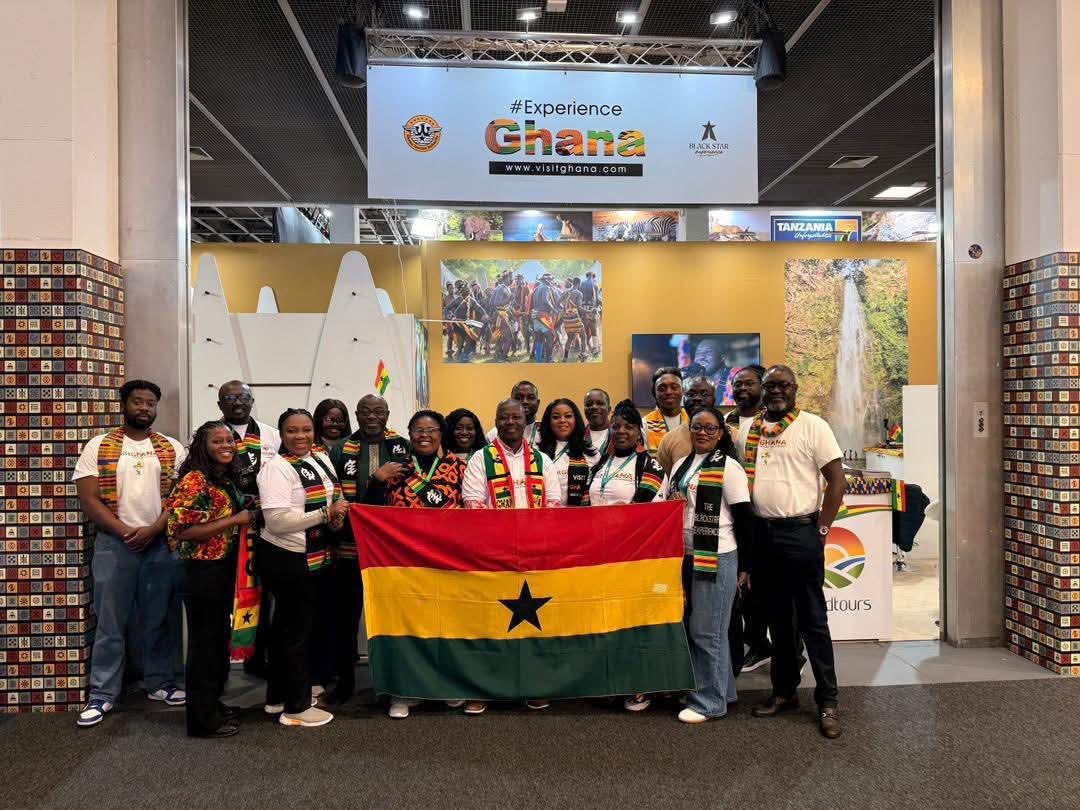
Ghana Tourism Authority is leading Ghana’s participation at ITB Berlin, which opened in Berlin with a vibrant national pavilion highlighting Ghana’s rich cultural heritage, tourism destinations and investment opportunities.
March 5 has been designated as Ghana Day, a special platform to promote Ghana’s languages, cuisine, Kente, festivals and business prospects to the global tourism community. The stand has already drawn strong interest with traditional arts and crafts displays, immersive multimedia presentations and popular Ghanaian snacks.
Seven private-sector players are exhibiting alongside government officials as part of efforts to deepen trade partnerships, expand market access, and attract investment across the hospitality, heritage tourism, ecotourism, and creative arts sectors.
Ahead of the official opening, the Ghana delegation also engaged young Ghanaian investors in Germany in collaboration with V Afrika-Verein and the Ghana Embassy, strengthening diaspora investment linkages and highlighting opportunities within the tourism value chain.
Ghana’s coordinated presence at ITB Berlin 2026 reinforces its strategy to position the country as the Gateway to Africa and a competitive destination for leisure travel and global investment.