News
Public urged to hold politicians accountable

- /home/u249204778/domains/spectator.com.gh/public_html/wp-content/plugins/mvp-social-buttons/mvp-social-buttons.php on line 27
https://spectator.com.gh/wp-content/uploads/2024/01/Rev.-Dr-Sam-Ankrah-delivering-his-sermon.jpg&description=Public urged to hold politicians accountable', 'pinterestShare', 'width=750,height=350'); return false;" title="Pin This Post">
- Share
- Tweet /home/u249204778/domains/spectator.com.gh/public_html/wp-content/plugins/mvp-social-buttons/mvp-social-buttons.php on line 72
https://spectator.com.gh/wp-content/uploads/2024/01/Rev.-Dr-Sam-Ankrah-delivering-his-sermon.jpg&description=Public urged to hold politicians accountable', 'pinterestShare', 'width=750,height=350'); return false;" title="Pin This Post">
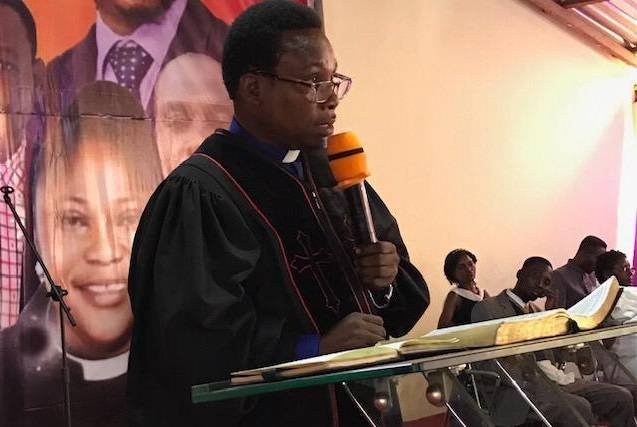
Rev. Dr Sam Ankrah delivering his sermon
Politicians have been advised to desist from presenting unachievable policies to the populace as the country prepares to go to the polls this year.
According to the Founder and General Overseer of the Kingspride Word Chapel International (KWCI) here in Tema, Rev. Dr Sam Ayi Ankrah, it was important for politicians not to lose focus on the needs of the people and how to provide them as they chase political power.
Climaxing a three-day conference dubbed ‘Gathering of The People’ with a sermon titled ‘Divine Shift,’ Dr Ankrah said politicians must consider the needs of the people and come out with policies that seek to address them.
He said political leaders have been noted for raising the hopes of the people with enticing policies to gain popularity but mostly to have those expectations dashed after gaining power.
He urged Ghanaians to weigh the options carefully and subject the messages of the leaders to thorough scrutiny and analysis before giving their preferred candidates their mandate.
The Head Pastor of the Church, KWCI-Adomfie, Reverend Francis Doe for his part said, accountability and the stewardship of political parties must give the citizenry enough grounds to extrapolate the credibility and competence of candidates to enable them make informed choices.
He called for a national roadmap or a legal framework to assess and hold political leadership accountable with punitive measures if at least 50 per cent of their promises were not fulfilled.
He said such legislations could discourage mere sloganeering and wrongful use of state resources meant for national development.
The three-day conference was aimed at helping Christians shift from their bad ways and serve God with truth and commitment.
From Ken Afedzi, Tema


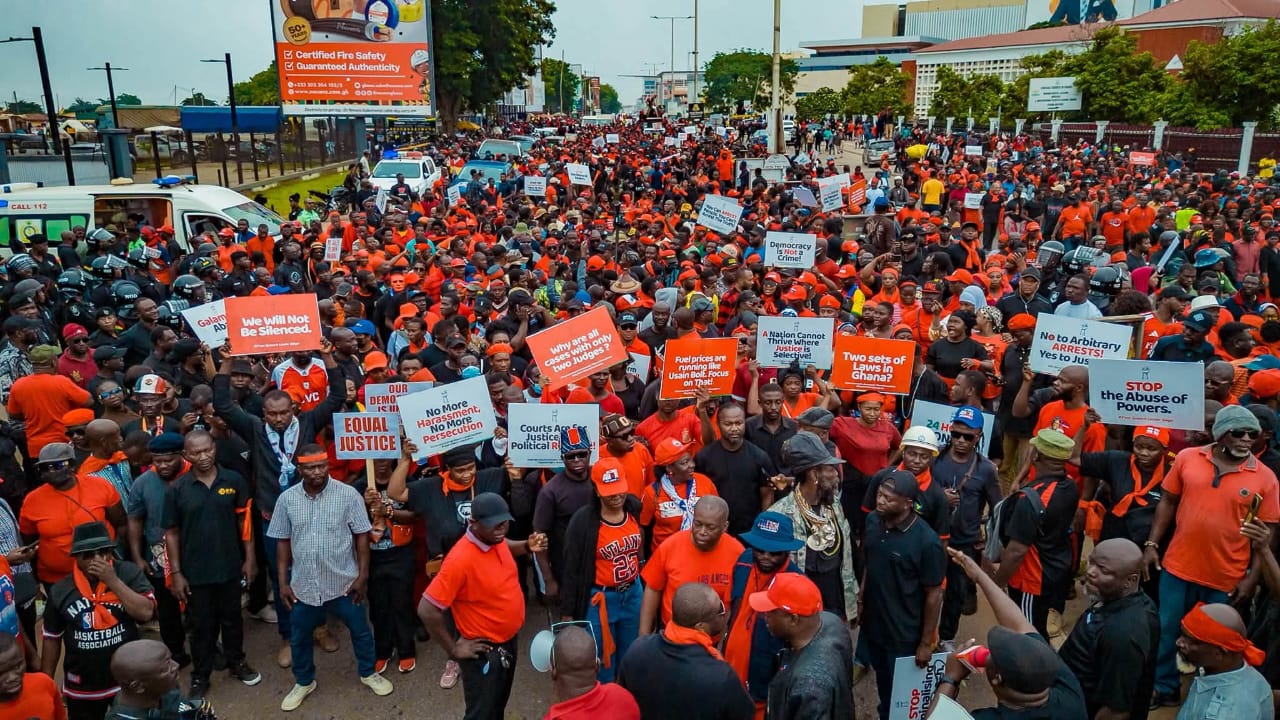
The New Patriotic Party (NPP) on Wednesday, August 6, 2026, staged a massive nationwide protest in Accra dubbed “Democracy Under Attack” to register its displeasure over what it describes as threats to Ghana’s democratic governance and justice system.
The demonstration commenced at 5:00 a.m., with hundreds of party supporters, executives and sympathizers gathering at the forecourt of the Supreme Court before marching through principal streets of the capital.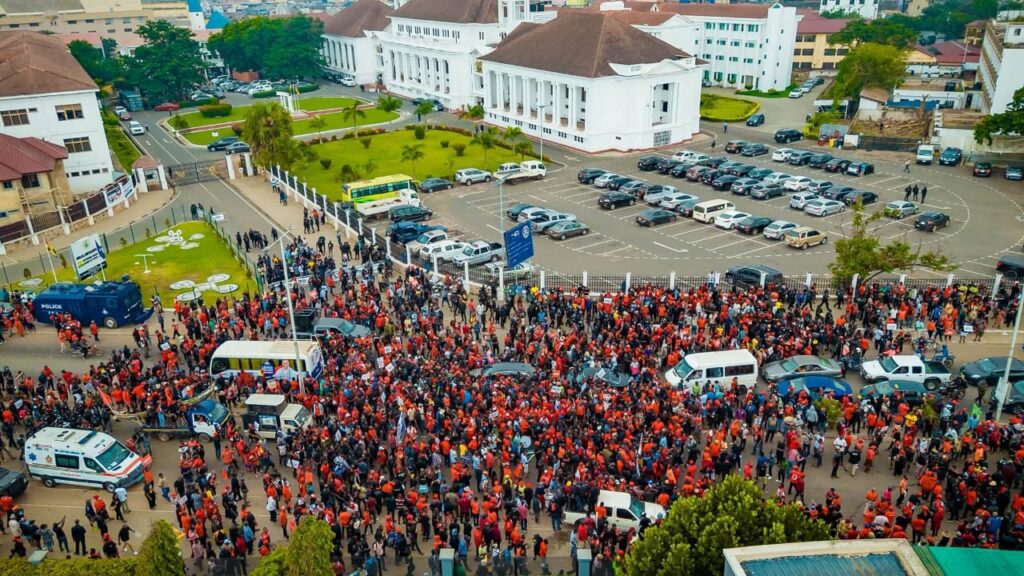
Ahead of the protest, the NPP National Steering Committee directed Regional, Constituency and Polling Station Executives in Greater Accra to work closely to mobilize members and supporters for the event.
Led by General Secretary Justin Kodua Frimpong, the protesters presented their first petition at the Supreme Court.
The five-page petition was received by Judicial Secretary, Musah Ahmed, on behalf of the Chief Justice.
He assured the party leadership that the document would be delivered to the Chief Justice.
At the Jubilee House, Presidential Staffer Nana Yaa Jantuah received the second petition on behalf of the President.
However, the gesture did not sit well with some party leaders.
Majority Leader, Alexander Afenyo-Markin, who also presented a petition, expressed disappointment at the government’s representation.
“Electing only Nana Yaa Jantuah to receive the petition on behalf of the government was an insult and did not show respect,” he said.
According to him, “It meant government did not place premium on the Democracy Under Attack demonstration.”
Speeches and Concerns Raised
Addressing the crowd, MP for Akuapem North, Sammy Awuku criticized what he called the criminalization of free speech.
“Arresting citizens for just insults doesn’t strengthen Ghana’s democracy,” he stated.
Dennis Miracles Aboagye, an embattled National Communications Director hopeful, also spoke about the climate of fear.
“Democracy under attack demo: I love to speak but right now I am afraid,” he told journalists.
One protester, a local trader, shared her frustration about the state of Ghana’s economy as she joined the march. She said the rising cost of living and governance issues compelled her to hit the streets.
The NPP leadership expressed appreciation to its members, civil society organizations and other political parties for cooperating fully to ensure a successful and peaceful event.
The “Democracy Under Attack” demonstration forms part of the party’s response to concerns it has raised over issues relating to Ghana’s democratic governance, rule of law and the justice system.
Security was tight but calm throughout the march, with no major incidents reported.
By Edem Mensah-Tsotorme
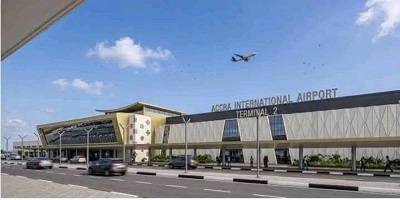
The Ghana Airports Company Limited (GACL) has announced new measures to stop extortion and begging by airport personnel at airports under its management.
The decision was taken at a high-level stakeholder facilitation meeting held in Accra on Wednesday, August 5, 2026.
In a press statement issued after the meeting, GACL said stakeholders agreed to introduce a “mystery shopping” system in which individuals would secretly assess the conduct of airport personnel.
According to the statement, workers found engaging in extortion would be publicly identified through appropriate media channels as part of a “name and shame” campaign aimed at discouraging the practice and promoting accountability.
GACL said staff found guilty would face disciplinary action and would no longer be allowed to work at any airport or within its surroundings.
The company also announced a dedicated hotline, 0542175636, through which passengers can report extortion by airport officials and service providers by phone call, WhatsApp or SMS.
The statement said reports should include the date and time of the incident, the name of the officer, the agency involved and the location where the incident occurred.
GACL said the hotline covers personnel from several agencies and companies operating at the airports, including the Ghana Immigration Service, Customs, the Ghana Civil Aviation Authority, the Ghana Police Service, National Security, airlines, ground handling companies, private security firms and airport concessionaires such as shops and restaurants.
The company reminded passengers that they have the right to ask any airport official to show an Airport Identification Card before dealing with them.
It advised travellers to request receipts for all payments made at the airport and to report any suspicious transaction through the hotline.
GACL said it was working together with airport stakeholders to improve standards at the airports and protect Ghana’s image.
The company added that public cooperation in reporting unacceptable conduct would help strengthen confidence in the country’s airports and support efforts to position Ghana as a
leading aviation hub in West Africa.
By: Jacob Aggrey