Profile
Prof. Raphael Nyarkotey Obu …first Natural Medicine Lawyer in Africa

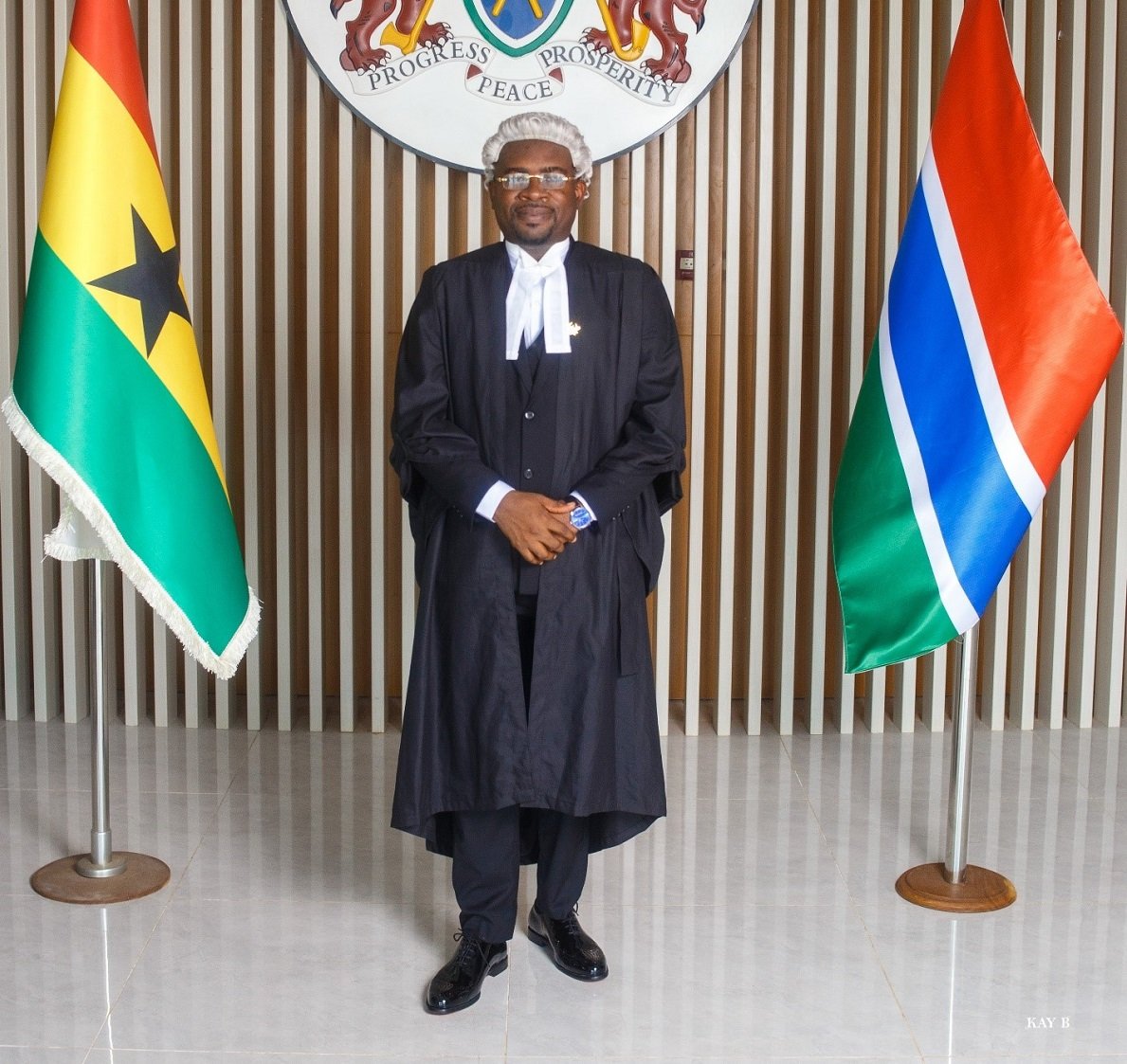
Prof. Nyarkotey
Professor Raphael Nyarkotey Obu, a distinguished naturopathic Professor and an esteemed advocate for traditional and complementary medicine, has made history by becoming the first naturopath in Africa to be called to the Gambia Bar.
Known for his exceptional dedication to advancing healthcare through both legal and technological frameworks, Prof. Nyarkotey is pioneering a new era in traditional and naturopathic medicine.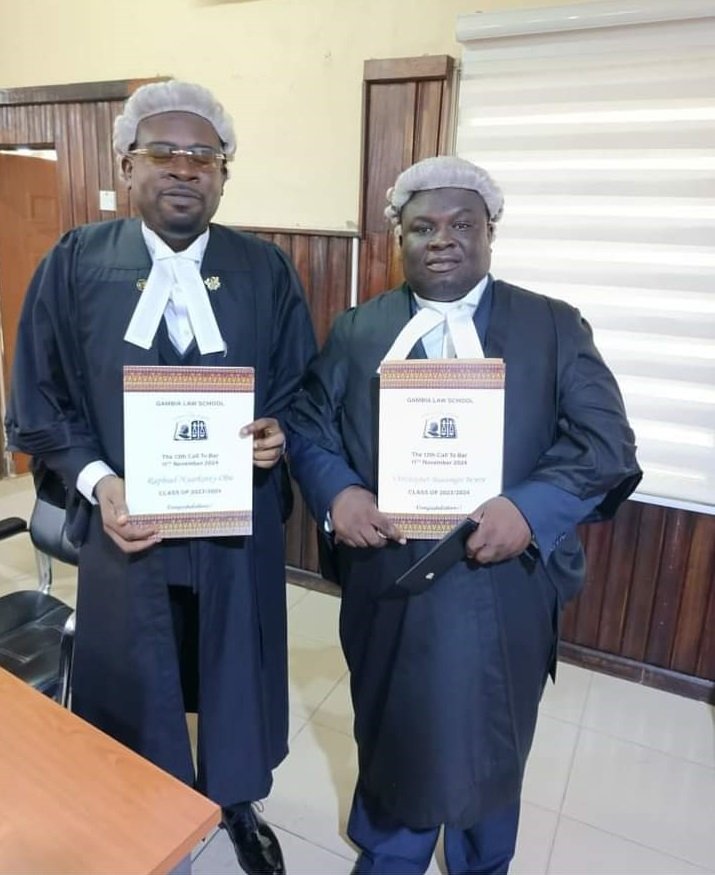
At just 39 years old, he is already transforming healthcare across the continent and using his legal expertise to shape a regulatory framework for traditional and complementary medicine, bringing a new level of professional credibility and public trust to the field.
In addition to his recent legal accomplishment, Prof. Nyarkotey serves as the president of Nyarkotey University College of Holistic Medicine and Technology, Ghana’s first naturopathic medical school, which he founded to provide education in holistic health and technology.
His leadership extends further: he led a team to develop Ghana’s first National Occupational Standards in naturopathy and holistic medicine at the HND and BTech levels under the Commission for Technical and Vocational Education and Training (TVET).

These achievements, along with his work as General Secretary of the Ghana Alternative Medical Practitioner Association (GAMPA) and as part of the research advocacy team for the World Naturopathic Federation in Canada, underscore his commitment to raising standards and advancing the professional development of alternative medicine across Africa.
In the Gambia, Prof. Nyarkotey has supported traditional healers and pioneered evidence-based naturopathic medicine. He also used his legal training days to raise awareness of Gambia’s forgotten herbs and made them popular through his scientific writing.
He has authored so many legal commentaries on the regulatory legislative framework on traditional and naturopathic medicines in the Gambia and Africa.
“With my legal qualifications, I aim to work with various African governments and health organisations to create a unified framework that supports traditional and complementary medicine,” said Prof. Nyarkotey Obu.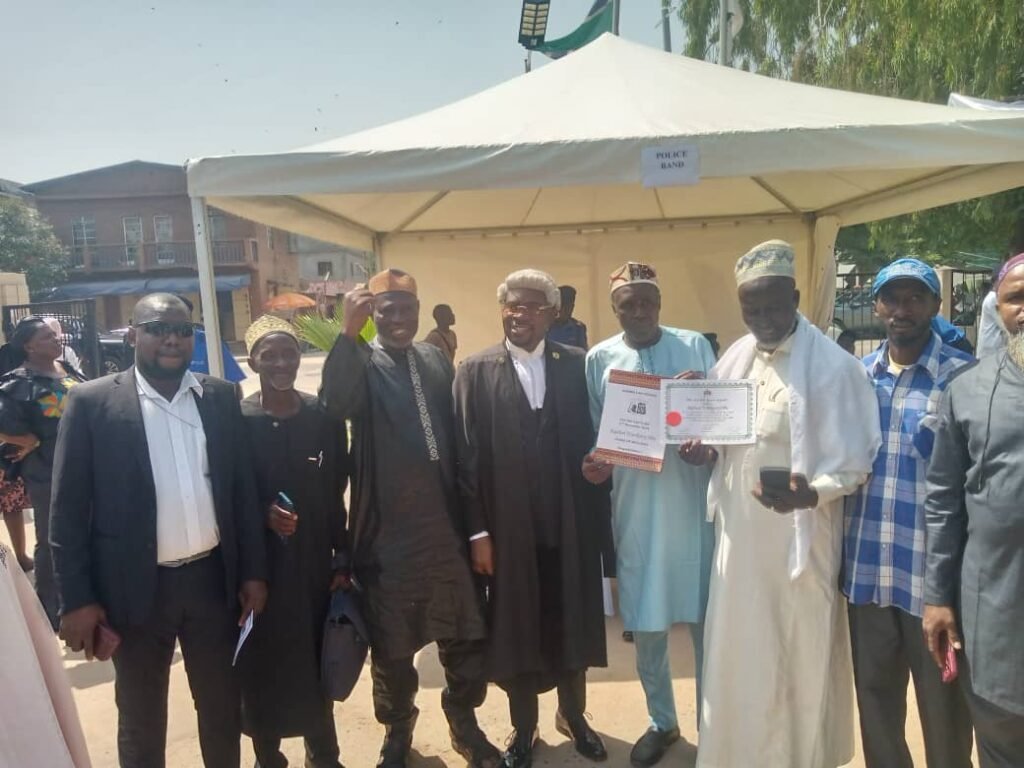
“There is a growing demand for these practices, yet the lack of regulation often leads to misuse and public skepticism. My goal is to bring about a change in how these treatments are perceived and implemented, safeguarding public health and honouring African traditions,” he added.
Prof. Nyarkotey is not only a renowned Naturopath, but also doubles as a Chartered Health Economist and Chartered Management Consultant.

He is also pursuing a second MPhil/PhD in Law and Development at the Institute of Development and Technology Management (IDTM) in Cape Coast, Ghana.
His research focuses on medical negligence and Alternative Dispute Resolution (ADR), an area of critical importance for African healthcare. By promoting ADR, he aims to provide pathways for fair, non-litigious resolutions, protecting both practitioners and patients within traditional medicine.
Prof. Nyarkotey is also at the forefront of exploring Artificial Intelligence (AI) in traditional and naturopathic medicine, investigating ways AI can revolutionise the delivery and personalisation of natural medicines.
This approach promises new, tech-enhanced treatment options for underserved communities, enabling traditional healers to leverage data-driven insights for better patient outcomes.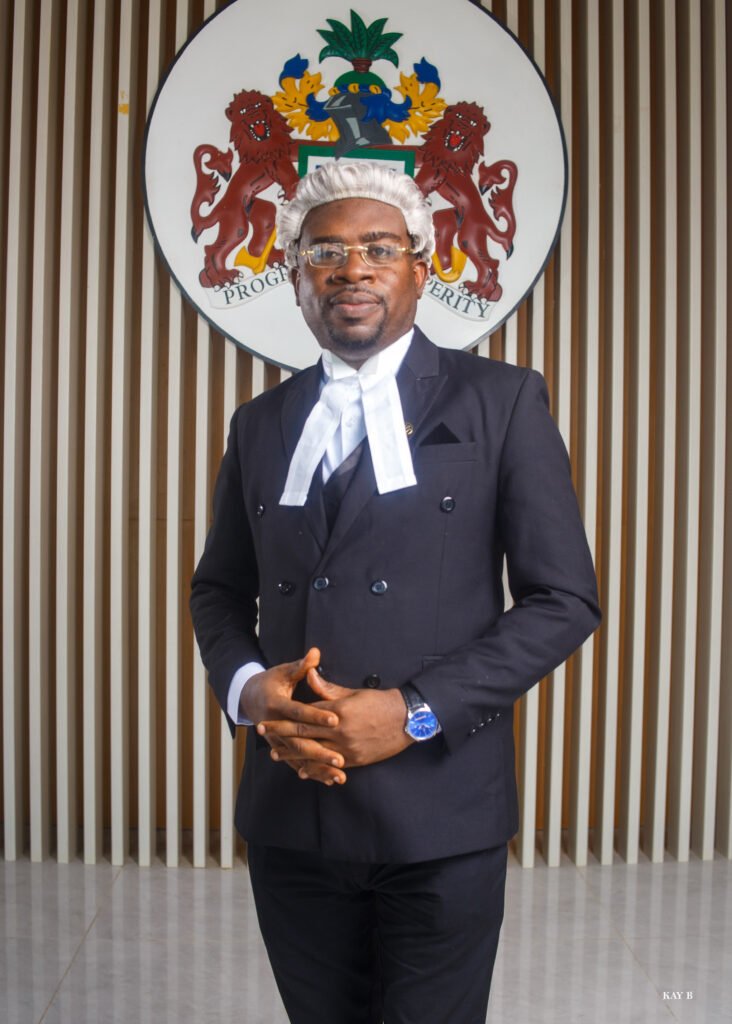
As a deeply committed Christian, Prof. Nyarkotey balances his professional pursuits with a strong personal faith. His determination and leadership have made him a trailblaser, setting a new standard for traditional and naturopathic medicine in Africa.
His upcoming consultancy firm aims to unite healers and legal experts, offering regulatory and technological support, as well as legal protection for traditional healers.
Prof. Nyarkotey’s journey, from founding Ghana’s first naturopathic school to joining the Gambia Bar, reflects his drive to secure a place for traditional and naturopathic medicine in Africa’s healthcare landscape, and building a future where it is both accessible and regulated. His visionary leadership is helping ensure that traditional medicine will be a credible, trusted, and vital part of healthcare across Africa.






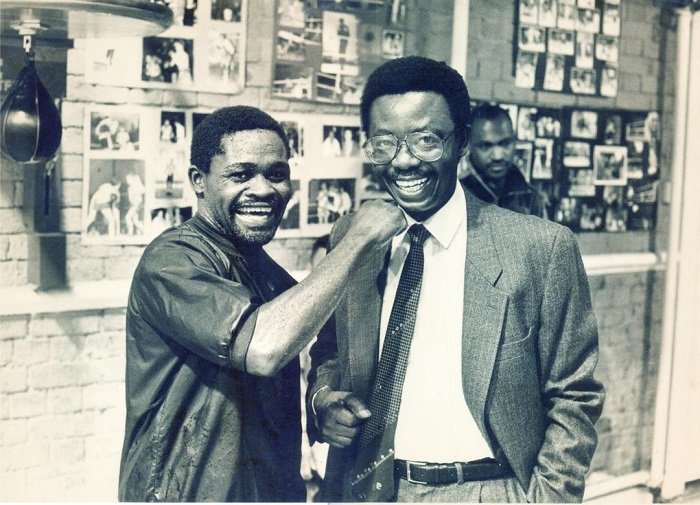
When discussions arise about people who have shaped Ghana boxing, the names of world champions like Azumah Nelson, Ike Quartey, Joshua Clottey, Joseph Agbeko and Isaac Dogbe often dominate the conservation,
Yet behind these celebrated boxers, stands a man whose contribution to the sport has been profound, enduring and largely selfless. This man is Ambassador Ray Quarcoo.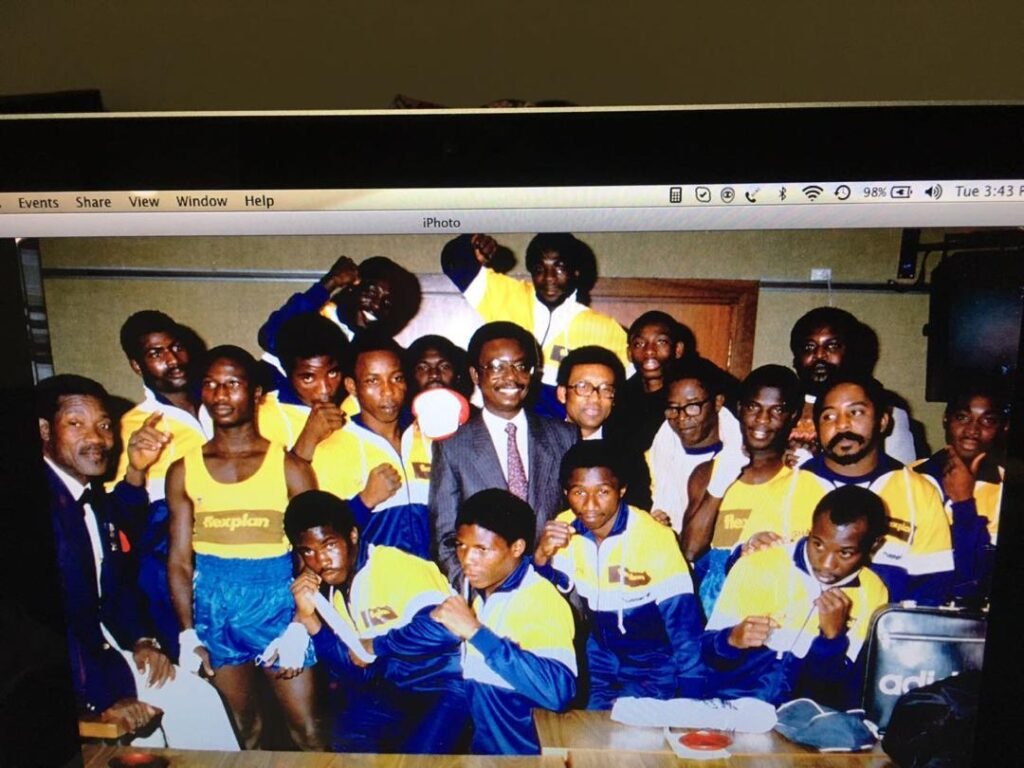
A businessman, sports administrator, philanthropist and mentor, Ambassador Quarcoo has dedicated much of his life to the development of sports in Ghana, particularly boxing.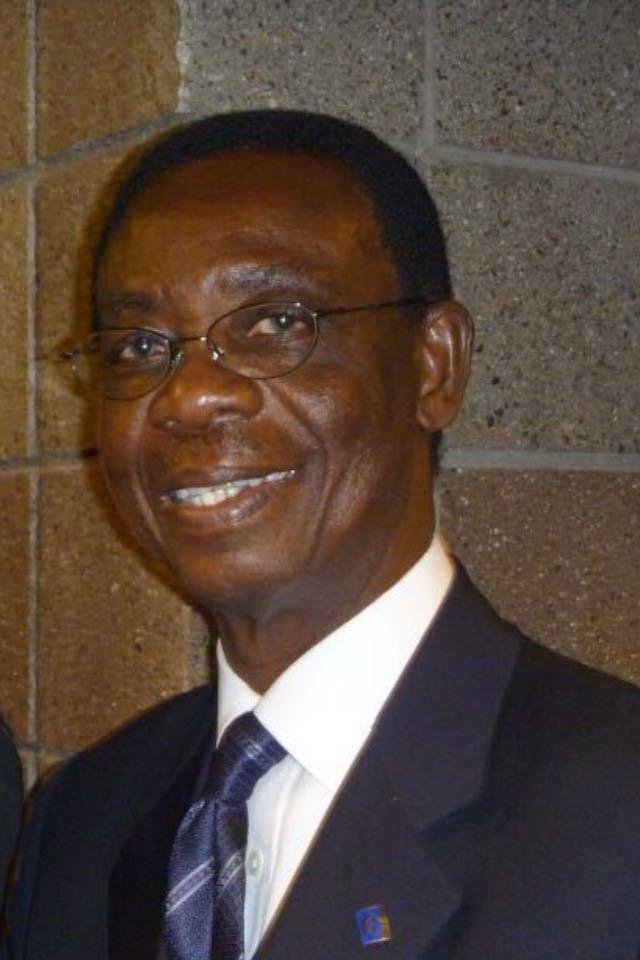
His contribution spans several decades and cuts across athlete development, administration, infrastructure, international relations and sports journalism.
He has spent decades working quietly behind the scenes, identifying talent, mentoring young athletes, building institutions and investing his personal resources to ensure that Ghana’s rich boxing tradition remains alive
Today, his legacy remains firmly woven into the fabric of Ghana sports, particularly boxing, where his influence has helped shape generations of champions and inspired countless young athletes.
Though he has stepped away from active sports administration, Ambassador Quarcoo remains deeply interested in the progress of Ghana sports.
His passion for sports is rooted in a lifetime of service and sacrifice. As President of the Ghana Amateur Boxing Federation (GABF) on two separate occasions and later Vice-President of the Ghana Boxing Authority (GBA), he played a central role in strengthening the structures of boxing administration in the country.
Under his leadership, the GABF introduced international exchange programmes with countries such as Britain, the United States and Azerbaijan, giving Ghanaian boxers valuable international exposure.
His influence extended beyond Ghana as an executive member of the International Boxing Association (IBA), formerly AIBA, while he also served as a management member of the Black Stars.
However, it is his role as a mentor and benefactor that has earned him the admiration of generations of athletes.
Former WBA welterweight world champion Ike “Bazooka” Quartey describes him as one of the most influential figures in the lives of many Ghanaian boxers.
According to Quartey, Ambassador Quarcoo paid the school fees of Joshua and Emmanuel Clottey and provided them with accommodation because he believed they possessed the qualities required to become world champions.
His conviction was that young athletes needed both education and discipline to succeed on the world stage.
The investment paid off as Joshua Clottey eventually rose to become an IBF Welterweight World Champion and one of Ghana’s most respected boxing figures.
Veteran sports broadcaster Nathaniel Attoh recalls witnessing Joshua Clottey’s deep appreciation for Ambassador Quarcoo.
Following his world title triumph, Clottey personally visited Ambassador Quarcoo to thank him for the support, guidance and opportunities he had received during his formative years.
The Clottey brothers were only part of a long list of athletes whose careers were positively impacted by Ambassador Quarcoo.
His keen eye for talent led him to identify and support several promising boxers long before they became stars.
Among them were former WBO world champion Isaac Dogboe, Olympian Norris Thompson and British-Ghanaian boxing sensation Joshua Buatsi.
Attoh recalls a memorable telephone conversation in which Ambassador Quarcoo confidently predicted that two young boxers he had discovered would one day become world beaters. Those young athletes were Isaac Dogboe and Joshua Buatsi.
Today, Dogboe has established himself as a former world champion, while Buatsi has become one of the most accomplished boxers of his generation.
One of the defining moments of Ambassador Quarcoo’s administrative career came ahead of the London 2012 Olympic Games.
Despite facing criticism and opposition, he stood firmly behind Isaac Dogboe because he recognised the young boxer’s exceptional potential.
According to Attoh, his decision came at considerable personal cost, yet he remained unwavering in his conviction that Dogboe would justify his faith.
His willingness to place principle above personal interest remains one of the many examples of his commitment to athlete development.
Former Black Bombers captain and assistant national coach Kwame Asante recalls how Ambassador Quarcoo sponsored Ghanaian boxing contingents to international competitions and helped facilitate opportunities for coaches and athletes to further their training abroad.
Asante himself benefited from Ambassador Quarcoo’s intervention when he pursued advanced coaching education in Germany. According to him, Ambassador Quarcoo’s passion for boxing was unmatched.
“He was always present wherever boxing was taking place, whether locally or internationally, he supported the sport wholeheartedly,” Asante stated.
His love for grassroots boxing became legendary. Many remember how he regularly travelled across Accra on weekends simply to watch juvenile boxing contests, particularly at the famous Wato Club. Young boxers eagerly anticipated his visits because they came not only with encouragement but often practical assistance and mentorship.
His contribution to boxing infrastructure is equally significant. Ambassador Quarcoo facilitated and financed the establishment of several boxing clubs and gyms in Bukom, including the Black Panther and Panix gyms. These facilities became important breeding grounds for young talents and contributed significantly to Ghana’s boxing success story.
Beyond boxing, Ambassador Quarcoo has also been a steadfast supporter of sports journalism. As a Lifetime Patron of the Sports Writers Association of Ghana (SWAG), he has supported journalists and contributed immensely to preserving Ghana’s sporting history.
His efforts have earned him numerous honours, including recognition from the Ghana Olympic Committee for supporting Ghana’s participation in the Olympic Games and various awards from sporting bodies in appreciation of his service.
Yet those who know him best insist that his greatest achievement lies not in the awards he has received but in the lives he has transformed.
Until his appointment as Goodwill Sports, Ambassador in 2011, he has held several sports administrative positions in the country including the following, President Ghana Boxing Federation 2010-2014, First Vice Chairman Ghana Boxing Authority, Vice Chairman Ghana Black Stars Welfare Committee 1991-1993, Life Patron, Ghana Olympic Committee, Life patron sports writers association of Ghana, Executive Committee Member African Boxing confederation and Patron-African Confederation of Handball.
Ambassador Emmanuel Ray Quarcoo was also in 2013 was appointed as Honorary Consul General of Haiti to Ghana with Exequatur on 25th October 2013.
By Esinam Jemima Kuatsinui
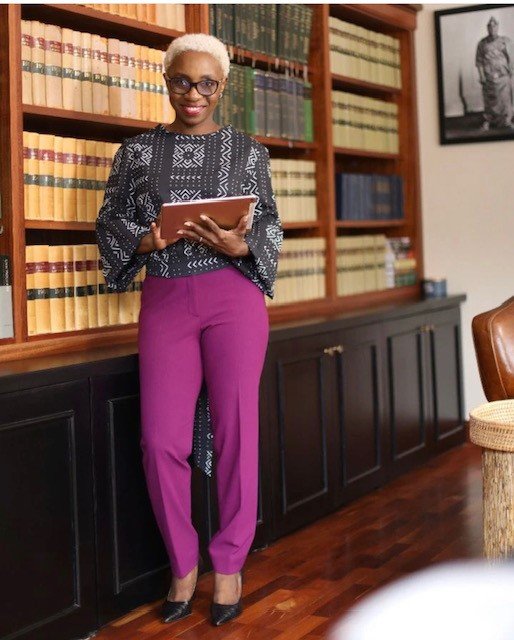
“We are always told what it is that we can’t do, but we must not allow the limitations placed on us to define who we are as women”- Mrs Lynn Osei-Bonsu
For many children raised in diplomatic homes, the world becomes a familiar territory where they easily get accustomed to. Countries change, schools change, friends change and home itself becomes fluid like a traversing stream.
However, for Mrs Lynn Osei Bonsu, one of Ghana’s foremost female communications strategist and philanthropist, life’s most defining lesson would come not from the polished streets of New York, where she spent part of her childhood, but from the quiet town of Jirapa in the Upper West Region.
Today, she leads uNuru Communications Group, a strategic communications firm delivering not just for its clients, but also helping in shaping the brand Ghana.
She also heads Trailblazers, a non-profit organisation committed to supporting women and children.
Yet behind the polished corporate image is a deeply human story of identity, sacrifice, resilience and purpose.
A childhood between worlds
Born to Mr Hilary K. Ziniel, a diplomat father and Mrs Rose Ziniel a teacher mother, from Goziir in the Nandom District of the Upper West Region, she spent much of her early life outside Ghana due to her father’s regular postings with the Ministry of Foreign Affairs.
“My first memories are not growing up in Ghana,” she told The Spectator with utmost fondness.
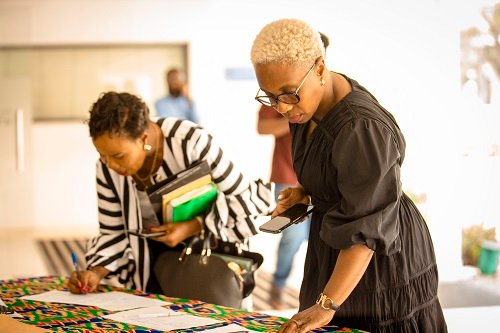
But while her childhood stretched across countries and cultures, her father remained determined that his children would never lose sight of where they came from, as result when the family returned to Ghana after his postings in New York, he made a decision about Lynn’s education that initially devastated her.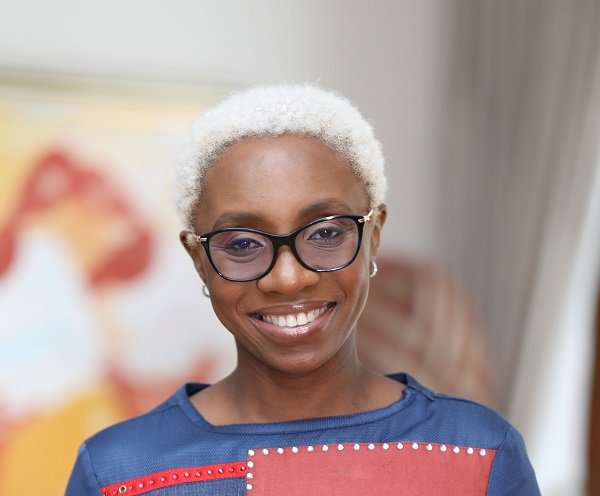
Instead of enrolling her in one of the prestigious schools in Accra, he sent her to St. Francis Girls’ Senior High School in Jirapa. “He said I needed to know where I came from,” she recalls.
Harsh transition
Moving from New York to Ghana and immediately being dispatched to Jirapa for her secondary education came with what she describes as a “huge culture shock.”
There was limited electricity, no running water and a pace of life completely different from anything she had known. “At the time, I thought he was punishing me,” she says with a laugh.
Years later, however, that painful transition would become one of the greatest gifts of her life. “If my father were alive today, I would thank him every single day for that decision,” she says quietly.
The experience, she explains, grounded her. It taught her humility, resilience and gratitude. More importantly, it gave her a deeper appreciation of sacrifice.
“It gave me a different outlook on life and a greater appreciation for my parents and everything they did for us.”
After secondary school and sixth form education, she gained admission to Carleton University in Canada. At the time, studying abroad was considered a major achievement for many Ghanaian families, especially for children from internationally exposed homes. But once again, her father encouraged her to think beyond prestige.
“He told me that if I wanted to live and work in Ghana, then I needed to build my network here,” she says.
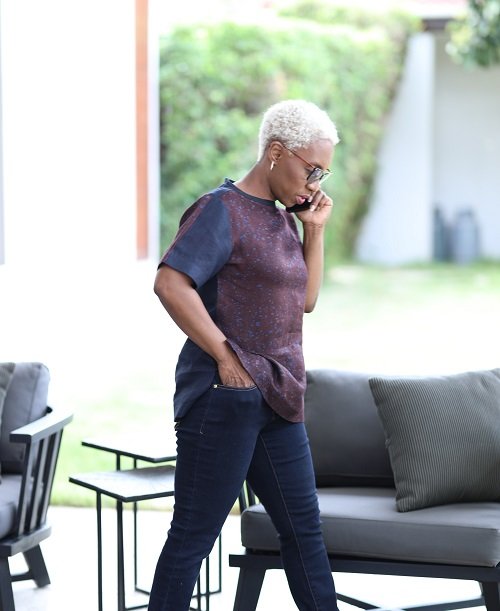
Shelving dream of becoming a diplomat
After her first degree, she dreamed of joining Ghana’s Foreign Service and had even written the Public Services Commission examination. Then, unexpectedly, her path changed.
While awaiting for the results from the Public Services Commission, she came across an advertisement in the Daily Graphic announcing admissions into the School of Communication Studies. “It just jumped at me,” she recalls.
She applied and was admitted into the postgraduate communication programme — a decision that would eventually shape the rest of her career. Around the same time, she also came to an important personal realisation.
“Being a foreign service child meant moving every four years,” she says. “I realised I actually wanted stability. I wanted roots.” It was a powerful discovery for someone who had spent most of her life constantly moving.
Building a career, rebuilding self
Her professional journey began in 1999 at Japan Motors where she worked as a Public Relations Officer. Four years later, she moved to Societe Generale Bank following the bank’s acquisition of SSB Bank.
Again, after four years, she joined GTBank Ghanaghana.gtbank.com as Head of Corporate Affairs. Looking back, she now finds humour in the pattern. “It was much later that I realised it reflected how often we moved during my father’s diplomatic postings,” she explains.
Eventually, motherhood changed her priorities and she decided to leave corporate life behind to focus more on family and pursue entrepreneurship.
The decision initially frightened her. Walking away from the security of a monthly salary into the uncertainty of business was not easy. But with savings, planning and the support of her husband, she took the leap.
“He has been very supportive emotionally, financially and professionally,” she says.
In 2010, she established her own communications and advertising agency. The early years tested her patience and resilience. “It wasn’t easy because nobody really knew us at the beginning,” she says.
Her first breakthrough came when Koala Super Market gave her company an opportunity. From there, the business gradually expanded through referrals, relationships and consistency. Over the years, the company weathered economic downturns and survived the COVID-19 pandemic.
“We’ve had ups and downs, but by God’s grace, we are still standing,” she says.
Trailblazer is birthed
Even while building her business, one thing remained constant; her desire to help others. Mrs Osei-Bonsu traces that instinct directly to her father. “My father was very big on education and helping females in particular,” she says.
For years, she quietly supported people through payment of school fees and personal assistance. But during the COVID-19 pandemic, after volunteering with several organisations, she felt compelled to formalise her efforts.
This decision she explained led to the birth of Trailblazers in 2020. The organisation focuses on supporting women and children through education, skills development and empowerment initiatives. It has worked with schools, orphanages and vulnerable women, while also supporting organisations such as Street Girls Aid.
For her, philanthropy is not charity. It is responsibility even though she admits the work comes with challenges. “One of the biggest difficulties is funding,” she explains. “Many organisations are all trying to access limited resources.”
Yet despite the obstacles, she remains deeply committed to the mission and this is because for her, success was not measured only by titles or professional accomplishments, but by impact.
Coming full circle
Today, she looks back on her journey with gratitude.
The young girl who once arrived in Jirapa angry, uncomfortable and homesick now understands that those difficult years shaped the woman she would become.
Her story is ultimately one of rediscovery — a journey back to identity, purpose and service. “I now understand why my father insisted so much on where we came from,” she says.
And perhaps that is the most powerful lesson of all: sometimes the roots we resist the most are the very ones that anchor our lives.
By Cliff Ekuful

 News1 week ago
FSD Africa, others launch Green Project Preparation Facility to unlock investment in climate infrastructure in Ghana
- News1 week ago
Bryan Acheampong calls for unity, urges Kennedy Agyapong to support Dr. Bawumia
- News1 week ago
Merck Foundation holds 13th Africa Asia Luminary with 12 First Ladies to advance healthcare capacity across Africa and Asia