News
‘Prioritise menstrual health education in schools’


- /home/u249204778/domains/spectator.com.gh/public_html/wp-content/plugins/mvp-social-buttons/mvp-social-buttons.php on line 27
https://spectator.com.gh/wp-content/uploads/2024/06/Menstrual-Health-Pix2.jpg&description=‘Prioritise menstrual health education in schools’', 'pinterestShare', 'width=750,height=350'); return false;" title="Pin This Post">
- Share
- Tweet /home/u249204778/domains/spectator.com.gh/public_html/wp-content/plugins/mvp-social-buttons/mvp-social-buttons.php on line 72
https://spectator.com.gh/wp-content/uploads/2024/06/Menstrual-Health-Pix2.jpg&description=‘Prioritise menstrual health education in schools’', 'pinterestShare', 'width=750,height=350'); return false;" title="Pin This Post">
Ms Nkrumah Abamfo(squatting) in a pose with some school girls and organisers
Menstrual health education must be prioritised in schools to ensure young girls are well-informed to promote menstrual hygiene, the Administrative Assistant, For The Future Ghana (FTF Ghana), Maame Esi Nkrumah Abamfo, has said.
And to ensure proper feminine hygiene in Ghana, especially among deprived girls, she added it was essential to promote access to sanitary products and provide facilities for proper sanitation.
“Removing taxes on these essential products can help make them more affordable and accessible to all, promote better menstrual hygiene practices and overall well-being among girls and women,” she stressed.
She was optimistic that advocacies towards improving access and affordability for girls and women in the country would yield results.
As part of their Empower Her Menstrual Health Initiative, FTF Ghana donated 100 feminine hygiene products to 100 students at Bishop Girls Basic School at Accra Central (Makola).
The group also used the occasion to discuss menstrual health issues with the participants while engaging them in very relevant challenges young girls faced during such period.
They also held discussions on mental health and wellness while encouraging young girls to strive to achieve greater things and contribute to national development.
The initiative, she said, would continue throughout the year as 1000s of sanitary pads would be needed to support young girls especially in rural areas.
Sharing light on that, the FTF Ghana Founder, Kezia Sanie said, “many women and girls in the rural areas we visited still resort to using cloths and tissue paper during their periods in 2024. Adolescent girls shared how they had to skip school and perform chores, like fetching water, to earn money for sanitary pads. This severely impacts their school attendance and education.”
“To help in our own little way, we distributed over 27,000 sanitary pads to keep the girls in school for a year. However, we are far from solving the issue of period poverty and the lack of comprehensive menstrual education,” she stressed.
By Michael D. Abayateye


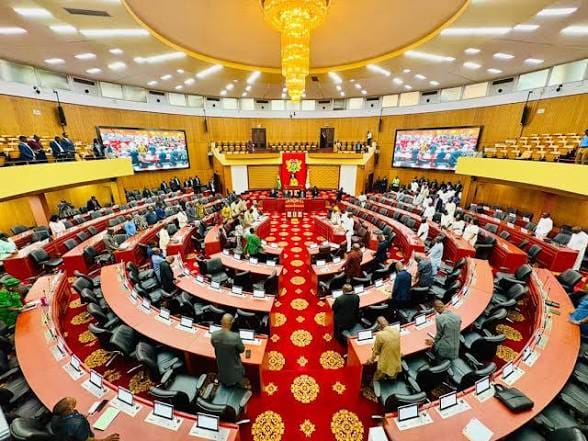
Parliament has clarified public commentary on social media regarding a notice on its notice board that read “No Vacancy for National Service Personnel 2026/2027. Kindly go for reposting.”
In a statement, signed by the Director of Media Relations, David Sebastian Damoah, Parliament said the notice has been misconstrued and was not a policy statement, a freeze on national service placements, or a change in its support for the National Service Scheme.
According to Parliament, the notice was a routine administrative message to prospective personnel who reported to the House, informing them that it has received more personnel than it can accommodate for the 2026/2027 service year and that they should seek reposting to other institutions.
It said it remains committed to the National Service Scheme and values the contribution of service personnel to its work, and regrets any confusion or inconvenience the wording may have caused.
By Edem Mensah-Tsotorme
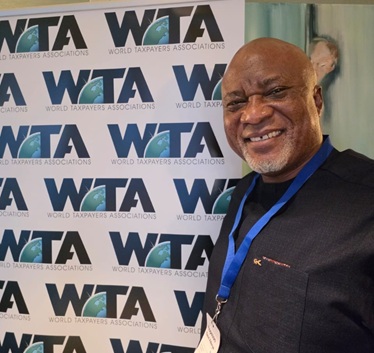
Ghanaian public advocate Hopeson Yaovi Adorye has been elected to the Board of Directors of the World Taxpayers Association (WTA).
The election took place on Sunday, October 5, 2026, during the Association’s conference in Kraków, Poland.
His election marks a significant addition to his international leadership portfolio and provides a platform for Ghanaian and African perspectives to contribute to global discussions on taxpayer rights, responsible taxation, transparency and prudent management of public resources.
Reacting to his election, Mr. Adorye expressed appreciation to the leadership and members of the WTA for the confidence reposed in him.
“I am deeply honoured by this confidence and conscious of the responsibility that comes with it. Taxpayers are at the heart of every economy, and they deserve fairness, transparency, accountability and value for the taxes they pay. I look forward to working with colleagues from across the world to strengthen the voice of taxpayers and promote responsible fiscal governance,” he said.
According to him, taxation should not be viewed solely as a mechanism for raising government revenue, but also as an important component of the social contract between citizens and the state.
Mr. Adorye said governments have a responsibility to ensure taxes are collected fairly and public resources are utilised efficiently to deliver quality infrastructure, healthcare, education, security and other essential services.
His election also creates an opportunity to bring African experiences into international conversations on taxation and public expenditure.
Mr. Adorye, who is Executive Director of Taxpayers League Ghana, has previously served as Global Board Chairman of the International Youth Network for UN Security Council Resolution 2250, an NGO associated with the United Nations Economic and Social Council (ECOSOC).
He is expected to use his new role to champion fiscal accountability, taxpayer education, good governance and stronger citizen participation in public financial management.