News
President Akufo-Addo launches ambitious District Road Improvement Programme

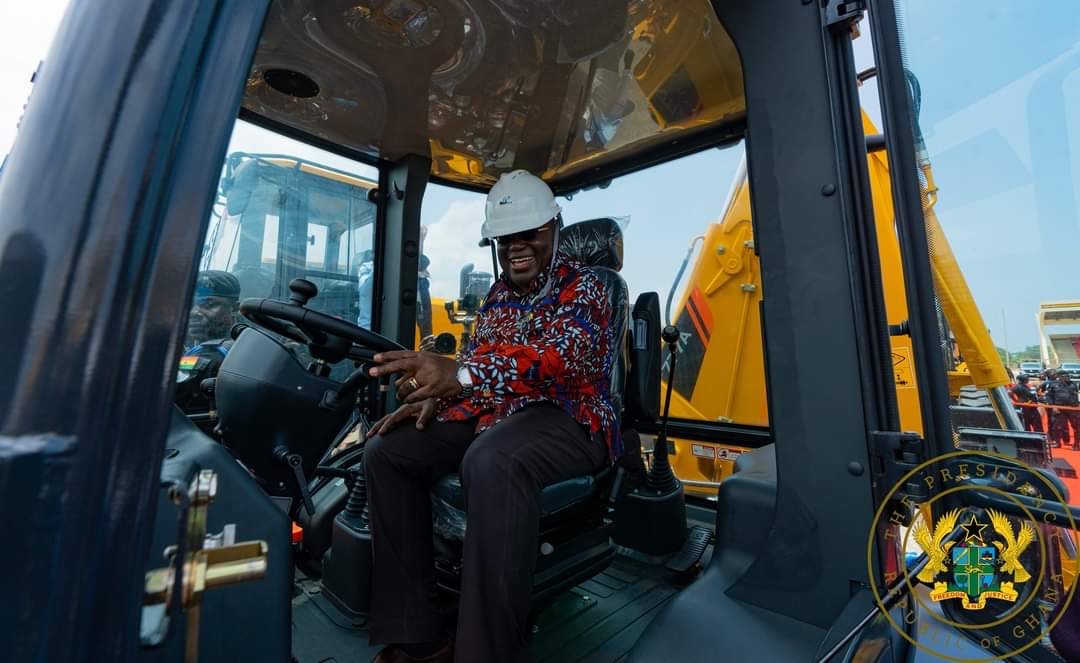
In a significant move towards bolstering Ghana’s infrastructure, President Nana Addo Dankwa Akufo-Addo launched the District Road Improvement Programme (DRIP) and commissioned essential equipment at Black Star Square yesterday.
The event, aimed at enhancing the country’s road networks, marked a pivotal milestone in the government’s ongoing efforts to decentralize development and improve the quality of life for Ghanaians.
In his address, President Akufo-Addo highlighted the critical role of road infrastructure in economic growth and social development. “Roads connect communities, facilitate trade, enable access to education and healthcare, and ultimately improve the quality of life for the citizenry,” he stated.
Despite significant progress in recent years, the President acknowledged that many district roads remain in poor condition, impeding economic activities and development.
The DRIP is designed to empower Metropolitan, Municipal, and District Assemblies (MMDAs) with the necessary resources and equipment to rehabilitate and maintain roads within their areas.
This initiative aligns with the government’s commitment to decentralization, providing local authorities with the tools to effect meaningful change.
The President announced the commissioning of a comprehensive fleet of 2,240 pieces of equipment, including motor graders, backhoes, rollers, wheel loaders, bulldozers, tipper trucks, concrete mixers, water tankers, and low beds.
These machines are expected to play a crucial role in the nationwide improvement of road infrastructure.
A four-member committee at each MMDA will oversee the implementation of the programme, ensuring high standards of quality and accountability.
The committees will include technical officers from the Ministry of Local Government, Decentralisation and Rural Development, and the Ministry of Roads and Highways, along with a representative from the 48 Engineer Regiment of the Ghana Armed Forces.
The Metropolitan, Municipal, and District Chief Executives (MMDCEs) will chair these committees.
President Akufo-Addo emphasized the job creation potential of the DRIP, projecting the creation of 10,000 jobs for mechanics, engineers, and artisans.
He described the nation’s road network as the “circulatory system of our economy,” crucial for commerce, education, and healthcare.
Reflecting on past achievements, the President noted that from 2017 to December 2023, his administration completed 12,830 kilometers of roads and added six interchanges, a significant increase compared to the 4,636 kilometers and five interchanges completed during the Mills/Mahama era from 2009 to 2016.
Current projects include ten new interchanges, with five expected to be completed by the end of the year and five more by 2025.
The President stressed the importance of maintaining local road networks for economic development. Efficient travel reduces time and costs, boosting local economies and productivity.
By empowering local authorities with resources and equipment, the government aims to foster a sense of ownership and responsibility, ensuring that road projects are tailored to meet local needs and conditions.
President Akufo-Addo called for a collaborative approach to the success of the DRIP. He urged MMDCEs to adhere to the operational manual issued by supervising ministries and stakeholders, ensuring proper use and maintenance of the equipment.
He also called on the Ministry of Local Government, Decentralisation and Rural Development to establish monitoring and evaluation mechanisms to track progress and ensure accountability.
In his concluding remarks, the President reiterated the government’s commitment to improving road networks across Ghana, launching a new era of progress and development. “Together, we can build a Ghana where every citizen has the opportunity to thrive, where our communities are connected, and where our nation can continue to grow and prosper,” he concluded.
The launch of the DRIP is a significant step towards transforming Ghana’s road infrastructure, promising enhanced connectivity, economic growth, and improved quality of life for all citizens.







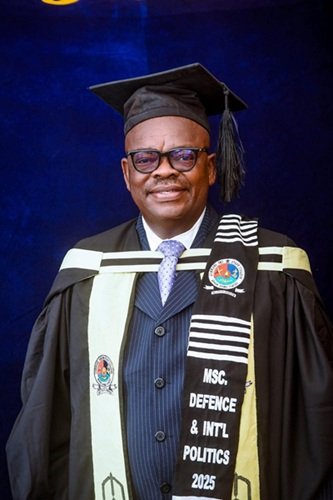
Management and staff of Owass FM have announced the passing of media personality, comedian and politician Seth Kwame Dzokoto following a medical emergency during a live morning show discussion at the station earlier today.
According to the station, Dzokoto was participating in a panel discussion on its morning show “Oman Nkoso” when he suddenly took ill and collapsed.
A statement from the station said its team immediately rushed him to the hospital for medical attention, but he was pronounced dead by the attending medical doctor upon arrival.
“We are deeply saddened by this unfortunate incident, which occurred in the course of our regular programming. Our thoughts and prayers are with his family, loved ones, colleagues, and all those who have been affected by his passing,” the statement said.
Management acknowledged that information about the incident is already circulating in the public domain, but appealed to the public and colleague media houses to respect the privacy of the bereaved family and refrain from circulating unverified information or speculation regarding the circumstances of his death.
Owass FM extended its heartfelt condolences to the family of Seth Kwame Dzokoto.
By Edem Mensah-Tsotorme
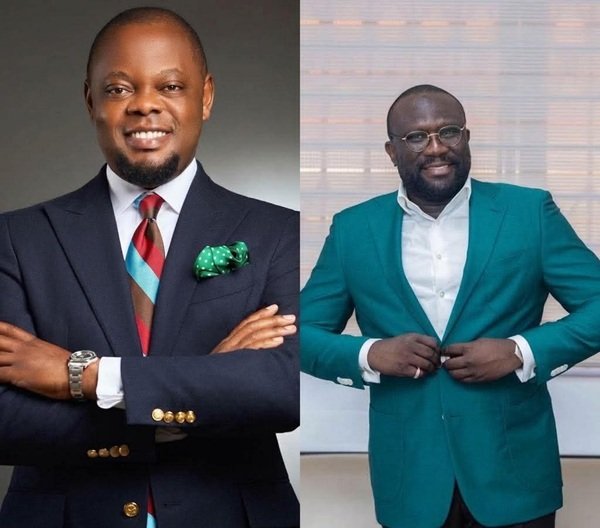
The State through the Attorney General (AG) has filed an appeal at the Supreme Court challenging the suspension of the trial in the case of The Republic v Hanan Aludiba and Faiza Seidu.
On Monday, the Court of Appeal suspended the trial in the case. But the prosecution says it has filed an appeal against the suspension order.
According to the update, the law does not allow a criminal trial to be suspended simply because an accused person has complained about some of the charges on the charge sheet, particularly when those complaints were dismissed as meritless.
It argues that if the Court of Appeal’s decision is allowed to stand, no prosecution will ever be possible, since all it would take for a trial to be suspended is an accused person complaining about anything on the charge sheet.
By Edem Mensah-Tsotorme