News
President Akufo-Addo backs Chief Justice’s Nomination of Supreme Court Judges

- /home/u249204778/domains/spectator.com.gh/public_html/wp-content/plugins/mvp-social-buttons/mvp-social-buttons.php on line 27
https://spectator.com.gh/wp-content/uploads/2024/09/Chief-Justice-Ghana-1000x600.jpg&description=President Akufo-Addo backs Chief Justice’s Nomination of Supreme Court Judges', 'pinterestShare', 'width=750,height=350'); return false;" title="Pin This Post">
- Share
- Tweet /home/u249204778/domains/spectator.com.gh/public_html/wp-content/plugins/mvp-social-buttons/mvp-social-buttons.php on line 72
https://spectator.com.gh/wp-content/uploads/2024/09/Chief-Justice-Ghana-1000x600.jpg&description=President Akufo-Addo backs Chief Justice’s Nomination of Supreme Court Judges', 'pinterestShare', 'width=750,height=350'); return false;" title="Pin This Post">
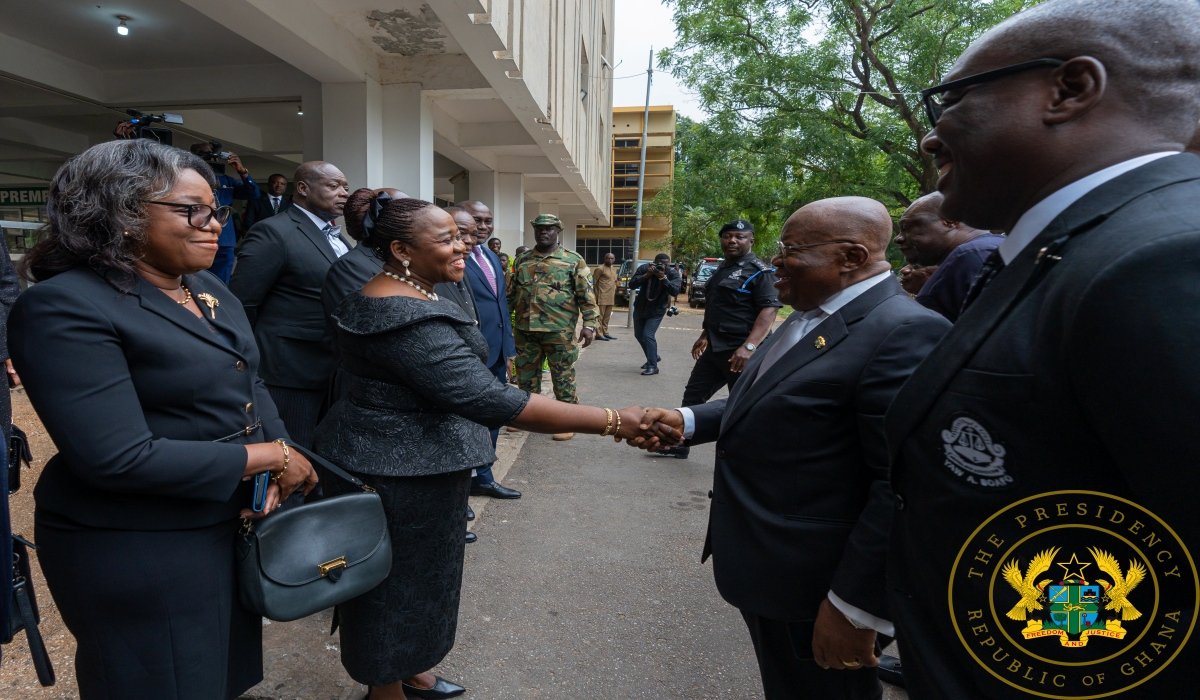
In a significant development for Ghana’s judicial system, President Nana Addo Dankwa Akufo-Addo has voiced his firm support for the Chief Justice’s proposal to nominate additional Supreme Court judges.
This proposal, which has sparked some debate, is a necessary step to enhance the efficiency and capacity of the Judiciary to handle the increasing volume of cases before it.
President Akufo-Addo, addressing members of the Ghana Bar Association at their Annual Conference, emphasized the importance of maintaining a strong and functional Supreme Court to ensure the continuous dispensation of justice in Ghana.
President Akufo-Addo began his address by reminding the legal fraternity of their pivotal role in shaping public understanding of the justice system.
He stressed that the Bar carries the heavy responsibility of providing accurate information on legal matters to the public, which is crucial in a society where misinformation can easily spread.
According to the President, “It is irresponsible for officials of the Bar Association to give the impression that certain legal language, such as the use of the word ‘perverse’ by the Attorney-General to describe a court decision, is somehow reprehensible.”
He explained that such language is not uncommon in legal practice and is used to characterize decisions that are given per incuriam, or in error.
The President emphasized the need for legal professionals to guide the public in understanding complex legal issues, ensuring that trust in the judicial system is maintained.
He further urged the Bar to lead the way in educating Ghanaians on the workings of the justice system, especially regarding judicial appointments and reforms.
Judicial Appointments: A Global Perspective.One of the key points in the President’s speech was the comparison between Ghana’s judicial system and that of the United States.
He highlighted that while some critics of the Chief Justice’s proposal have drawn parallels with the American system, these comparisons are often flawed and misleading.
“The Ghanaian judicial system operates with distinct mechanisms, particularly in the appointment and tenure of judges,” Akufo-Addo noted.
Unlike the U.S. Supreme Court, where judges are appointed for life, Ghana’s system sets time limits for judicial appointments, ensuring that the judiciary remains adaptive and responsive to the nation’s needs.
President Akufo-Addo pointed out that even in the United States, judicial reform is a topic of debate.
He referenced U.S. President Joe Biden’s proposals to reform the U.S. Supreme Court to ensure it remains effective and reflective of modern values, underscoring that judicial appointments and reforms are a global concern.
This, he argued, reinforces the need for Ghana to adopt a pragmatic approach to judicial appointments, rather than relying on superficial comparisons. The President stressed that the Chief Justice’s proposal to appoint more judges is not an attempt at “court packing,” but rather a necessary measure to address the increasing workload faced by the Supreme Court.
The growing backlog of cases before the Supreme Court is a major concern that President Akufo-Addo addressed in his speech. He provided data from the 2022/2023 legal year, highlighting the strain on the Court’s resources. As of July 2022, there were 414 cases pending before the Court.
By the end of the year, 525 new cases had been filed, while only 344 were resolved, leaving 595 cases pending as of June 2023. This steady rise in the number of unresolved cases demonstrates the increasing demands on the Supreme Court’s resources and underscores the need for more judges.
The President made it clear that addressing this backlog is a matter of national importance.
He said, “The Chief Justice’s proposal to appoint additional judges is a well-considered action to maintain the strength and efficiency of the Judiciary,” he stated, urging Ghanaians to consider the merits of the proposal without succumbing to misguided notions of court packing.”
Additionally, President Akufo-Addo reflected on his own role in shaping Ghana’s judiciary during his tenure as President.
“By the sheer coincidence of history, I have been given the privilege and opportunity to appoint three Chief Justices, together with eighteen other judges of the Supreme Court,” he noted, adding that his goal has always been to appoint the best available talent within the legal profession.
He dismissed accusations that his administration has sought to manipulate the composition of the Supreme Court for political purposes, stating that if court packing had been his goal, it would have been achieved by now. Instead, the President emphasized that his appointments have been made in the best interests of the country, with the aim of strengthening the judiciary.
Akufo-Addo also shared his experience as Attorney-General under former President John Agyekum Kufuor, recalling his proposals for the appointments of Justices Date Bah, Modibo Ocran, and A.P. Kludze, all of whom left significant legacies on Ghana’s legal landscape.
President Akufo-Addo’s message to the Ghana Bar Association : the judiciary must remain strong, independent, and capable of meeting the demands placed upon it by the public.
The Chief Justice’s proposal to appoint more Supreme Court judges is not only necessary but essential to maintaining the integrity and efficiency of Ghana’s legal system.
The President’s endorsement of this proposal highlights his commitment to ensuring that Ghana’s judiciary remains a pillar of justice and fairness for all citizens.
As the country prepares for its next chapter in democratic governance, the role of the judiciary in safeguarding the rule of law cannot be overstated. And with the support of the Bar, the public can have confidence that the justice system will continue to serve their needs effectively and impartially.







The 29th Annual Dagaaba-Frafra Friendly Games have once again demonstrated that sports can be a powerful vehicle for cultural preservation, business networking, friendship and peaceful coexistence.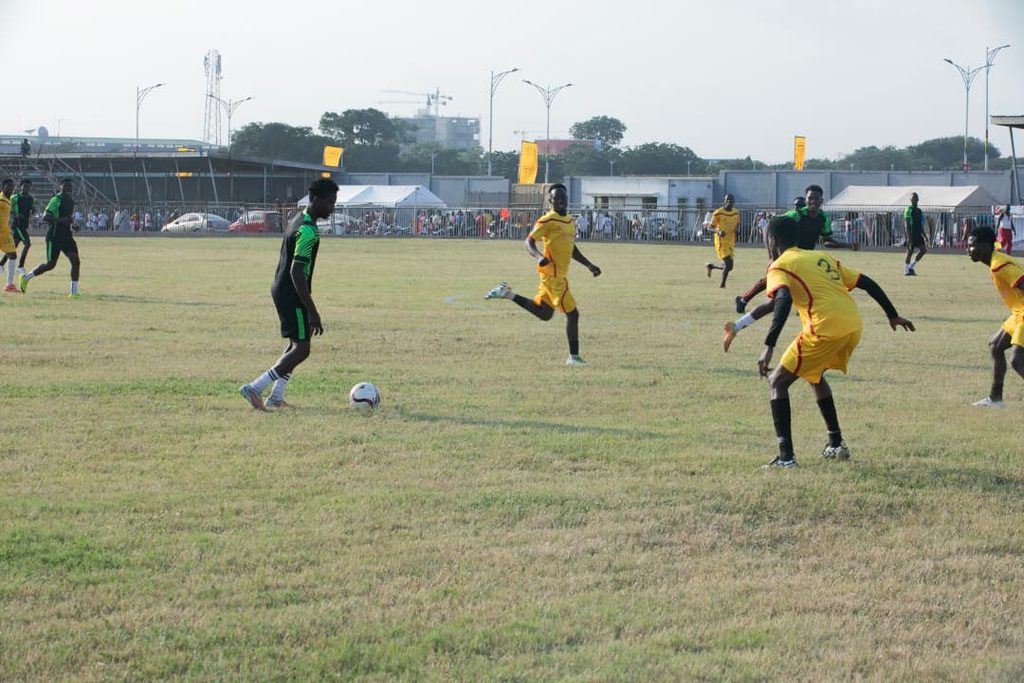
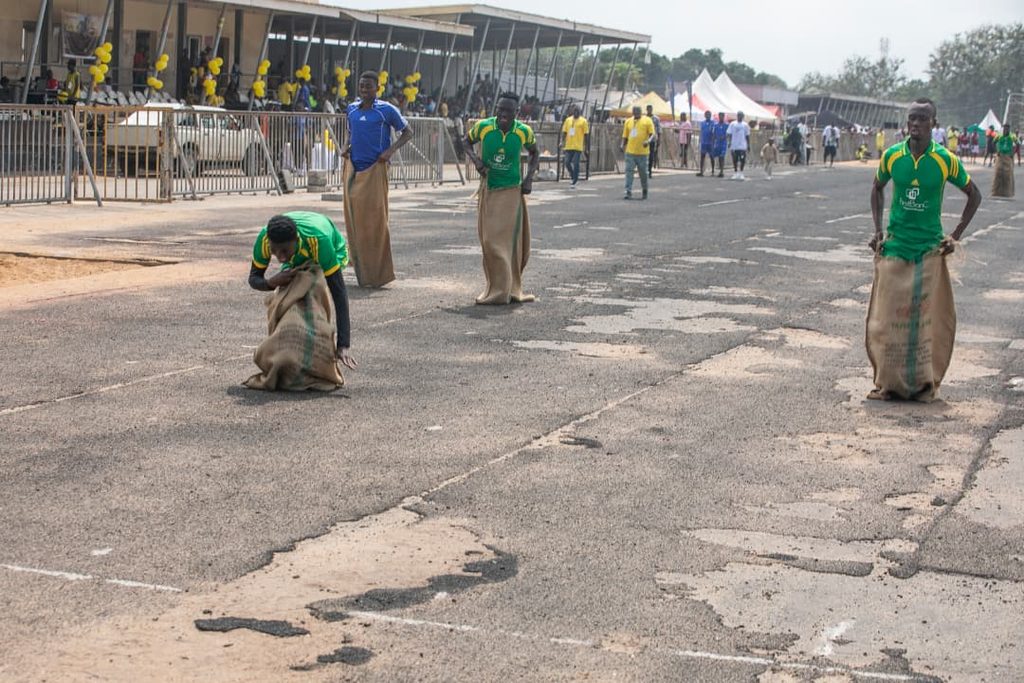
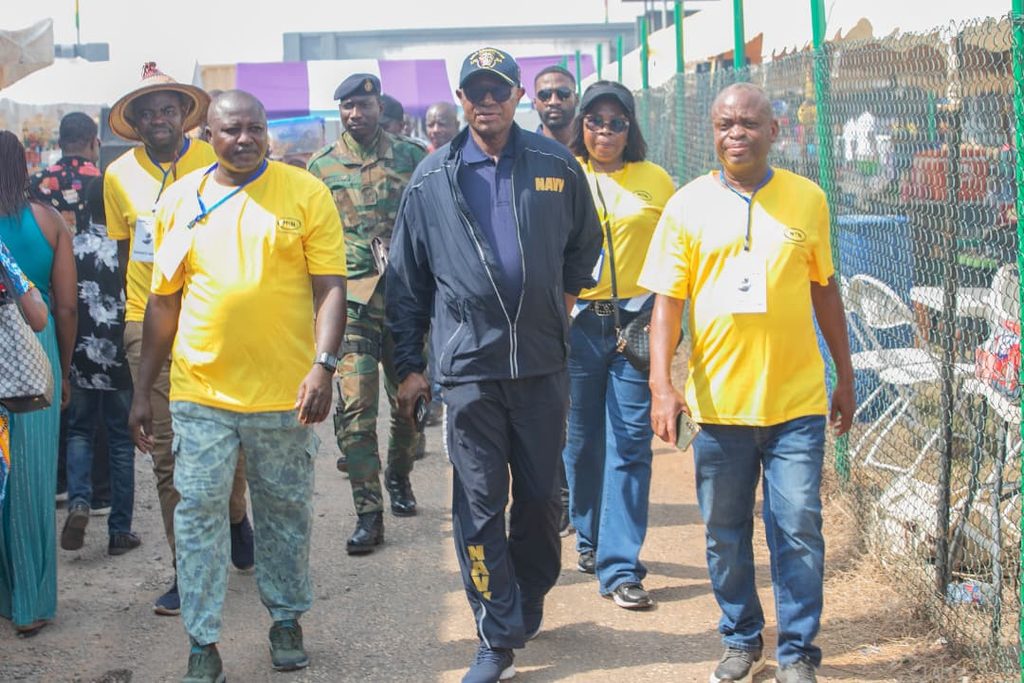
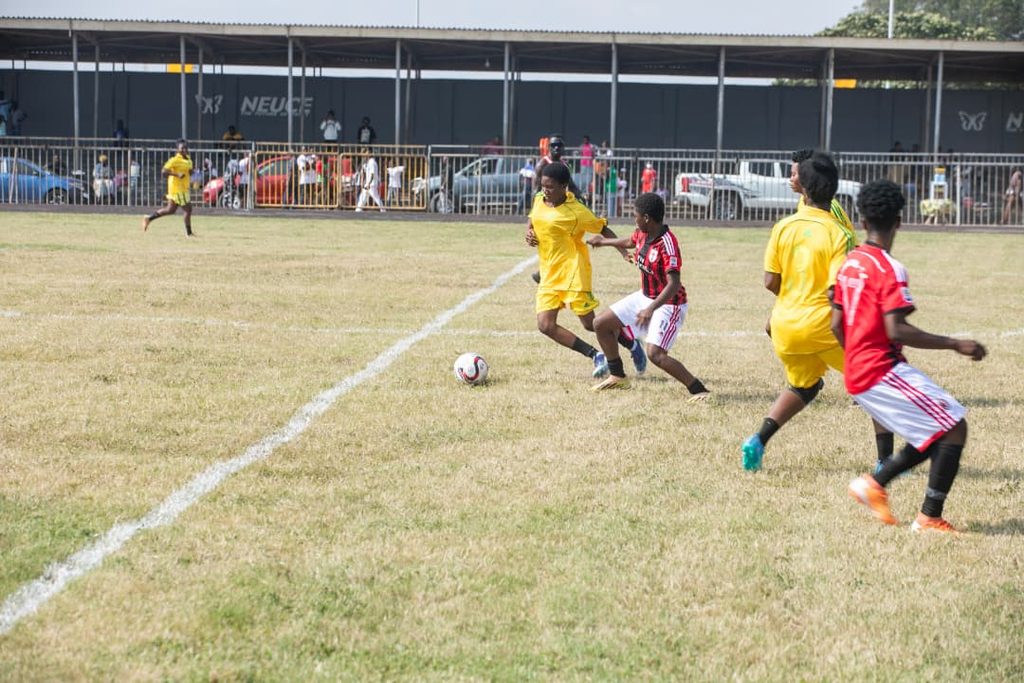
Held at the El-Wak Sports Stadium in Accra last Saturday, the games brought together members of the two ethnic groups from across Ghana and abroad for a colourful celebration under the theme, “Unity in Diversity: The Dagaaba-Frafra Model for Peaceful Co-existence.”

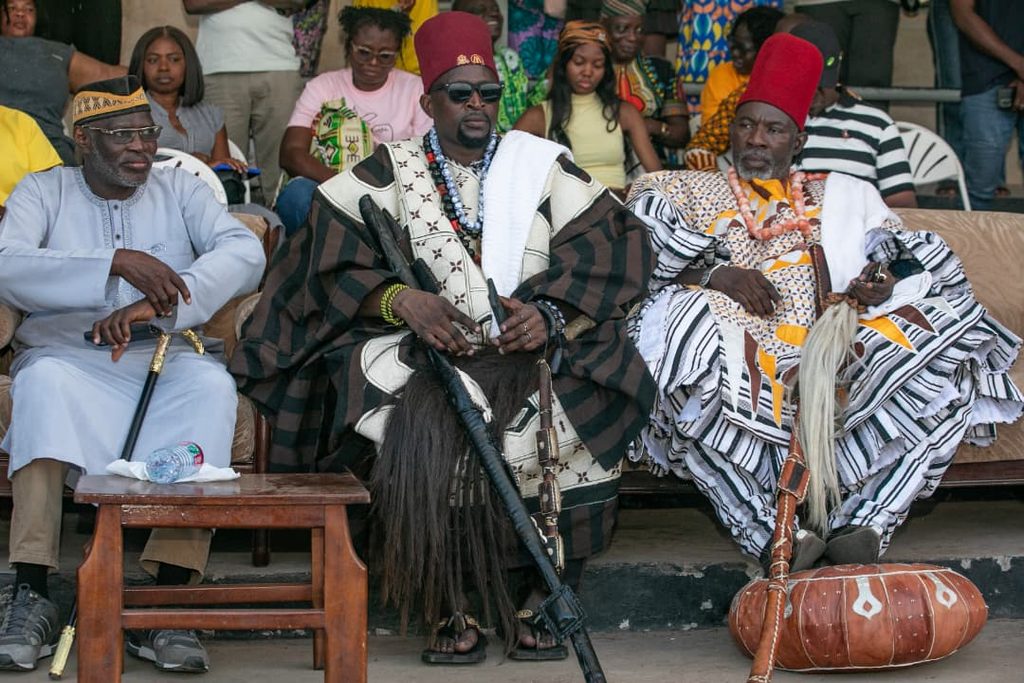
The event, which has evolved from a friendly football match into a major annual gathering, featured football, volleyball, sack races, lime and spoon, tug-of-peace and a penalty shootout for senior citizens.
At the end of the competitions, the Frafra won four events, while the Dagaaba secured victories in five, with the men’s soccer match ending in a draw.
The Frafra triumphed in the men’s lime and spoon, men’s sack race, women’s sack race and women’s soccer, while the Dagaaba won the women’s lime and spoon, men’s volleyball, women’s volleyball, women’s tug-of-peace and the senior citizens’ penalty shootout.

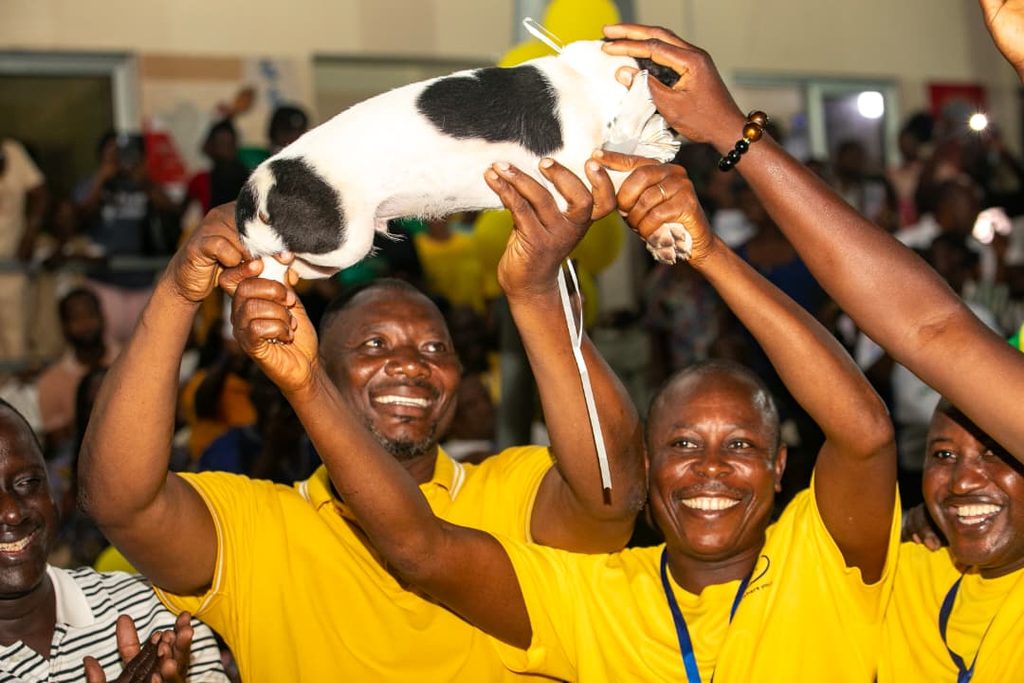
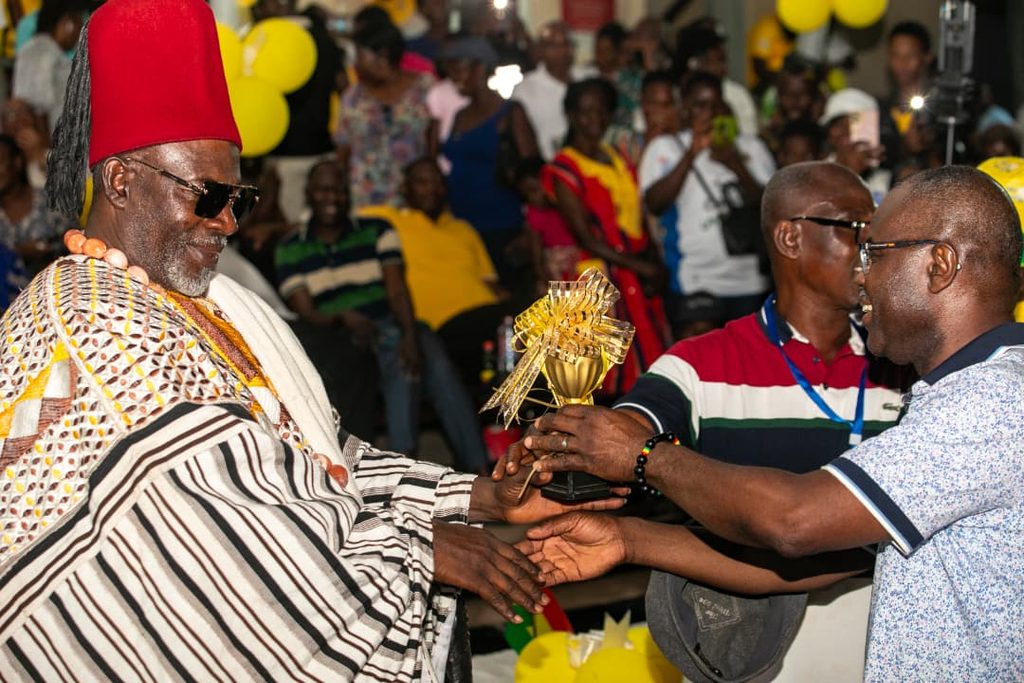
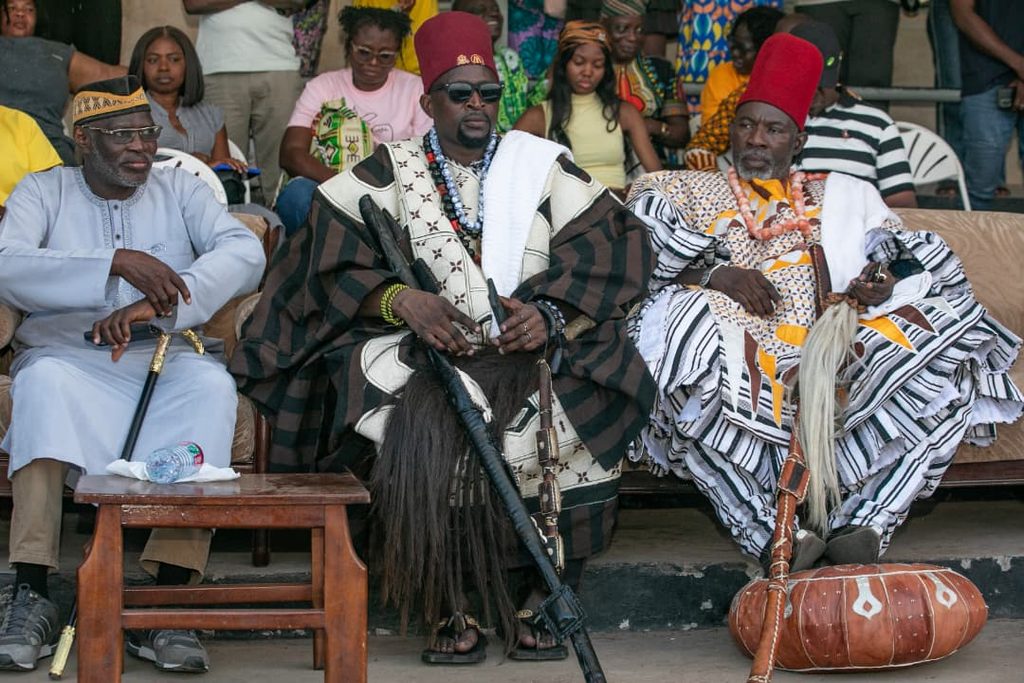
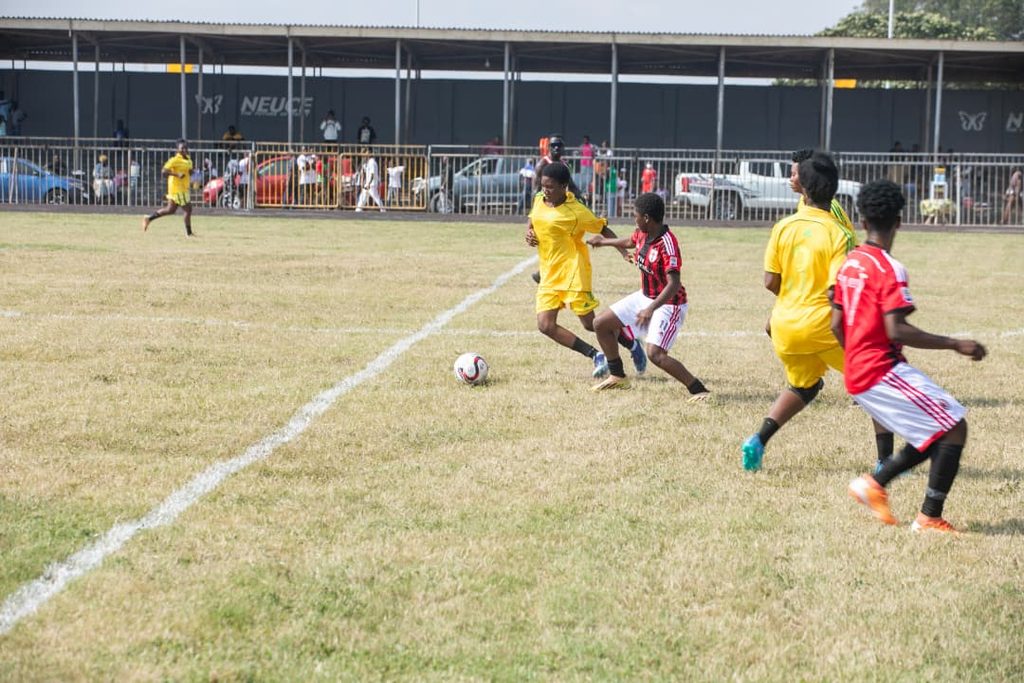
However, the games extended far beyond the sporting arena. The stadium grounds and surrounding spaces became a vibrant marketplace, with patrons enjoying and purchasing a variety of traditional foods, drinks and cultural products.
Local delicacies, including TZ, tubaani, bambara beans, pork, guinea fowl, local fowls, dog meat and kosie, were sold alongside traditional alcoholic beverages. Traditional dresses and other culturally inspired items also attracted buyers, turning the gathering into an important platform for small businesses and vendors to make sales while promoting northern Ghanaian culture.
The cultural exchange continued long after the final sporting contests, as patrons remained at the venue to eat, drink, socialise, dance and party well into the night.
In her remarks, the Guest of Honour, Dr Matilda Aberese-Ako, said the gathering represented much more than competition, describing the Dagaaba-Frafra relationship as a historic bond that had evolved into a modern sporting tradition and an instrument for peace.
MTN Ghana has been the headline sponsor for the games for the past 10 years.
By Gordon Wellu
By Gordon Wellu
SKIP THE QUEUE, TAP THE NEWS
You can now read the Ghanaian Times and The Spectator newspapers from the comfort of your device via TimesNewsPlus.
Join our WhatsApp Channel: https://whatsapp.com/channel/0029VbBElzjInlqHhl1aTU27

MTN Ghana has undertaken a tree-planting exercise at the Chipa Forest Reserve as part of its commitment to protecting the planet and support the restoration of degraded sections of the forest.
The activity forms part of the company’s 2026 Sustainability Month celebration held under the theme “Small Actions: Big Impact,” and its 30th anniversary celebration.


It was held in partnership with the Forestry Commission (FC) and the Rainforest Alliance with MTN Ghana supporting the restoration of approximately two hectares of degraded forest through the planting of 1,666 trees.
Due to the current dry weather conditions, 833 trees were planted during the exercise, with the remaining 833 to be planted when the rain commences.
The exercise brought together MTN employee volunteers, officials from the Forestry Commission and representatives of the Rainforest Alliance, demonstrating the importance of collaboration in driving environmental sustainability.
Speaking at the event, the Acting General Manager for Sustainability and Shared Value at MTN Ghana, Georgina Asare Fiagbenu, emphasized the critical role trees play in sustaining life and protecting the environment.
“Trees are essential to human survival and healthy ecosystems. They absorb carbon dioxide, release oxygen, regulate temperatures, protect soil, support biodiversity and provide habitats for many species. They also conserve water, reduce erosion and help communities adapt to the effects of climate change,” she said.
The District Manager of the Tema-Ada Forest Services Division of the Forestry Commission, Linda Ansah, welcomed MTN Ghana’s support, describing it as a valuable contribution to efforts aimed at restoring degraded sections of the reserve.
The Country Director of the Rainforest Alliance, Nicholas Jengri, also welcomed the partnership and emphasised the importance of collective action in addressing environmental challenges.
SKIP THE QUEUE, TAP THE NEWS
You can now read the Ghanaian Times and The Spectator newspapers from the comfort of your device via TimesNewsPlus.
Join our WhatsApp Channel: https://whatsapp.com/channel/0029VbBElzjInlqHhl1aTU27