Entertainment
Point of View: Ghanaian artistes have knack for live band music amidst COVID-19


Necessity, they say, is the mother of invention, and clearly this is what has taken the Ghanaian music industry by storm in the midst of deadly coronavirus wreaking havoc around the world.
Since the outbreak of COVID-19 in Ghana, various measures have been taken by the government to help curb the spread of the virus. i.e ban on social gathering.
Though there has been some easing, it has not impacted the music scene significantly to open up for major concerts.
There is no denying the fact that concerts amongst other public events are the major sources of income for most Ghanaian artistes.
Due to the situation, there have not been a lot of events on the music scene, as artistes and their managements put in a lot of effort to change the status quo by shifting from the traditional concert model to charting new paths.
As the nation adjusts to the new reality of life, a number of artistes and bands are connecting with their fans on live streaming platforms, exhibiting their prowess and knack for live band music to help alleviate the uncertainty and fear instigated by the outbreak.
It is established that music is a powerful means of connecting people, and the joy even becomes intense when it is’ enjoyed live.
Performing without an audience is certainly a little awkward, however, these concerts were far from the normal miming the industry is noted for, as artistes have exhibited their prowess in live band music.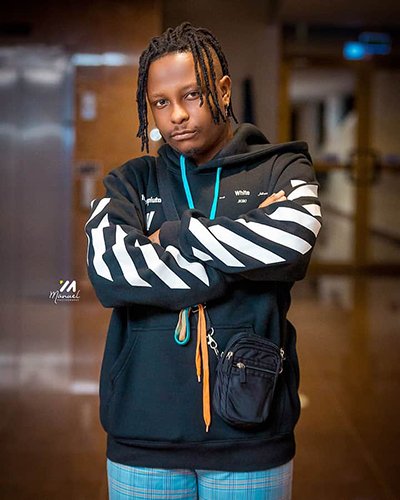
Many a time, Industry players complain of the lack of love for live band music among Ghanaian artistes.
The narrative has however, shifted in the wake of COVID-19, as the likes of, Samini, Stonebwoy, Shatta Wale, Wendy Shay, Edem, Eric Jeshrun, Joe Mettle, Akesse Brempong, Kelvyn Boy, M.anifest, Adina, Cina Soul, Efya, Wiyaala, Camidoh among others have rekindled hope in live band music in the country.
Clearly, the virtual concerts are shaping up to be part of their business portfolio, with the hope of generating healthy income and engaging a geographically dispersed base of core fans.
It is my hope that this new normal will positively impact the music industry when COVID-19 is defeated, because a vibrant music economy drives value for countries in several important ways.
It cannot be underestimated that it fuels job creation, economic growth, tourism development and artistic growth, and strengthens a country’s brand.
By Edem Mensah-Tsotorme


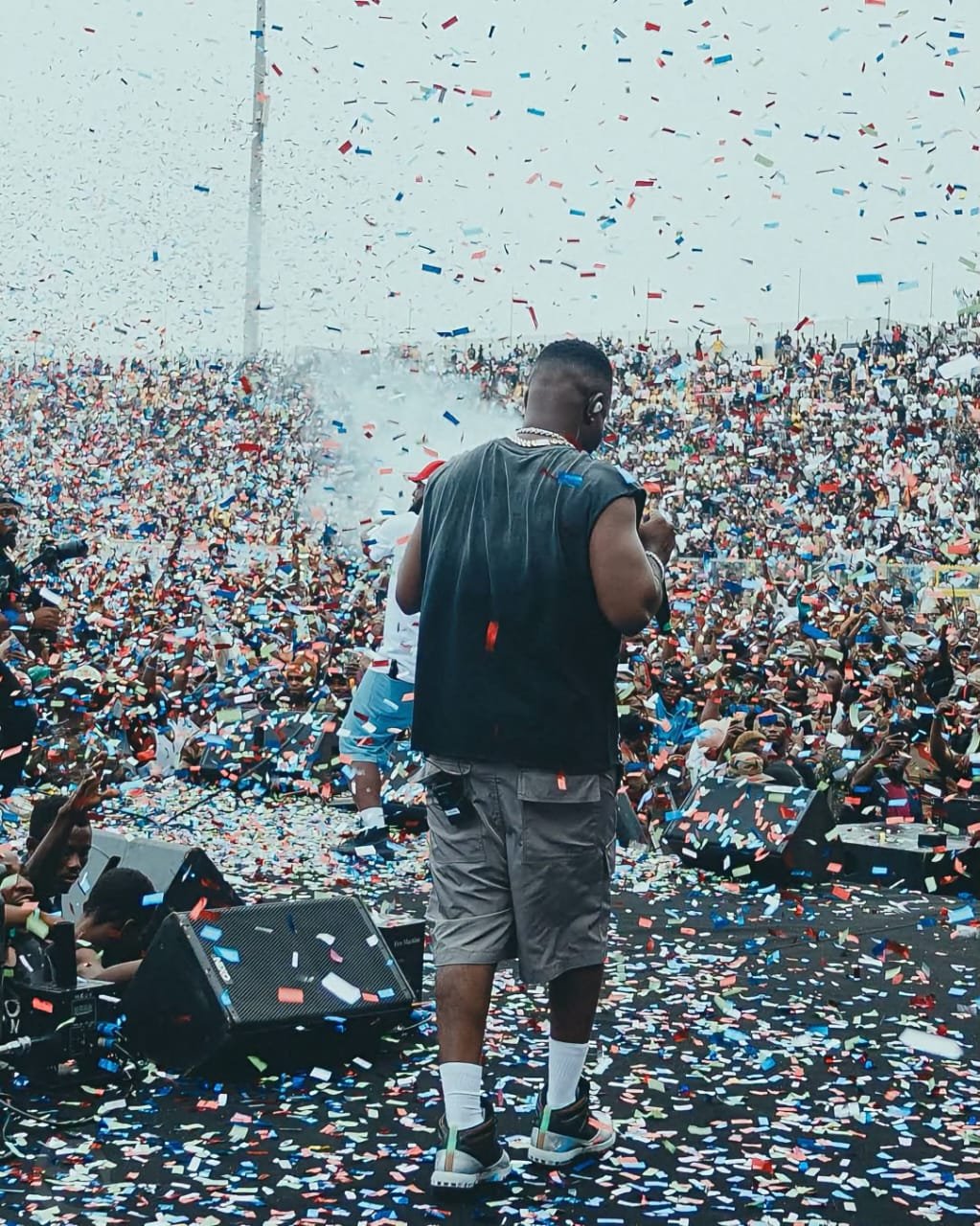
Award-winning Ghanaian musician, Michael Owusu Addo, affectionately called Sarkodie has described his annual event, Rapperholic concert as bigger than just a music event, highlighting its significant economic impact.
In a post after a successful Rapperholic edition in Kumasi, the rapper noted that the concert stimulates economic activity across Kumasi, Accra and the wider Ghanaian economy.
According to him, this is driven through tourism, hospitality, transportation, food, fashion, media, advertising, employment and the creative supply chain.
“The economic value of this concert extends far beyond ticket sales. It includes visitor spending, revenue for local businesses, temporary jobs created, suppliers paid and the future tourism and commercial opportunities generated by the event,” he stated.
Sarkodie called on government and the private sector to seize the opportunity to build an ecosystem where Ghanaian entertainment generates measurable economic value, supports businesses, creates jobs and attracts visitors.
“Let’s invest in our creative economy. The potential goes far beyond the stage,” he added.
By Edem Mensah-Tsotorme
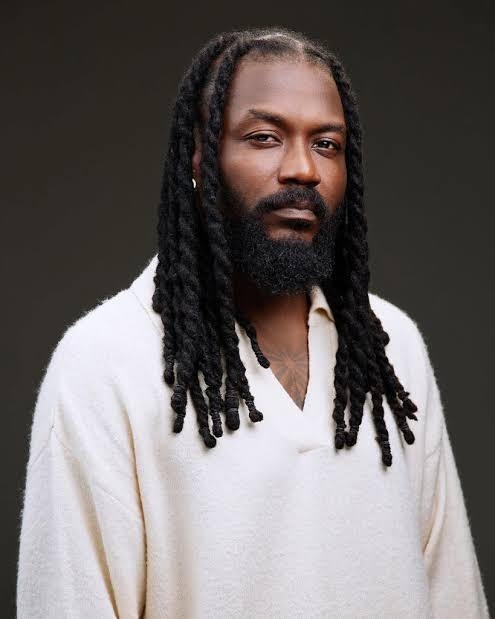
Multiple award-winning dancehall artiste Emmanuel Andrew Samini popularly known as Samini is set to return to his Dansoman base with the much-anticipated Samini Experience on December 24.
The musician, who has nurtured top talents from the community in the past, says this year’s edition will be held in collaboration with the Dansoman Homecoming Carnival, to make the event bigger.
Speaking to the media at Kegali Hotel during a press launch on Friday, October 16, Samini said activities including a clean-up exercise, health walk, Children’s Day and games will take place from December 18 ahead of the main event.
According to him, the choice of Dansoman is to give back to the community where it all started.
He added that the event was also aimed at nurturing future talents by giving them a platform to showcase their abilities.
He disclosed that some music legends from Dansoman and other big names in the music industry will be on the bill to thrill patrons.
Samini also revealed that the Dansoman Exhibition streets will be blocked to make way for the unforgettable night of music.
He expressed appreciation to the Ablekuma West Municipal Assembly for their collaboration to ensure the success of the programme.
By Edem Mensah-Tsotorme
SKIP THE QUEUE, TAP THE NEWS
Read Daily News
You can now read the Ghanaian Times and The Spectator newspapers from the comfort of your device via TimesNewsPlus.
Buy Maps
Join our WhatsApp Channel: https://whatsapp.com/channel/0029VbBElzjInlqHhl1aTU27