Editorial
Ofankor road construction will ease vehicular traffic
Dear Editor,
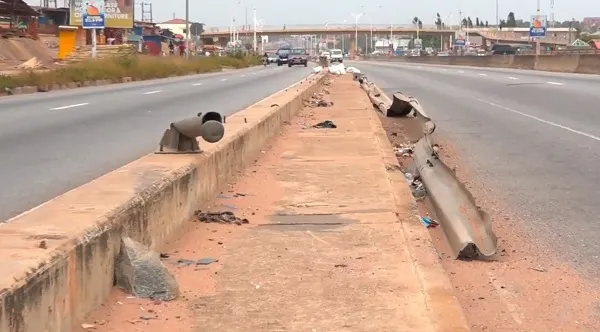
Local authorities have announced an ongoing road construction project in Ofankor, aimed at improving the infrastructure and ease traffic congestion.
The project, which began nine months ago, is expected to take six months to complete.
The construction work will involve widening the existing road, creating new lanes, and improve pedestrian walkways. It will also include the installation of new streetlights and traffic signals to ensure safety for all road users.
Residents are excited about the project which they believe will significantly reduce traffic congestion.
However, some residents have raised concerns about the disruption to movement to be caused by the construction works.
The local authorities have since assured residents that every effort will be made to minimize disruption during the construction process, assuring that traffic diversions will be put in place with adequate signage to guide motorists and pedestrians.
But, overall, the road construction project is expected to bring significant benefits to Ofankor, including improved traffic flow, enhanced safety, and better accessibility for all road users.
Nana Akua Pinnacle

Editorial
Concern over mentally ill persons roaming Kwame Nkrumah Circle Interchange
Dear Sir
I write to express my concern over the growing number of mentally ill individuals roaming the Kwame Nkrumah Circle Interchange in Accra.
This area, a vital transportation hub and commercial centre, has increasingly become home to several persons visibly suffering from mental health issues, often without adequate care or supervision.
This situation poses risks both to the affected individuals and the general public. Some of these individuals are exposed to traffic hazards, unsanitary conditions, and in some cases, hostile treatment from passersby.
There have also been reports of occasional erratic behaviour, which causes fear and discomfort among commuters and vendors.
Mental health is a public health issue, and these individuals deserve compassion, medical attention, and a safe environment.
I urge the Ministry of Health, the Accra Metropolitan Assembly, and relevant NGOs to collaborate on a sustainable solution including mental health outreach programmes, rehabilitation, and safe housing.
Kwame Nkrumah Circle should be a symbol of progress, not a place where the vulnerable are left to struggle. Let us act with urgency and humanity.
From John Boateng
Kwame Nkrumah Circle
Editorial
Parents should encourage their wards writing BECE
Dear Editor,
AS the 2025 Basic Education Certificate Examination (BECE) takes off across the country starting Wednesday, I write to encourage all candidates taking part in this important step in their academic journey.
Out of a total of 603,328 candidates taking the examination this year, 306,078 are females, whiles the rest 297,250 are males.
Over the years, the examination begins on Monday and ended on Friday but per the timetable, this year’s candidates started on Wednesday and will end next week.
The BECE is not just an exam, it is a milestone from one stage to another. It represents years of hardwork, dedication and the dreams of countless students who hope to continue their education and build a brighter future.
This is where the role of parents, teachers and society become beneficial. Let us offer not only academic support but emotional encouragement to them.
I also appeal to educational authorities to ensure fairness, proper supervision and transparency throughout the examination period.
The journey may be challenging, but with time, focus and discipline they can make it.
I wish to use this platform to wish all of them well.
Naa Koshie, Teshie