News
‘No meat on Mondays,’ consume plant baised foods… Health expert advises

- /home/u249204778/domains/spectator.com.gh/public_html/wp-content/plugins/mvp-social-buttons/mvp-social-buttons.php on line 27
https://spectator.com.gh/wp-content/uploads/2024/10/Replace-meat-with-plant-based-foods-to-reduce-diseases-1000x600.jpg&description=‘No meat on Mondays,’ consume plant baised foods… Health expert advises', 'pinterestShare', 'width=750,height=350'); return false;" title="Pin This Post">
- Share
- Tweet /home/u249204778/domains/spectator.com.gh/public_html/wp-content/plugins/mvp-social-buttons/mvp-social-buttons.php on line 72
https://spectator.com.gh/wp-content/uploads/2024/10/Replace-meat-with-plant-based-foods-to-reduce-diseases-1000x600.jpg&description=‘No meat on Mondays,’ consume plant baised foods… Health expert advises', 'pinterestShare', 'width=750,height=350'); return false;" title="Pin This Post">
Replace meat with plant based foods to reduce diseases
“No meat on Mondays,” is the call on Ghanaians by health experts, following a renewed drive to practically reduce the high spate of non-communicable diseases (NCDs) in the country.
The call is to encourage a gradual adoption of healthy eating habits among the populace to avert the increasing high blood pressure (hypertension) and type 2 diabetes cases among the populace.
These conditions usually build up fatty deposits in the body and decrease organ function.
It is in view of this that the ‘Meatless Monday’ project, a public health initiative to rally as many Ghanaians as possible to reduce meat consumption at least one day in a week for their health and that of the environment, has been rekindled.
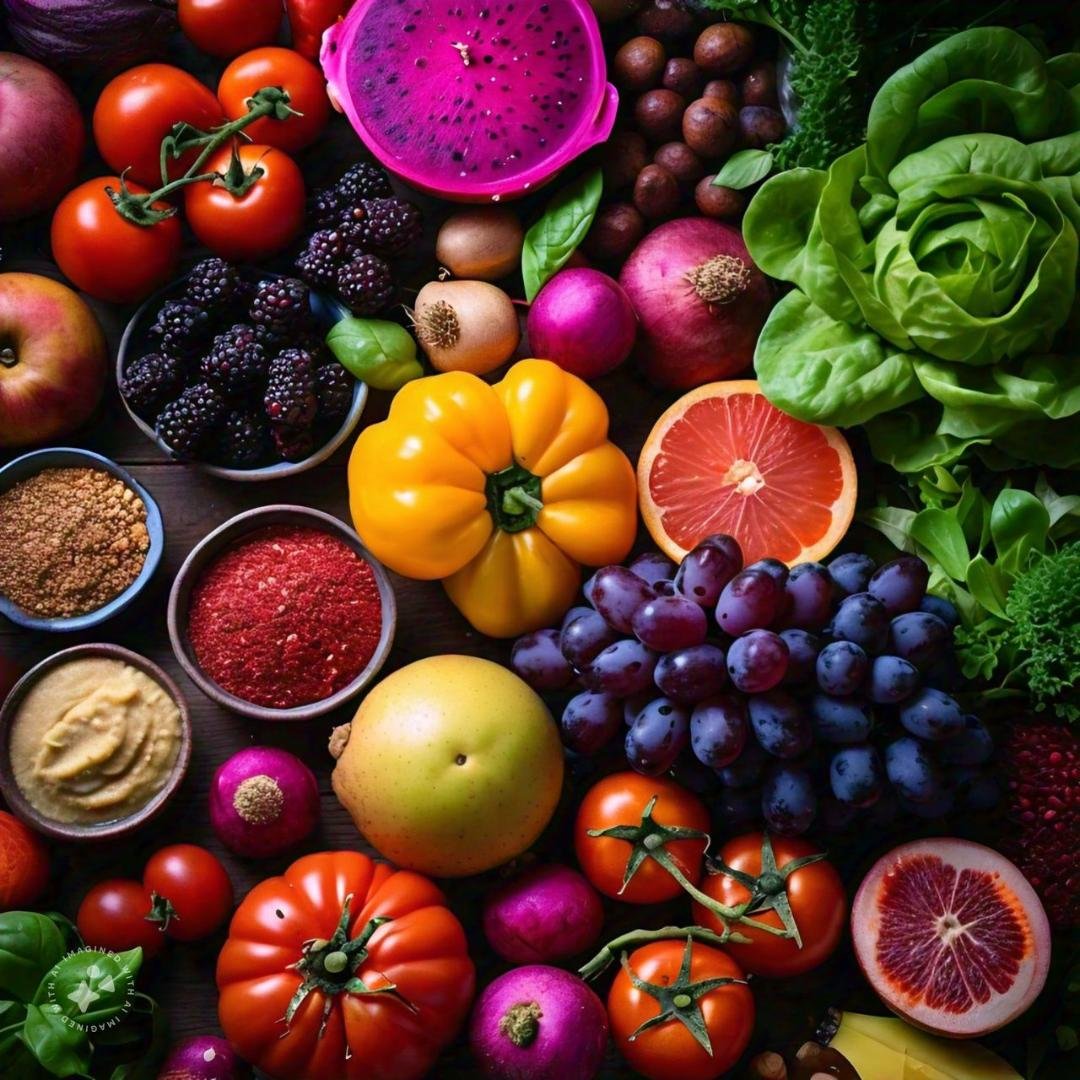
Coinciding with World Heart Day and beyond on the theme; ‘Use Heart for Action,’ the campaign is urging Ghanaians to take out meats like beef, pork, mutton, goat as well as fish and poultry from their meals on Mondays and replace them with plant-based foods like vegetables, fruits, whole grains and plant-based proteins.
According to the Executive Director of the John Hopkins Centre for Communications, Mr Emmanuel Fiagbey, at the re-launch, stated that simply choosing not to eat meat one day in a week but plant-based food was a deliberate effort to begin making small changes in one’s dietary habits and reduce risks for illnesses like heart attacks, stroke, diabetes, among others.
Mondays, he explained, was strategic to enable people start off the week on a healthy note after possibly indulging in all sorts of unhealthy eating in previous days, particularly weekends where people often let down their guard.
The NCDs Programme Manager of the Ghana Health Service (GHS), Dr Efua Commeh, advised Ghanaians to make it a habit to exercise regularly, screen and check their blood pressure often, eat healthy and continue with medication when diagnosed of any NCD in order to promote longevity.
“By virtue of lifestyle changes due to global dynamics, eating of products like meat which used to be part of the family only during festive seasons have now become a norm in households because people are earning more and now able to buy beef, mutton, chicken and fatty foods and drinks on more regular basis.
The consumption of these products, however, comes with increased risk and people should be aware and start eating better, exercise and be more responsible for their health.”
Studies have shown that there is a strong link between eating red meat and heart-related diseases and deaths.
Diets high in red and processed meat have been associated with increased risk of type 2 diabetes, cardiovascular diseases, obesity, cancers particularly colorectal cancer, among other related ailments.
The World Health Organisation (WHO) estimates that a total of 41 million deaths occur annually due to NCDs.
In Ghana, about 95,000 deaths, almost 50 per cent of all mortalities each year results from NCDs such as heart diseases, stroke, diabetes, cancer and respiratory disease which are also common conditions reported in health facilities.
By Abigail Annoh






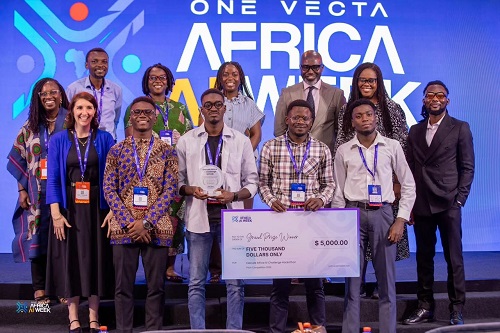
Malta and Ghana have an opportunity to build a forward-looking partnership in artificial intelligence, combining Malta’s institutional agility and European regulatory experience with Ghana’s talent, scale and regional influence.
Malta’s High Commissioner to Ghana, Ronald Micallef, made the call at One Vecta Africa AI Week 2026 in Accra, where he proposed a structured dialogue bringing together governments, regulators, universities and the private sector.
He said the dialogue should move beyond broad declarations and identify a small number of practical initiatives with responsible institutions and measurable outcomes.
“Malta’s experience offers three broad lessons: build institutions people can trust, give everyone the capacity to understand and question artificial intelligence, and keep human values and national purpose at the centre,” High Commissioner Micallef said.
Malta launched its national AI strategy in 2019 with a vision extending to 2030. The country has since strengthened the institutional foundations needed to regulate and support the responsible use of emerging technologies.
Central to this effort is the Malta Digital Innovation Authority, established by law and designated as Malta’s notifying authority and principal market-surveillance authority under the European Union’s AI Act, working alongside other sectoral regulators.
“A strategy needs more than ambition. Every commitment must have a responsible institution, a budget and a measurable result,” the High Commissioner stated.
He also highlighted Malta’s AI for All programme, developed by the Malta Digital Innovation Authority in collaboration with the University of Malta. The free online programme allows citizens and residents aged 14 and over to acquire foundational AI knowledge in Maltese or English.
According to High Commissioner Micallef, AI literacy is rapidly becoming a civic necessity. People must be able not only to use artificial intelligence, but also to question its outputs, recognise its limitations and understand how it may affect their lives.
Drawing on Ghana’s tradition of Sankofa, he warned that the development of artificial intelligence raises important questions about whose histories, languages and knowledge are preserved.
He quoted the Asantehene, Otumfuo Osei Tutu II, who recently observed: “The palace must remain a guardian of memory. But it must also become a workshop for the future.”
“Sankofa has a direct relevance to artificial intelligence,” High Commissioner Micallef said. “If societies do not make deliberate choices, their languages, memories and ways of understanding the world may be diminished rather than strengthened.”
He linked this thinking to Project ETHICS, a Malta-supported initiative developed with Step Up Nigeria and partners in Ghana. The project encourages young people to examine integrity, empathy, responsibility, fairness and service within their everyday lives and communities.
The High Commissioner said Ghana’s interest in strengthening ethics education offers fertile ground for cooperation, particularly as young people prepare to engage with increasingly powerful but fallible technological systems.
He also invited Ghanaian institutions to participate in shaping the proposed Sovereign Technology Centre on Malta’s sister island of Gozo.
The centre, which remains at a formative stage, is envisaged as a solar-powered platform for research and testing in sovereign technologies, including artificial intelligence.
“Sovereign AI does not mean isolation,” he explained. “It means retaining meaningful control over essential data, computing infrastructure, standards and critical systems.”
Potential areas for Malta–Ghana cooperation include AI assurance and regulation, AI literacy, ethics education, data governance, joint research and collaboration with the proposed Gozo centre.
High Commissioner Micallef stressed that the partnership should not involve simply transferring one country’s model to another.
“Malta and Ghana bring different but complementary strengths. The purpose is to learn from one another and build approaches suited to our respective national realities.”
“The future will belong not to those with the most intelligent machines, but to those with the wisdom to decide what intelligence is for,” he concluded.
By Chris Koney
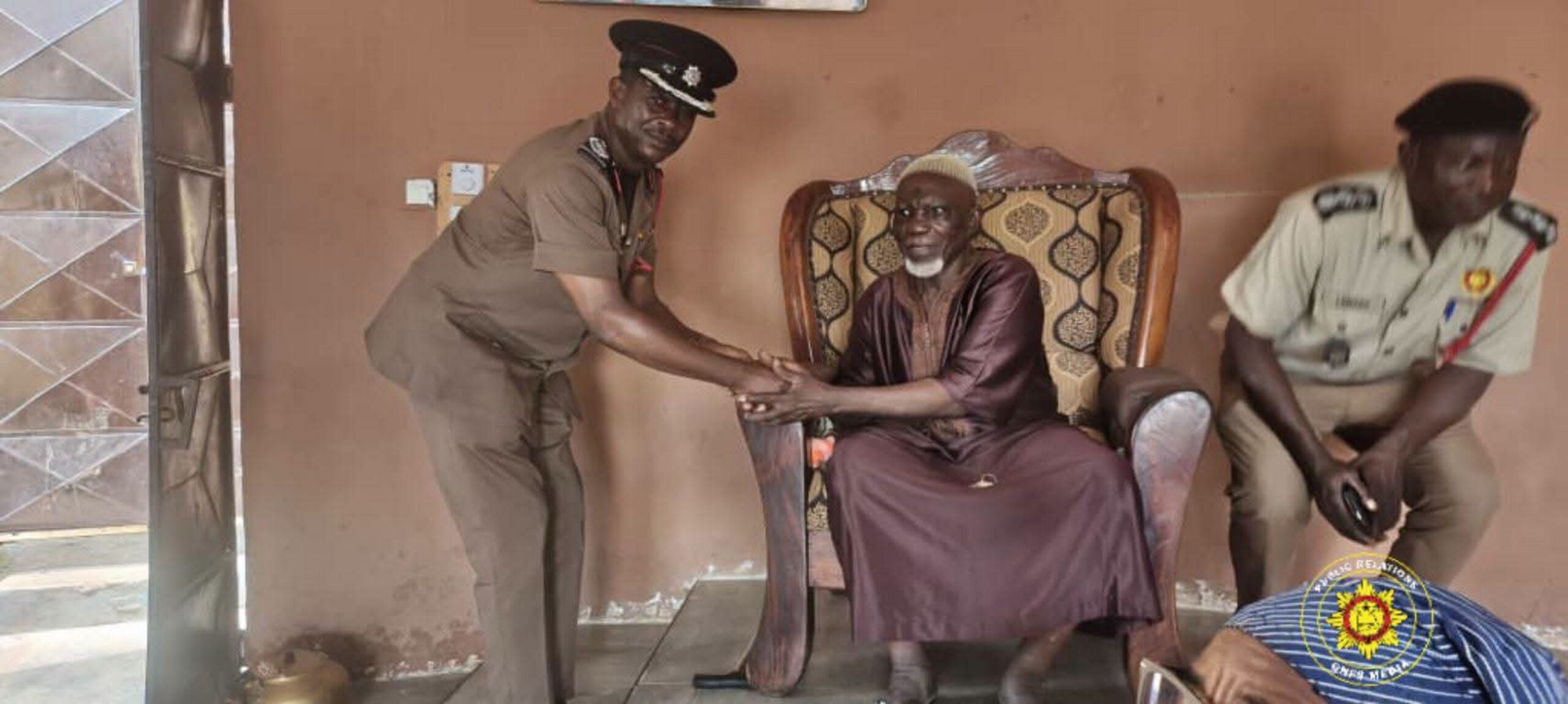
The Paramount Chief of Bamvum, Abdulai Ziblim, has donated a one-acre plot of land at Jongshegu, a suburb of Tamale, to the Ghana National Fire Service (GNFS) for the construction of a new fire station.
The Northern Regional Commander of the GNFS, ACFO I Joseph Koranteng, led a delegation to formally accept the land and expressed appreciation to the Chief for his commitment to public safety.
The proposed fire station is expected to improve emergency response times and strengthen fire safety coverage as Jongshegu and surrounding communities continue to expand rapidly.
The Chief called on stakeholders to support the swift development of the facility, while ACFO I Koranteng described the donation as a strong example of collaboration between traditional authorities and state institutions to protect lives and property.
By Edem Mensah-Tsotorme