Sports
No lessons learnt from gory May 9!


- /home/u249204778/domains/spectator.com.gh/public_html/wp-content/plugins/mvp-social-buttons/mvp-social-buttons.php on line 27
https://spectator.com.gh/wp-content/uploads/2021/05/MAY.jpg&description=No lessons learnt from gory May 9!', 'pinterestShare', 'width=750,height=350'); return false;" title="Pin This Post">
- Share
- Tweet /home/u249204778/domains/spectator.com.gh/public_html/wp-content/plugins/mvp-social-buttons/mvp-social-buttons.php on line 72
https://spectator.com.gh/wp-content/uploads/2021/05/MAY.jpg&description=No lessons learnt from gory May 9!', 'pinterestShare', 'width=750,height=350'); return false;" title="Pin This Post">
Twenty years ago, something tragic happened to the nation’s football. It was the May 9 Accra Sports Stadium Disaster which claimed 127 lives in cold blood.
Ghana stood motionless. Africa was petrified. The world was shell-shocked. It was the continent’s worst sporting calamity, and the second largest to be recorded in the world after the riots at the Estadio Nacional in Peru where 328 lives perished in 1964.
The horrendous May 9, 2001 disaster occurred when fans of Hearts of Oak and Asante Kotoko had poured out in their numbers to watch their idol clubs slot it out in a titanic Premier League game. Three precious points and bragging rights were at stake.
Sadly, what was expected to be an eye-pleasing, memorable exhibition of deluxe football, turned out to be an unspeakable evening of horror.
Disgruntled at the decision of Referee Joseph Wilson Sey for allowing what they perceived was an offside goal by Hearts’ Ishmael Addo in the 81st minute, Kotoko fans peeled off some of the plastic chairs and hurled them onto the pitch.
Other objects were also flung from all directions onto the turf in disapproval of the supposed winning goal.
The response from the police was swift but brutal as they fired several cans of tear gas canisters and rubber bullets into the crowd in a bid to disperse them. The action created a ‘fatal’ stampede, culminating in the death of the fans who were trying to escape through a rather narrow exit.
On the ground, laid innocent lives whose only crime was deciding to come to the stadium and watch their pet clubs in action. Up till today, the disaster is still gruesomely etched on the memory of millions of Ghanaians, especially those who lost their loved ones – as well as fans who witnessed the heart-rending event on that bloody Wednesday night.
Later, a bronze statue was erected outside the stadium – depicting a fan carrying another fan to safety with the inscription: “I am My Brother’s Keeper,” in honour of the victims of the tragedy.
It is a sad commentary that the pitiable statue and its inscriptions had done nothing to change the mindset of football fans.
One may have thought that bitter lessons would be gleaned from that pathetic incident – and expectedly, clubs and their fans will never ever do anything to trigger another disaster of a sort.
Wrong! Incredibly, the football centres have since witnessed countless number of violent scenes – some resulting in fatalities and serious injuries.
In certain situations, referees are attacked and beaten to pulp – apparently for perceived biased officiating; players and their officials have not also been spared the hooligans in the heat of such violence.
In a desperate bid to bring the harrowing situation under control, the Ghana Football Association (GFA) has over the years instituted measures like banning, suspending and currently demoting referees whose action on the pitch could potentially trigger mayhem or bring the game into disrepute. Great move, but some of these match officials still do not appear bothered by the severe sanctions.
Indeed, the FA is doing its damnedest to bring some sanity into the game, but they would have to do more with regard to ‘caging’ miscreants who are happy taking the law into the their own hands.
The police have also not taken any lessons from the Accra incident. Only last year, a police officer shot rubber bullets into an angry crowd at the Baba Yara Stadium in Kumasi – during a premiership game between Kotoko and Berekum Chelsea, injuring one of the fans in the eye.
In marking the 20th anniversary of the May 9 Disaster last Sunday, Minister of Youth and Sports (MoYS), Mustapha Ussif, said that the greatest tribute Ghanaians could offer the departed ones was to ensure such tragedy was not repeated – entreating fans to be disciplined when at match venues.
There has been similar admonitions from past sports ministers and FA presidents, but nothing seemed to have changed really.
Is it not dumbfounding that even on the day that the nation was marking this heavy-hearted anniversary, there was a spate of violence at the a premiership game between Ebusua Dwarfs and Legon Cities at the Cape Coast Sports Stadium? The match had to end abruptly because the referee claimed he did not feel safe continuing the game, owing to threats from home fans.
Clearly, it tells you that we are missing it. Admonitions will not fix it; weeks of prayer and fasting would not either. We know what to do to bring the situation under some control, but we all seem to be playing the ostrich.
Our football officials and especially club administrators know where these hooligans are. And, we all know that sometimes, they engage them to do the ‘dirty’ jobs for them at match venues and assure them of maximum protection.
It is the reason you find these miscreants walking scot-free and threatening more mayhem – barely 24 hours after they had been picked up at the stadium for rowdyism.
A police constable, who pleaded anonymity, told this writer how his boss ordered him in February, this year, to release three suspects involved in stadium violence at the Nduom Sports Stadium in Elmina. There are many others.
In any serious jurisdiction, those home fans – who allegedly stormed the field to attack referee Eric Owusu Bempah after their team slumped 1-2 to Medeama SC in a premiership tie, would have been charged to face the full rigours of the law. But this is Ghana where we can talk the whole day about hooliganism and its effect on football development, yet do little to stop the carnage.
We do not need anybody to remind us that this so-called fight against hooliganism or stadium violence will continue to boomerang in our faces until we decide to face it head-on.
The pretence appears to be too much – and that is where the problem lies!
PlainTalk with JOHN VIGAH


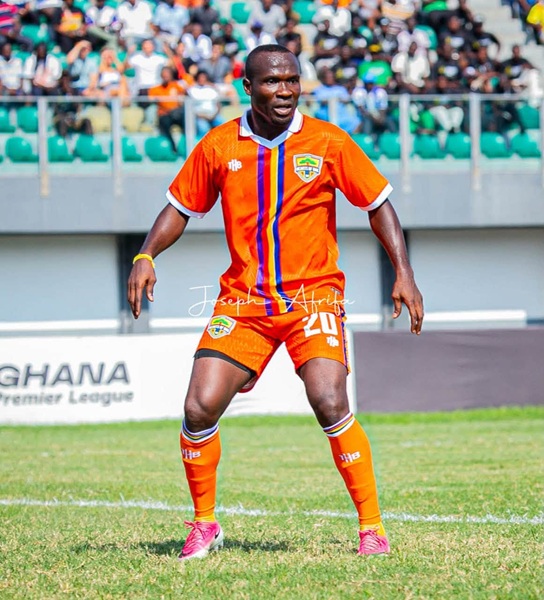
Accra Hearts of Oak and Dreams FC will headline Matchday 5 of the Ghana Premier League when the two sides meet at the University of Ghana Sports Stadium tomorrow, with both clubs seeking a result that could shape their early season campaign.
The encounter comes at a crucial moment for the two sides with the Phobians looking to recover from their first defeat of the campaign and Dreams still searching for their first victory after four matches.
The Rainbow lads started the season strongly but were beaten 1-0 by Karela United last weekend, while Dreams suffered a slim 1-0 defeat to Bechem United.
Hearts had earlier recorded impressive victories over Berekum Chelsea and Bibiani Gold Stars before drawing goalless with Bechem United, leaving the club with seven points from their opening four matches.
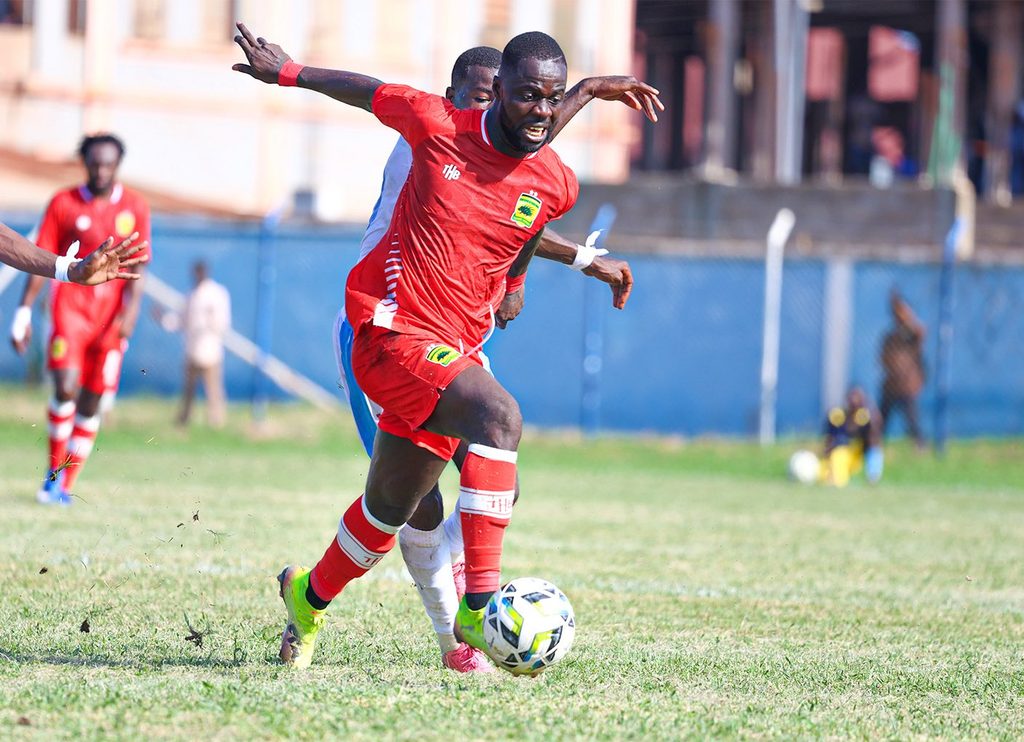
Their defeat at Karela United, however, means they will be under pressure to quickly return to winning ways against a Dreams side determined to make home advantage count.
Dreams, meanwhile, have endured a difficult beginning to the campaign and will see tomorrow’s fixture as an opportunity to change their fortunes.
The ‘Still Believe’ side have collected points from only their opening draws and are yet to register a victory, making the meeting with one of the country’s traditional giants an important test of their character.
Elsewhere, Vision FC will welcome Bibiani Gold Stars to the Nii Adjei Kraku II Sports Complex today, with both teams looking to strengthen their positions.
Vision have shown encouraging form in the early stages, while Gold Stars will be seeking a response after suffering a 2-0 home defeat to newcomers Port City FC.
At the Debibi Presby Park, newly promoted Debibi United will face defending champions Medeama SC tomorrow.
Medeama finally opened their account with a convincing 4-1 victory over Basake Holy Stars and will be hoping that the result marks the beginning of a stronger title defence.
Port City FC will continue their impressive debut campaign when they host Bechem United at the Daasebere Boamah Darko II Park.
Basake Holy Stars will attempt to recover from their heavy defeat to Medeama when they host Berekum Chelsea at the Ampain AAK II Sports Arena.
Aduana FC will welcome Swedru All Blacks to the Nana Agyemang Badu I Park after producing one of the weekend’s most notable results last Sunday.
At the Kpando Stadium, Heart of Lions will host FC AshantiGold ’04 in another meeting between sides coming off victories.
FC Samartex 1996 will meanwhile welcome Young Apostles FC to the Nsenkyire Sports Arena, with the home side seeking to maintain their unbeaten start to the campaign.
By Enoch Ntiamoah Siaw
SKIP THE QUEUE, TAP THE NEWS
You can now read the Ghanaian Times and The Spectator newspapers from the comfort of your device via TimesNewsPlus.
Join our WhatsApp Channel: https://whatsapp.com/channel/0029VbBElzjInlqHhl1aTU27
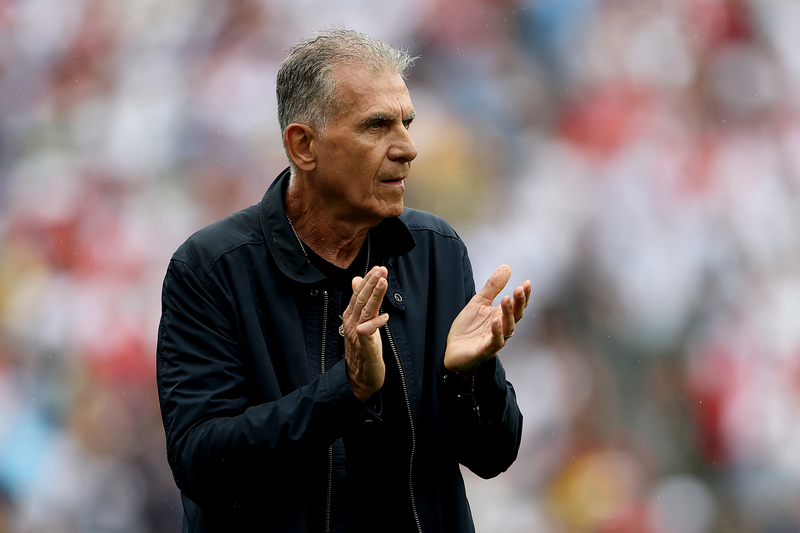
Tuesday, September 29, 2026 would go into the annals of Ghana football as one of the darkest days for the Black Stars.
In an AFCON 2027 qualifier against The Gambia, the Black Stars did not only break the hearts of the fans, but conceded a defeat that left followers with sleepless nights.
Coming from a Matchday 1 defeat to the Elephants of La Cote d’Ivoire in Bouake, the outcome of the second game against The Gambia was one that was non-negotiable.
It had the ability to spark a revival to contend for one of the slots for the next AFCON showpiece.
The Gambia is a formidable side but definitely, not one to have frustrated Ghanaians to watch in pain and awe the Black Stars lose a game from a winning position.
That is a possibility in the game of football but when the stakes are high in such cases, it becomes unacceptable to the fans.
And grievously has Carlos Queiroz answered the massive call for his resignation.
At his post-match press conference, he made it clear that bowing out was the easiest decision but insisted that would not solve the myriad problems facing the Black Stars.
For the coach to be fired two days after that declaration raises a lot of concerns as he seem to be aware of existing problems the FA may even not know.
Unfortunately, coaches over the years have always been sacrificial lambs in situations of this nature but when he talks about particular problems affecting the team, his sack leaves much to be desired.
That aside, it is important to also take another look at the country’s pool of players, both local and foreign based.
Some of us have been advocates for forming the Black Stars around the ever-present local players who may lack the skill, finesse and flamboyance believed to give the foreign based players the edge over their local counterparts.
The locals, however, compensate that with their commitment and dedication.
Sadly, it appears this consistent call have fallen on deaf ears and no one wants to give any attention to that.
If the fear is that results would be poor, then that would be no excuse again following outcomes of the Stars in their last two games.
From what was witnessed in Bouake and Accra, one can confidently boast that there isn’t much difference between the foreign based players and the locals.
If there is any, it would probably be the treatment given to the two sets of players.
The call on the FA now is to give major consideration to the local players. Any coach that sees no good in the local players must have no business handling the national team.
That does not also shut the door on the ‘foreigners’. We witnessed how the early 90s teams were beautifully blended to have a formidable team.
It is time the FA goes back to the basics. With the locals, there can be more camps, leading to improved cohesion. Any foreign based player invited must settle into the team quickly and make a difference. That is the only way to rescue the Black Stars from its free fall.
By Andrew Nortey
SKIP THE QUEUE, TAP THE NEWS
You can now read the Ghanaian Times and The Spectator newspapers from the comfort of your device via TimesNewsPlus.
Join our WhatsApp Channel: https://whatsapp.com/channel/0029VbBElzjInlqHhl1aTU27