News
NHIA boss joins Ghana delegation at AU health summit

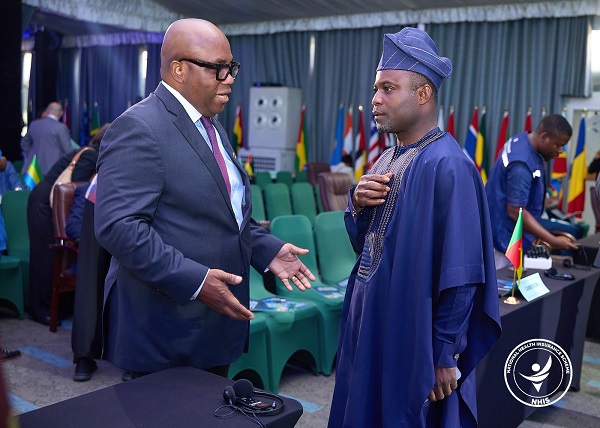
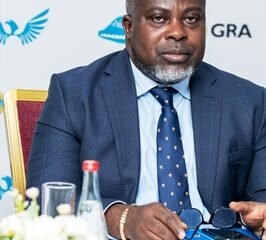
The Chief Executive of the National Health Insurance Authority (NHIA), Dr Victor Asare Bampoe, has joined Ghana’s delegation at the African Union (AU) Extraordinary Summit on Health in Accra to discuss ways of improving healthcare across the continent.
The two-day summit, which opened on Tuesday, July 21, brought together African leaders, health ministers, policymakers, development partners and public health experts to discuss ending AIDS by 2030, reducing preventable maternal deaths, tackling communicable and non-communicable diseases, and strengthening health systems in Africa.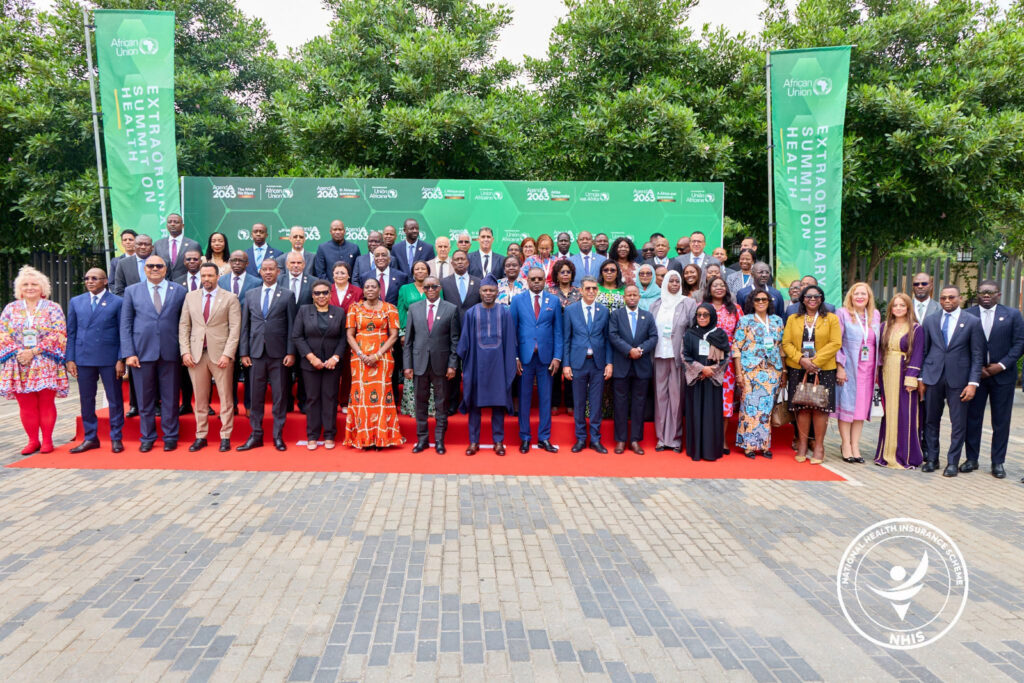
The meeting is being hosted by the Government of Ghana under the theme: “Addressing Preventable Maternal Deaths, Ending AIDS by 2030, Addressing Communicable and Non-Communicable Diseases Endemic to the Continent, and Strengthening Health Systems by 2030.”
Dr Bampoe’s participation highlights the NHIA’s commitment to supporting Universal Health Coverage through sustainable health financing and ensuring that all Ghanaians have access to quality healthcare.
According to the organisers, the summit is providing African leaders with an opportunity to review progress made under previous health commitments, identify challenges affecting healthcare delivery and adopt new strategies to help countries achieve the health-related Sustainable Development Goals and the African Union’s Agenda 2063.
Ghana’s delegation reaffirmed the country’s commitment to strengthening primary healthcare, improving maternal and child health, expanding access to essential health services and building resilient health systems capable of responding to future public health emergencies.
As part of the summit, Dr Bampoe is expected to grant interviews to international media to highlight Ghana’s progress in expanding access to healthcare through the National Health Insurance Scheme (NHIS). He is also expected to outline ongoing reforms aimed at improving the scheme’s financial sustainability, strengthening primary healthcare, promoting digital innovation and accelerating the country’s drive towards Universal Health Coverage.
Welcoming delegates on behalf of President John Dramani Mahama, the Minister for Health, Kwabena Mintah Akandoh, said Ghana was hosting the summit not only as a venue but also as “a committed partner in Africa’s collective pursuit of a healthier, more dignified and self-reliant continent.”
He acknowledged that although Africa had made significant progress in reducing communicable diseases, including HIV infections and AIDS-related deaths, maternal mortality, inadequate healthcare financing and dependence on imported medicines continued to threaten the continent’s health security.
Mr Akandoh called on African countries to move beyond declarations and focus on implementation by increasing domestic health financing, expanding local production of medicines, vaccines and health technologies, and making primary healthcare the foundation of their health systems.
He said Ghana had already taken steps in that direction through reforms such as the uncapping of the National Health Insurance Levy, the rollout of the Free Primary Healthcare Programme, the Ghana Medical Trust Fund and efforts to strengthen local pharmaceutical manufacturing.
“A continent that finances its own health secures its own future. It cannot remain hostage to changing priorities beyond its shores,” the minister stated.
By:Jacob Aggrey








Management and staff of Owass FM have announced the passing of media personality, comedian and politician Seth Kwame Dzokoto following a medical emergency during a live morning show discussion at the station earlier today.
According to the station, Dzokoto was participating in a panel discussion on its morning show “Oman Nkoso” when he suddenly took ill and collapsed.
A statement from the station said its team immediately rushed him to the hospital for medical attention, but he was pronounced dead by the attending medical doctor upon arrival.
“We are deeply saddened by this unfortunate incident, which occurred in the course of our regular programming. Our thoughts and prayers are with his family, loved ones, colleagues, and all those who have been affected by his passing,” the statement said.
Management acknowledged that information about the incident is already circulating in the public domain, but appealed to the public and colleague media houses to respect the privacy of the bereaved family and refrain from circulating unverified information or speculation regarding the circumstances of his death.
Owass FM extended its heartfelt condolences to the family of Seth Kwame Dzokoto.
By Edem Mensah-Tsotorme

The State through the Attorney General (AG) has filed an appeal at the Supreme Court challenging the suspension of the trial in the case of The Republic v Hanan Aludiba and Faiza Seidu.
On Monday, the Court of Appeal suspended the trial in the case. But the prosecution says it has filed an appeal against the suspension order.
According to the update, the law does not allow a criminal trial to be suspended simply because an accused person has complained about some of the charges on the charge sheet, particularly when those complaints were dismissed as meritless.
It argues that if the Court of Appeal’s decision is allowed to stand, no prosecution will ever be possible, since all it would take for a trial to be suspended is an accused person complaining about anything on the charge sheet.
By Edem Mensah-Tsotorme