News
NETRIGHT launches gender mainstreaming standards policy

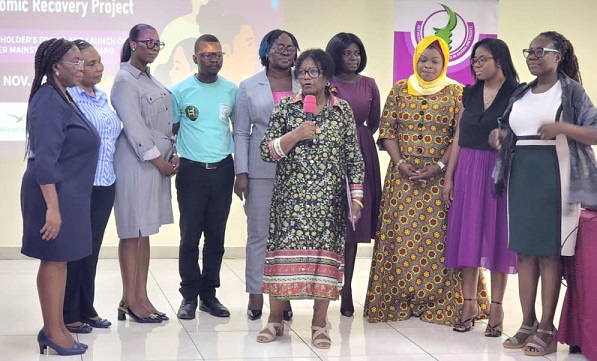
The Network for Women’s Right in Ghana (NETRIGHT), an economic, justice, advocacy network has launched a Gender Mainstreaming Standards (GMS) policy document aimed at ensuring that gender-based issues are well tackled during crisis.
The document which was launched at a stakeholders’ meeting in Accra was necessitated by the difficulties encountered by women, children and some marginalised groups during the Covid-19 pandemic in 2020 and will serve as a policy guideline for governments.
It will also help government to identify the needs of these critical groups of people in society during pandemics and offer guidance on how best to respond to their needs.
There was also a discussion on how to get 40 per cent of women to take up leadership roles in the financial sector.
The forum brought together diverse stakeholders including gender focused Civil Society Organisations (CSOs), women’s rights groups, trade associations, academia, private sector and development partners.
Mrs Bernice Sam (Esq), a Consultant, said the needs of women, children and some marginalised groups such as the disabled, were not catered for although there were interventions in place by the government in response to the pandemic in the areas of healthcare, education, social protection, formal and informal sector.
She said in the area of social protection, women who were abused could not report because of the lockdown during the COVID-19 pandemic.
On interventions in the informal sector, Mrs Sam applauded the government for the loans given out to small and medium scale businesses but indicated that the amount of loans granted to men-owned business were more.
She observed that communication during the pandemic was mostly online, a platform a lot of women were not familiar with.
Providing remedies to the challenges, Mrs Sam said during pandemics or any other crisis, there should be a budget specifically to tackle issues relating to gender.
She said special funds should be put aside to take care of women-owned businesses.
Mrs Sam also urged the government to ensure that there was digital literacy where women could use basic tools to communicate during crisis.
The Head of Secretariat at NETRIGHT, Mrs Patricia Blankson Akakpo, said there were a lot of women in the financial sector, but only 10 per cent held leadership positions.
She therefore, called on stakeholders in the gender mainstreaming to ensure that well-thought-out measures were put in place to get women to lead in the financial sector.
Sustainability Manager of ABANTU, Hamida Harrison (front) launching the policy with other stakeholders
By Jemima Esinam Kuatsinu


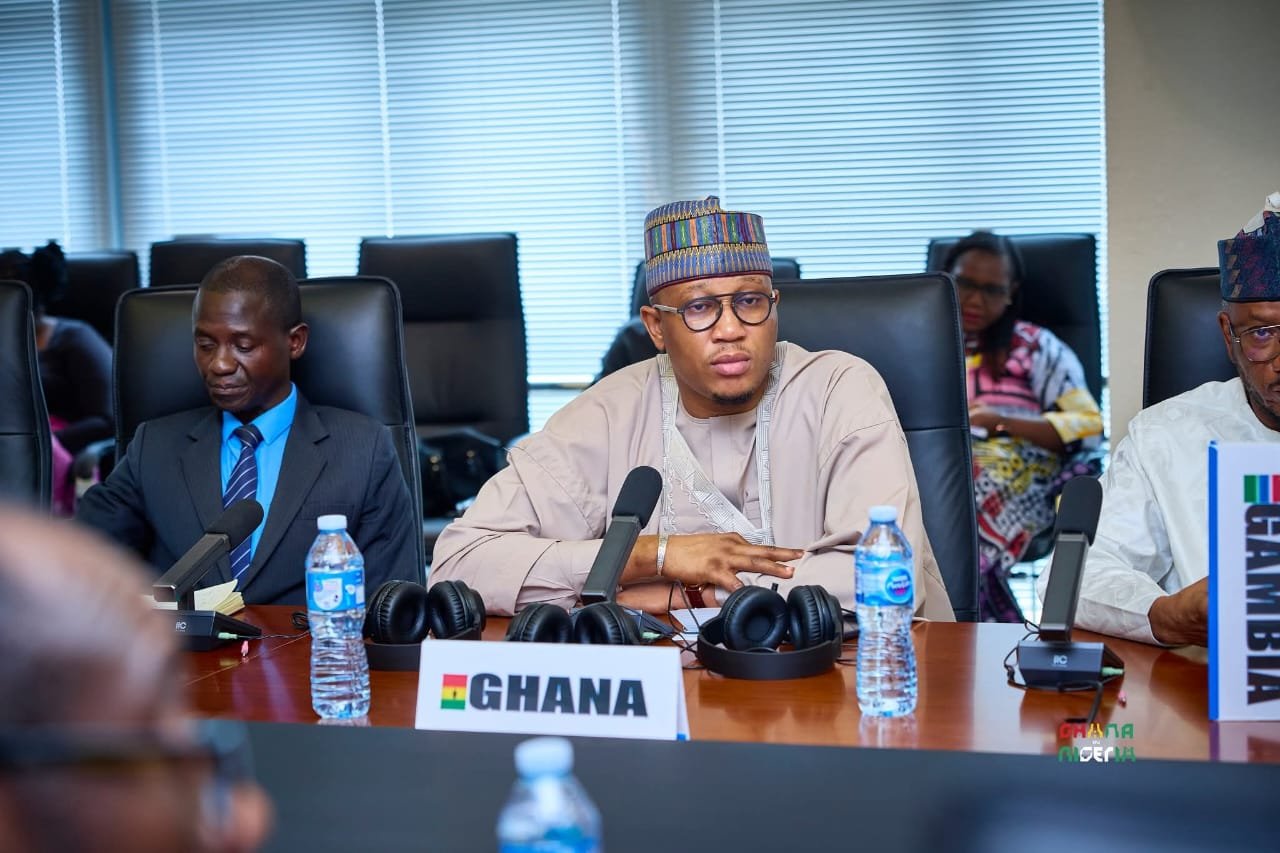
The Ghana High Commission in Abuja, Nigeria, is appealing to the public to help trace the relatives or next of kin of Apia Solomon, a Ghanaian national believed to be from Osu, Accra.
According to a public announcement by the High Commission, Mr. Solomon, born on March 6, 1960, in Accra, died on July 5, 2021, from cardiopulmonary failure.
He worked as a temporary civilian staff member at the National Defence College in Nigeria. His remains are currently being kept at the Nigerian Air Force Hospital morgue in Abuja, pending burial arrangements.
The High Commission says efforts to locate his relatives have so far been unsuccessful and is urging anyone with information about his family, friends or next of kin to come forward.
Anyone with relevant information is encouraged to contact the Ghana High Commission in Abuja.
By: Jacob Aggrey
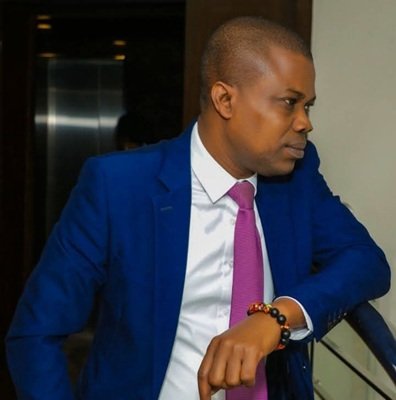
Security consultant Richard Kumadoe has blamed what he describes as flawed recruitment and incomplete background checks for some of the problems facing the Bureau of National Intelligence (BNI).
He has called on the leadership of the BNI to review the backgrounds of officers recruited during specific periods, particularly those who entered the agency under recent recruitment processes.
Speaking on the issue on TV3 yesterday, Mr Kumadoe alleged that some individuals were recruited into the intelligence agency without proper background checks and completed vetting.
“Certain categories of persons were dumped into the BNI, whose backgrounds were not checked, and whose vettings were not completed,” he stated.
He said some of the officers linked to the concerns appeared to have been recruited within the same period, making it necessary for the agency to examine the recruitment records and backgrounds of those who joined during that time.
Mr Kumadoe argued that the problems could be addressed by ensuring that recruitment procedures were properly followed and that all applicants underwent the required checks before being employed.
According to him, when the selection process is flawed, it can lead to problems within the institution.
He blamed the politicisation of security institutions, arguing that appointing people without the necessary intelligence experience and allowing political interests to influence recruitment could undermine their operations.
“When you have a selection procedure that was flawed because you politicised the place, brought in people to come and head the place when they have no business being there, they don’t know anything about being a BNI officer, they are not intelligence officers, and you flood the place with politicians and political artists, then you circumvent the standard procedure and you are going to have some of these problems,” he said.
Mr Kumadoe, however, defended the current leadership of the BNI, arguing that efforts to address longstanding problems within security institutions could bring such issues to light.
He said the leadership should be assessed in the context of the steps it is taking to improve the agency’s operations and uphold professional standards.
Drawing on his own experience in the intelligence field, he said the opportunity to serve under experienced officers had helped him develop the skills and integrity needed to contribute to national security.
By: Jacob Aggrey