News
Mrs Alisa Osei-Asamoah bows out of TOUGHA leadership with Thanksgiving Dinner


- /home/u249204778/domains/spectator.com.gh/public_html/wp-content/plugins/mvp-social-buttons/mvp-social-buttons.php on line 27
https://spectator.com.gh/wp-content/uploads/2025/05/unnamed-14-1.jpg&description=Mrs Alisa Osei-Asamoah bows out of TOUGHA leadership with Thanksgiving Dinner', 'pinterestShare', 'width=750,height=350'); return false;" title="Pin This Post">
- Share
- Tweet /home/u249204778/domains/spectator.com.gh/public_html/wp-content/plugins/mvp-social-buttons/mvp-social-buttons.php on line 72
https://spectator.com.gh/wp-content/uploads/2025/05/unnamed-14-1.jpg&description=Mrs Alisa Osei-Asamoah bows out of TOUGHA leadership with Thanksgiving Dinner', 'pinterestShare', 'width=750,height=350'); return false;" title="Pin This Post">
After four impactful years at the helm of the Tour Operators Union of Ghana (TOUGHA), Mrs Alisa Osei-Asamoah marked the end of her presidency with a heartfelt Thanksgiving Dinner on Sunday, May 25, 2025 at the Labadi Beach Hotel in Accra.
The elegant evening brought together members of the Union, tourism industry stakeholders, close associates and well-wishers in a spirit of appreciation and celebration. It was a fitting farewell for a leader whose tenure was marked by excellence, innovation and a tireless commitment to the growth of not just the organisation that she led, but also, Ghana’s tourism sector.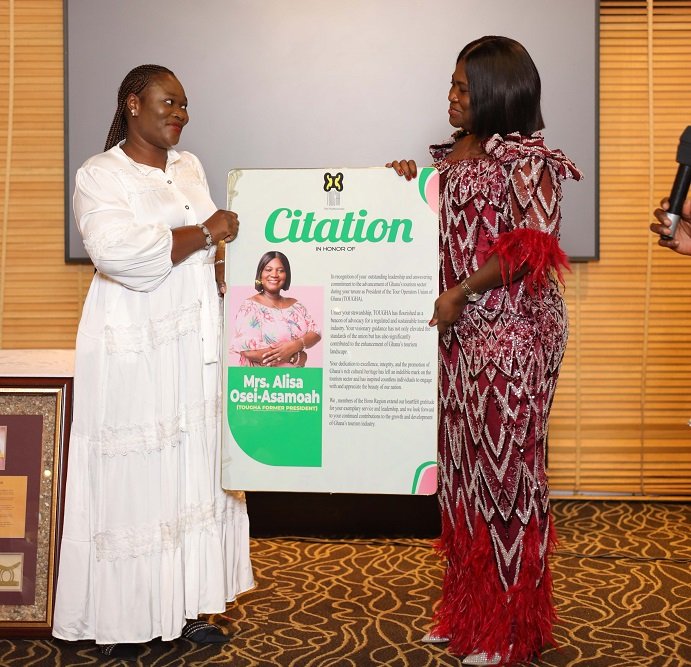
In her speech, Mrs Osei-Asamoah shared the inspiration behind the dinner,“I am here to express my utmost appreciation to God Almighty for seeing me through my tenure as the President of TOUGHA.”
She said, “He’s been faithful throughout my administration, and I’m glad you’re here to join me to show my appreciation.”
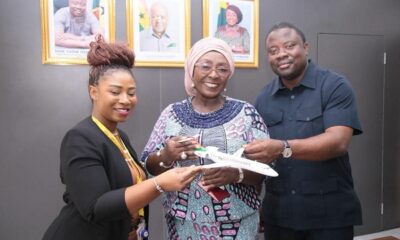
The evening served not only as a moment of spiritual reflection but also as a platform for honouring those who played key roles in her successful administration. Mrs Osei-Asamoah presented citations and gift packages to individuals who supported her throughout her leadership, in what she described as a gesture of sincere gratitude.
“These people have helped and worked closely with me during my tenure, and I felt it was only proper that I show my gratitude for their help,” she added.
Guests were treated to a sumptuous buffet accompanied by flowing drinks, lively music and dancing that fostered a mood of camaraderie and celebration.
One of the most memorable moments of the evening came when the Bono Chapter of TOUGHA presented Mrs Osei-Asamoah with a citation in honour of her outstanding leadership. The citation praised her transformative contributions to the Union and Ghana’s wider tourism landscape.
“Under your stewardship, TOUGHA has flourished as a beacon of advocacy for a regulated and sustainable tourism industry. Your visionary guidance has not only elevated the standards of the Union but has also significantly contributed to the enhancement of Ghana’s tourism landscape,” the citation read.
It concluded with a message of admiration and hope: “We, members of the Bono Region, extend our heartfelt gratitude for your exemplary service and leadership, and we look forward to your continued contributions to the growth and development of Ghana’s tourism industry.”
Adding to the honours, the Advisory Board leadership, which served alongside Mrs Osei-Asamoah during her tenure, also presented her with a citation on behalf of the Union, recognising her exemplary service and leadership.
As Mrs Alisa Osei-Asamoah steps into a new chapter, her legacy as TOUGHA’s immediate past president remains firmly etched in the hearts of those she led, inspired and empowered. Her tenure will be remembered for its strategic vision, strong advocacy and unwavering passion for tourism development in Ghana.





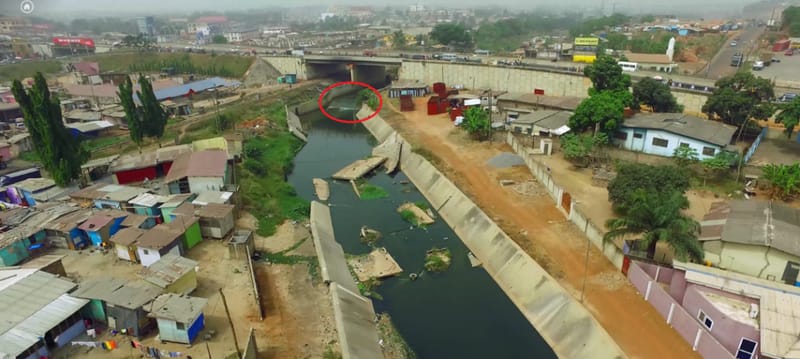
Construction of a major underground stormwater drain along the Dr. Busia Highway within the Kaneshie enclave will commence on September 7, 2026.
The Project Coordinator for the Greater Accra Resilient and Integrated Development (GARID) Project, Dr. Kwadwo Ohene Sarfo, announced this at a special media briefing on Wednesday.
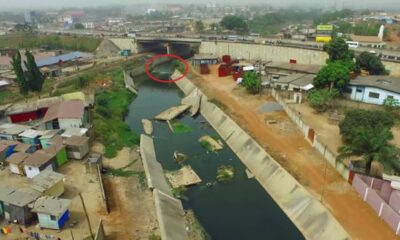
According to him, the works will involve the construction of a double-cell underground rectangular drain measuring approximately 10 metres wide and 1.95 kilometres long, stretching from Pamprom Junction to First Light Junction.
The new drain will replace the existing two 1.2-metre diameter pipes, which are inadequate to carry the volume of stormwater in the area.
Dr. Sarfo said the drain will connect at one end to the recently completed section within the Accra Academy campus and at the other end to the existing drain at Pamprom Junction.
He said the construction is expected to run from September 2026 to October 2027.
The project forms part of government’s broader flood prevention and mitigation programme aimed at addressing perennial flooding in Accra.
By Edem Mensah-Tsotorme
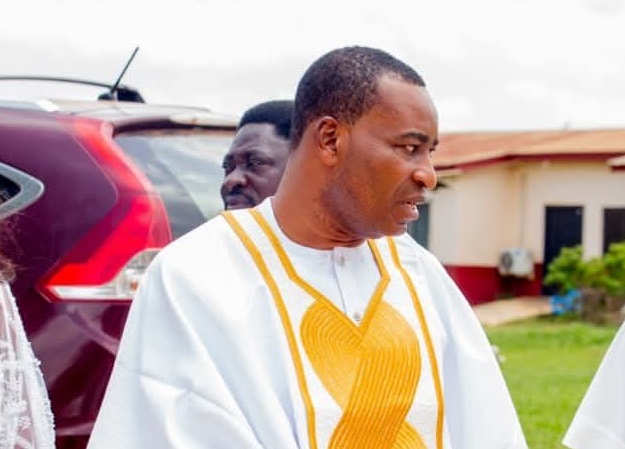
The former Ashanti Regional Chairman of the New Patriotic Party (NPP), Bernard Antwi Boasiako, popularly known as Chairman Wontumi, has withdrawn from the party’s National Chairmanship race.
In a statement issued yesterday, Chairman Wontumi who is currently serving a 20-year jail term said his decision was driven by his love for the party and his unwillingness to let his personal circumstances distract the NPP from its rebuilding efforts.
“There are moments in the life of a man when the heart wants to continue, but duty demands sacrifice. Moments when one must quietly set aside personal ambition, not because the dream has died, but because the family he loves must not be made to carry his burden. Today, I find myself at such a painful moment,” he wrote.
He disclosed that after many nights of prayer, sober reflection and consultations with his family, legal team, party elders, campaign team and trusted supporters, he concluded that his present situation must not become an additional burden on the NPP.
“This is not the decision my heart desired, but sometimes, true love requires us to release what we deeply want in order to protect what we love even more,” he added.
Recounting his years of service, Chairman Wontumi said he had served the party with everything within him, walking through heat and rain, travelling to remote communities and standing with the grassroots in both victory and defeat.
“For many years, I have served the NPP with everything within me… The NPP is not merely a political party to me. It is my family. It is my home. It is a cause to which I have dedicated a significant part of my life,” he stated.
He explained that the party, already carrying the pain of electoral defeat and the huge responsibility of preparing for the future, should not be made to carry his personal weight.
“That is why I cannot allow my present situation or personal ambition to distract the party from the difficult work of rebuilding. I cannot ask the party to carry my weight when it is already carrying the pain of defeat and the enormous responsibility of preparing for the battle ahead. I would rather carry this pain quietly than allow the party I love to suffer because of me,” he said.
He further sympathized with his supporters across the 16 regions, acknowledging that the decision would be painful for many who had sacrificed for his campaign.
“To my teeming supporters across all sixteen regions, I know this message will hurt. I know many of you will read it with tears in your eyes because I understand the sacrifices you have made for this journey,” he said.
By Edem Mensah-Tsotorme