News
Ministry of Health holds dialogue on workforce challenges

- /home/u249204778/domains/spectator.com.gh/public_html/wp-content/plugins/mvp-social-buttons/mvp-social-buttons.php on line 27
https://spectator.com.gh/wp-content/uploads/2025/04/image-8.png&description=Ministry of Health holds dialogue on workforce challenges ', 'pinterestShare', 'width=750,height=350'); return false;" title="Pin This Post">
- Share
- Tweet /home/u249204778/domains/spectator.com.gh/public_html/wp-content/plugins/mvp-social-buttons/mvp-social-buttons.php on line 72
https://spectator.com.gh/wp-content/uploads/2025/04/image-8.png&description=Ministry of Health holds dialogue on workforce challenges ', 'pinterestShare', 'width=750,height=350'); return false;" title="Pin This Post">
The Ministry of Health, in collaboration with the World Health Organization, has held a National Policy Dialogue to address critical challenges in the country’s health workforce.
The event, themed “Transforming Ghana’s Health Workforce for UHC: Align, Invest, and Sustain,” aimed to tackle issues such as workforce distribution, skills shortages, and the migration of health professionals.
Discussions focused on defining strategic roles, optimizing the health labour market, and fostering sustainable investments in human resources for health (HRH).
The two-day dialogue sought to build consensus on policies to ensure a well-resourced and resilient health system in Ghana.
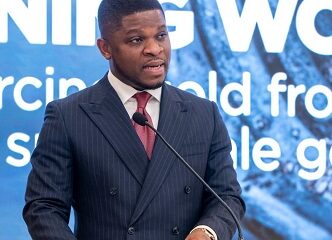
Addressing stakeholders, the Minister for Health, Kwabena Mintah Akandoh, noted that a recent Health Labour Market Analysis (HLMA) revealed a mixed picture of progress and ongoing challenges.
Despite significant strides over the past two decades, Ghana continues to grapple with issues related to health worker deployment, retention, and sustainability.
He explained that nearly 40% of trained health professionals remain unemployed, while rural areas, where the need is most acute, suffer from a severe shortage of healthcare workers.
Additionally, he highlighted a concerning trend: migration. He said over two-thirds of health workers are considering leaving the country, largely due to economic factors.
He urged key stakeholders to discuss solutions, emphasizing the need for bold and innovative approaches to address these workforce challenges.
The call to action was clear, rethink strategies, forge partnerships, and ensure long-term sustainability to achieve Universal Health Coverage.
In his welcome address, the Chief Director of the Ministry of Health, Alhaji Hafiz Adam, noted that the Ministry has made significant strides in expanding Ghana’s healthcare workforce over the past two decades, with support from development partners.
This has led to an increase in the public sector workforce density from 16.56 to 41.92 per 10,000 people.
He reiterated that despite this progress, the dialogue, bringing together key stakeholders is aimed to address challenges by analysing HLMA findings and developing strategies focused on education, job creation, and worker retention.
He added that the discussions will explore ways to strengthen partnerships, enhance policies, and establish monitoring and evaluation mechanisms to ensure the sustainable growth and effective management of Ghana’s health workforce.
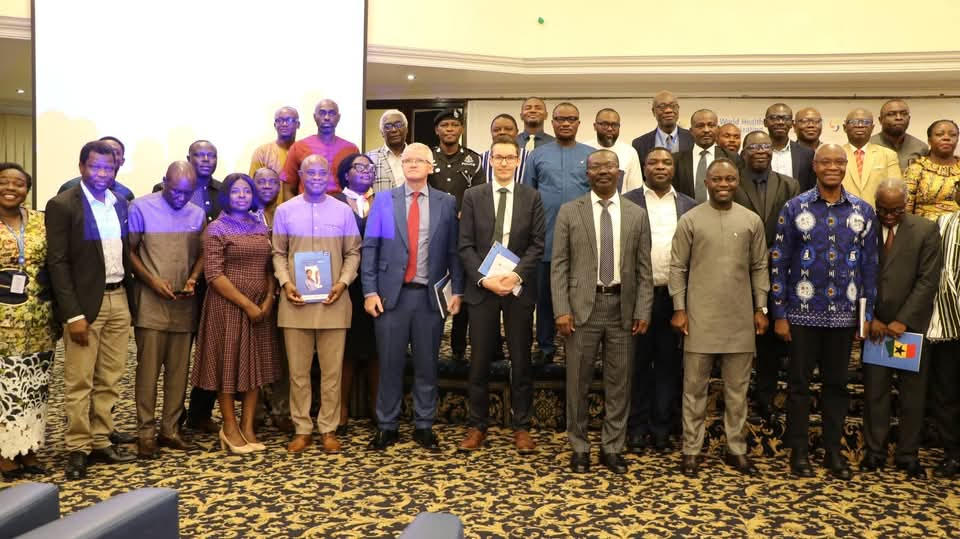
The meeting brought together senior officials from key ministries, alongside stakeholders from the Ministry of Health, private health providers, quasi-health institutions, professional associations, and development partners.
A panel discussion aimed to build consensus on reforms to enhance workforce coordination, regulatory frameworks, and long-term financing to support Ghana’s healthcare system was conducted.








The Ghana Football Association (GFA), through its Technical Directorate, will organize a one-day workshop for Ghana Premier League coaches ahead of the 2026/27 season.
The virtual session will bring together head coaches of all Premier League clubs for an engagement aimed at strengthening technical standards, enhancing professionalism, and ensuring a common understanding of key issues ahead of the new campaign.
It will be led by GFA Technical Director, Dr. Joseph Kwame Mintah, together with members of the Technical Directorate.
The workshop will provide a platform for coaches to engage the directorate on matters relating to their roles and responsibilities, with focus on key technical and administrative areas to ensure the smooth running of the competition.
Particular attention will be paid to the conduct and responsibilities of team officials, with emphasis on discipline, professionalism and adherence to competition regulations.
The exercise is expected to equip participants with relevant guidance and practical information as clubs finalize preparations for the new season.
The 2026/27 Ghana Premier League will kick off on Saturday, September 5, 2026, when Vision FC host Young Apostles at the Nii Adjei Kraku II Sports Complex in Tema New Town.
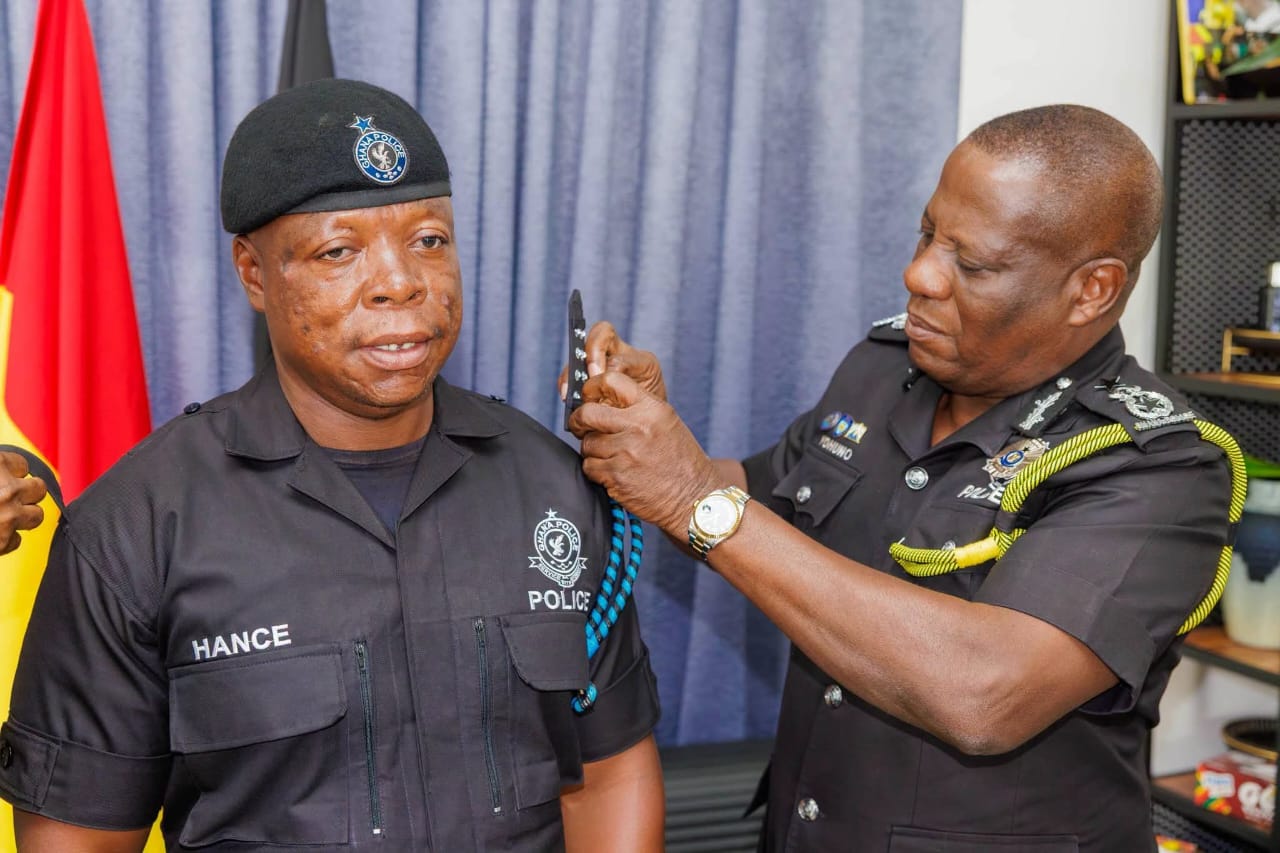
The Inspector-General of Police (IGP), Mr. Christian Tetteh Yohuno, on Monday’s, August 31, 2026, decorated Inspector Hance Atubra of the Tarkwa Divisional Headquarters with his new rank of Chief Inspector.
The decoration ceremony took place at the National Police Headquarters in Accra.
Chief Inspector Atubra was promoted in recognition of his bravery and exceptional efforts in saving lives and protecting property during a fire outbreak at Aboso in the Western Region on August 26, 2026.
The IGP commended him for his courage, quick response and dedication to duty, noting that his actions exemplify the professionalism and service expected of police officers.
By Edem Mensah-Tsotorme