News
Maiden ‘Open D.O.O.R. Dialogues’ discusses arrangement to support diasporans

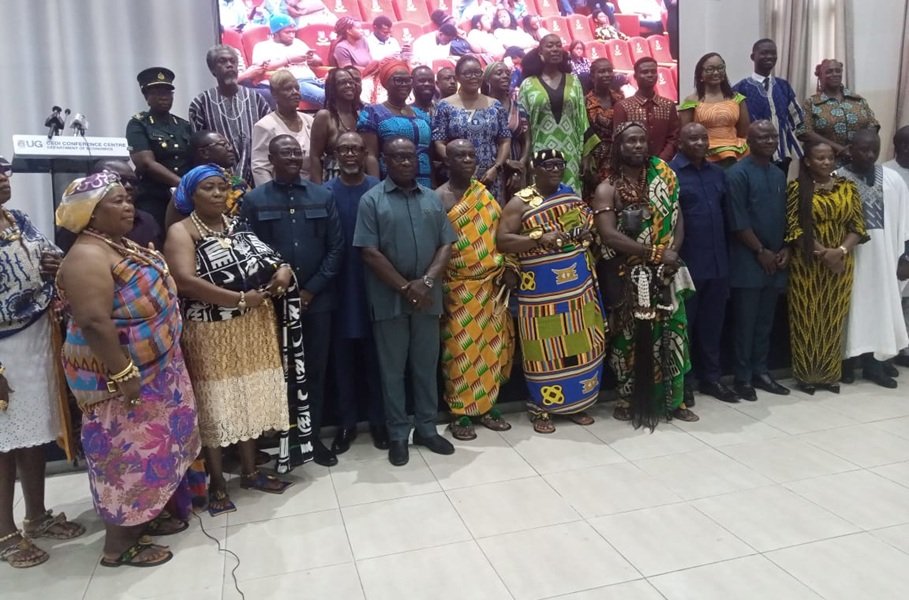
The need for Ghana to strengthen its engagement with Africans in the diaspora and create practical arrangements to support their return and settlement has been emphasised at a dialogue in Accra.
The dialogue brought together government representatives, traditional authorities, academics and members of the African diaspora to explore practical ways of strengthening the relationship between Ghana and its global diaspora.
The Deputy Minister of Foreign Affairs, Mr James Gyakye Quayson, said the diaspora remained an important partner in national development through investment, innovation, skills transfer, philanthropy and international advocacy.
He reaffirmed the government’s commitment to strengthening diaspora engagement and creating practical pathways for return, reintegration, citizenship and economic participation.
Mr Quayson was speaking at the inaugural Open D.O.O.R. Dialogues held at the Cedi Conference Centre of the University of Ghana, Legon, on Friday, October 30, 2026.
The dialogue was held on the theme: ‘Come Home. Stay Home. Build Home.’
The Acting Executive Director of the Kwame Nkrumah Memorial Park, Dr Collins Rawlings Nyunyonyame, who represented the Minister of Tourism, Culture and Creative Arts, Ms Abla Dzifa Gomashie, said Ghana’s invitation to Africans abroad to return home must be supported with accessible information, effective institutions and opportunities for long-term settlement.
He emphasised that efforts to direct the individual to the appropriate government institutions proved unsuccessful, with the prospective returnee later reporting that he had been unable to obtain the necessary information.
According to him, the experience highlighted the difficulties confronting people seeking to establish permanent roots in Ghana.
He called for stronger coordination among the Office of Diaspora Affairs, Ghana Immigration Service, Ministry of Foreign Affairs and other relevant institutions to provide clear information on citizenship, residency, business establishment and settlement procedures.
Dr Nyunyonyame also proposed the establishment of a structured diaspora opportunity platform to connect prospective returnees to credible investment opportunities, housing information, business registration, professional partnerships and skills-transfer programmes.
For his part, the Chairman of the Open D.O.O.R. Dialogues Committee, Ɔbenfo Ọbádélé Bakari Kambon, mentioned that the initiative represented a shift from the tourism-focused Year of Return to the Decade of Our Repatriation, covering 2026 to 2036.
He said tourism was only the first step towards permanent settlement, adding that Ghana needed practical arrangements to address citizenship, land, housing, employment and community integration.
By Eugene Ampiaw
SKIP THE QUEUE, TAP THE NEWS
You can now read the Ghanaian Times and The Spectator newspapers from the comfort of your device via TimesNewsPlus.
Join our WhatsApp Channel: https://whatsapp.com/channel/0029VbBElzjInlqHhl1aTU27

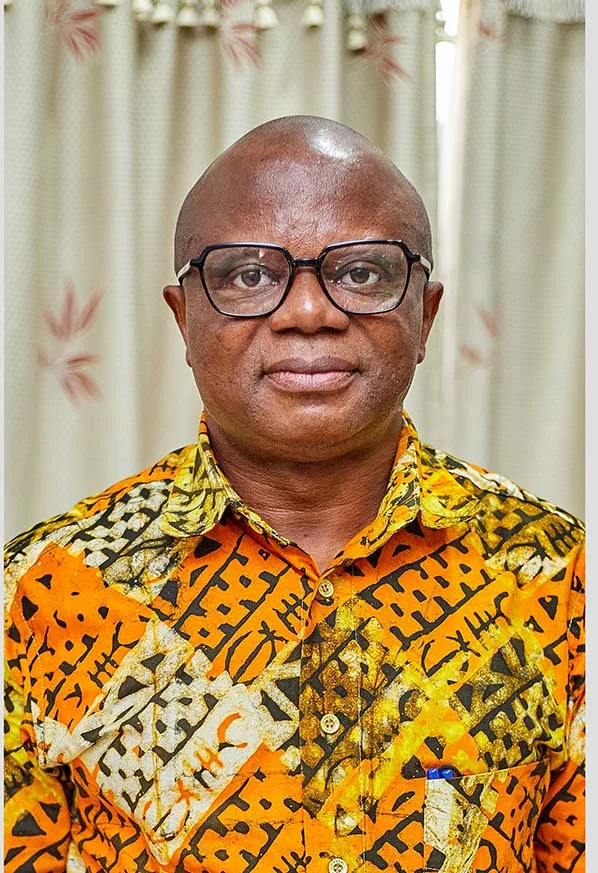
For many Ghanaians, including market women, farmers, and construction workers, spending hours under the scorching sun is a normal part of making a living.
However, recent rising temperatures across the country has the tendency to turn the daily discomfort into a severe health crisis.
This is the exact situation the Ghana Meteorological Agency (GMet), is anticipating as a developing El Niño is projected to impact Ghana’s weather from November 2026 through April 2027, extending into the first half of the year.
Already, Ghanaians are beginning to feel the heat at the initial stage of the spectacle.
When The Spectator visited a few markets in Accra including the Lapaz market, Odawna market and the Accra Central area, many of the traders have resorted to the use of umbrellas to prevent the direct rays of the sun.
But according to an Environmental Health Expert, Professor Mawuli Dzodzomenyo, this is the harsh weather condition Ghanaians would endure for the period and has since urged the government to roll out early warning systems to safeguard communities.
What is El Niño?
El Niño is a natural climate pattern characterised by the warming of ocean surface temperatures in the central and eastern tropical Pacific Ocean and can disrupt weather patterns worldwide.
According to Meteorologists, it happens when trade winds that blow west along the equator and push warm water toward Asia becomes weak or reverse direction, and allow warm water to shift back eastward toward the Americas.
This stops or slows down the normal upwelling of cold, nutrient-rich deep water off the coast of South America, which harms local fish and marine life.
This occurs irregularly in every 2 to 7 years cycle and typically last from nine to 12 months.
Heat surveillance concern
GMet says the event could bring hotter, drier conditions, prolonged dry spells and possible sudden heavy rainfall. These changes could affect farming, water supplies, power generation and public health.
Although Ghana has made progress on climate-related health threats, its heat monitoring and response systems remain inadequate, says Professor Dzodzomenyo of the University of Ghana’s School of Public Health.
He says weak surveillance and limited protocols leave uncertainty about when authorities should intervene.
He urged the Ministry of Health and other stakeholders to monitor temperatures, set action thresholds and issue timely alerts so that communities and health facilities can prepare, adding that authorities need local temperature information and clear steps to enable them respond appropriately when thresholds are crossed.
Health threat
According to Prof Dzodzomenyo, excessive heat can overwhelm the body’s temperature regulation and cause serious illness.
Some of the health conditions that can be associated with it include heatstroke, heat exhaustion, severe dehydration and kidney-related conditions among the possible consequences. High temperatures may also worsen cardiovascular and respiratory problems.
Heat exhaustion can also cause sweating, weakness, dizziness and headaches. Heatstroke is a medical emergency and dehydration is a concern for outdoor workers who lose fluids through sweating.
He said recognising symptoms early and seeking medical help can reduce complications.
“People should watch for tiredness, dizziness, headaches and excessive sweating. Anyone feeling unwell should move somewhere cool, rest and drink water; severe symptoms require urgent medical care,” he cautioned.
Risks
Prof Dzodzomenyo identifies children, pregnant women and older people as especially vulnerable to heat, therefore facing greater risk.
“Children face exposure during outdoor play; older people may struggle to cope with high temperatures. Heat and dehydration can create additional concerns during pregnancy while people with heart or respiratory conditions may also experience worsening symptoms.”
He stated that water, shade, ventilation and rest can reduce exposure and advised that public health messages must reach vulnerable people and caregivers on time.
Protection
Farmers, construction workers and market traders often cannot avoid spending hours outdoors.
Professor Dzodzomenyo advises shifting work to cooler hours, taking regular breaks, drinking water and seeking shade.
For employers, he called for the introduction of rest cycles and adjust schedules during extreme heat because worker protection was a shared responsibility.
Protection for school children
According to the Environmental Expert, poorly ventilated classrooms and strenuous outdoor activities in intense sunlight can put pupils at risk.
Professor Dzodzomenyo called for regular breaks and outdoor activities during cooler hours and also urged schools to provide water, ventilation and shaded areas.
For teachers, “they must recognise heat-related illness and respond promptly. Schools may also need to adjust sports during particularly hot periods.”
Weather forecasts/public health alerts
In his view, people would need to be advised as well as get daily forecasts. Professor Dzodzomenyo wants weather information linked to public health alerts through the media.
“Through the medium of radio, television, newspapers and digital platforms, the risks associated with El Nino could be explained to all. Frontline personnel also need training to recognise heat-related illness.”
“Warnings must reach vulnerable communities in time and be practical, giving workers opportunities to rest, drink water and find shade. Community leaders, employers and health workers can ensure advice reaches people who may not receive alerts. Informal workers may have little control over their hours,” he said.
Past El Niño episodes
He said Ghana has experienced strong El Niño events in 1982/83, 1997/98 and 2015/16, and a moderate event in 2023/24. They underline its vulnerability to rainfall changes affecting agriculture, water, power generation and health.
The developing event is an opportunity to improve coordination among weather, health, agriculture and disaster management agencies.
Professor Dzodzomenyo says heat surveillance and protection for vulnerable groups must form part of Ghana’s climate response. Communities, workplaces, schools and health facilities must be ready to act.
By Esinam Jemima Kuatsinu
SKIP THE QUEUE, TAP THE NEWS
You can now read the Ghanaian Times and The Spectator newspapers from the comfort of your device via TimesNewsPlus.
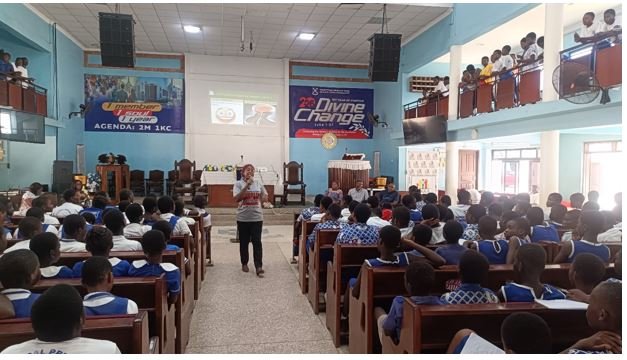
The Ashaiman Municipal Office of the National Commission for Civic Education (NCCE) has held a sensitisation programme on Drug Abuse and Cyber Crimes for over 600 pupils from three basic schools in Ashaiman.
It was organised in collaboration with the Narcotics Control Commission (NACOC) and Cyber Security Authority (CSA) and was held on the theme: ‘Securing Our Future: Say No to Drug Abuse and Cyber-crimes.’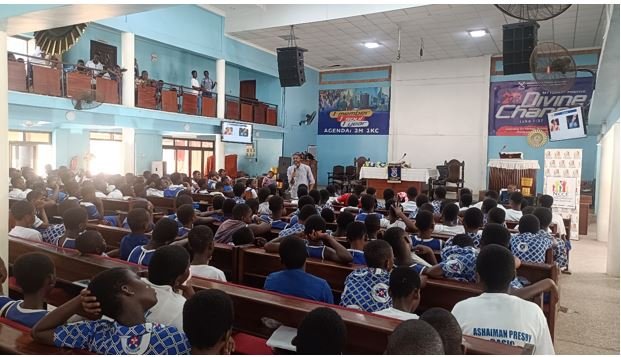
It was attended by pupils from Ashaiman Presby ’A’ Basic, Ashaiman Presby Basic ‘B’ and Central Presby & JHS.
The Municipal Director for NCCE, Ashaiman, Ms. Salvata Mawulom Koku said the event was to drum home the menace of drug abuse and the dangers of cyber-crimes.
She said the children are the future of every country and that, it was important to educate them so that they do not fall prey to these vices that will end up destroying their future.
She said that despite the fact that NCCE carries out education as its core mandate, there was the need to bring on board NACOC and CSA to share their expertise.
With pictorial slides, the pupils received a first-hand information on some of the things they have been told.
Madam Ayisha Ibrahim Tarl, Deputy Narcotic Control Officer from the Education & Preventive Department of NACOC, admonished the pupils not to consume substances that contain stimulants, depressant and hallucinogens in a bid to feel good and to help them to solve problems.
She enlightened the children about the offences and penalties of drug related crimes and also shared some travelling tips with the pupils.
She advised them not to fall victims of any drug trafficking scheme if they intend to use any entry and exit points of Ghana, urging them not to allow the love for money to push them into any drug related businesses.
Additionally, she stressed that before travelling, one should buy items they would like to travel with themselves. As well as pack their own luggage.
Furthermore, she travellers to keep their eyes on their luggage, keep it securely closed and never carry luggage, package or gift for anyone across a boarder or security check-points unless they are sure of its content.
The officer also revealed that drugs can be concealed in everyday items and so they should be guided.
Mr Martin Aboagye, an officer from the Child Protective Department of CSA, said in as much as the cyber space was useful and has come to stay, the same space has the potential of being harmful to children when not used properly.
He bemoaned the fact that the cyber space has become a place where people under the guise of business, friendship, acquaintance commit all manner of harm to unsuspecting victims especially children.
Mr Aboagye explained that some of the online risk children face as cyber-bullying, sexual extortion, stalking, cyber grooming and online violence, cautioning that, “since the internet does not forget, children should be careful the kind of digital footprint and reputation they leave on the internet, because it can haunt them in later years.”
He stated the pupils should be careful the kind of images they share and re-post especially with strangers and they should report misbehaviours online.
Madam Gloria Kwakuyi, Municipal Director of Education, Ashaiman called on the pupils to be of good behaviour and use the internet for the benefit it gives.
By Salvata Mawulom Koku
SKIP THE QUEUE, TAP THE NEWS
You can now read the Ghanaian Times and The Spectator newspapers from the comfort of your device via TimesNewsPlus.
Join our WhatsApp Channel: https://whatsapp.com/channel/0029VbBElzjInlqHhl1aTU27