News
Mahama swears In Justice Paul Baffoe-Bonnie as new Chief Justice


The President of the Republic of Ghana, John Dramani Mahama, has sworn in Justice Paul Baffoe-Bonnie as Ghana’s new Chief Justice.
The swearing-in ceremony was conducted under Article 144 of the Constitution of Ghana on November 7, 2025, at the Jubilee House.
Justice Baffoe-Bonnie succeeds former Chief Justice Gertrude Araba Esaaba Torkornoo, who was relieved of her duties by President Mahama before the latest appointment.
The new Chief Justice read three oaths — the Oath of Allegiance, the Judicial Oath and the Oath of Secrecy — before formally assuming office.
In his address, President John Dramani Mahama indicated that the appointment of Justice Baffoe-Bonnie marks a significant moment in Ghana’s democratic journey.
He explained that the office of Chief Justice is one of the most important positions under the Constitution, noting that the new head of the judiciary will serve as both a symbol and protector of justice for all citizens.
He stressed that an independent judiciary is essential to Ghana’s democracy and pledged his full commitment to safeguarding its autonomy.
He urged the new Chief Justice to uphold the highest standards of integrity, strengthen disciplinary mechanisms, modernise court processes and ensure that justice remains accessible, timely and fair.
The President encouraged collaboration with the Judicial Council, the Bar and other stakeholders to reduce delays, improve the use of technology in courts and protect the rights of vulnerable groups.
Justice Baffoe-Bonnie, in his remarks, expressed gratitude to the President, the Council of State, his mentors and his family.
He promised to uphold the Constitution, protect the independence of judges and promote reforms that will make the justice system more efficient and trustworthy.
He called for accountability within the judiciary and pledged to support improvements in legal education, training and court infrastructure.
He said the judiciary must be fair, independent and accessible to all citizens, adding that justice should not intimidate the public but must be easy to understand and approach.
He promised to discharge his duties with integrity and humility and urged Ghanaians to support efforts to strengthen the justice system.
Justice Baffoe-Bonnie takes office after serving in an acting capacity for seven months.
By: Jacob Aggrey








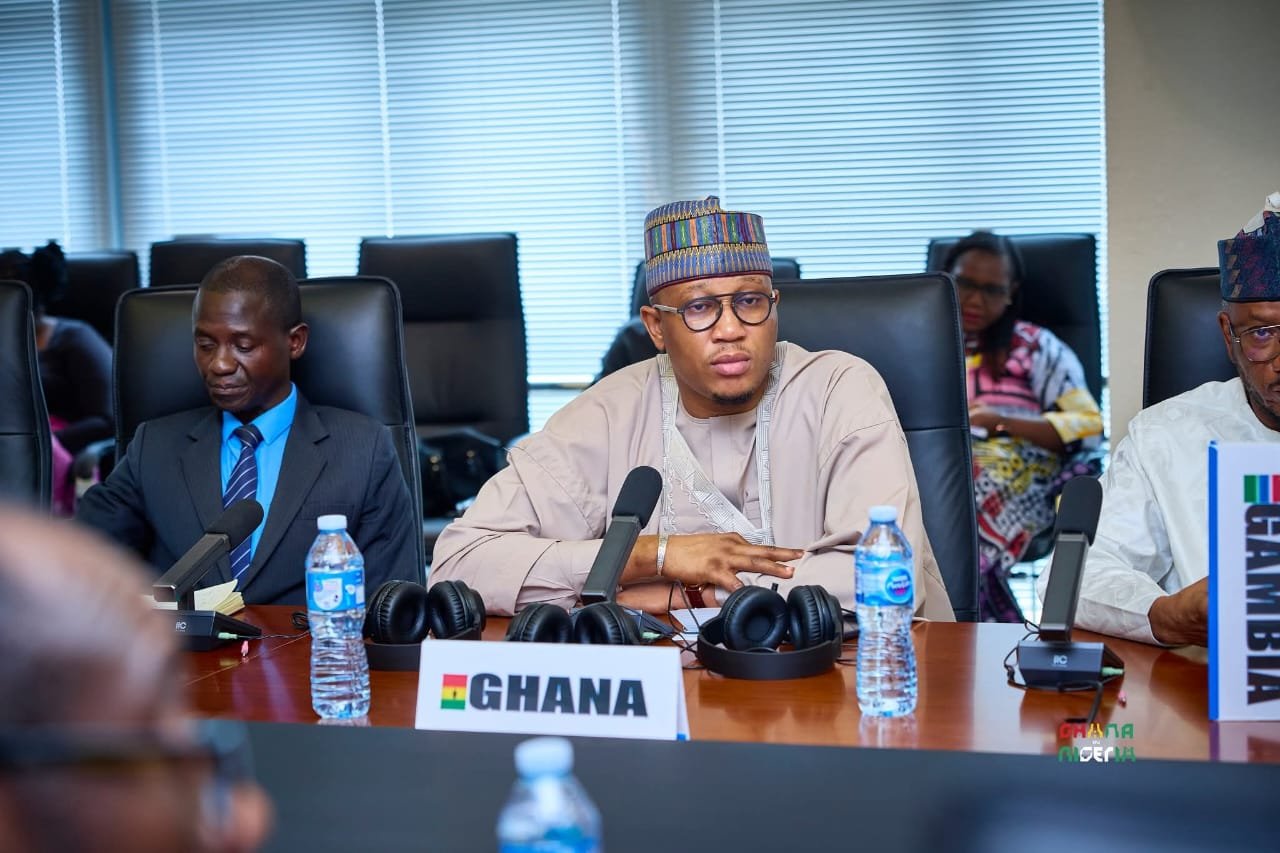
The Ghana High Commission in Abuja, Nigeria, is appealing to the public to help trace the relatives or next of kin of Apia Solomon, a Ghanaian national believed to be from Osu, Accra.
According to a public announcement by the High Commission, Mr. Solomon, born on March 6, 1960, in Accra, died on July 5, 2021, from cardiopulmonary failure.
He worked as a temporary civilian staff member at the National Defence College in Nigeria. His remains are currently being kept at the Nigerian Air Force Hospital morgue in Abuja, pending burial arrangements.
The High Commission says efforts to locate his relatives have so far been unsuccessful and is urging anyone with information about his family, friends or next of kin to come forward.
Anyone with relevant information is encouraged to contact the Ghana High Commission in Abuja.
By: Jacob Aggrey
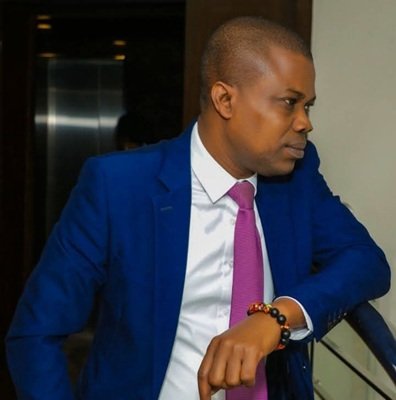
Security consultant Richard Kumadoe has blamed what he describes as flawed recruitment and incomplete background checks for some of the problems facing the Bureau of National Intelligence (BNI).
He has called on the leadership of the BNI to review the backgrounds of officers recruited during specific periods, particularly those who entered the agency under recent recruitment processes.
Speaking on the issue on TV3 yesterday, Mr Kumadoe alleged that some individuals were recruited into the intelligence agency without proper background checks and completed vetting.
“Certain categories of persons were dumped into the BNI, whose backgrounds were not checked, and whose vettings were not completed,” he stated.
He said some of the officers linked to the concerns appeared to have been recruited within the same period, making it necessary for the agency to examine the recruitment records and backgrounds of those who joined during that time.
Mr Kumadoe argued that the problems could be addressed by ensuring that recruitment procedures were properly followed and that all applicants underwent the required checks before being employed.
According to him, when the selection process is flawed, it can lead to problems within the institution.
He blamed the politicisation of security institutions, arguing that appointing people without the necessary intelligence experience and allowing political interests to influence recruitment could undermine their operations.
“When you have a selection procedure that was flawed because you politicised the place, brought in people to come and head the place when they have no business being there, they don’t know anything about being a BNI officer, they are not intelligence officers, and you flood the place with politicians and political artists, then you circumvent the standard procedure and you are going to have some of these problems,” he said.
Mr Kumadoe, however, defended the current leadership of the BNI, arguing that efforts to address longstanding problems within security institutions could bring such issues to light.
He said the leadership should be assessed in the context of the steps it is taking to improve the agency’s operations and uphold professional standards.
Drawing on his own experience in the intelligence field, he said the opportunity to serve under experienced officers had helped him develop the skills and integrity needed to contribute to national security.
By: Jacob Aggrey