News
Mahama slams selective morality on global conflicts, demands justice for Gaza, Sudan, Cuba


President John Dramani Mahama has warned of a dangerous drift toward unilateralism and lawlessness in global affairs, saying the UN Charter must reign supreme over the doctrine that “might makes right.”
Addressing the 81st UN General Assembly in New York, President Mahama said the veto power must never serve as a license for impunity.
“Sovereign equality cannot be a privilege reserved only for nations aligned with global superpowers,” he stated.
He said the African Continental Free Trade Area (AfCFTA), whose Secretariat Ghana hosts in Accra, is Africa’s engine for intra-African trade, structural transformation and industrial growth.
On Gaza, President Mahama condemned what he described as the persecution of the Palestinian people.
“We must stop using diplomatic euphemisms to veil the human carnage taking place in Gaza. How many more innocent lives must be lost before the world acts with decisive moral authority? The blood of five-year-old Hind Rajab, and the more than 20,000 children killed in this brutal conflict, cries out to the conscience of the world,” he said.
“Collective punishment, enforced starvation, and mass displacement are flagrant violations of international law. Ghana remains unwavering in its recognition of the sovereign State of Palestine and its steadfast support for a viable Two-State solution, where Israel and Palestine live side-by-side in peace, security, and guaranteed borders.”
He added: “At the same time, we condemn all acts of terrorism by Hamas that triggered this conflict. We insist that all parties unconditionally respect international humanitarian law. Our moral standards cannot be selective.”
President Mahama reiterated Ghana’s call for the immediate lifting of the decades-long economic, commercial and financial embargo imposed on Cuba, saying the world must support Cuba’s new Economic and Social Programme.
“Measures that inflict collective economic hardship on ordinary citizens run counter to our shared commitment to human dignity and international law,” he noted.
He also called for elevated global response to Sudan, described as the world’s worst humanitarian crisis, and for solidarity with nations facing terrorism, especially the Alliance of Sahel States.
“The current Middle East crisis is having a deleterious effect on the world economy. We call for a return to the negotiating table. And let me add that no human civilisation deserves to be annihilated, certainly not a member state of the United Nations. I believe that dialogue can resolve even the most intractable of problems,” he said.
“Across every conflict, whether in Europe, the Middle East, or Africa, the standard must remain uniform: respect sovereign integrity, protect civilians, ensure unhindered humanitarian access, and hold perpetrators of war crimes accountable.”
On climate change, President Mahama said melting glaciers, flash flooding, droughts, heatwaves, brush fires and hurricanes are unmistakable signals of an overburdened planet.
“Climate change is the ultimate test of global equity. Africa contributes less than 4 per cent of global greenhouse gas emissions, yet bears some of the heaviest burden of climate devastation,” he said.
He cited the 29 June deluge in Ghana and coastal West Africa, where torrential rain exceeding 160 millimetres was dumped on seven coastal regions within 24 hours, resulting in 39 deaths and one still missing.
“Climate justice demands that developed nations fulfil their long-overdue financial commitments. Mitigation support must be operationalised with predictable, non-debt-creating grants, not loans that further indebt fragile economies,” he stated.
On health security, he called for an equitable global health architecture that guarantees regional manufacturing of vaccines and therapeutics and funds resilient public health infrastructure across the Global South in accordance with the Accra Reset.
President Mahama said African leaders must also put their houses in order.
“As the legal maxim goes: ‘Whoever comes into equity must come with clean hands.’ African leadership must be transparent and accountable. We must fight corruption and ensure that every dollar of our people’s money counts and is used efficiently in their interest,” he said.
Outlining Ghana’s Resetting Agenda, he said in less than two years, disciplined governance, fiscal prudence and an uncompromising fight against corruption had delivered what some describe as the “Ghanaian miracle,” restoring growth, reducing inflation, stabilising the cedi and lowering public debt.
He cited the Big Push Programme for infrastructure, the 24-Hour Economy and Accelerated Export Development Programme, and the soon-to-be-launched ‘New Ghana, New Economy’ policy to transform Ghana into an industrial hub.
“Central to our national reset is a revolutionary expansion of social protection and universal healthcare,” he said, referencing the Free Primary Health Care Programme hailed by WHO and UN as a benchmark paradigm shift, and the Ghana Medical Trust Fund, popularly known as MahamaCare, for Non-Communicable Diseases.
“I have always believed that democracy must deliver tangible social benefits. Citizens must experience democracy not only through the ballot box every four years, but through improved access to food, quality education, decent housing, accessible healthcare, and economic opportunity,” he said.
He said Ghana remains a beacon of constitutional democracy, media freedom, rule of law and peaceful transitions, as it prepares to celebrate its 70th Anniversary of Independence in March 2027 and assume Chairmanship of the African Union in January 2027.


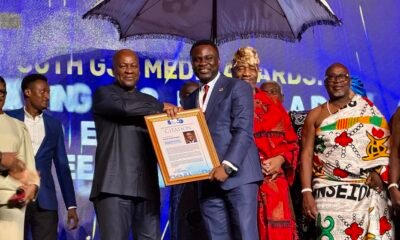



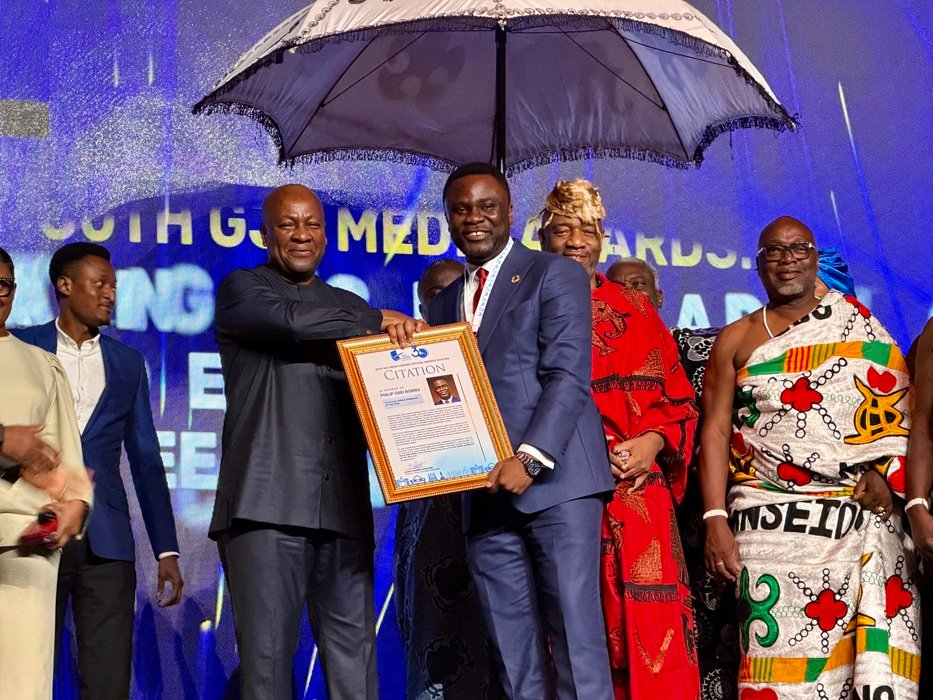
The 30th Ghana Journalists Association (GJA) Media Awards has celebrated three decades of recognising excellence and contributions to journalism and national development, while highlighting the media’s role in Ghana’s democracy.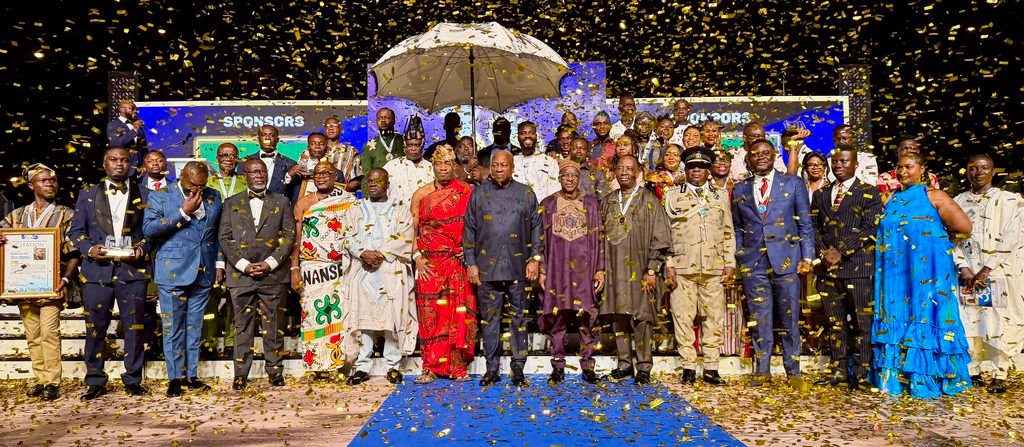
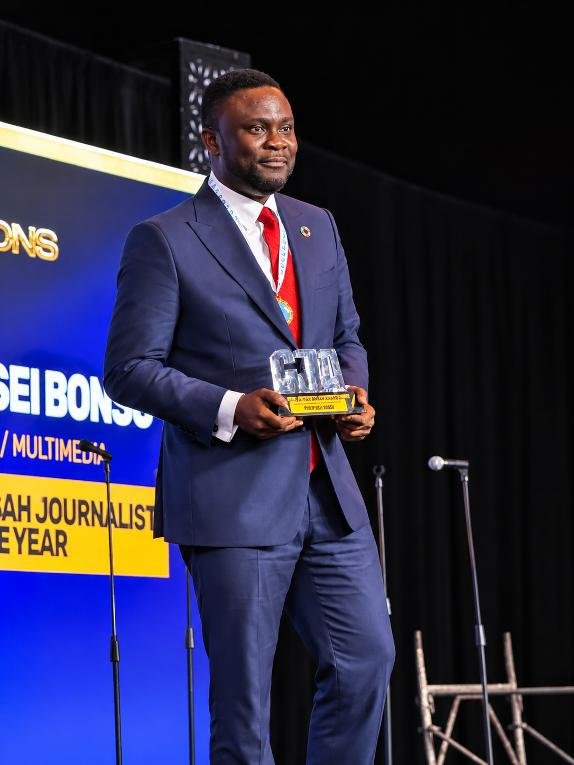
Marking the milestone, Philip Osei Bonsu of the Multimedia Group emerged as the GJA/P.A.V. Ansah Journalist of the Year.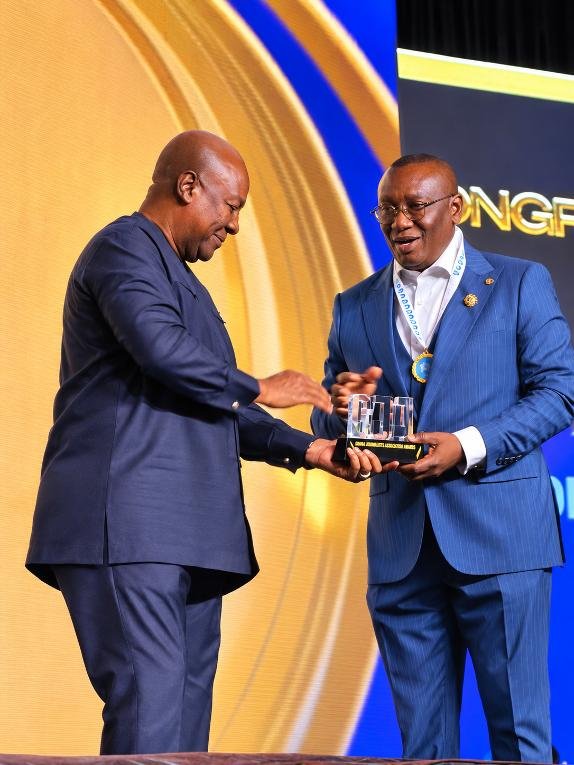
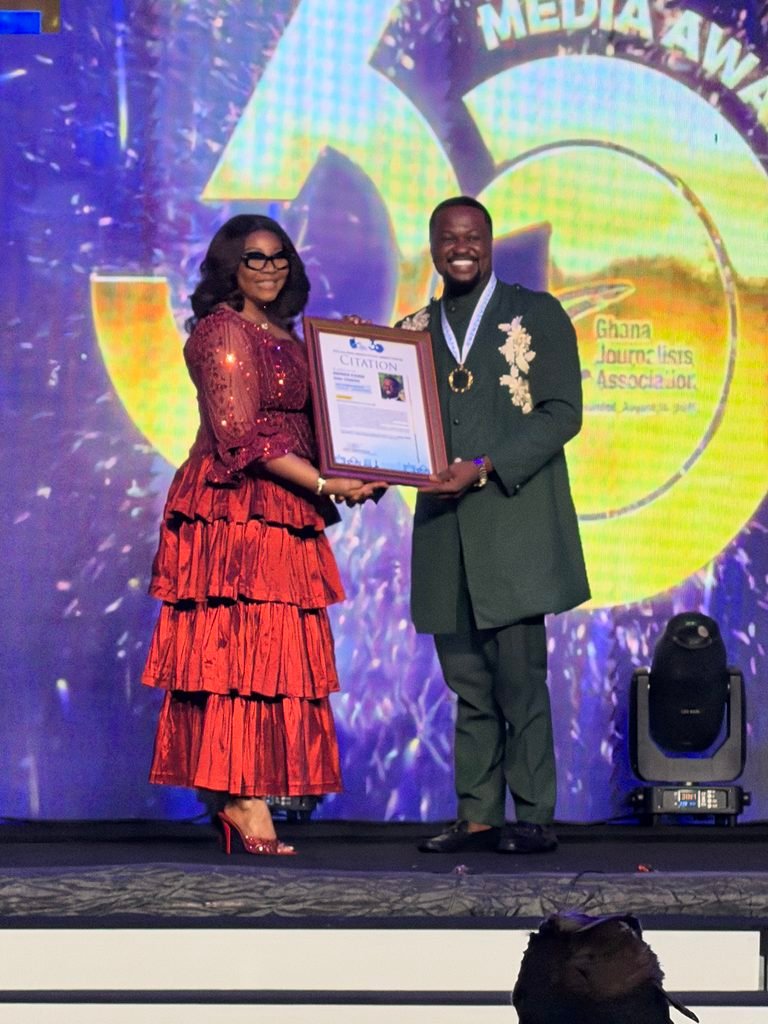
The Ghanaian Times’ Benedicta Gyimah Foley won the Best Feature Reporting, Print category, alongside other journalists recognised across various media platforms.
Other winners included Nathaniel Attoh, Best in Sports Reporting; and Godwin Asediba of Media General, Best in TV Documentary; Doreen Ampofo of GBC, Best in Radio Documentary; and freelance journalist Nii Adjei Mensahfio, Best in Online Documentary.
Daniel Kwabena Mantey was adjudged Best in TV Feature, while Clinton Yeboah of Luv FM won Best in Radio Feature, with Gilbert Azeem Tiroog of GNA taking Best in Online Features.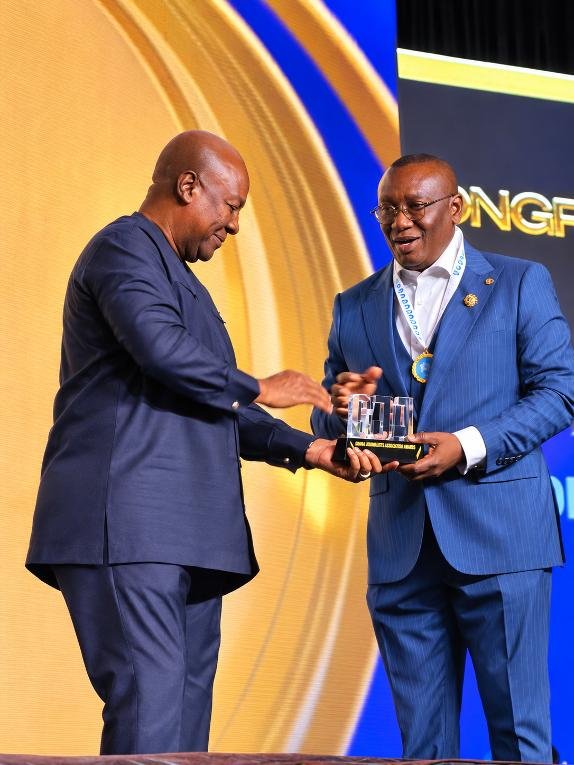
For news reporting, Mohammed Fugu of the Daily Graphic won Best in Print News Reporting, Nabil Ahmed Rufai, a freelance journalist, Best in TV News Reporting; Ridwan Karim Dini-Osman of EIB Network, Best in Radio News Reporting; and Timothy Ngnenbe of the Daily Graphic, Best in Online News.
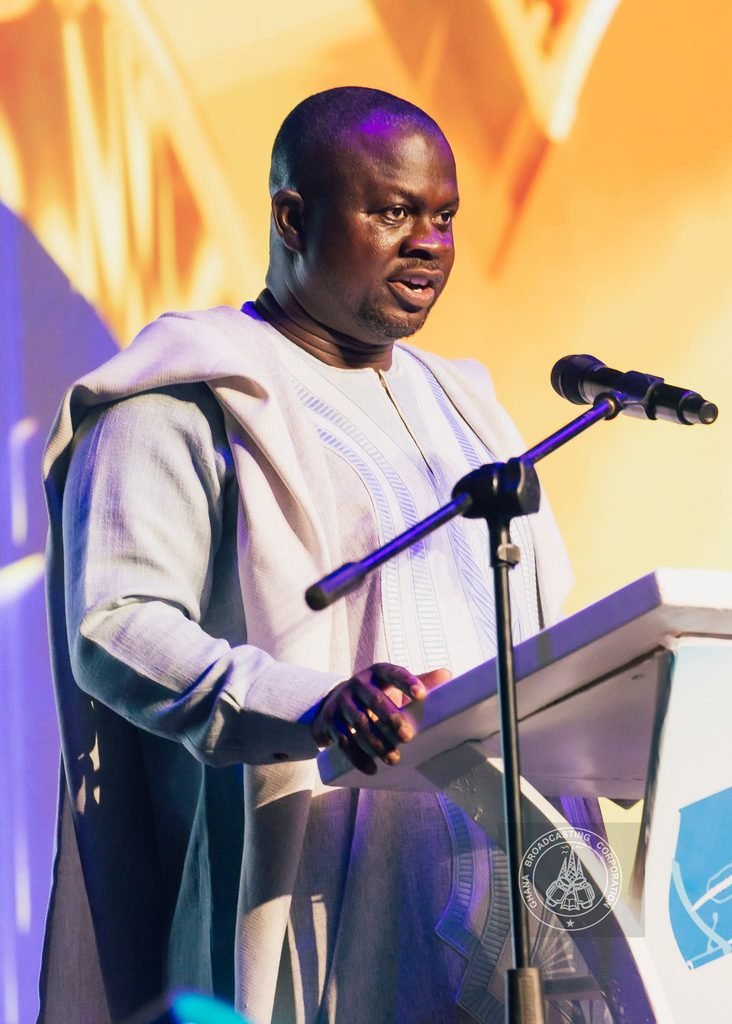
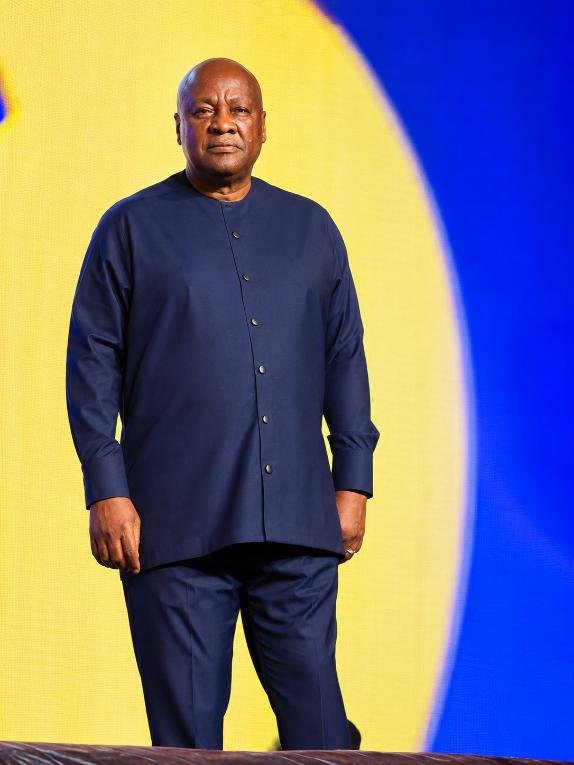
The ceremony, held in Accra last Saturday on the theme, “Celebrating Excellence, Advancing Media Freedom and Combating Hate Speech in the Digital Age”, was attended by President John Dramani Mahama as the special guest of honour.
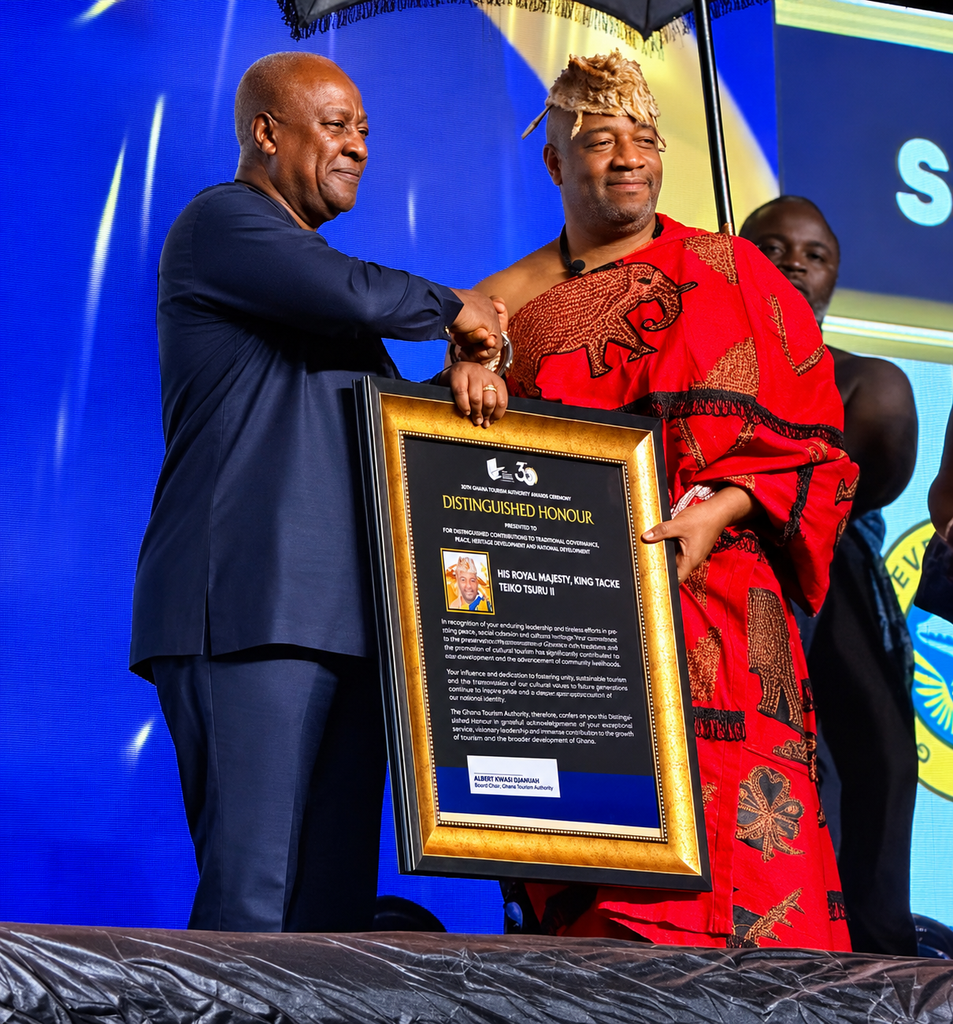
Also in attendance were the Ga Mantse, King Tackie Teiko Tsuru II, and the Inspector-General of Police, Mr Christian Tetteh Yohuno, among others.
In his address, President Mahama announced a GH₵10 million allocation in the 2027 national budget as seed capital for the reactivated Media Development Fund to support journalists’ welfare, professional development, investigative reporting and safety training, with additional corporate contributions expected.
Mr Mahama, also urged media practitioners to uphold professionalism and accuracy by avoiding sensationalism, unsubstantiated allegations and the deliberate pursuit of scandals, while promptly correcting inaccurate reports and apologising when necessary to maintain public trust and professional standards.
On journalists’ safety, he assured that the government would continue to act against attacks on them.
By Stephanie Birikorang
SKIP THE QUEUE, TAP THE NEWS
You can now read the Ghanaian Times and The Spectator newspapers from the comfort of your device via TimesNewsPlus.
Join our WhatsApp Channel: https://whatsapp.com/channel/0029VbBElzjInlqHhl1aTU27
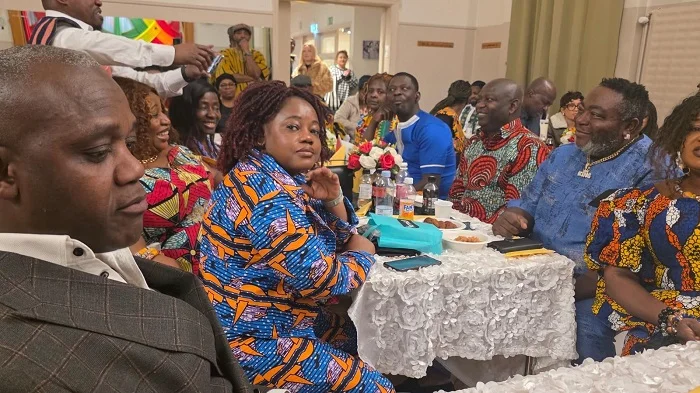
Today, I focus on the theme of Ghanaian/African migrants in Finland and economic empowerment, a move away from the topic of personalities or groups and their accomplishments within the Ghanaian community in Finland that I have been writing on.
In recent times, African migrant associations and Finnish institutions are organising meetings or forums and help people seeking employment to meet employers or build professional networks to achieve economic empowerment.
Such forums are usually open to their members and anyone of African descent.to get into the Finnish job market.
Competences
Researchers and experts say entrepreneurship or self-employment has great potential to offer a route for migrants, including highly-educated ones, to participate in and contribute to the local economy.
Competences, including knowledge and knowhow, opportunities, and social capital such as family support, language, etc., are necessary to boost the entrepreneurship endeavour.
Competence in the official Finnish or Swedish languages is undoubtedly a key quality to improve employment prospects, especially for migrants since the overall unemployment among migrants could be higher than in the mainstream Finnish population.
There could also be particular privileges which may be the provision of the right information for potential entrepreneurs or job seekers.
Barriers and stress factors
Although language has a huge potential to contribute positively to entrepreneurship possibilities, studies have shown that some of the major stress factors are language problems, finances or economic capital among African migrants.
Other barriers or challenges may be how to grow the business venture or its sustainability.
Thus, migrant communities can generally be highly vulnerable to language barrier, lack of information, the nature of the work of migrants in professions where working from home is not possible.
Migrant associations, social networks, and information
By their activities, migrant associations are doing much to educate and create awareness as well as enhance economic empowerment through migrants’ entrepreneurship or self-employment and enhance opportunities.
Such associations and institutions become networks that create an important social capital as well as outlets for sharing and gaining information or knowledge. Also, it will all be for societal good if such activities are able to help reduce stress and anxiety in the migrants’ entrepreneurship endeavours.
As I keep pointing out, Finland is committed to the integration of migrants into the Finnish society. A number of research studies from surveys and other in-depth enquiries have shown a trend of increasing efforts to integrate African and other migrants into the Finnish society.
Public agencies, migrant associations and other non-governmental organisations (NGOs) in Finland have been publishing information to help educate people, which is also good for their wellbeing.
Generally, migrant associations formally create awareness among their members and other migrants usually in collaboration with some Finnish institutions, and are thus an important tool for several migrants to be positively active and to get their interests and claims heard.
As I wrote previously, the role of migrant associations acting as bridge-builders for the integration and inclusion of migrants through participation in the decision making process and by acting as a representative voice is highly appreciated in Finland. Thank you!
SKIP THE QUEUE, TAP THE NEWS
You can now read the Ghanaian Times and The Spectator newspapers from the comfort of your device via TimesNewsPlus.
Join our WhatsApp Channel: https://whatsapp.com/channel/0029VbBElzjInlqHhl1aTU27