Hot!
Liztino Centre …Safe haven for autistic children


●Mrs Angel Bertino
The Liztino Centre for Children with Special Needs has over the past decade become a safe haven for children born with autism disorder spectrum.
The centre, a parent’s quest to support an autistic child to live a normal life, had since been providing comfort and hope to families that have children with special needs.
Mrs Elizabeth Angel Acquah Bertino founded the centre in 2016, few years after his child, Phil Bertino was diagnosed of autistic disorder.
Autism Spectrum Disorder (ASD) is a development disability caused by differences in the brain. People with the disorder often have problems with social communication and interaction and restricted or repetitive behaviours or interests.
People with the disorder may also have different ways of learning, moving or paying attention. It is important to note that some people without the disorder might also have some of these symptoms but for people with the disorder, these characteristics could make life very challenging.
Some of the characteristics include, delayed language skills, delayed movement skills, delayed cognitive or learning skills, hyperactive, impulsive and/or inattentive behaviour.
Epilepsy or seizure disorder, unusual eating and sleeping habits, gastrointestinal issues (for example constipation), unusual mood or emotional reactions, anxiety, stress or excessive worry as well as lack of fear or more fear than usual are also some of the signs associated with it.
Following the success of the centre in transforming her now 16-year-old ward to live a normal life and gradually on his way to full recovery, Mrs Bertino decided to stretch her hands to other children through several awareness campaigns and services at her centre.
The campaigns engaged students, homes, companies and people on the streets as part of efforts to demystify the myths surrounding children with autism.
Some of the myths include autism is caused by vaccines, autism is a spiritual problem and people with the condition do not deserve to live (especially in Africa), autism is a childhood condition, autistic people have learning difficulties and autism is caused by bad parenting.
Her approach to dealing with the condition is basically accessing a child’s current situation, engage in therapy and most importantly dieting which could provide a great deal of transformation to the child.
For Mrs Bertino, the most important part of the healing process was dieting as it reduces the hyperactive behaviour and positions the person in a condition that could lead to other therapies required to manage the condition.
Mrs Bertino insists on early recognition as well as behavioural, educational and family therapies that had over the years helped in reducing the symptoms and support development and learning.
Essentially, her therapies that have been used at the facility following research and education ranges from anger management, family therapy, applied behaviour analysis, behavioural therapy, sensory processing and exercising.
For anger management, she practices mindfulness, coping mechanisms and trigger avoidance to minimise destructive emotional outbursts and with family therapy, psychological counselling that helps families resolve conflicts, feel better about the situation and communicate more effectively.
Applied behaviour analysis is also used as a teaching method that helps autistic children learn socially relevant skills by encouraging positive behaviour while behavioural therapy focuses on modifying harmful characters associated with psychological distress.
She also emphasises on sensory processing which deals with the way the nervous system receives messages from the senses and turns them into appropriate motor and behavioural responses.
She also turned one of her hobbies-cooking, into providing adequate diets for patients under her care. For example, she bakes sugar-free bread which has essential ingredients including honey since sugar might trigger hyperactive behaviours.
She also loves to read which helped with engaging in research online to improve upon her works while exercising is her personal attribute which also translate into therapy for her patients.
She currently has over 20 children under her care at her facility which she operates at her residence in Adenta.
Mrs Bertino also loves to spend time with his family of five (a supportive husband, a precious son and two lovely daughters).
Mrs Bertino is a preacher of love and is of the view that love was the greatest gift humans can give to one another – an approach she uses in dealing with the patients that throng her facility on daily basis.
While engaging in her awareness creation and providing care for children with autism at her facility, she calls for support from the government and corporate entities to provide better conditions for people with autism disorder.
She essentially called on teachers and caregivers to treat people with autism with love and care as that would help them integrate into society and become better.
In a way to give back to society, aside the annual awareness creation campaigns which is usually used to donate items to the needy in society, she also holds regular ‘Liztino Special Tutorials’ to teach people about autism in areas of understanding the disorder, early detection, some treatment and special diet.
“Together we can provide the support, love, care and attention to people with autism and make the world a better place for all as disability is never an inability because there is something good in every child,” she said.
By Michael D. Abayateye


The professor who spends his days exploring the intricacies of African languages found himself at the centre of a different kind of lesson on Friday, October 2, 2026. 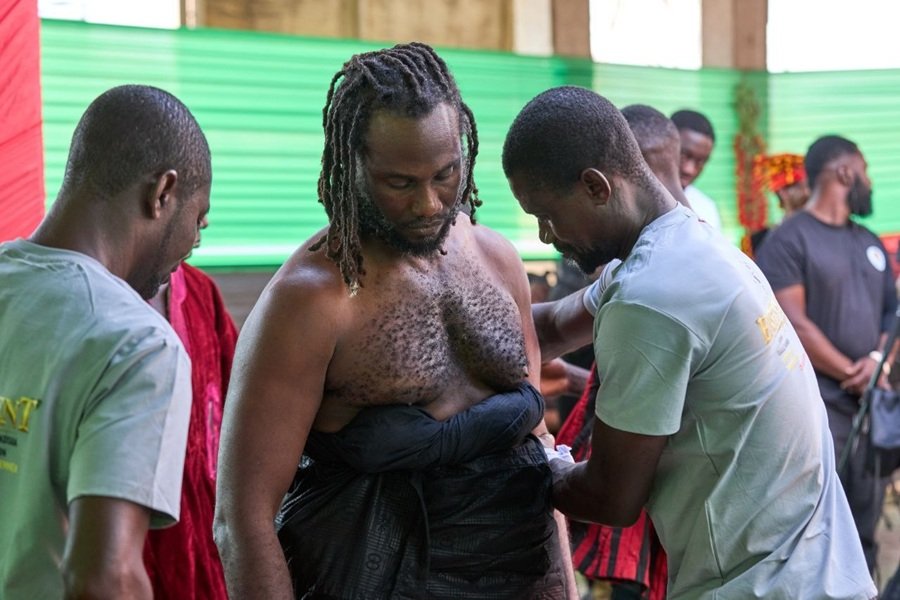
This time, there were no lecture notes, academic arguments or university classrooms. Instead, there was the weight of tradition, the rhythm of a community celebration and the solemnity of an oath at a royal palace.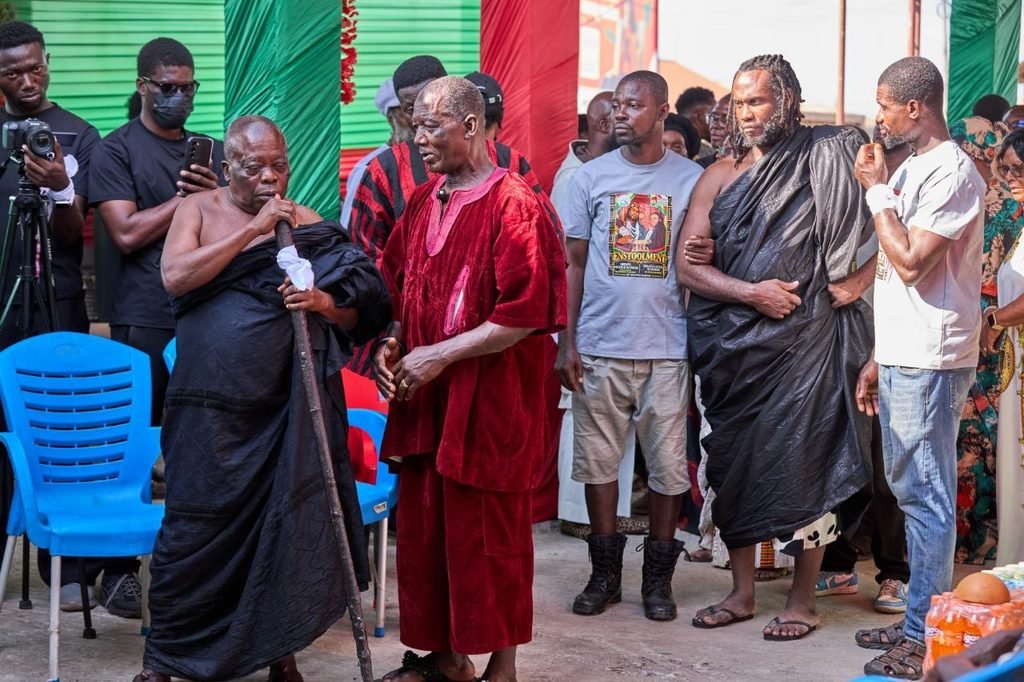
Professor Ọbádélé Kambon, a full Professor of African Linguistics at the University of Ghana, was enstooled as Apagyahene and Sunsum Ɔsahene of Akuapem Mampong in the Eastern Region in a ceremony that brought academia and traditional authority together.
For the professor, the occasion was more than a new title. It was a moment that connected his academic interests in African languages and indigenous knowledge with the living traditions of an Akan community.
The day’s events unfolded through a series of customary observances. Kambon was first taken to the compounds of the Ɔkyeamehene and Gyasehene, where the preparations for his installation continued.
Then came the application of hyire, the white kaolin powder associated with traditional rites.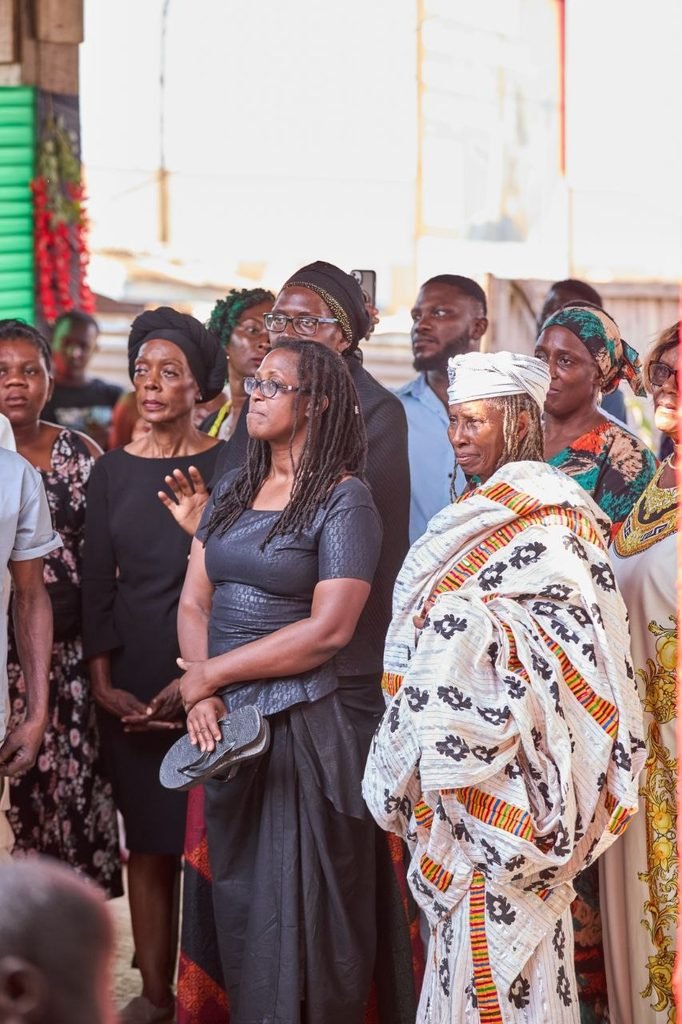
With the customary proceedings underway, the new chief was lifted onto the shoulders of celebrants and carried along the main thoroughfare of Akuapem Mampong.
The procession transformed the streets into a public stage for a ceremony rooted in the community’s traditional institutions.
There was something striking about the image, a university professor, accustomed to the measured language of academic discourse, being carried through the town in a display of traditional recognition.
Yet the celebration was not complete with the procession.
A ram was sacrificed at the Mamponghene’s compound before Kambon was taken to the palace, to swear the oath associated with his new offices.

The ceremony brought him formally into his roles as Apagyahene and Sunsum Ɔsahene.
Beyond the colourful proceedings, the titles themselves carry layers of historical meaning.
Kambon in his research explores the historical connections between Apagya and Akan political and military organisation.
Accounts cited in his work linked Apagya to an asafo, or military company, while historical writing traces an Apagya stool in Asante to the reign of Opoku Ware I in the eighteenth century.
These historical associations offer a glimpse into the institutions that have shaped Akan society over generations, although they do not automatically define the precise responsibilities of the office in Akuapem Mampong.
Kambon’s own professional life reflects a similar interest in preserving and examining African knowledge.
His work encompasses Akan language structure, naming practices across the Black world, proverbs and indigenous intellectual traditions.
Through Abibitumi, the platform he founded, he also promotes language learning, scholarship and cultural engagement.
But tradition was only one part of the story that day.
When the formal ceremony gave way to a reception, the occasion expanded into a celebration of three milestones: Kambon’s enstoolment, his promotion to full professor and his daughter Ama’s admission to the University of Ghana.
The gathering therefore carried a personal significance that went beyond the honours bestowed on one man. 
It celebrated professional advancement, the continuation of family aspirations and a connection to cultural heritage.
For a father, seeing a daughter gain admission to the same university where he holds a distinguished academic position offered another reason to celebrate.
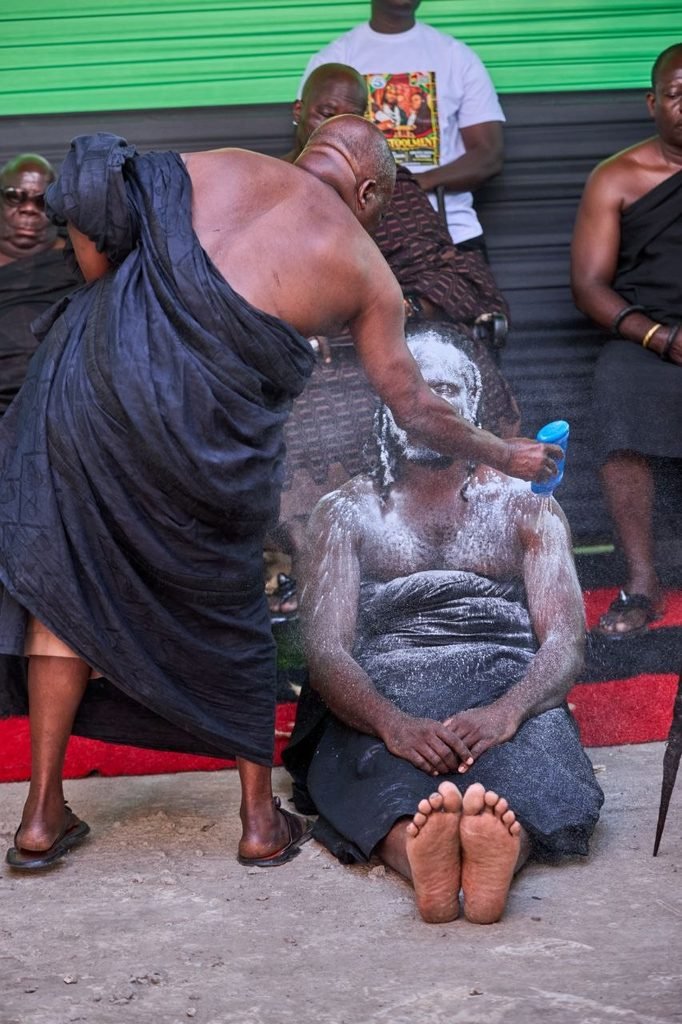
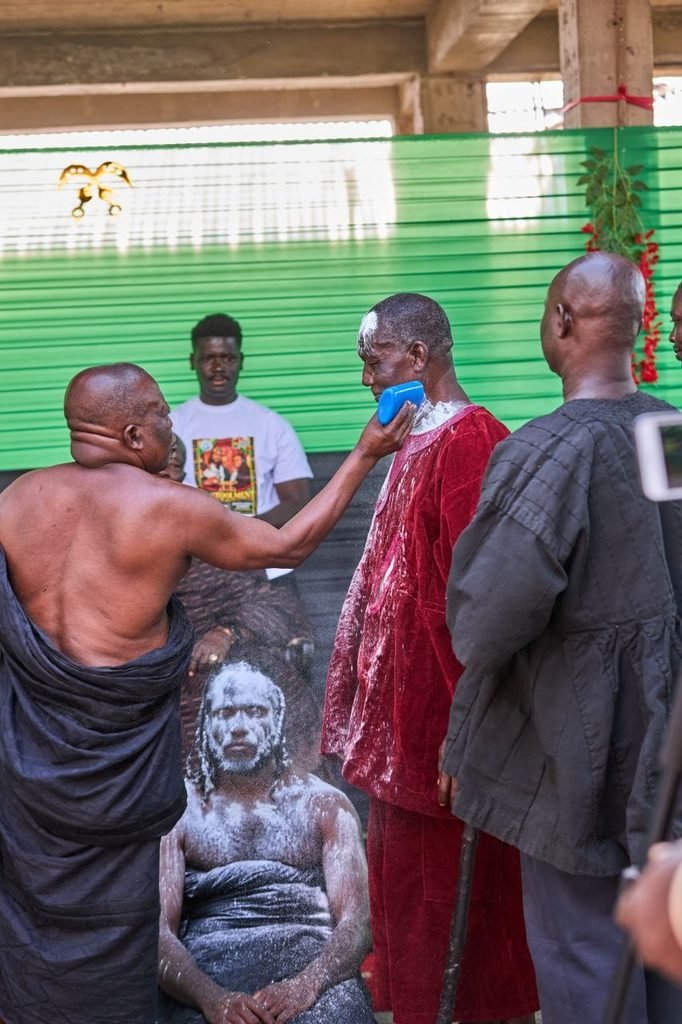
For the professor, the moment placed family achievement alongside his own professional and traditional milestones.
Kambon had already established a place in the traditional life of Akuapem Mampɔn through an earlier installation as Banmuhene Kyidɔmhene, recorded in 2017.
His latest enstoolment adds another chapter to that relationship.
In Akuapem Mampɔn, the day brought together the university, the palace and the family table in one celebration. And for Kambon, the journey from the lecture room to the traditional procession showed how scholarship, cultural responsibility and family achievement could converge in a single memorable occasion.
By Enoch Ntiamoah Siaw
SKIP THE QUEUE, TAP THE NEWS
You can now read the Ghanaian Times and The Spectator newspapers from the comfort of your device via TimesNewsPlus.
Join our WhatsApp Channel: https://whatsapp.com/channel/0029VbBElzjInlqHhl1aTU27

Intercity STC Coaches Limited has interdicted a driver captured in a viral video allegedly hitting a Sprinter bus during an overtaking manoeuvre at Pokuase before driving away from the scene.
In a public notice, the company described the driver’s conduct as unacceptable, stressing that it did not reflect the safety standards and professionalism it upholds.
Management said it had commenced an immediate investigation into the incident and identified the driver, who has been interdicted pending the outcome of the disciplinary process.
The company added that it was awaiting an official report from the Pokuase Police Command to help establish the facts surrounding the incident.
STC reaffirmed its commitment to passenger safety and responsible road use, while thanking members of the public for bringing the incident to its attention.
Management assured the public that appropriate action would be taken following the investigation.
By: Jacob Aggrey