News
Keta Municipal hospital organises free cervical cancer screening

- /home/u249204778/domains/spectator.com.gh/public_html/wp-content/plugins/mvp-social-buttons/mvp-social-buttons.php on line 27
https://spectator.com.gh/wp-content/uploads/2025/02/Cervical.jpeg&description=Keta Municipal hospital organises free cervical cancer screening', 'pinterestShare', 'width=750,height=350'); return false;" title="Pin This Post">
- Share
- Tweet /home/u249204778/domains/spectator.com.gh/public_html/wp-content/plugins/mvp-social-buttons/mvp-social-buttons.php on line 72
https://spectator.com.gh/wp-content/uploads/2025/02/Cervical.jpeg&description=Keta Municipal hospital organises free cervical cancer screening', 'pinterestShare', 'width=750,height=350'); return false;" title="Pin This Post">
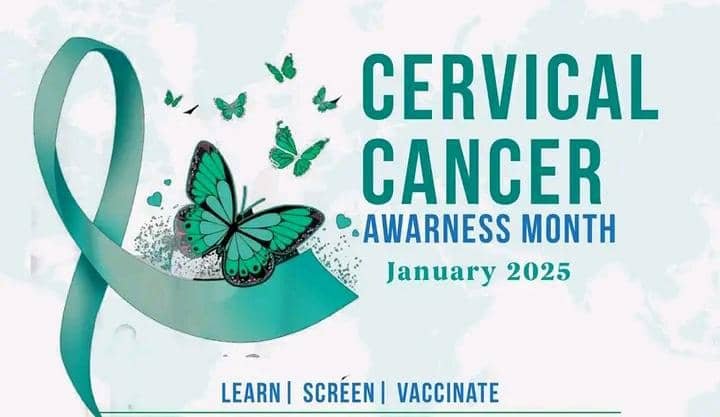
The Keta Municipal Hospital in the Volta Region has ended this year’s cervical cancer awareness month of January with free screening exercise.
The screening exercise was also used to educate the public on the causes, preventions, management and the effects of the disease.
Dr Martha Ampadu, a Gynaecologist at the Keta Municipal Hospital, in an interview with the Ghana News Agency, said that cervical cancer was deadly and the public should prioritise their health and get screened against cancer and other diseases.
Cervical cancer always occurs in the cervix, which is the lower part of the uterus in the female reproductive system which typically develops over time, and it is often caused by the human papillomavirus (HPV) and dangers associated with this disease include death,” she said.
She said that other risk factors that can increase the likelihood of developing cervical cancer include sexual intercourse at a tender age, having multiple sexual partners, weakened immune system, smoking, poor diet and lack of exercise, among others.
Dr Ampadu explained that some common symptoms of cervical cancer include abnormal vaginal bleeding between monthly periods and after sex, pain during sex, unusual vaginal discharge, bad odour, weight loss and fatigue, bleeding after menopause, pelvic pains, loss of appetite and others.
“The only way to detect cervical cancer is through a routine test or screening to check for abdominal cell changes in the cervix and to check for the present of high risk HPV types that can cause cervical cancer and that was the aim for our screening for the month.”
She said that some methods of preventing cervical cancer was by through Human papillomavirus (HPV) vaccine which was recommended people between the aged 12 and 26, and regular screening, practicing safe sex and limited number of sexual partners, avoid early sex and smoking, as well as engaging in regular exercise.
Dr Ampadu said that over 200 women were screened for the cervical cancer disease within the month of January, “and from Monday those who will come for the screening will be made to pay for it.”
She appealed to the public to as a matter of urgency prioritise their health and get screened as early as possible for early detection and treatment to prevent any unforeseen circumstances that could lead to death of the victims.
She urged all to visit the hospital with a valid National Health Insurance Card regularly when they suspect any bad feeling within the body for urgent attention and vaccination.
Some beneficiaries GNA interviewed expressed gratitude to the health workers and thanked them for the kind gestures. The theme of this year’s cervical cancer awareness month was, “screen, learn, vaccinate.”


Deputy National Women Organiser of the New Patriotic Party (NPP), Mimi Duah, has openly declared her support for Mavis Hawa Koomson as the next National Women’s Organiser of the party.
In a statement endorsing Hawa Koomson’s candidature, Ms Duah outlined four key reasons why she believes the former MP and Minister of State is best placed to lead the party’s women’s wing.
According to her, Hawa Koomson is a motherly figure who rose from the grassroots and is widely noted for her forgiving nature and ability to foster unity.
“She is a true grassroots mother who easily forgives, fosters unity, provides guidance and arbitrates to ensure all aggrieved party women are brought on board to ensure a unified women’s wing,” she stated.
Ms Duah also pointed to Hawa Koomson’s vast experience, having served as a Constituency Women’s Organiser, Member of Parliament and Minister of State, noting that the experience positions her to provide effective leadership as National Women’s Organiser.
She further described Hawa Koomson as capable of making the women’s wing resourceful, through her extensive network and business contacts, to lobby for logistics, training and financial support for women organisers at all levels.
Lastly, she said the NPP as an opposition party needs fearless, bold and assertive leadership at the women’s front to inspire regional, constituency and polling station women organisers as the party reorganises towards the 2028 elections.
“We need a Women’s Organiser who has been tested, who is bold, who understands grassroots women, and who can lead us to victory in 2028. Hon. Mavis Hawa Koomson is that leader,” she stressed.
By Edem Mensah-Tsotorme
News
Tourism, Culture and Creative Arts Minister inaugurates Ghana-Korea Heritage Project Steering Committee
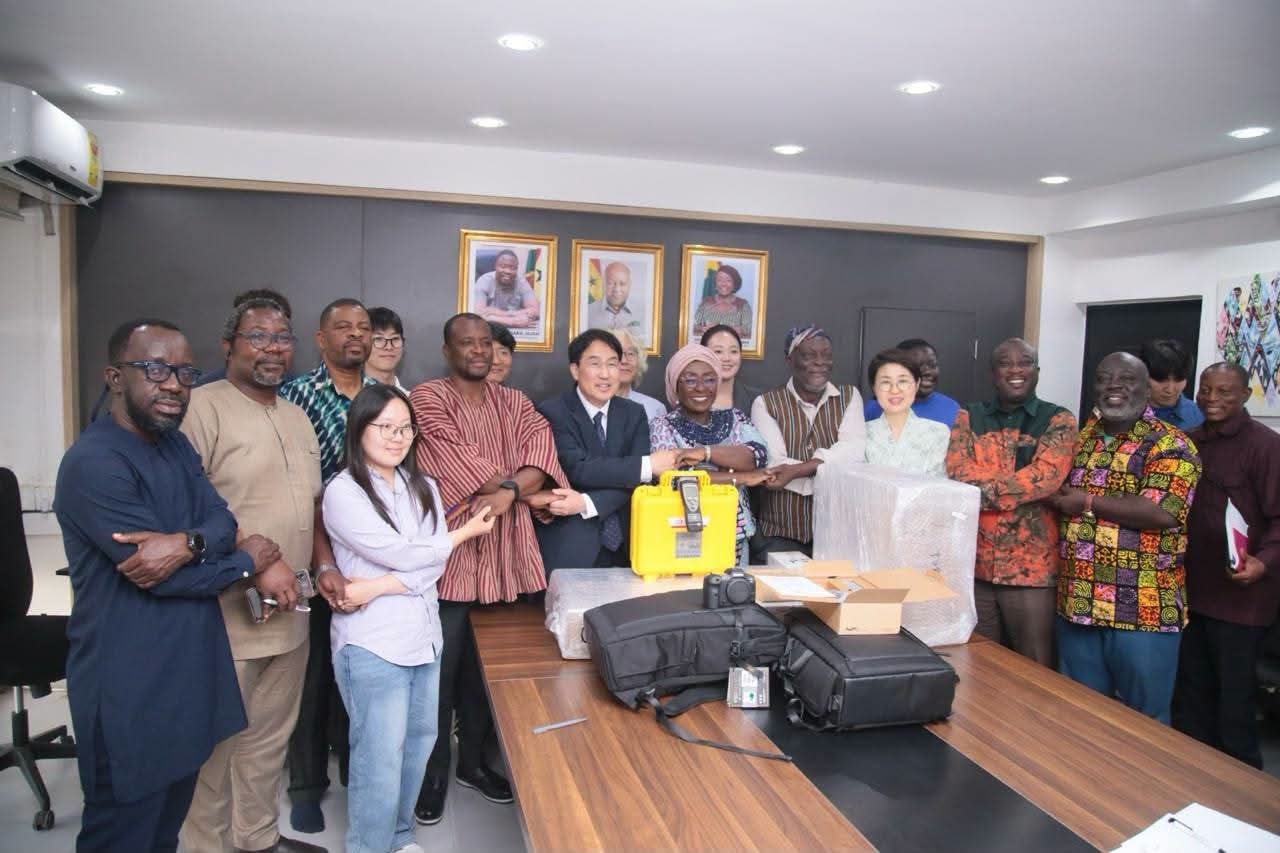
Tourism, Culture and Creative Arts Minister, Abla Dzifa Gomashie, has inaugurated the Ghana-Korea Heritage Project Steering Committee to provide strategic oversight for a five-year programme focused on preserving Ghana’s heritage sites and strengthening their resilience to climate change.
The project will support climate-risk mapping, digital surveying and 3D modelling, joint research, capacity building, community engagement and modern monitoring technologies.
Korea is also providing specialised equipment, including drones, 3D scanners, digital microscopes, thermal imaging cameras and GPS survey instruments, to enhance Ghana’s capacity to scientifically assess, document and conserve heritage structures.
The partnership, which will run through 2030 and beyond, is expected to deepen Ghana-Korea cultural ties while promoting sustainable, technology-driven and climate-adaptive heritage management for future generations.
By Edem Mensah-Tsotorme