Sports
‘Black Stars not there yet’

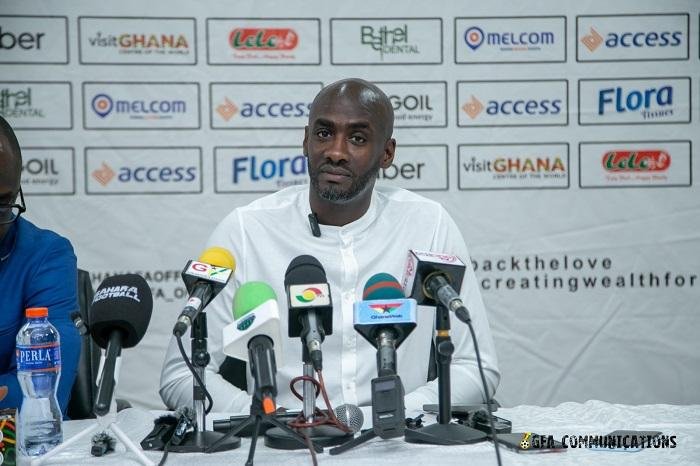
After seeing Mali undone by Alexander Djiku’s second half strike to give Ghana a 1-0 victory over Mali on Monday in a 2026 FIFA World Cup qualifier in Accra, Otto Addo gave his thoughts in the post-match press conference.
Below are excerpts.
On the game against Mali
You could see that we have a young squad and players who haven’t been playing often for the national team so far; that made them nervous. I think we got a good game.
We increased the pressure early in the second half, and managed to score out of a set piece. And then it was pure fight afterwards, especially the period after the goal.
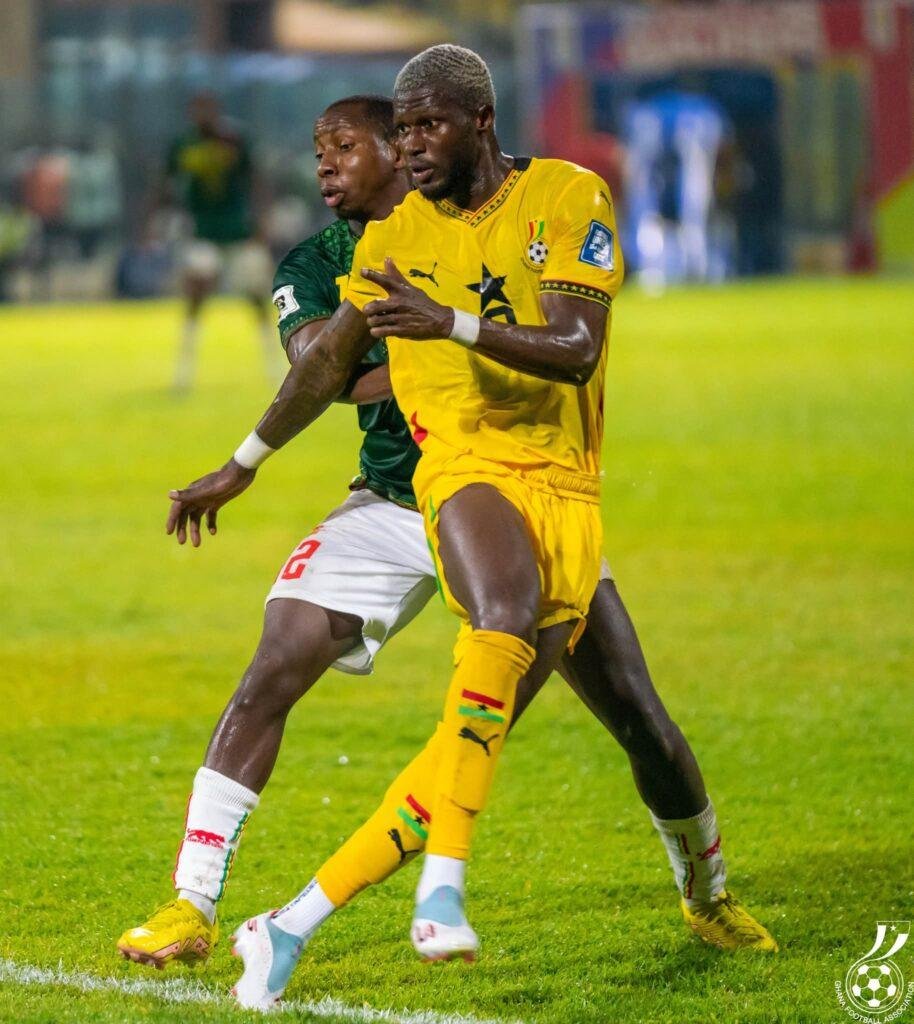
On decision-making in the final third
I think if you have played before, you know that sometimes there’s a little bounce from the ball or the position is close and you think too much, I told them actually, but as a footballer, it’s normal that you try to look for a perfect solution.
Semenyo’s performance
He did really well, you know, it’s difficult to compare games from the Premier League with games in Africa and Ghana. It’s very, very difficult and then all games have their own nature and surely you can say that he stands more out in the Premier League, but for me today he was excellent, he fought until he couldn’t run anymore.
On Gideon Mensah
Well, I think sometimes he’s a little bit too confident and we had, especially after the Chad game, had some talks and for everyone who has played football on a higher level.
If he does it in La Liga, it’s fine because in La Liga, if you lose the ball to your opponent, he will counter-press you. He needs to simplify his game sometimes. Didn’t look too complicated, but it’s difficult sometimes if you’re coming from a different environment to switch your thinking.
On Kwasi Sibo’s performance
First of all, big congrats for him. I think he really did well. It’s not easy to come from a different environment to fit into the squad, but yeah, he knows a lot of players already in the team and he connected well. He’s very, very confident and I think he did extremely well, especially when you see that this was his first match. .
On Ghanaians being overly expectant
No, I think the expectations are normal. We are Ghana. For me, if everybody is talking before the Chad game that we already won and we are already taking the three points, it’s dangerous because if this gets to the heads of the fans, it’s a problem for me.
I’m warning everybody who think we have already gone to the World Cup to take things easy. It’s not like that. We have to give the same effort as today to beat Central African Republic. If we don’t do this, it’s a big problem. We have a lot of work to do. A lot of work. It’s going to be very, very difficult.
On goal scoring
You know, the last window, we scored eight goals. I think it was ok, but we can’t expect it all the time. So I hope that the players who missed the chances would score the next time. But it’s all about learning, improving and adapting always to the circumstances.
And I think in each situation, they could have taken one, two, three steps more or more time to look for the partner to have a better overview to give the right pass.






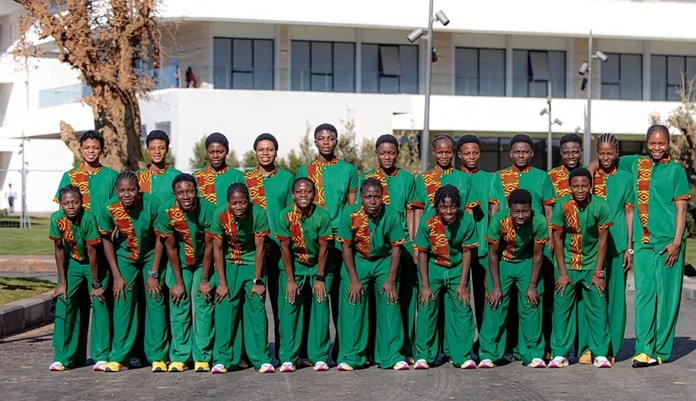
The national U-17 female team, the Black Maidens, have arrived in Rabat from their pre-camp base in Casablanca to begin their campaign at the 2026 FIFA U-17 Women’s World Cup.
The team will open their Group C fixtures against Norway on Sunday, October 18, at the Mohammed VI Football Complex. They will then face Brazil on Thursday, October 22, before wrapping up the group stage against Canada on Saturday, October 24.
During their two-week training camp in Casablanca, the technical team tested the squad’s readiness with two international friendlies against China and Kenya.
The Black Maidens are returning to the global showpiece after missing the last edition, aiming to build on a proud record that includes a bronze medal in 2012 and three quarter-final appearances.
The team is expected to hold its first training session in Rabat on Wednesday as it puts finishing touches to preparations for the opener against Norway.
By Edem Mensah-Tsotorme
IN modern football, the final whistle doesn’t signal the end of the show; it signals the intermission.
The Top five European Leagues (Premier League, La Liga, Bundesliga, Serie A, and Ligue 1) have mastered a brutal truth of the digital age: you don’t just sell the match; you sell the marathon.
By weaponising transfer window tension, season reviews, and microscopic highlight reels, they’ve turned 90 minutes of sport into a 24/7/365 content vortex.
Meanwhile, back home, the Ghana Premier League (GPL) is haemorrhaging relevance not because the talent isn’t there but because the storytelling is dead.
The Football Association’s apathy is only rivalled by its hypocrisy.
The European Blueprint: Selling the ‘Appetite’
Why do fans tune into a random mid-table La Liga clash on a Friday night? Because they’ve been primed. Across the summer, broadcasters and clubs drip-feed ‘transfer sagas’ like high-stakes soap operas.
Will the star leave? Who is the mystery medical? This tension creates a parasocial investment that transcends the pitch.
Paired with this are season-review documentaries and hyper-curated game highlights tailored for TikTok, Instagram, and YouTube. These aren’t just goal clips; they are tactical breakdowns, sideline theatrics, and VAR controversies packaged into digestible and emotional bites.
This strategy has inflated broadcasting rights to astronomical sums (the Premier League’s recent domestic deal hit £6.7 billion).
They know that if you feed the audience year-round, they will binge-watch when it matters.
The GPL Vacuum: No Sponsor, No Story
Now, overlay this blueprint onto the Ghana Premier League. It is a stark, barren contrast.
The league is poorly run, lacking a headline sponsor to give it financial muscle or marketing prestige. Without that corporate backing, the media machine grinds to a halt.
The transfer market, which should be the peak of offseason intrigue, is a ghost town. We hear about signings, but the transfer fee is universally undisclosed.” We only get the contract length.
This kills the narrative. In Europe, a €100 million move generates weeks of debate; in Ghana, a move generates a one-line social media post, devoid of gravity. Fans cannot gauge ambition, nor can they measure a club’s financial muscle.
Most damningly, there are no reviews from the broadcasting rights holders. No glossy season-compilation DVDs. No weekly magazine shows dissecting past campaigns to build hype for the next.
The Broadcasting Right Holders (BRHs) treat the GPL as an obligation to air live, not as an IP to monetize through content. The league goes dormant the moment the trophy is lifted.
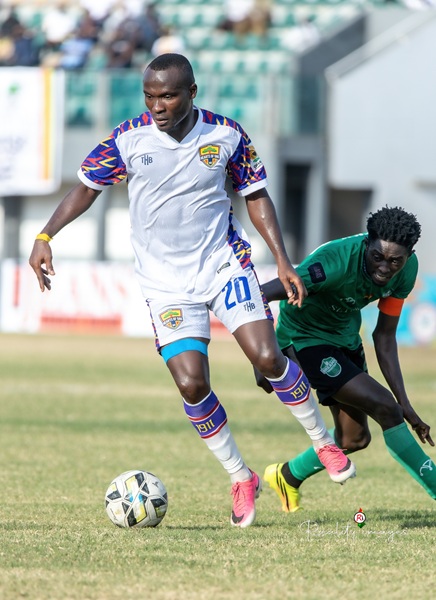
And the FA? They seem unconcerned. There is no strategic blue • A scene from the Ghana Premier League print to pump these ‘stuffs’ into the digital ecosystem. They treat the league’s media output like an afterthought, ignoring that a lack of online noise equals a lack of bums on seats.
The Black Stars Paradox: The Hypocrisy of Production
Here is the crushing irony that exposes the FA’s priorities. When the Black Stars assemble for a World Cup qualifier or an AFCON match, the narrative flips overnight.
Suddenly, the budget for proper camera operators and videographers appears from thin air. We get cinematic drone shots, multi-angle slow-motion replays, tunnel cams, and emotional post-match interviews.
Every moment, every tackle, every save, every passionate fan in the stands is captured in vivid, broadcast-ready quality. The national team gets the full ‘European treatment.’
This reveals a devastating double standard. The FA treats the Black Stars as the sole marketable asset, forgetting that the GPL is the engine room that produces these stars.
By diverting all production value to the national team while starving the domestic league of visual prestige, they are cannibalizing their own foundation.
The Verdict
You cannot build a football culture on national team fixtures alone.
Europe thrives because they understand that content is the currency of fandom.
Until the Ghana FA secures a headline sponsor, enforces transparent transfer disclosures (to fuel debate), and mandates that broadcasting partners produce engaging season reviews and highlight packages, the GPL will remain a hidden gem rather than a sparkling crown.
The players are there. The passion is there. But if the FA continues to save its best camera angles for the Black Stars while leaving the Premier League in the dark, they aren’t just failing the clubs; they are starving the very appetite they desperately need to feed
By Leslie Agyemang