Hot!
I’m frustrated – Nii Lante Vanderpuye on why he’s leaving Parliament

- /home/u249204778/domains/spectator.com.gh/public_html/wp-content/plugins/mvp-social-buttons/mvp-social-buttons.php on line 27
https://spectator.com.gh/wp-content/uploads/2023/11/1.9173455.webp&description=I’m frustrated – Nii Lante Vanderpuye on why he’s leaving Parliament', 'pinterestShare', 'width=750,height=350'); return false;" title="Pin This Post">
- Share
- Tweet /home/u249204778/domains/spectator.com.gh/public_html/wp-content/plugins/mvp-social-buttons/mvp-social-buttons.php on line 72
https://spectator.com.gh/wp-content/uploads/2023/11/1.9173455.webp&description=I’m frustrated – Nii Lante Vanderpuye on why he’s leaving Parliament', 'pinterestShare', 'width=750,height=350'); return false;" title="Pin This Post">
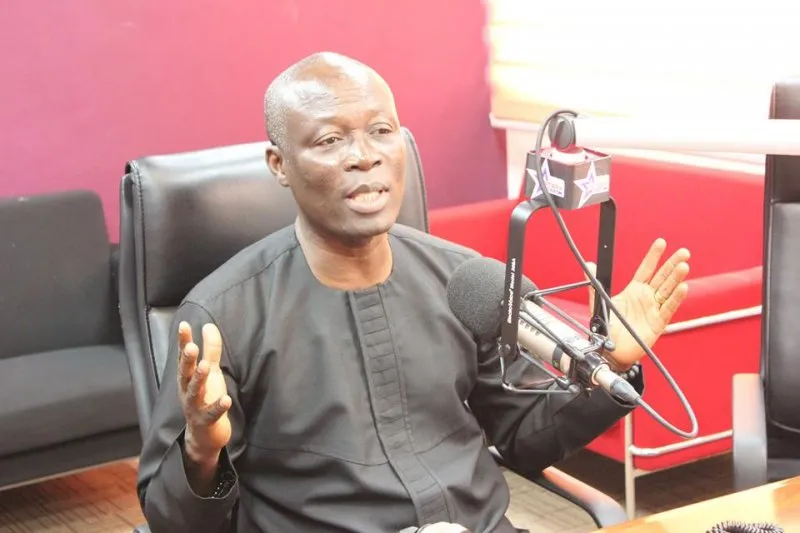
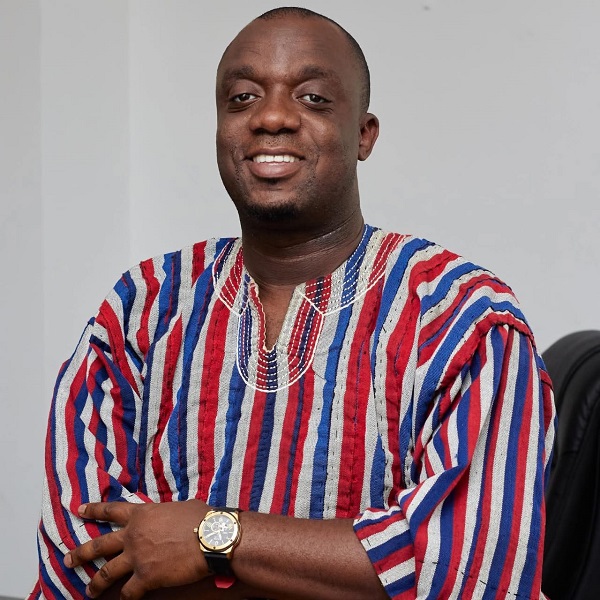
The Member of Parliament for the Odododiodio constituency, Edwin Nii Lante Vanderpuye, says he is bowing out of Parliament because of frustration.
The Odododiodio lawmaker, speaking on the Citi Breakfast Show on Citi FM on Thursday, explained that MPs face numerous challenges in the execution of their duties, and political parties do not provide them with any form of protection, leading to frustration.
“I am leaving Parliament because I am frustrated; the [political] parties really do not protect the people they have [in Parliament]. So, you are subjected to so much pressure that, after a time, you lose interest because you don’t get the sort of environment to be able to harmonize the talents and competence you have.”
He lamented that this kind of frustration happens to many MPs from both sides of the House, leading to disturbing attrition rates in the House.
He said Parliament is fast losing members who make valuable contributions to the House.
“The attrition rate in Parliament is too high, and as such, people do not get the sort of experience they require to advance the work of Parliament. One of the gentlemen I admire so much since I entered that House in 2013 was Dr. Osei Assibey. When I look at the work he does and how he comes out to analyze documents, I can see someone who spent time doing research to be able to ask the necessary questions. The late Dr. Akoto Osei was another when it came to drafting bills.”
“Bagbin is succeeding as a Speaker because of the lengthy experience he has had as a member of parliament. If you look at his speakership, you will see some quality that is better than what we saw of other speakers who were not members of parliament, and it is clear for us to see,” Nii Lante Vanderpuye further told Nathan Quao.
Nii Lante Vanderpuye has been the MP for the constituency since 2013.
He was elected as MP during the 2012 elections, where he faced off against Victor Okaikoi of the New Patriotic Party. Vanderpuye was quite confident about his chances of winning, famously stating in November 2012 that if he got less than 65% of the vote, he would concede the seat to Okaikoi.
NDC may lose Odododiodio seat if current issues are not resolved properly – Ade Coker
Former Greater Accra Chairman of the National Democratic Congress (NDC), Joseph Ade Coker, says the party risks losing the Odododiodio seat if the issues surrounding the party’s parliamentary primary in the constituency are not addressed appropriately.
The party has suspended all processes related to the parliamentary primary in the Odododiodio Constituency following a violent incident at the Greater Accra Regional office during the vetting of aspirants for the constituency.
“If they don’t handle it well, we will lose that seat, and people must be up and doing because people who have gone to contest in that constituency don’t deserve to be there because that is not their constituency. There is a former NPP person who has been brought in, and he is contesting contrary to the party’s constitution, demanding that he should have served the party within a timeframe before contesting. Unfortunately, there is another person who is a former MP for Amasaman who should have gone to Amasaman to ensure that they win the seat again, yet he is contesting at Odododiodio,” Mr. Ade Coker added in an interview on Face to Face on Citi TV.
Source: Citinewsroom.com


The University of Ghana Medical Centre (UGMC) has disputed claims made on social media by comedian Michael Blackson concerning the treatment given to his late mother, saying a review found that the allegations did not accurately reflect what happened during her stay at the hospital.
In a statement issued in Accra on August 5, 2026, the management of UGMC expressed condolences to Mr. Blackson and his family over the death of his 83-year-old mother, who died at the facility on July 16, 2026.
The hospital said it had taken the concerns raised by Mr. Blackson seriously and conducted a thorough review in line with its clinical and administrative procedures.
According to the statement, the facts presented by Mr. Blackson on social media contained “numerous inaccuracies” and did not accurately reflect the medical care provided to his mother.
UGMC explained that she was referred to the facility from another hospital and received treatment there from May 27 to July 16, 2026, a period of about eight weeks.
The hospital stated that it would not release details of her diagnosis, treatment, medical records or other aspects of her care because it had a duty to protect patient confidentiality, even after death.
It said the decision was intended to respect the dignity of the deceased and the privacy of her family.
UGMC further stated that all clinical decisions at the facility are made by qualified healthcare professionals based on medical judgment, established standards of care and the best interests of the patient.
The statement added that such decisions are made in consultation with authorised family representatives where necessary and that billing and financial procedures are governed by institutional policies and are separate from clinical decision-making.
The hospital noted that it values feedback from patients and their families and considers both positive and negative comments important for improving the quality of care.
Mr. Blackson had earlier used social media to criticise the care his mother received at UGMC, prompting the hospital’s response.
By: Jacob Aggrey
The New Patriotic Party (NPP) has directed all aspirants campaigning in the Greater Accra Region to suspend their campaign activities on August 5 and 6 and instead mobilise supporters for the party’s planned “Democracy Under Attack” demonstration.
The directive was issued by the party’s National Steering Committee in a statement signed by the NPP General Secretary, Justin Kodua Frimpong, on Tuesday.
According to the statement, the decision forms part of efforts to ensure a strong turnout for the demonstration, which is scheduled for Thursday, August 6, 2026.
The party said the protest would begin at 5:00 a.m., with participants expected to gather at the Supreme Court in Accra.
It further directed Regional, Constituency and Polling Station Executives in Greater Accra to work closely to mobilise members and supporters for the event.
“The National Steering Committee is calling on all aspirants currently campaigning across the Greater Accra Region to temporarily suspend their campaign activities on the 5th and 6th of August and join in mobilising support for the upcoming demonstration,” the statement noted.
The NPP appealed to party members and supporters to remain peaceful, disciplined and orderly throughout the protest.
The demonstration forms part of the party’s response to concerns it has raised over issues relating to Ghana’s democratic governance and the justice system.
The NPP leadership expressed confidence that party members would cooperate fully to ensure a successful and peaceful event.
By: Jacob Aggrey

 News1 week ago
Prof. Kwabena Twerefou holds inaugural lecture; calls for better stewardship of Ghana’s natural resources
- News1 week ago
Ahanta Heritage Month: Diplomats, youth tour forts, Cape Three Points and historic sites
- News1 week ago
University of Ghana Students begin 3-Day “Campus to Countries” tour of Togo and Benin