News
GLoMef trains, supports vulnerable girls in fashion design

- /home/u249204778/domains/spectator.com.gh/public_html/wp-content/plugins/mvp-social-buttons/mvp-social-buttons.php on line 27
https://spectator.com.gh/wp-content/uploads/2025/08/A-presentation-to-some-of-the-beneficiaries.others-standing-behind.jpg&description= GLoMef trains, supports vulnerable girls in fashion design', 'pinterestShare', 'width=750,height=350'); return false;" title="Pin This Post">
- Share
- Tweet /home/u249204778/domains/spectator.com.gh/public_html/wp-content/plugins/mvp-social-buttons/mvp-social-buttons.php on line 72
https://spectator.com.gh/wp-content/uploads/2025/08/A-presentation-to-some-of-the-beneficiaries.others-standing-behind.jpg&description= GLoMef trains, supports vulnerable girls in fashion design', 'pinterestShare', 'width=750,height=350'); return false;" title="Pin This Post">
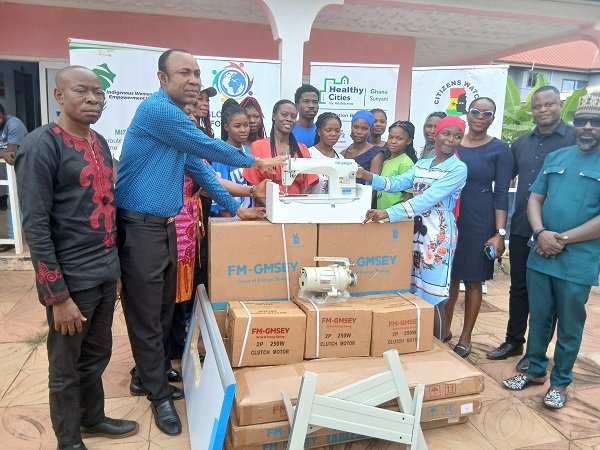
The Global Media Foundation (GLoMef), a Sunyani-based non-governmental organisation has presented industrial machines and accessories to vulnerable young girls being trained in fashion design in the Sunyani Municipality of the Bono Region.
In all, GLoMef is funding the training of 20 young girls, supporting them with monthly stipends for their upkeep during the training period.
However, 15 of them were presented with standard electrical sewing machines and accessories, pledging to present another five to those left out, depending on their commitment to the exercise.
Speaking to journalists after the presentation, the Chief Executive Officer of GLoMef, Mr Raphael Ahenu, said the GH₵250,000 project was being implemented under the Resilient City Project with funding from the Swiss Botnar Foundation through ECorys UK.
The three-year project, he noted was aimed at equipping about 1,500 adolescent girls with the prime objective of upscaling the beneficiaries to about 3000.
Mr Ahenu said the broader objective of the project was to reduce the menace of teenage pregnancy and its attendant effects among vulnerable teenage girls who could be lured into social vices such as prostitution and substance abuse.
“This project is about giving young people a chance to build meaningful lives. We urge the parents to support their children and help GLoMef and our donor partners to sustain the intervention being rolled out, he stated.
Mr Ahenu urged the trainees to take their training seriously in order to achieve their aim and as well become models in their communities.
Theresa Mawuna, a beneficiary who spoke on behalf of her colleagues assured to take their training seriously in order to justify the investment made in them.
From Daniel Dzirasah,
Sunyani

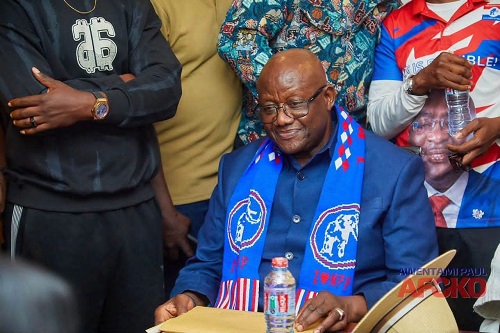
Aspiring National Chairman of the New Patriotic Party (NPP), Paul Awentami Afoko, has filed his nomination to contest the party’s National Chairman position.
Mr Afoko submitted his nomination forms to the NPP National Elections Committee at the party’s headquarters on Tuesday, August 25, 2026.
Speaking to supporters after filing his nomination, Mr Afoko indicated that his past challenges and mistakes had equipped him with the experience needed to lead the party.
“I have learnt from my difficulties, I have learnt from my mistakes, and I have therefore got the experience,” he stated.
He urged delegates to consider his experience as they prepare to vote in the party’s internal elections.
Mr Afoko said he would embark on an engagement with delegates across the country, describing them as the “big men” of the party.
“I will come to you. I am coming to visit all of you. I am coming to you,” he assured the delegates.
The filing was met with excitement as his supporters marched into the NPP headquarters singing, drumming and cheering in support of his candidacy.
The charged atmosphere continued as Mr Afoko submitted his forms and addressed the gathering, outlining his readiness to take on the responsibility of leading the party.
He expressed confidence in his experience and ability to serve the NPP if elected National Chairman.
By: Jacob Aggrey
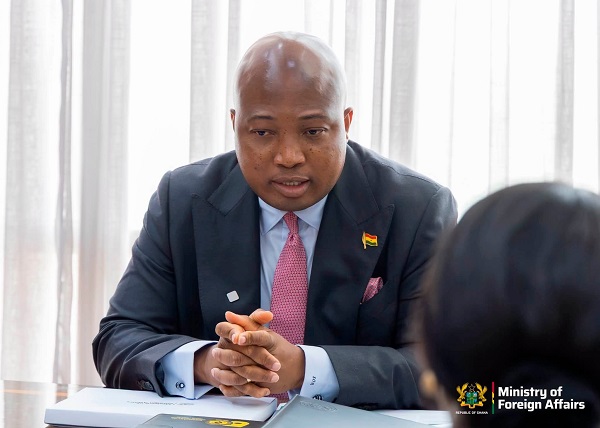
The Government of Ghana has respectfully declined an offer by MTN Ghana to donate GH¢20 million to support Ghanaian victims of the recent xenophobic attacks in South Africa.
In a statement issued on August 26, 2026, the Ministry of Foreign Affairs said it had become aware of media reports suggesting the telecom giant was preparing to make the donation, with publications attributing the announcement to an interview granted by MTN Board Chairman, Dr. Ishmael Yamson.
“The Government of Ghana commends MTN for the offer, however, we respectfully decline,” the Ministry stated.
According to the Ministry, the Mahama administration has made adequate provision for the ongoing evacuation and reintegration of Ghanaians affected by the attacks and is therefore unable to accept the offer.
The Ministry disclosed that this position had earlier been directly conveyed to the Board Chair and CEO of MTN when they called on the Minister of Foreign Affairs, Samuel Okudzeto Ablakwa (MP), on August 14, 2026.
Meanwhile, the government says it remains fully committed to the current humanitarian evacuations and the provision of financial support for the reintegration of every Ghanaian brought back from harm’s way.
The Ministry further assured the public that it will present a comprehensive account of the total cost of the evacuations as soon as the exercise is concluded, in the interest of transparency and accountability.
“Government will continue to create the best business ecosystem for all international brands operating in Ghana to succeed, irrespective of which country their businesses originated from. The welfare of all Ghanaians remains our utmost priority,” the statement added.
By Edem Mensah-Tsotorme