News
Ghana’s tourism sector to fully recover in 3 yrs —Prof. Mensah


- /home/u249204778/domains/spectator.com.gh/public_html/wp-content/plugins/mvp-social-buttons/mvp-social-buttons.php on line 27
https://spectator.com.gh/wp-content/uploads/2020/05/Tourism-Ghana-1-Prof-Ishmael-Mensah-2.jpg&description=Ghana’s tourism sector to fully recover in 3 yrs —Prof. Mensah', 'pinterestShare', 'width=750,height=350'); return false;" title="Pin This Post">
- Share
- Tweet /home/u249204778/domains/spectator.com.gh/public_html/wp-content/plugins/mvp-social-buttons/mvp-social-buttons.php on line 72
https://spectator.com.gh/wp-content/uploads/2020/05/Tourism-Ghana-1-Prof-Ishmael-Mensah-2.jpg&description=Ghana’s tourism sector to fully recover in 3 yrs —Prof. Mensah', 'pinterestShare', 'width=750,height=350'); return false;" title="Pin This Post">
Ghana’s tourism sector will take between two to three years to fully recover from the effect of the COVID-19 pandemic,an Associate Professor at the Department of Hospitality and Tourism Management of the University of Cape Coast (UCC), Prof. Ishmael Mensah has predicted.
Speaking to the Ghanaian Times in an interview yesterday, Prof. Mensahwho is also the Ghana Director of the Confucius Institute, UCC said that the International Tourism Organisation (ITO) projected a decline of international tourist arrival between 20 and 30 percent for the year due to the impact of COVID-19.
This he explained would impact Ghana’s tourism sector extensively due to the fact that the domestic tourism industry had not been developed.
He has, therefore, asked players within the sector to brace themselves up for the setback and innovate to ensure they survived the scourge even as steps were taken to ease the restrictions.
In addition, he has urgedthe government to lead the way in the recovery processes since it was one of the critical sectors of the Ghanaian Economy, stressing that”We should not leave the recovery efforts in the hands of hotels, airlines and other organisations within the value chain” he said.
Tourism until the discovery of oil in commercial quantities was the third highest foreign exchange earner for the country, however, with the discovery, it has been dislodged.
Currently, it is the fourth largest foreign exchange earner with more than $1.7billion, representing about six per cent of the country’s Gross Domestic Product for 2019.
Prof. Mensah said the sector had globally declined due to the pandemic; however, the impact of the decline at the local level would differ depending on individual countries.
“The tourism sector globally has declined due to the pandemic; however, the impact at the local level can be even more devastating unless some innovative ways are adopted to prop up the sector.
“I see, a number of hotels have shut down whiles other agencies within the industry are facing challenges of eminent collapse,” he said.
The average occupancy rate before COVID-19, he said, was 70 percent but the emergence of the virus had slashed the average occupancy ratio to 30 percent with others registering as low as five percent and below, saying, “Our hotels are in serious distress”.
However, he said the domestic market even though not well developed, would commence with the recovery processes first and then that of inbound tourism would pick up gradually, adding that, “the road to recovery will be a long while.”
Prof. indicated that the tourism sector was a resilient one, saying, “We have to understand that all is not lost but the state needsto put in adequate measures to ensure the sector gets out of the current challenges quickly”.
As part of the recovery processes, he called for the state to put up an intensified promotional and marketing campaign, adding that “such a campaign may enable the country discover new markets.”
He commended government for showing leadership with the GH¢600 million stimuluspackages for businesses and urged those in the industry to apply for funds to address their challenges.
However, he said there would be the need for the “Beyond the Return” project which was supposed to have commenced this year to be re-launched when things normalised in about two to three years time to enable the sector to take full advantage of the diasporan market.
On a possible slump of tourism from being the fourth foreign exchange earner in the country, Prof. Mensah said, that would not materialise with a decline in the other entire sectors due to the pandemic.
“Tourism will continue to be the fourth exchange ex-change earner despite the challenges the sector is facing due to the COVID-19 pandemic” he said.
From David O Yarboi-Tetteh, Cape Coast


Over 20 structures built within the 50-metre buffer zone of the Kpeshie Lagoon at the Laboma Beach Resort in the La Dade-Kotopon Municipality were on Sunday demolished by the Greater Accra Regional Coordinating Council (GARCC).
Buildings such as single-unit semi-detached under construction and completed chalets at the resort were pulled down while portions of a newly constructed perimeter wall were also demolished. Read More
SKIP THE QUEUE, TAP THE NEWS
You can now read the Ghanaian Times and The Spectator newspapers from the comfort of your device via TimesNewsPlus.
Join our WhatsApp Channel: https://whatsapp.com/channel/0029VbBElzjInlqHhl1aTU27
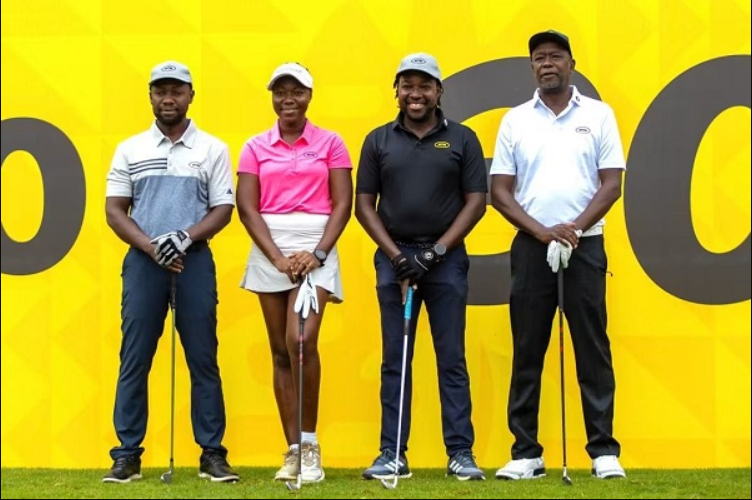
About 120 golfers from clubs across Ghana participated in an 18-hole competition, dubbed ‘MTN 30th Anniversary CEO Invitational Golf Tournament’ held at the Achimota Golf Club on Saturday.
At the end of the hectic day, Frederick Semenu Duvor won the Men’s Group A event with 39 points, while Julienne Afi claimed the Ladies’ Group A title with the same score.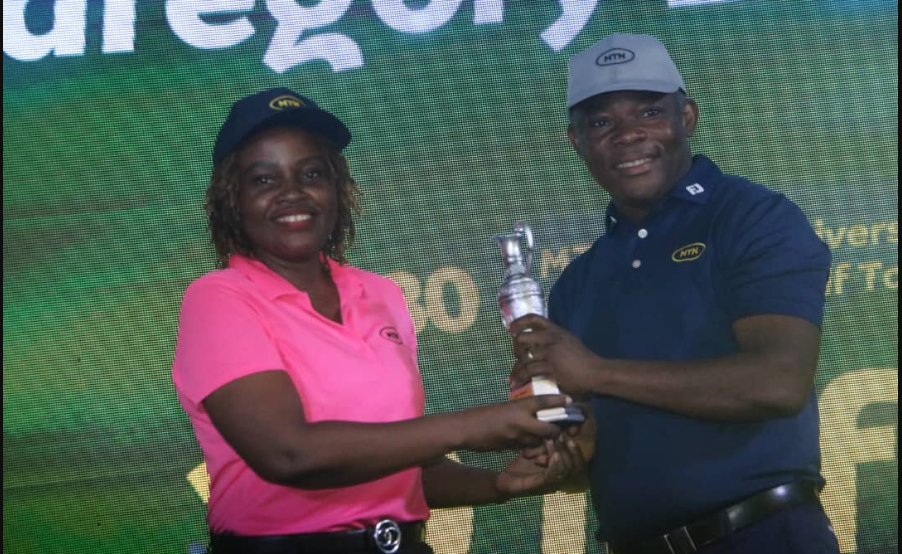
Yaw Mireku Jnr. won the Men’s Group B with an impressive 45 points, while Kous Louanges Mang took the Ladies’ Group B title with 38 points.
Kofi Mangesi won Men’s Group C with 40 points while Elorm R. Akuash Bonney claimed the Ladies’ version with 42 points.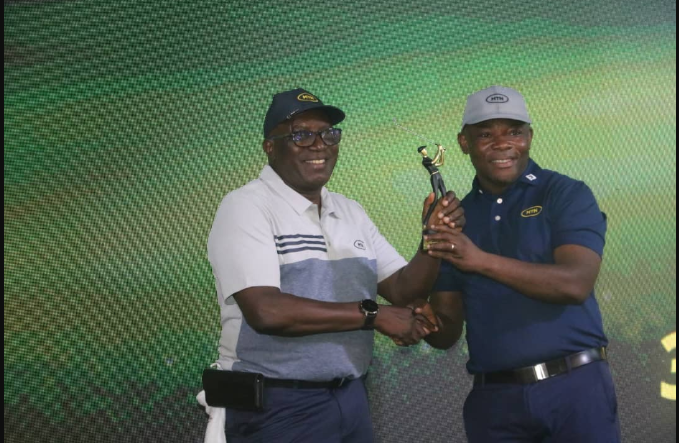
In the Seniors Division, Jan Vogel emerged winner of the men’s category with 39 gross, while Helen Appah topped the ladies’ category with 44 gross.
Addressing participants, the company’s Board Chairman, Mr Ishmael Yamson, urged the company to approach its next phase with the same resilience, discipline and determination that have defined its success over the past three decades.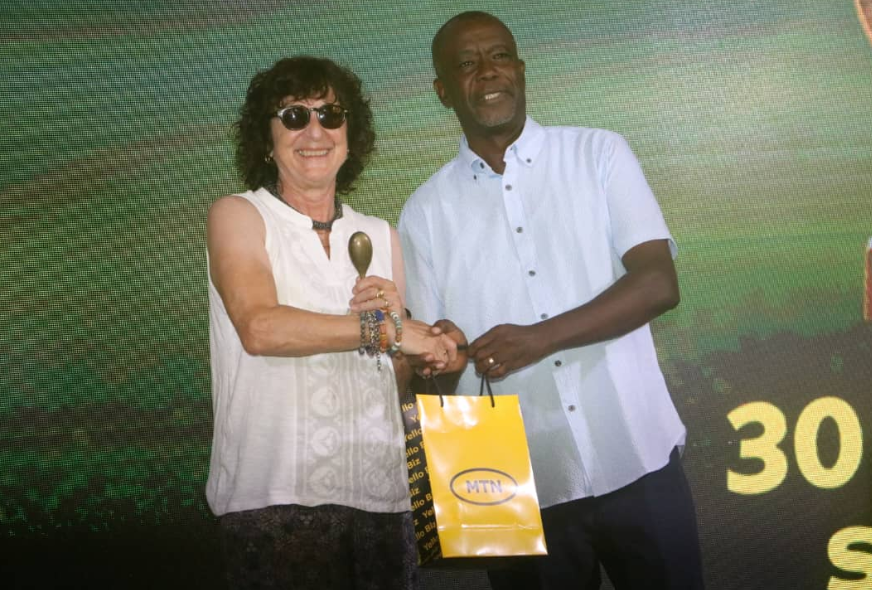
He drew a striking parallel between the game of golf and MTN Ghana’s three-decade journey, describing both as long games in which success depends less on one spectacular moment than on consistency, patience, judgment and the ability to recover from setbacks.
He said, golf had taught him a lesson that extended far beyond the fairways, thus, a round cannot be won on the first hole.
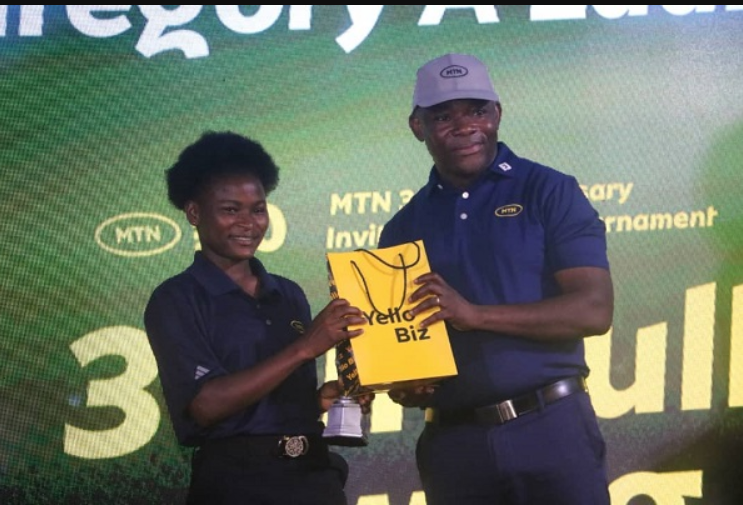
In golfing terms, he said, MTN Ghana had encountered its share of regulatory bunkers, competitive hazards and unexpected storms that had forced the company to pause, reassess and change its approach.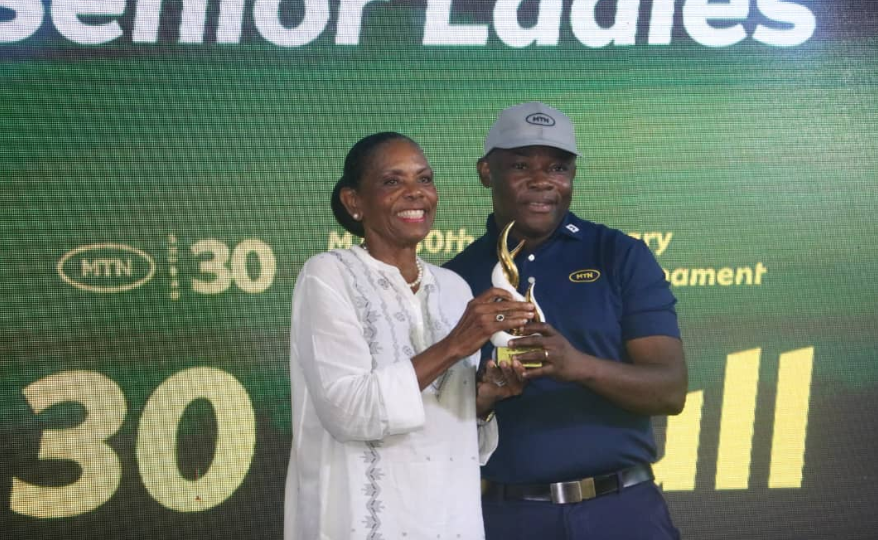
But those challenges, he suggested, were part of the journey rather than reasons to abandon it.
By Andrew Nortey
SKIP THE QUEUE, TAP THE NEWS
You can now read the Ghanaian Times and The Spectator newspapers from the comfort of your device via TimesNewsPlus.
Join our WhatsApp Channel: https://whatsapp.com/channel/0029VbBElzjInlqHhl1aTU27

 Entertainment1 week ago
Fiifi Coleman Productions adapt ‘I Told You So’ stage play into feature film
- News1 week ago
48 Engineer Regiment to be major sub-contractor on Accra-Kumasi Expressway, $2bn ready- Prez Mahama
- Entertainment6 days ago
Rhythms On Da Runway returns November 28 with 16th edition themed ‘Unbound’