News
GEXIM to host “Tuesday Market” in Volta Region from September 26-28

- /home/u249204778/domains/spectator.com.gh/public_html/wp-content/plugins/mvp-social-buttons/mvp-social-buttons.php on line 27
https://spectator.com.gh/wp-content/uploads/2024/09/IMG-20240924-WA0001-1000x600.jpg&description=GEXIM to host “Tuesday Market” in Volta Region from September 26-28', 'pinterestShare', 'width=750,height=350'); return false;" title="Pin This Post">
- Share
- Tweet /home/u249204778/domains/spectator.com.gh/public_html/wp-content/plugins/mvp-social-buttons/mvp-social-buttons.php on line 72
https://spectator.com.gh/wp-content/uploads/2024/09/IMG-20240924-WA0001-1000x600.jpg&description=GEXIM to host “Tuesday Market” in Volta Region from September 26-28', 'pinterestShare', 'width=750,height=350'); return false;" title="Pin This Post">
The Volta Regional capital, Ho, will in the coming days host the region’s biggest Made-In-Ghana fair to be organized by the Ghana Export – Import Bank (GEXIM). Dubbed the “Volta Weekend Market” or “Teza Mart”, the fair is scheduled to take place at Ho Bankoe (Movie Street) from Thursday September 26 to Saturday September 28, 2024 between 8am and 8pm each day.
“Volta Weekend Market” is a platform created by the Bank for Small and Medium-sized Enterprises (SMEs) across the Volta region and other Ghanaian entrepreneurs in neighboring regions to showcase carefully selected top-quality and uniquely packaged Made-In-Ghana products.
Announcing the “Volta Weekend Market”, the Deputy Chief Executive Officer of GEXIM, responsible for Banking, Ms. Rosemary Beryl Archer expressed the Bank’s appreciation to all relevant stakeholder in the Volta region for their enormous support to make it possible for the Bank to host an SME fair in the region.
“I am happy we are coming to the Volta region at a very important time, during the celebration of the Asogli Yam Festival.
Without a doubt, SMEs play a critical role in national development, and we are excited to place a spotlight on SMEs across the region by promoting them locally and internationally to be patronized. In addition, as part of the fair, we will be building the capacities of the SMEs and engage them to explore avenue for growth,”she added
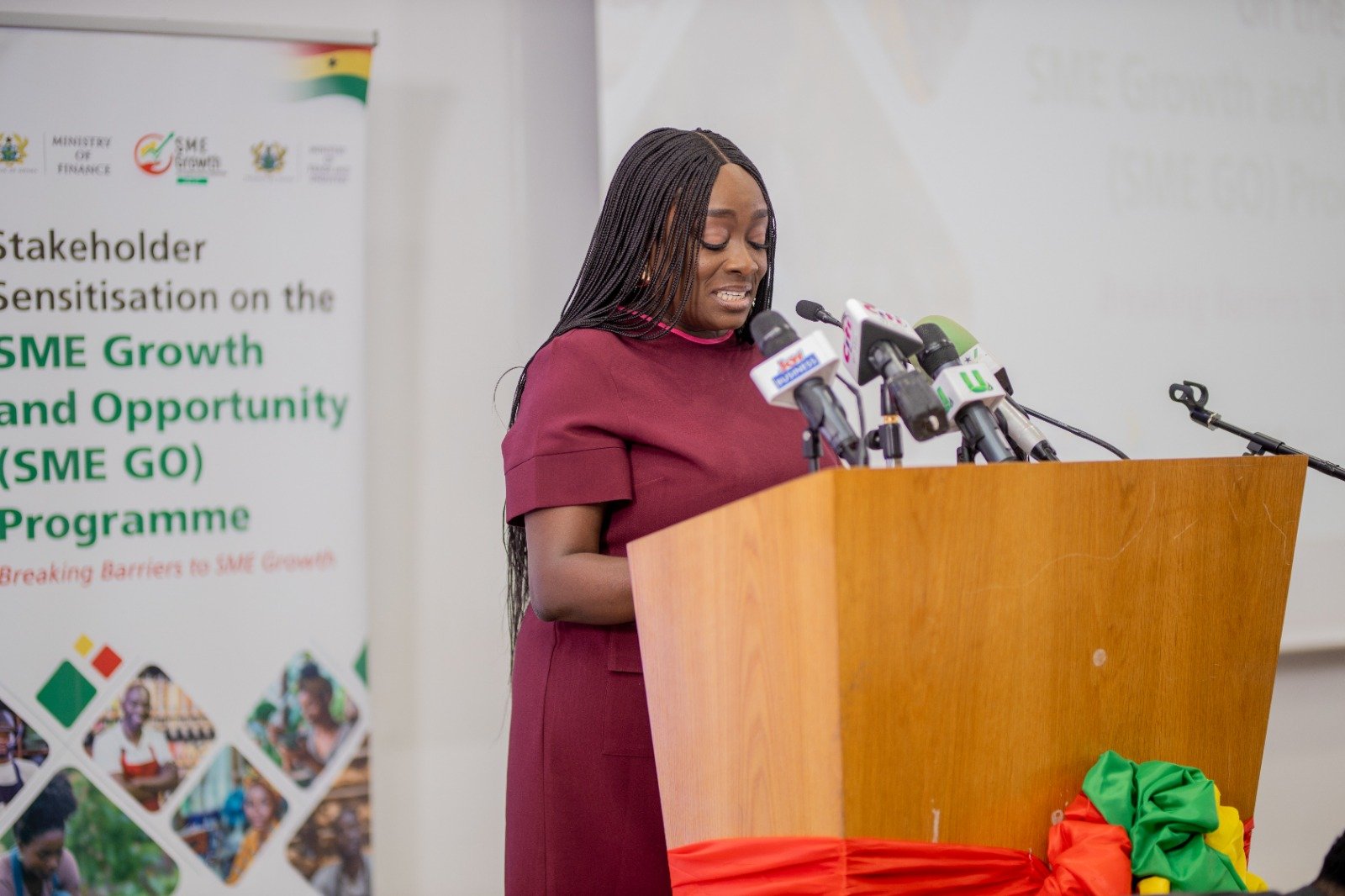
She further stated that “with the recent launch of the SME Growth and Opportunities Programme by the Ministry of Finance and the follow up sensitization across the regions, the fair presents an opportunity to further engage SMEs in the Volta Region.”
Currently, about hundred Ghanaian entrepreneurs with unique products have been confirmed to participate in the fair. Some of the very unique, and authentic products expected to be exhibited at the fair at unbeatable prices include food and ingredients, beverages, skin and beauty care products, textiles, apparel, garments, leather footwear, slippers, and many others.
On the sidelines of the “Volta Weekend Market”, the Bank will organize a training programme for the SMEs, dubbed “SME Clinic.”
It is aimed at building the capacity of entrepreneurs, exploring solutions to challenges faced by Ghanaian businesses as well as identifying pragmatic approaches to assist SMEs to scale up and become more efficient in their operations.








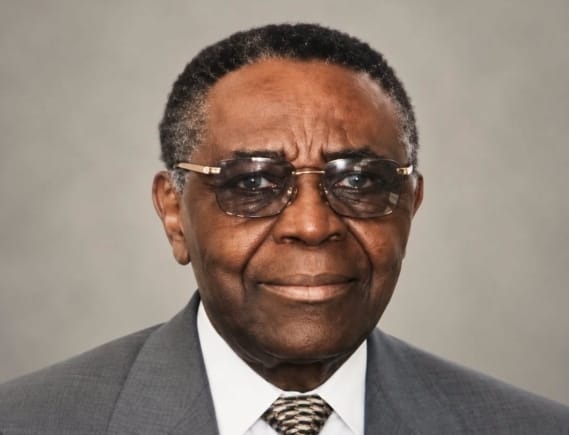
The New Patriotic Party (NPP) has announced with profound sorrow the passing of Ambassador Samuel Arthur Odoi-Sykes, describing him as an eminent statesman, distinguished patriot, and one of the founding pillars of the party.
In a statement issued by the party, Ambassador Odoi-Sykes was eulogized for dedicating several decades of his life to the service of Ghana and the cause of democratic governance.
“His constant dedication to public service, constitutional democracy, and principled political leadership earned him the admiration and respect of colleagues across the political divide,” the statement said.
Ambassador Odoi-Sykes served as Member of Parliament for Ashiedu Keteke, now Odododiodio, during the Third Republic, where he rose to become Minority Leader of Parliament. He was noted for his exemplary parliamentary leadership and advocacy for democratic ideals.
As a founding father of the NPP, he played a pivotal role in laying the institutional and ideological foundations of the party.
His leadership as National Chairman from 1998 to 2001 was instrumental in uniting and strengthening the NPP, culminating in its historic electoral victory in the year 2000 and the first democratic transfer of power between political parties under the Fourth Republic.
Following that landmark achievement, he continued his service to the Republic as Ghana’s High Commissioner to Canada from 2001 to 2006, where he represented the nation with distinction and enhanced Ghana’s diplomatic relations abroad.
The party noted that throughout his lifetime, Ambassador Odoi-Sykes served on numerous national and party committees, offering wise counsel, strategic leadership and invaluable institutional memory.
“His integrity, humility, intellect, and constant commitment to Ghana’s democratic development will remain an enduring source of inspiration for present and future generations,” the NPP said.
“His passing marks the end of an illustrious chapter in Ghana’s political history. The nation has lost a distinguished public servant, while the New Patriotic Party has lost one of its most respected elder statesmen and steadfast architects.”
The party extended its deepest condolences to his wife, children, the entire Odoi-Sykes family, friends, and associates.
“As we mourn his passing, we also celebrate a life exceptionally lived in faithful service to God, country, and the Party. Ambassador Samuel Arthur Odoi-Sykes has indeed paid his dues, and his legacy of principled leadership, patriotism, and selfless service will forever remain etched in the annals of Ghana’s democratic history.
“May his soul rest in perfect peace, and may his memory keep inspiring generations yet unborn,” the statement concluded.
By Edem Mensah-Tsotorme
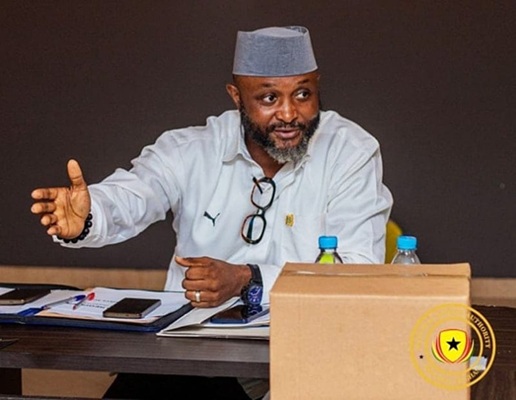
Lawyers for suspended National Sports Authority (NSA) Director-General, Yaw Ampofo Ankrah, say he will not appear before Parliament for now because matters concerning him are currently under investigation by the Criminal Investigations Department (CID) of the Ghana Police Service.
In a statement issued on behalf of Mr Ampofo Ankrah, his legal counsel, Jerry Avenorgbor of Brookman Amissah & Associates, said the sports administrator has cooperated and will continue to cooperate with the police as they work to establish the facts.
The lawyers said Mr Ampofo Ankrah and his representatives would refrain from making detailed public comments on the allegations while the investigation is ongoing.
They urged the media and the public to exercise restraint and avoid presenting allegations, speculation or unverified information as established facts.
The lawyers stressed that the existence of an investigation does not, by itself, amount to a finding of wrongdoing against Mr Ampofo Ankrah or any other person.
On calls for Mr Ampofo Ankrah to appear before Parliament, his lawyers said it would be “imprudent” for him to do so while the CID investigation remains active and he is under suspension.
According to them, appearing before Parliament at this stage could create complications for the investigation and potentially affect the process through which the facts are being established.
Mr Ampofo Ankrah has therefore decided to defer any appearance until the investigation has been concluded and the circumstances surrounding his suspension have been determined by the appropriate authorities.
His lawyers, however, stressed that the decision should not be interpreted as a refusal to submit to lawful processes or to account to Parliament or any other constitutionally mandated institution.
They explained that the position is intended to protect the integrity of the ongoing investigation and prevent any action that could potentially interfere with it.
The lawyers further indicated that if his suspension is lifted and he is restored to his position as Director-General of the NSA at the discretion of the Office of the President, he will respond appropriately to any lawful request to appear before Parliament or another competent institution.
Mr Ampofo Ankrah and his legal representatives are expected to respond to the findings of the investigation and address any issues requiring clarification once the appropriate authorities have completed their work.
They have meanwhile called for patience and respect for the ongoing investigative process.
By: Jacob Aggrey