Entertainment
Fotocopy talks about collaboration with Shatta Wale and upcoming schools tour


Eight-year-old Kallai Nana Qwaachi, affectionately called Fotocopy has revealed the rational behind his new song School Dey Be which featured Shatta Wale.
The young boy says the song is to throw light on the importance of education and admonishes every child to go to school.
“In the song, I am telling a story of the importance of education, and why every child needs to be in school,” he said.
According to him, he wants children to know that education is the key to success, “without it, you can’t read and write”, and that he would embark on an educational tour to drum home the importance of education.
“As part of the school tour, I will donate books, pay school fees, and feeding for children who are not in school as a result of these challenges,” he said.
Touching on his collaboration with Shatta Wale on the School Dey Be song, he said Shatta Wale surprisingly reached out to his team that he would love to work with him.
Against this backdrop, he expressed his appreciation to Shatta Wale for the gesture and support.
Fotocopy talks about collaboration with Shatta Wale and the upcoming schools tour
By Edem Mensah-Tsotorme
Eight year-old Kallai Nana Qwaachi, affectionately called Fotocopy has revealed the rational behind his new song School Dey Be which featured Shatta Wale.
The young boy says the song is to throw light on the importance of education and admonishes every child to go to school.
“In the song, I am telling a story of the importance of education, and why every child needs to be in school,” he said.
According to him, he wants children to know that education is the key to success, “without it, you can’t read and write”, and that he would embark on an educational tour to drum home the importance of education.
“As part of the school tour, I will donate books, pay school fees, and feeding for children who are not in school as a result of these challenges,” he said.
Touching on his collaboration with Shatta Wale on the School Dey Be song, he said Shatta Wale surprisingly reached out to his team that he would love to work with him.
Against this backdrop, he expressed his appreciation to Shatta Wale for the gesture and support.
Fotocopy’s first single dubbed, Megye Me Dow, featured his father Qwaachi and comedian Clemento Suarez.
By Edem Mensah-Tsotorme


Budding gospel artiste Kesewaa Kessy has released emotional-awakening music single titled “Jesus Endorsement”.
The song, which is the first single off her debut Extended Play (EP) of the same title, seeks to remind Christians of the power of divine approval over human validation.
With the new release, Kesewaa Kessy urges listeners to live a life anchored in Christ, stressing that purpose is greater than popularity.
To complement the audio, the singer has also released a colourful official music video for the song. The video premiered on 3Music TV is now available on YouTube.
“Jesus Endorsement” is being released under Media Excel, a Ghanaian company known for promoting gospel talents.
The song is now streaming on all major digital platforms.
Stream/Watch here: https://bfan.link/jesus-endorsement
By Edem Mensah-Tsotorme
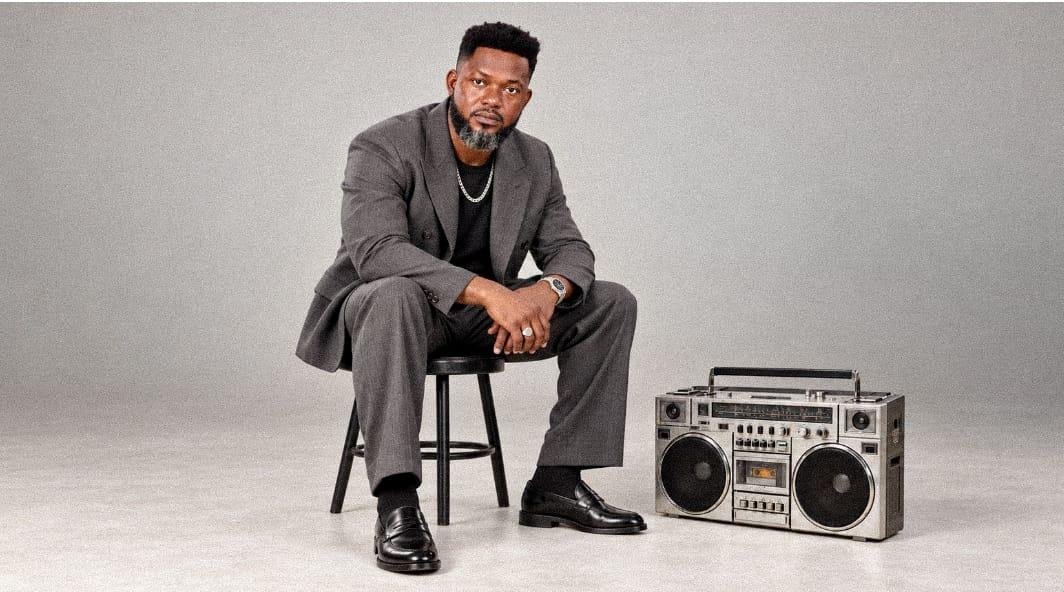
Ghanaian musician Sparqlyn is set to release another big hit.
His latest release, ‘Rosina,’ features Germany-based Ghanaian musician, video director, and sound engineer TEENO (known privately as Eric Kwame Tamakloe).
TEENO’s project ‘Signs’ was recently accepted by the Grammys for official consideration in the ‘Album of the Year’ category. Now, ‘Rosina’ is making serious waves across the airwaves.
Coming shortly after the impressive reception to his previous single ‘Fameko,’ ‘Rosina’ is already receiving strong attention from music lovers and radio listeners.
This new song carries an infectious Afrobeats and Hiplife feel while maintaining the romantic direction that characterised ‘Fameko,’ Sparqlyn’s 2026 Highlife collaboration with Ziya.
‘Fameko’ marked an important moment in Sparqlyn’s musical journey, with the love-themed highlife record receiving positive reactions from music lovers and media platforms following its June 2026 release.
The song became one of the highlights of his 2026 output, ranking high on multiple charts.
‘Fameko’ has also bagged Sparqlyn two top nominations: “Highlife Song of the Year” and “Artist of the Year” at the 2026 Stars Awards.
The combination of a romantic storyline, Afrobeats rhythm, and Hiplife influence give the song a sound that fits comfortably into the current Ghanaian music landscape.
The timing of the song’s release could also prove significant for the award-winning artiste. Sparqlyn recently secured two nominations at the 2026 Ghana Youth Empowerment Awards, where he is in contention for Youth Empowerment Advocate of the Year and Outstanding Youth Personality of the Year.
With ‘Fameko’ having established strong momentum earlier in the year and ‘Rosina’ now beginning to enjoy significant airplay, Sparqlyn appears to be ending another eventful chapter of his musical career on a high note.
SKIP THE QUEUE, TAP THE NEWS

You can now read the Ghanaian Times and The Spectator newspapers from the comfort of your device via TimesNewsPlus.
Join our WhatsApp Channel: https://whatsapp.com/channel/0029VbBElzjInlqHhl1aTU27