News
Forcibly sleeping with wife punishable – Experts


There is a limit to everything in this world and it is better for humans especially men to becareful of their actions and inactions that have the tendency of coming into conflict with the law.
It is, therefore, a crime for married men to forcibly have sex with their wives because marriage is not a guarantee for marital rape.
Two panelists at a stakeholders’ engagement on violence against women at Wa on Tuesday cautioned men against marital rape which according to them was punishable by law.
The panel members unanimously argued that although the general notion after marriage was that women were available for sex, there were instances they were overwhelmed by natural circumstances that did not permit sex and the husbands were expected to understand and excuse them.
The meeting formed part of a 16-days activism for the commemoration of the International Day for the Elimination of Violence Against Women and Children and was held by the Network for Young Women Empowerment, a non-governmental organization at Wa in the Upper West Region.
The Commander at the Domestic Violence and Victim Support Unit (DVVSU) at the Regional Police Command, Assistant Superintendent of Police, (ASP) Adongo Apiiya said marital rape was seriously perpetuated in most homes and the women who were left victimised had no voice to complain due to social stigma.
“Marriage comes with sexual relations but when the woman says she is sick and not feeling well, she should not be coerced into having an affair she is not ready for because that could compound her situation”, he stated.
He explained that wellness was not just about the physical being and indicated that women could be suffering from some emotional or psychological trauma at the time and was incumbent on the husbands to see to their recovery before they requested for such intimate responsibilities from them.
“If a woman is bold enough to report marital rape to the police and she is able to provide enough evidence to substantiate her claims, the husband can suffer legal consequences because even though she is his wife, she has the right to say no to sex when she is not well”, he added.
He, however, cautioned women against hiding behind legal protection to deny their husbands sex when they were clearly capable of going into the act but encouraged them to embrace their marital responsibilities for happier homes.
Adding his voice, a broadcaster with the regional station of the Ghana Broadcasting Corporation, Mr Seidu Bhomajo also said even after the woman had consented to a sexual relation, she had the right to withdraw the consent in the course of the act and the man had to respect her wishes.
He called on his colleague males to regard sexual relations as an act of mutual understanding and avoid coercion in order to make their wives excited in their marriages.
From Lydia Darlington Fordjour, Wa


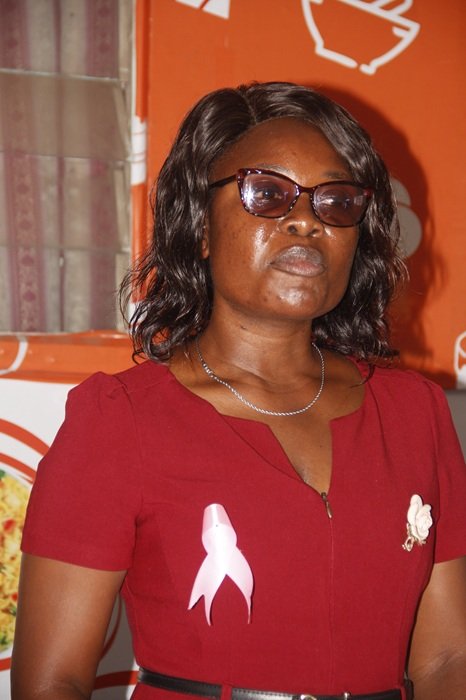
Medical Doctor and dietician, Dr Bernice Korkor Asare, has urged women to take greater responsibility for their lifestyle choices, particularly their eating habits and levels of physical activity, to help reduce their risk of developing breast cancer.

According to her, although, some breast cancer risk factors, such as family history and certain reproductive factors, may not be within an individual’s control, lifestyle choices offer an opportunity for people to take preventive action.
She made this known during a talk on the topic: “Role of diet in breast cancer prevention” organised by Times Ladies Association of the New Times Corporation, publishers of The Ghanaian Times and The Spectator, in Accra on Thursday.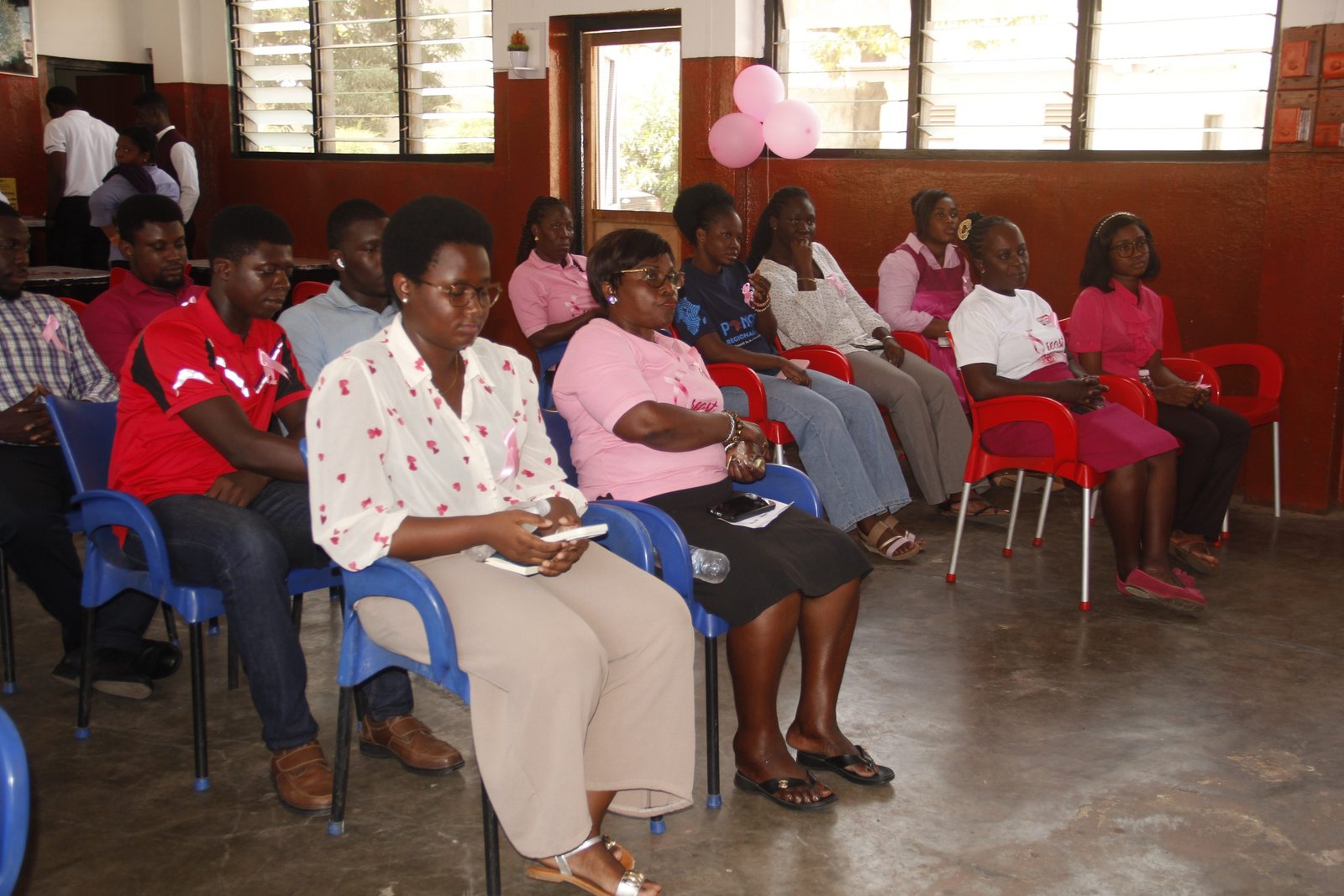
The event themed “Breast Cancer Awareness- Promoting Early Detection, Healthy Eating and Prevention.” 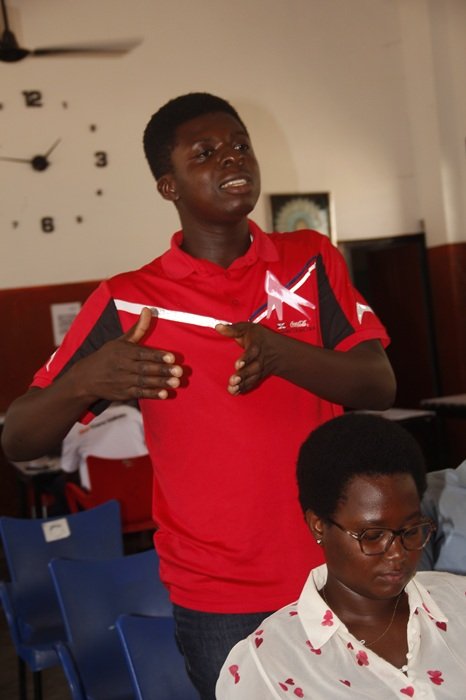
She noted that having a risk factor did not automatically mean a person would develop breast cancer, but could increase the likelihood of developing the disease compared with someone without that particular risk factor.
“Having close relatives who have had breast cancer, particularly a mother, sister or daughter, may increase the risk, although not everyone with a family history will develop the disease,” Dr Asare opined. Read More.
By Adizatu K. Munkaila
SKIP THE QUEUE, TAP THE NEWS
Read Daily News
You can now read the Ghanaian Times and The Spectator newspapers from the comfort of your device via TimesNewsPlus.
Buy Maps
Join our WhatsApp Channel: https://whatsapp.com/channel/0029VbBElzjInlqHhl1aTU27

A group of compassionate friends from Innovation Gospel Impact last Friday visited the management, teachers and learners of the Street Academy in Accra.
The visit was to interact to get a deeper insight into the operations of the Academy that houses hundreds of street and underprivileged children and find ways to support them.
The team was led by Rev. Dr Isaac Apenteng Yeboah, a former Director for West African Mailbox Club and Director for Prisons Support Foundation, and Rev. Dale Sutherland from Washington DC.
The call, according to the visitors was occasioned by reports about the struggles of the Academy despite the occasional support it enjoys from individuals and some corporate entities.
Briefing them, the Founder and Executive Director of the Academy, Dr Ataa Lartey, thanked them for the concern showed, indicating that “this is a major boost for both teachers and learners; knowing that their plight is known by people outside their premises.”
According Dr Lartey, the Academy had planned to undertake a number of project to enhance teaching and learning and also procure facilities for the children with keen interest in sports but had to shelve those plans for lack of finance.
He told the team that their biggest concerns were the monthly utility bills that takes a toll on their finances.
“We have a piece of land we planned to turn into an astro turf pitch to train the younger ones whose interests lies in making a career out of football, however, we have been unable to commence because there is no money now,” he said.
Dr Lartey expressed gratitude to the teachers who have dedicated their lives to training these children, rather than going for well-paying jobs and hoped that with time, their conditions of engagement would improve.
Moved by the plight of the Academy, the group donated a cash amount of Gh₵3,000 to settle its water bills.
They described as unfortunate the conditions of learners and teachers of the Academy and pledged to continuously support their operations to realize the dream to build a better future for the unfortunate children.
The group offered to support the school with its monthly utility bills, feeding and staff allowance and urged the Academy staff to remain in constant touch with them.
The Street Academy is located at the Accra Art Center and offers brilliant but needy the chance to pursue their educational dreams by enrolling them in public schools with others offered training in sports and cultural activities.
By Spectator Reporter
SKIP THE QUEUE, TAP THE NEWS
You can now read the Ghanaian Times and The Spectator newspapers from the comfort of your device via TimesNewsPlus.
Join our WhatsApp Channel: https://whatsapp.com/channel/0029VbBElzjInlqHhl1aTU27