News
Erratic rainfall affecting UER farmers

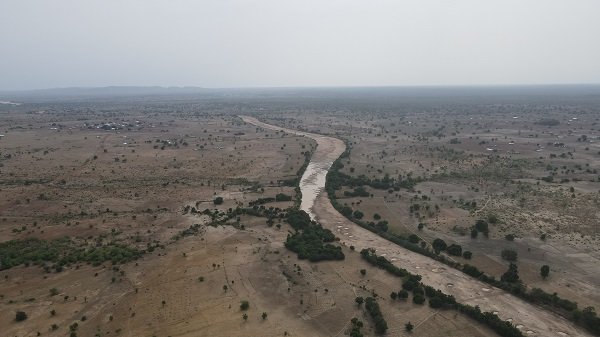
Erratic rainfall has is making farmers switch to growing crops that take shorter time to harvest
Farmers living along the White Volta basin at Gentiga Number 1 and 2 in the Bawku Municipality in the Upper East Region are frantically battling to sustain their farms, the only source of their livelihood.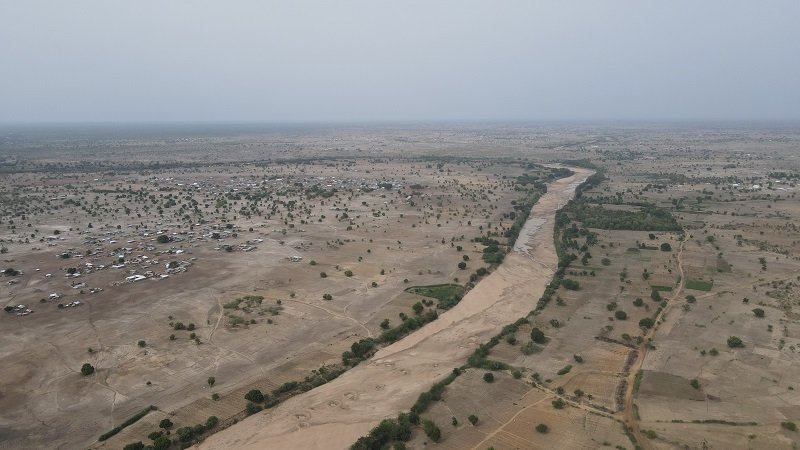

This is due to the effects of erratic rainfall patterns and the dryness of the only water source for their farming and household activity, leading to food insecurity in the area.
Osman Adam, a 26-year-old farmer, who is among hundreds of small-scale farmers who depend on rainfall to start this year’s farming, is stranded between taking the risk to sow his crops or not.
He said unpredictable weather patterns in rainfall were causing havoc for many of the farmers in the area, as sowing and harvesting periods were severely affected.
Mr. Adam said other farmers have abandoned plans to cultivate their lands because of the same challenges they faced in previous years, resulting in poor harvest.
“Changing rain and weather patterns have led the crops to be sown and harvested late, which often results in crop failure, undermining farm yields, reducing food availability, and lowering income,” he added.
As you can see, the White Volta basin, the only source of water we relied heavily on for dry season farming as well as their household activity, has dried up, leaving the crops stunted and making life unbearable.
Hawa Mammah, a 71-year-old farmer and mother of seven children, said she had never experienced such weather change since she began to practice subsistence farming on her one acre of land.
She said previously, at this time of the season, they used to plant and harvest maize, pepper, millet, and sorghum, “but now the rains are coming no more, and this is causing a lot of hunger.”
“Now, it is extremely dry, and hunger will wipe all of us out if it continues like this,” she said.
She also said that the situation had discouraged the youth from going into farming. “Additionally, I have seen some old farmers give up planting crops because it is not worth the expense.”
Alhaji Zakaria Fuseini, the Upper East Regional Director of Agriculture, confirmed the situation, saying that for the past years, farmers in the region had been recording low yields due to changes in the rainfall patterns.
“We keep receiving complaints from farmers about drought and delays in rainfall, which are affecting their farming as well as livelihoods,” he said.
He added that rainfall was a huge contributor to farming in the northern part of the country, especially for small-scale farmers, who solely relied on it for their activities.
Alhaji Fuseini said erratic rains have pushed farmers to switch to growing crops that take shorter time to harvest.
He said because of lack of awareness about climate change, many farmers have not yet shifted to alternative crops on a large scale.
Alhaji Fuiseni said “the Agric Department is doing its best to educate the farmers about climate change as well as introduce climate-smart seeds that can withstand the climate conditions.”
He, therefore, called on farmers to change their traditional way of farming and rely on the education and improved climate-smart seed introduced by the Agriculture Department.
From Geoffrey Buta, Gentiga. Upper East Region.


The Ghana Health Service (GHS) will undertake a nationwide Human Papillomavirus (HPV) vaccination exercise in schools from October to December 2026 to protect eligible girls against cervical cancer and other HPV related diseases.
The exercise, organised in collaboration with the Ghana Education Service (GES) and its partners through the School Health Education Programme (SHEP), will be conducted in two rounds.
The first round is scheduled for October 19 to 23, 2026, while the second will take place from November 30 to December 4, 2026.
In a press release dated October 19, the GHS explained that health workers would visit schools across the country to vaccinate eligible girls aged 9 to 14 who have not yet received the HPV vaccine.
The exercise forms part of efforts to raise awareness about the routine HPV vaccine, increase vaccination uptake and strengthen the country’s routine immunisation programme.
The GHS has called on school authorities, parents, guardians, teachers and community leaders to cooperate with health teams to ensure the successful implementation of the exercise.
The Service reaffirmed its commitment to protecting the health and well-being of Ghanaians, particularly children, through vaccination and other public health interventions.
By: Jacob Aggrey
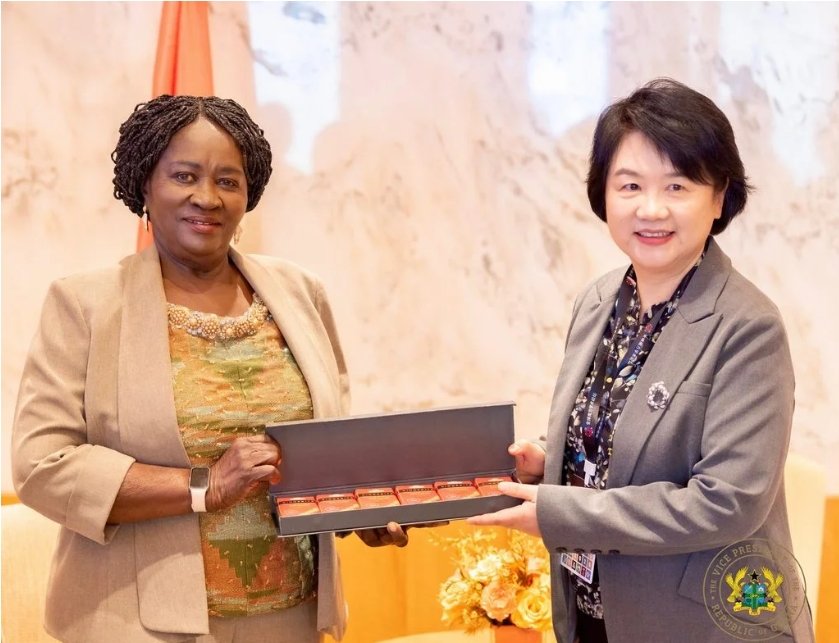
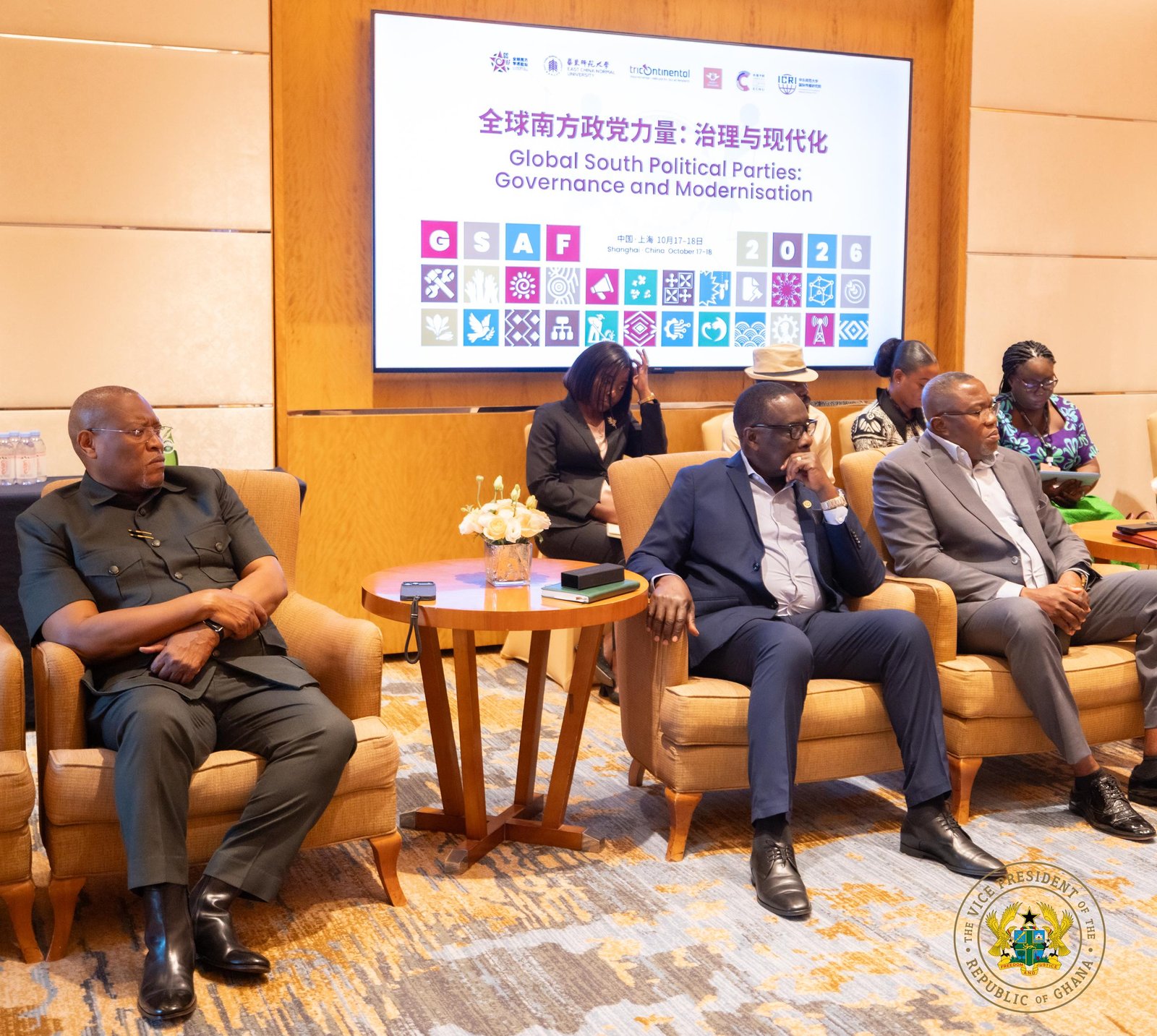
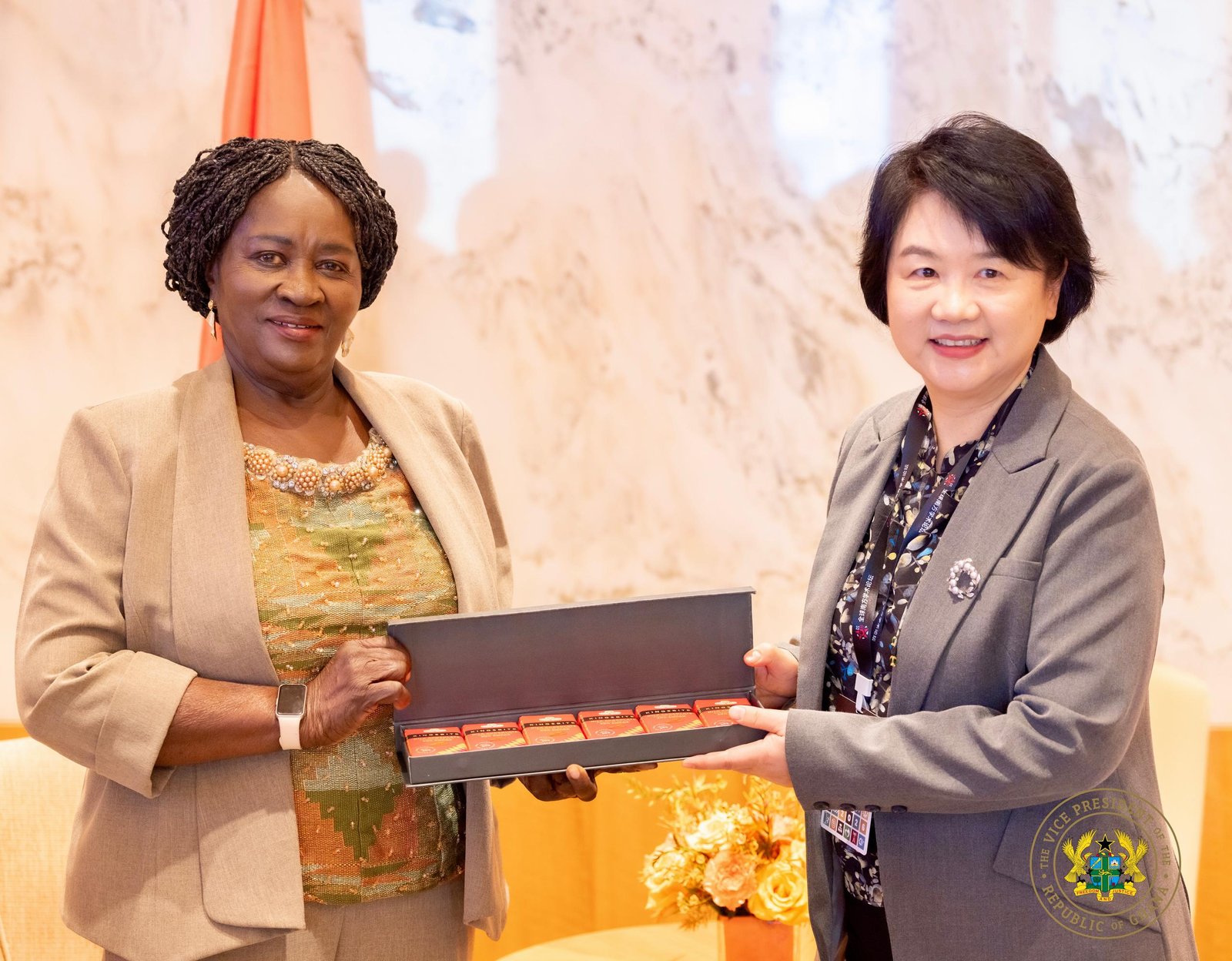
Vice President Professor Jane Naana Opoku-Agyemang has held high-level discussions with organisers of the 2026 Global South Academic Forum in Shanghai, seeking to draw lessons from China’s acclaimed rural revitalisation and poverty reduction drive.
The meeting, led by the Forum Chair, Professor Lu Xinyu, explored practical areas of cooperation and knowledge exchange between Ghana and China, with focus on community-driven development, fisheries and aquaculture, local governance, sports initiatives, and infrastructure development.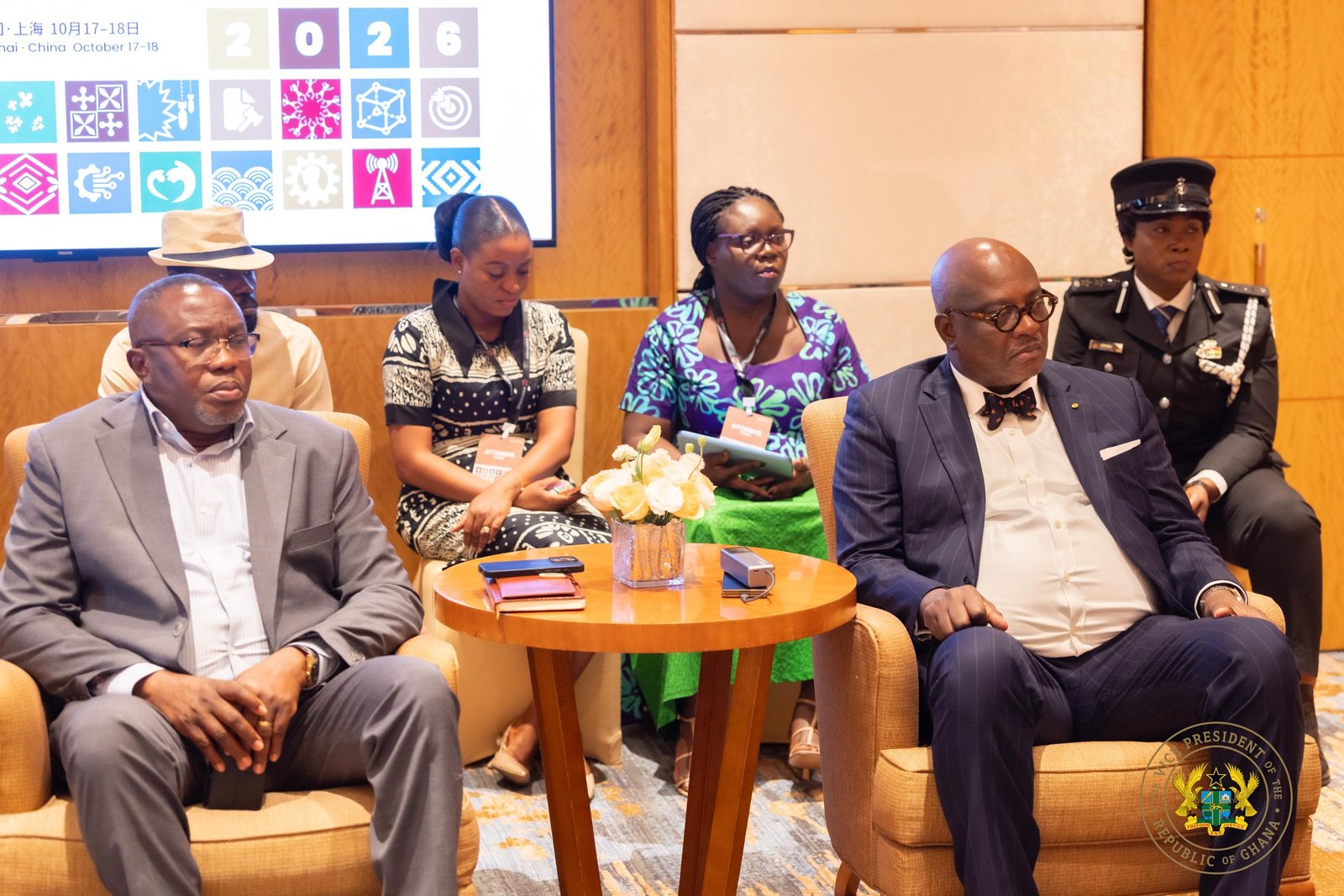
According to officials, the engagement is part of a broader effort by the Ghanaian government to study tested development models that can be adapted to the local context to promote inclusive growth, empower local communities, and improve livelihoods across the country.
China’s success in lifting over 800 million people out of poverty through targeted rural policies, investment in agriculture and local infrastructure has become a global reference point for developing nations.
The Vice President’s team says insights from the Forum will help inform policy direction, particularly in strengthening decentralised governance, boosting the fisheries and aquaculture sector, and investing in community-level infrastructure and youth sports development.

Professor Opoku-Agyemang is expected to continue engagements with academic and development institutions while in China.
By Edem Mensah-Tsotorme