News
Media sensitised to rabies prevention


Dr. Gbene (in smock) with the media practitioners
The United States Agency for International Development (USAID) with Breakthrough Action in collaboration with the Ghana Health Service has organised a one day workshop on Rabies prevention, response and control risk communication for media personnel within the Sekondi-Takoradi Metropolis.
The training was intended to throw more light on the rising cases of rabies, proper risk communication and how the media could help in the dissemination of the right information to the general public.
Addressing the media, the Veterinary Doctor in charge of the Western and Western North regions, Dr. Simon Gbene disclosed that children were more vulnerable to rabid dogs because they liked pets and would always like to play with these pets notwithstanding the disease these dogs were carrying.
He said rabies transmission was through scratches, the saliva or breathing orally in the case of entering a cave inhabited by many bats adding “bats carry rabies like dogs, cats, foxes and other animals.”
He said when someone got a bite from a rabid dog or cat it took four days to two years for the virus to come down depending on the volume and intensity of the virus and bite.
Dr. Gbene said a dog with rabies could bite and destroy about 100 birds within 10 days and the same applied to humans, too, because when the dog fully showed signs of rabies it would become so wild that any living thing that came its way would be bitten.
He said school children normally feared passing through areas where dogs were very common because of the barking or fear of being bitten.
He said the World declared zero rabies bites worldwide from 2018 to 2030 and Ghana had not been able to implement the campaign due to lack of stakeholder funding or sponsorship from foreign donors.
He said zoonotic diseases were diseases which were likely to attack both animals and humans, stressing that rabies was one of the zoonotic diseases, avian influenza also called bird flu, anthrax and sleeping sickness were all zoonotic diseases.
Dr. Gbene advised people even dog owners to desist from disturbing or trying to play with sleeping dogs, dogs taking their meals and those which had just littered because these classes of dogs were very aggressive and could bite their owners at the least provocation.
A representative of the USAID said the media had been earmarked as one of the major partners in the fight against the spread of rabies because they could collaborate with Ghana Health Service to disseminate information to the general public.
She said there was a very low awareness creation about rabies, low risk perception and low vaccination coverage for rabies.
From Peter Gbambila, Sekondi



The Ghana Health Service (GHS) will undertake a nationwide Human Papillomavirus (HPV) vaccination exercise in schools from October to December 2026 to protect eligible girls against cervical cancer and other HPV related diseases.
The exercise, organised in collaboration with the Ghana Education Service (GES) and its partners through the School Health Education Programme (SHEP), will be conducted in two rounds.
The first round is scheduled for October 19 to 23, 2026, while the second will take place from November 30 to December 4, 2026.
In a press release dated October 19, the GHS explained that health workers would visit schools across the country to vaccinate eligible girls aged 9 to 14 who have not yet received the HPV vaccine.
The exercise forms part of efforts to raise awareness about the routine HPV vaccine, increase vaccination uptake and strengthen the country’s routine immunisation programme.
The GHS has called on school authorities, parents, guardians, teachers and community leaders to cooperate with health teams to ensure the successful implementation of the exercise.
The Service reaffirmed its commitment to protecting the health and well-being of Ghanaians, particularly children, through vaccination and other public health interventions.
By: Jacob Aggrey
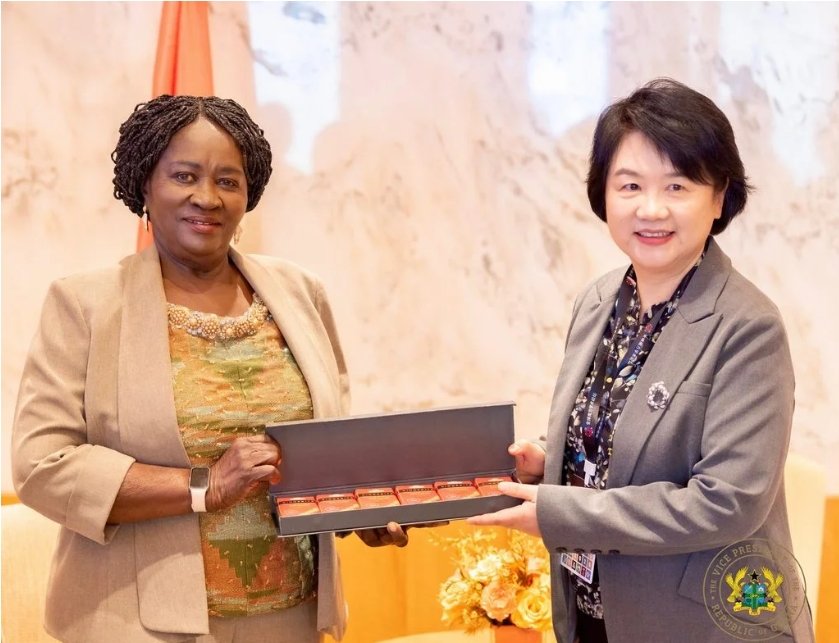
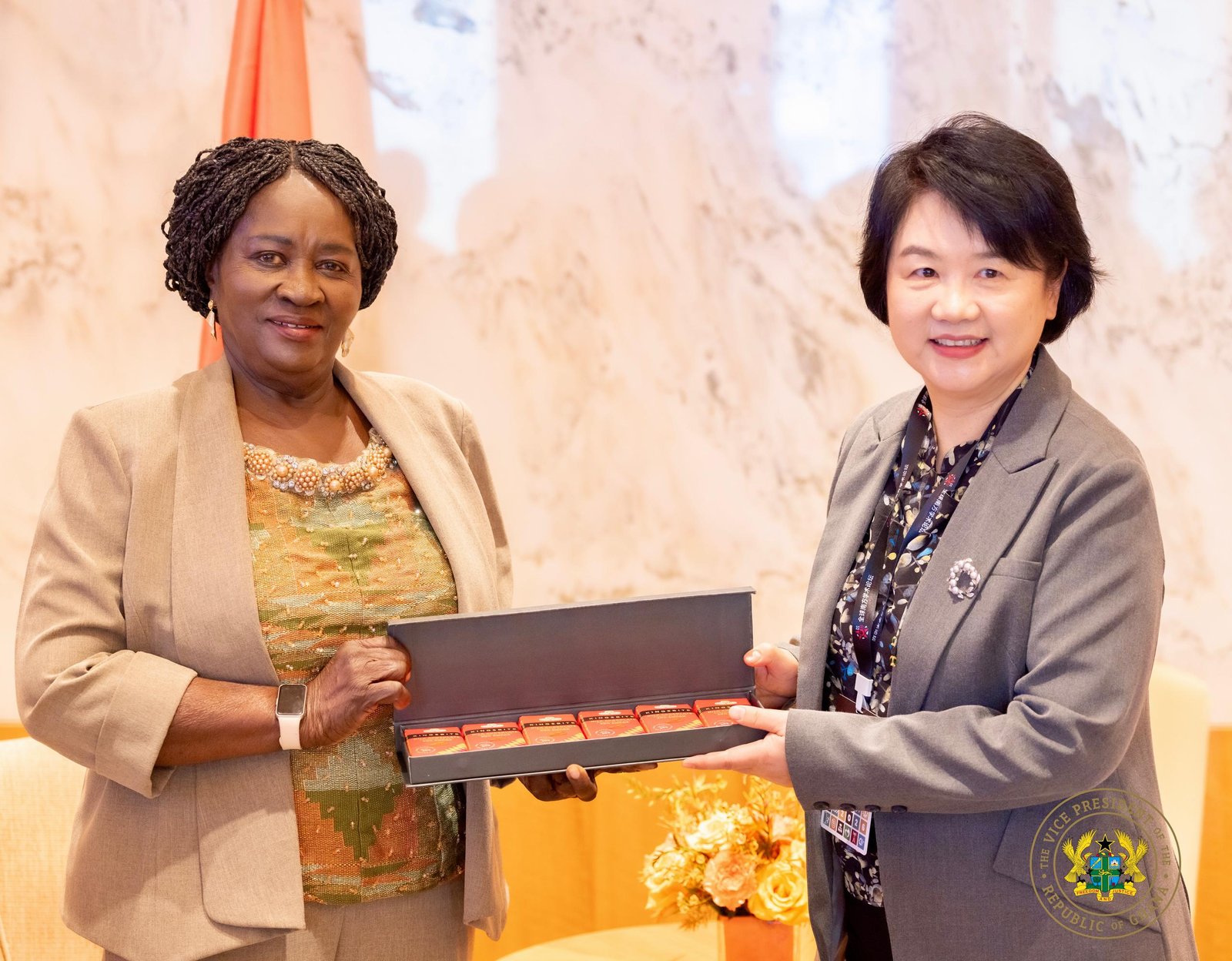
Vice President Professor Jane Naana Opoku-Agyemang has held high-level discussions with organisers of the 2026 Global South Academic Forum in Shanghai, seeking to draw lessons from China’s acclaimed rural revitalisation and poverty reduction drive.
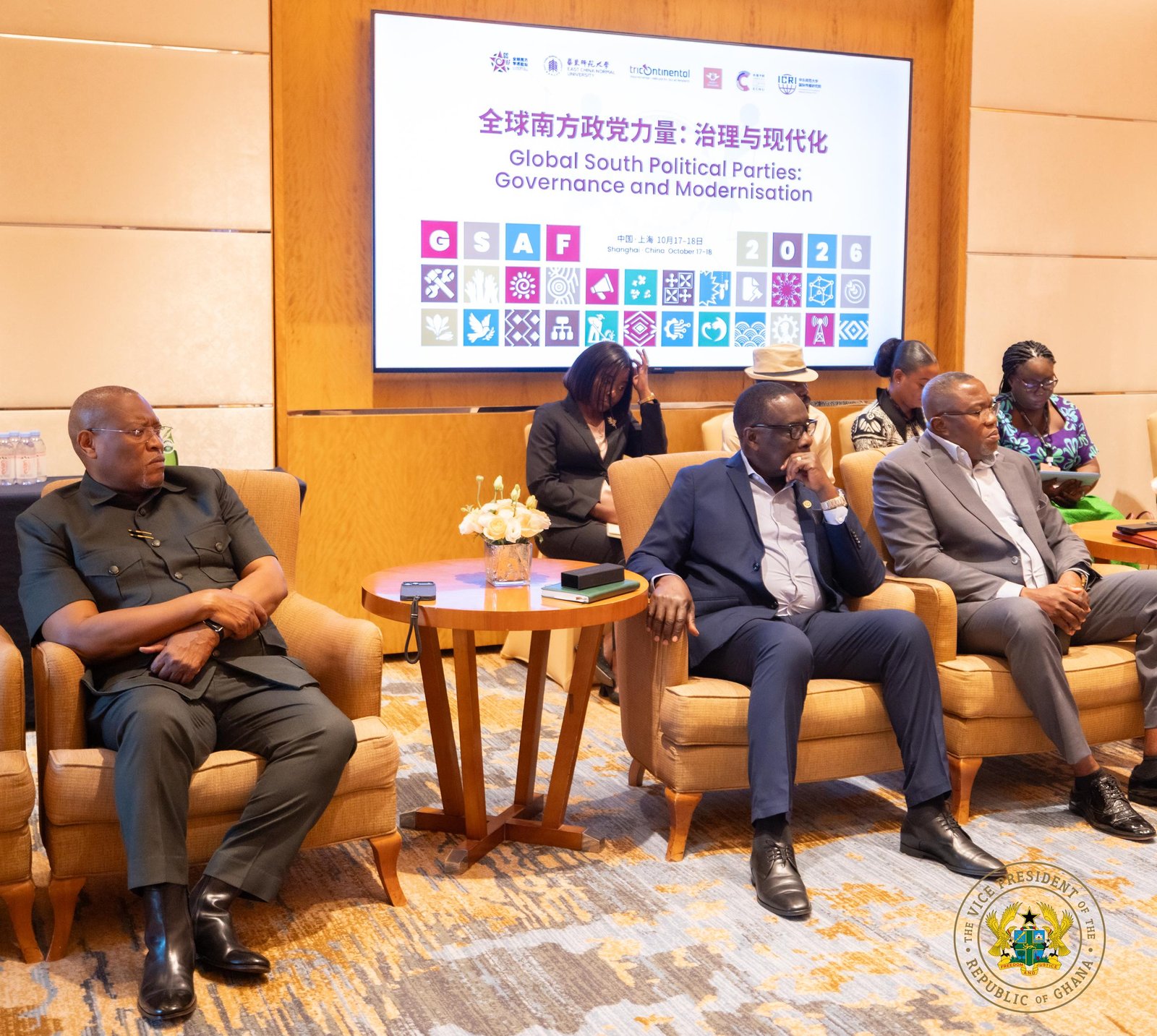
The meeting, led by the Forum Chair, Professor Lu Xinyu, explored practical areas of cooperation and knowledge exchange between Ghana and China, with focus on community-driven development, fisheries and aquaculture, local governance, sports initiatives, and infrastructure development.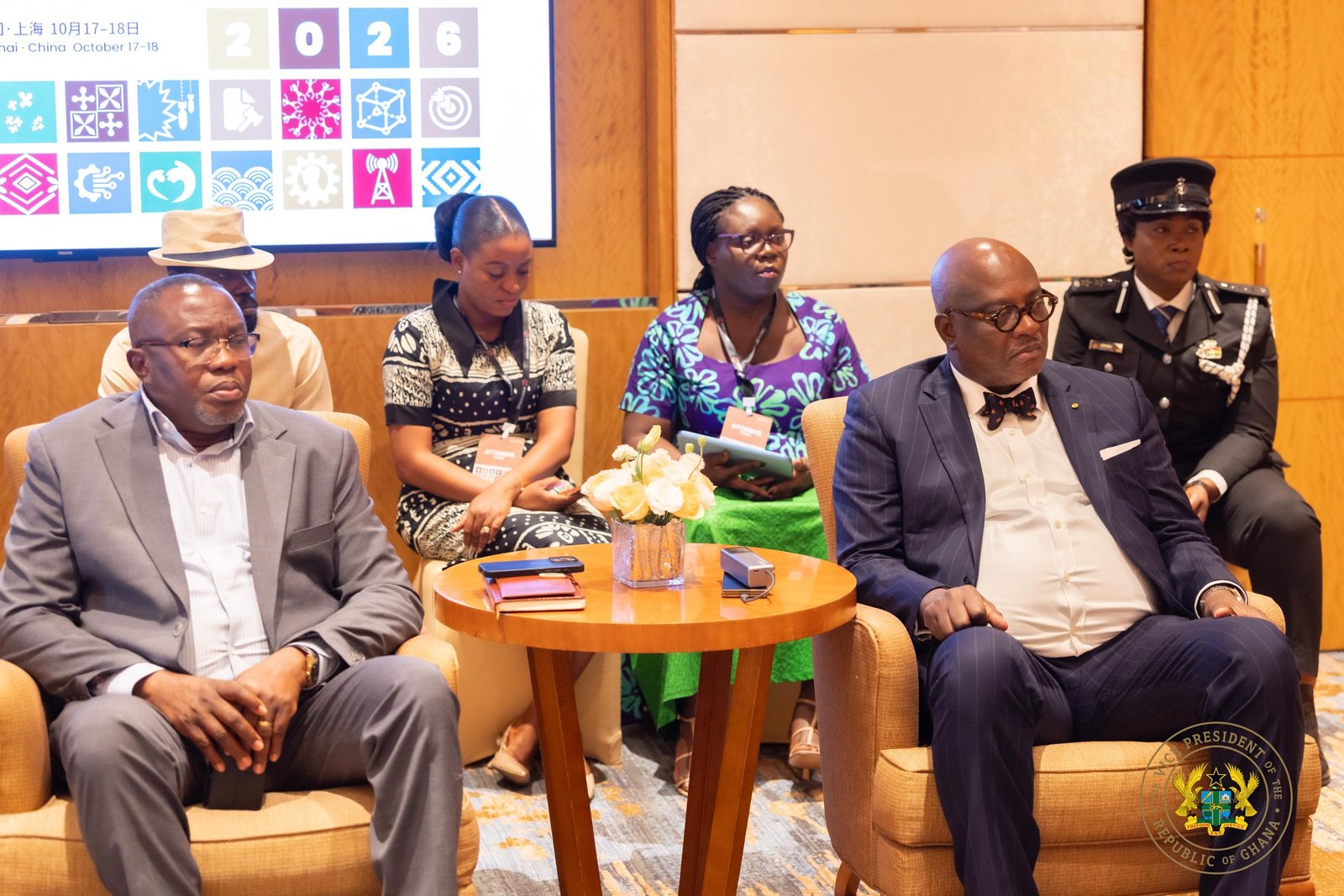
According to officials, the engagement is part of a broader effort by the Ghanaian government to study tested development models that can be adapted to the local context to promote inclusive growth, empower local communities, and improve livelihoods across the country.
China’s success in lifting over 800 million people out of poverty through targeted rural policies, investment in agriculture and local infrastructure has become a global reference point for developing nations.
The Vice President’s team says insights from the Forum will help inform policy direction, particularly in strengthening decentralised governance, boosting the fisheries and aquaculture sector, and investing in community-level infrastructure and youth sports development.

Professor Opoku-Agyemang is expected to continue engagements with academic and development institutions while in China.
By Edem Mensah-Tsotorme