Profile
Dr. Christopher Baasongti Beyere …A visionary leader who triumphs through adversity


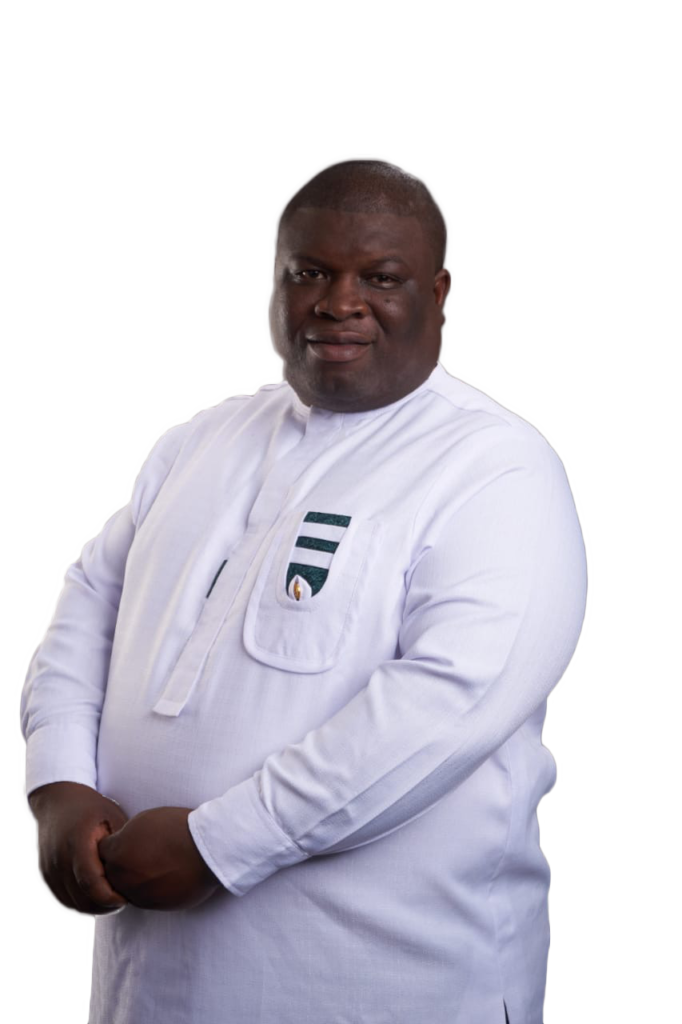
DR. Christopher Baasongti Beyere, the Member of Parliament-elect for Techiman South Constituency, is a trailblazing leader whose journey to political prominence is as inspiring as his contributions to health and education.
A man of resilience, intellect, and service, Dr. Beyere’s story exemplifies the triumph of determination and commitment over adversity.
A Multifaceted Leader with Transformative Achievements
Dr. Beyere’s professional and academic accomplishments are vast and impactful. He is a PhD holder in Global Health from Queen Margaret University, Edinburgh, where his research on motivation policies for Ghanaian health workers reshaped staff development strategies.
A man of interdisciplinary expertise, he also holds an MSc in International Health from Brandeis University, an MA in International Human Resource Management from Manchester Metropolitan University, and a BSc in Information Technology from Methodist University.
His academic journey culminated with an LLB from the University College of Science, Arts, and Education, the Gambia Law School, Banjul, making him a barrister and solicitor of the Supreme Court of The Gambia, called to the Bar in November 2024.
Dr. Beyere’s work in the health sector has transformed Ghana’s healthcare landscape.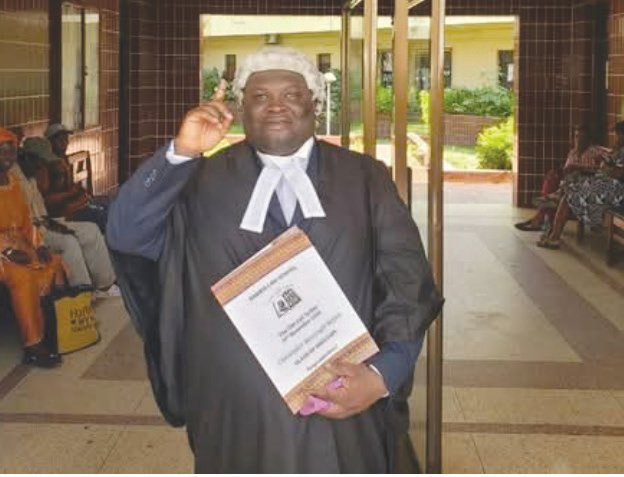
As Executive Secretary of the Health Training Institutions Secretariat, he spearheaded numerous initiatives, including upgrading post-basic programs to degree and master’s levels, introducing male midwifery training, and establishing the “Best Health Tutor Award” to motivate educators.
His efforts also led to the construction of a 75-bedroom guesthouse for principals of nursing training schools, showcasing his dedication to improving infrastructure and capacity for education.
In his role as Vice President of the University College of Science, Arts, and Education in Sunyani, Dr. Beyere has continued to champion educational innovation, ensuring that academic and non-academic functions align with the institution’s mission to nurture future leaders.
The Political Journey: Resilience and Triumph
Dr. Beyere’s political career has been marked by both challenges and victories. In the 2020 parliamentary election, his initial bid to represent Techiman South faced fierce resistance.
The election was fraught with controversy, culminating in a narrow defeat to Martin Kwaku Adjei-Mensah Korsah of the New Patriotic Party (NPP), who polled 49,682 votes against Dr. Beyere’s 49,205. The results were contested, leading to a protracted court case that added to the emotional toll of the loss.
However, Dr. Beyere’s resilience never wavered. With renewed vigor, he returned to the political arena in 2024, determined to serve his people. This time, he secured a decisive victory, polling 44,986 votes across 282 polling stations, surpassing his perennial opponent, Martin Kwaku Adjei-Mensah Korsah, who garnered 43,730 votes.
His triumph was a testament to his unwavering commitment to the people of Techiman South, who recognized his vision and trusted his leadership.
A Leader of Compassion and Vision
Dr. Beyere’s political success is rooted in his ability to connect with people from all walks of life. During his time at the Gambia Law School in Banjul, he was beloved by his colleagues for his humility and sense of camaraderie. These qualities have endeared him to his constituents, who see in him a leader committed to their welfare.
Beyond his political and professional achievements, Dr. Beyere has consistently demonstrated a passion for empowering others. His initiatives in education and healthcare, coupled with his international collaborations, underscore his dedication to creating opportunities and driving sustainable development.
A Future of Hope and Progress
As he takes his place in Parliament, Dr. Beyere is poised to bring transformative leadership to Techiman South. His vision for the constituency includes advancing healthcare, education, and infrastructural development while fostering a sense of unity and purpose among his people.
Dr. Christopher Baasongti Beyere’s journey—from overcoming electoral challenges to becoming a symbol of hope and progress—is a shining example of what perseverance and dedication can achieve. With his wealth of experience, both locally and internationally, he stands ready to champion the aspirations of his constituents and contribute to Ghana’s growth.


IN the annals of Ghana’s sporting history, certain individuals stand out not merely for participating in sport, but for transforming it.
Rev. Emmanuel D. Niikoi is one such figures. Revered as the father of modern netball in Ghana, is widely credited with rescuing the game from near extinction and transforming it into a vibrant, structured and nationally recognised sports discipline.
His journey reflects vision, resilience and an unwavering commitment to youth and sports development.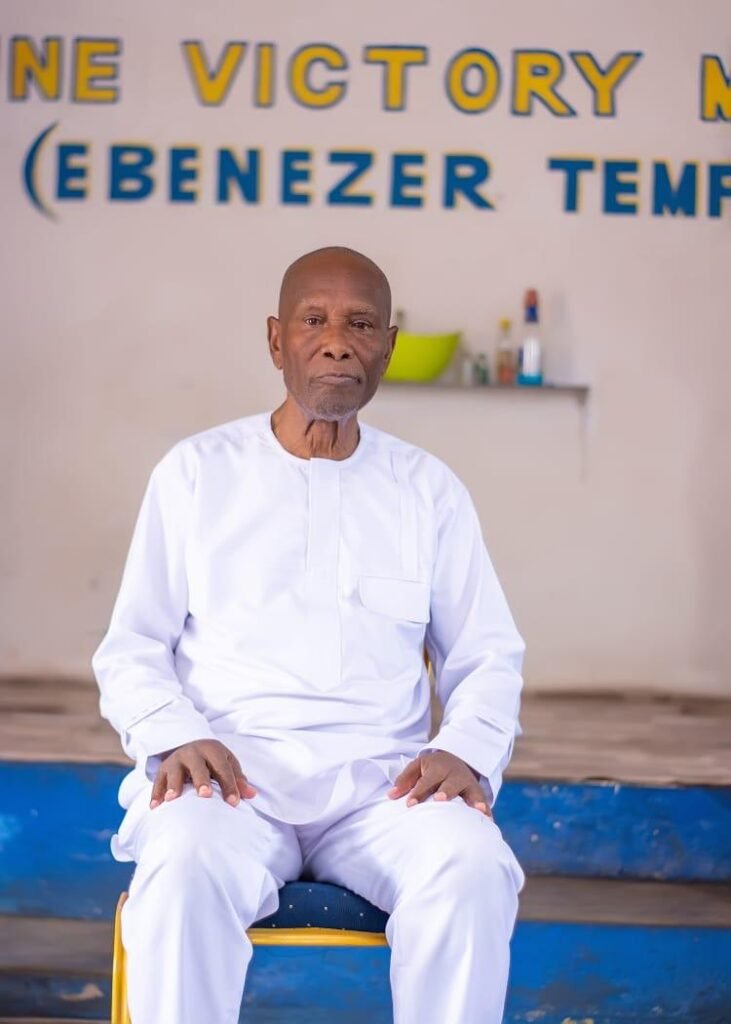
Netball was introduced to the then Gold Coast by Christian missionaries alongside formal education. By the 1960s and early 1970s, the sport had gained remarkable popularity in schools and colleges, ranking second only to football and, in some institutions, rivaling it in appeal.
However, during the 1974/75 academic year, the Ghana Education Service (GES) took a policy decision to step down netball in favour of basketball development. The decision dealt a severe blow to the sport.
Between 1975 and 1985, competitive netball virtually disappeared from Ghana’s sporting calendar.
That decision of the GES can be blamed for the current state of the sports that is producing heroines across the globe.
The revival of the game can be traced to 1985 during the Golden Jubilee celebration of the Ghana Broadcasting Corporation (GBC).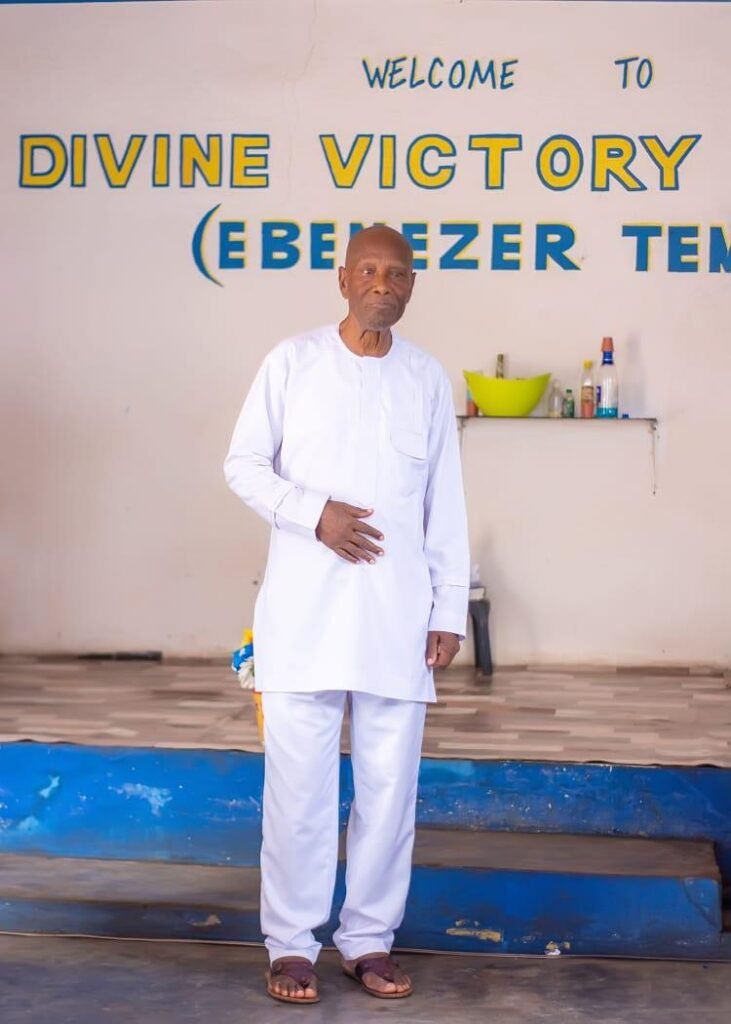
At the time, Rev. Niikoi was serving as Chief Editor (News) in the Radio Newsroom. Understanding both the historical importance and untapped potential of netball, he championed the inclusion of a netball tournament as part of the anniversary celebrations. The event reignited public interest and reminded many of the sport’s former glory.
Crucially, Rev. Niikoi did not allow the momentum to fade after the festivities. The GBC netball team formed for the tournament, aptly named “Golden Hands,” became the cornerstone of a national revival campaign.
With determination and personal sacrifice, he led tours across the country, using the team as a practical training platform.
He personally taught sports teachers under the GES the official rules of netball, reintroduced structured competition, and restored confidence in the sport’s viability.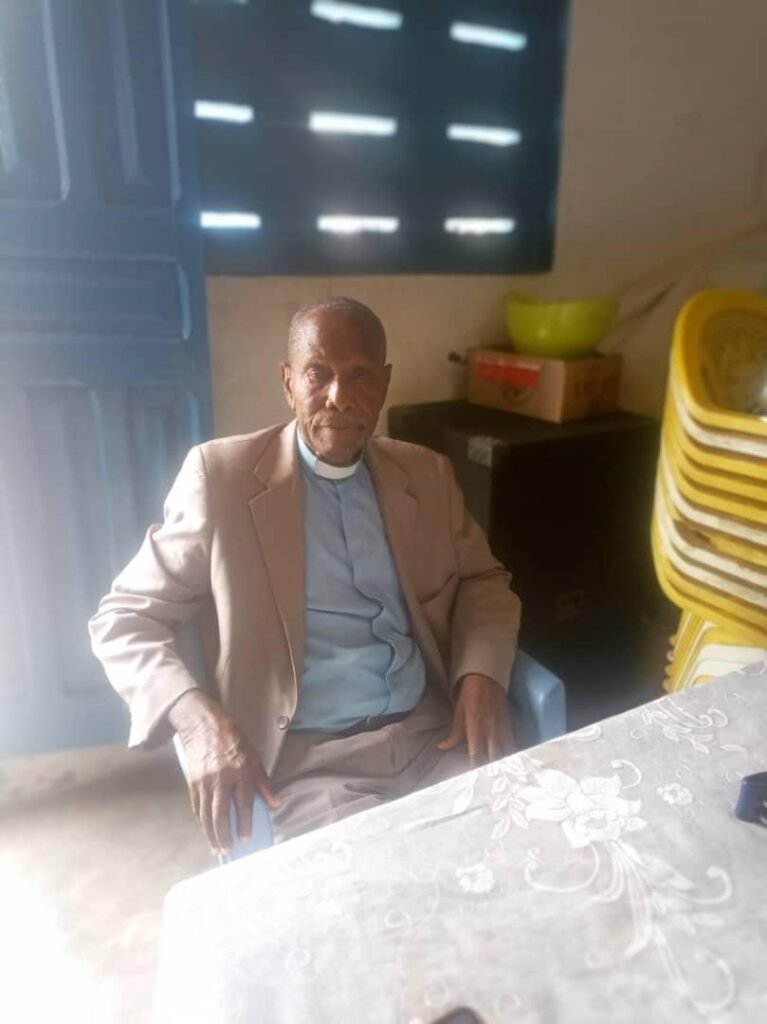
These efforts culminated with the formation of the Netball Association of Ghana in 1988, now known as the Netball Federation of Ghana.
In 1990, the association gained formal recognition from the National Sports Authorities, previously known as the National Sports Council (NSC), restoring netball’s status as an official sporting discipline.
This milestone marked the rebirth of organised netball in Ghana and cemented Rev. Niikoi’s place as founder of the national governing body.
Revival soon transitioned into consolidation. Over the years, Rev. Niikoi consistently lobbied educational and sports authorities to reintegrate netball into major school competitions.
His advocacy led to the sport’s reintroduction into the National Basic Schools Sports Festival, the Senior High and Technical Schools Sports Festival, the Colleges of Education games, and competitions under the Ghana University Sports Association (GUSA).
Today, netball is played across the entire educational structure in Ghana, from basic schools to public universities, a testament to his sustained and strategic efforts.
On the continental and global front, Ghana is a full member of World Netball and was a founding member of the Confederation of Africa Netball Associations (CANA), now Africa Netball.
In 2004, Ghana hosted the inaugural Africa Netball Cup of Nations in Accra and emerged champions after defeating Namibia in the final. The victory not only boosted Ghana’s sporting image but also validated years of groundwork.
In 2007, Rev. Niikoi was elected Director of Marketing and Media for CANA, serving a four-year term and contributing to the sport’s development across the continent.
In 2019, following governance reforms required by the International Olympic Committee to lift sanctions related to state interference in sports administration, national federations were mandated to adopt independent constitutions. Under this new framework, the Netball Federation of Ghana successfully drafted its constitution and conducted elections.
On June 19, 2019, Rev. Niikoi was elected the federation’s first President under the independent constitutional order which is symbolic and deserved recognition of decades of service.
Beyond netball administration, Rev. Niikoi also served two terms spanning eight years from March 2018 to March 2025 as an Executive Board Member of the Ghana Olympic Committee.
His presence on the board ensured that netball maintained visibility within Ghana’s broader Olympic movement.
A Bachelor of Arts graduate in Combined Honours (History and Law), Rev. Emmanuel D. Niikoi has trained numerous coaches and umpires nationwide, strengthening the sport’s technical foundation and ensuring sustainability.
His leadership style combines administrative discipline with grassroots engagement, making him both a strategist and a mentor.
From dormancy to dynamism, the resurgence of netball in Ghana bears his unmistakable imprint. Through advocacy, institution-building and capacity development, Rev. Niikoi has secured a lasting legacy.
Today, every netball match played in Ghana, whether at a basic school court or a university festival stands as living testimony to his vision and perseverance.
By Esinam Jemima Kuatsinu
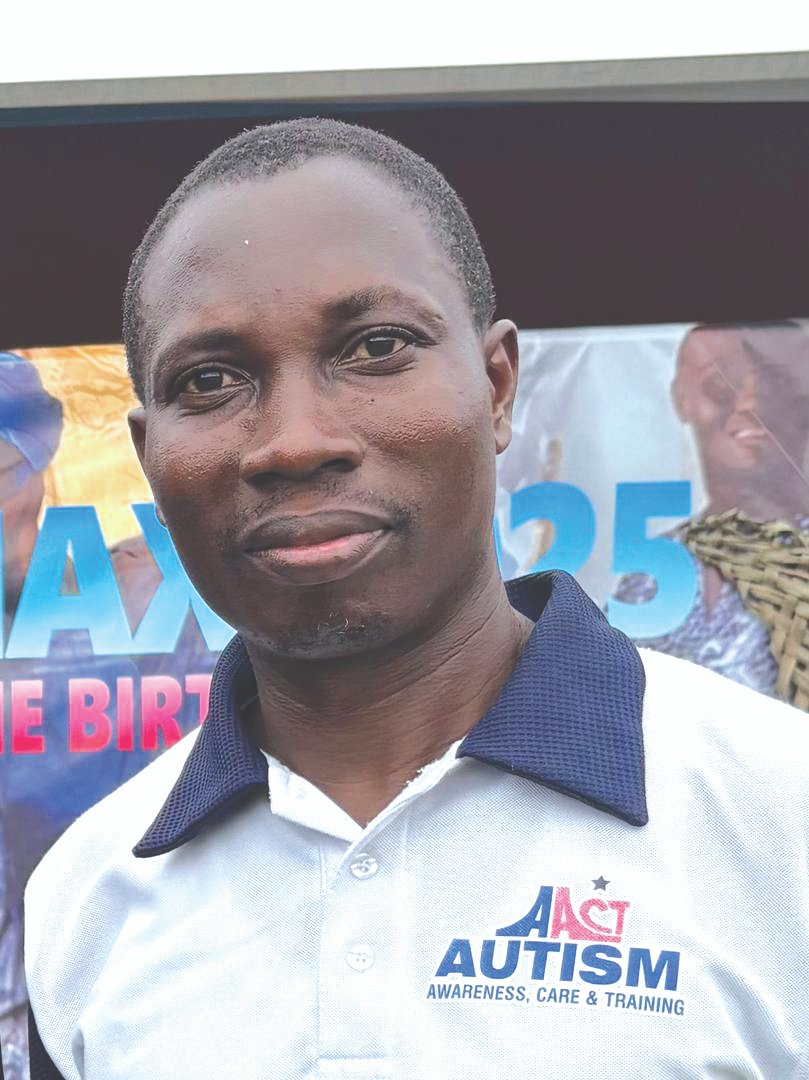
AUTISM Awareness Care and Training (AACT) is Ghana’s first autism-focused centre, playing a pioneering role in the care, education, and advocacy for children on the autism spectrum and their families.
Established in 1998, AACT began as a parent-support and training initiative at a time when autism was poorly understood in Ghana. Many families raising autistic children faced stigma, isolation, and limited access to information or professional assistance.
Over the years, the organisation has evolved into a full-fledged autism care and training centre, responding to the growing demand for specialised services and sustained nationwide awareness.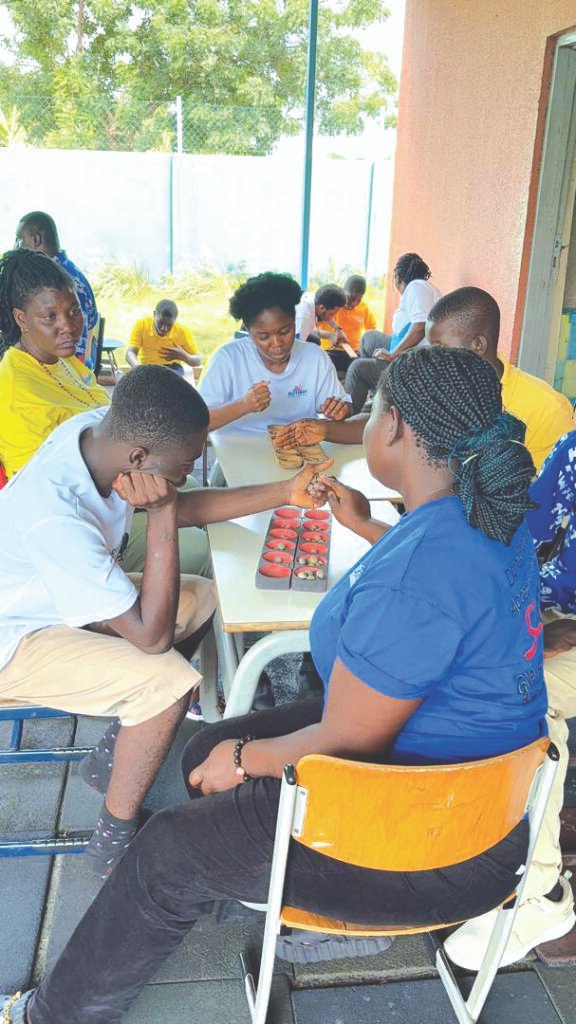
AACT is currently located in Haatso, Accra, where it operates a structured day programme serving about 25 learners daily. The centre provides a safe, inclusive, and supportive environment where children with autism are guided to develop essential life, social, and functional skills.
Programmes at the centre focus on independent living skills, vocational and pre-vocational training, functional academic skills, and therapeutic interventions. These activities are tailored to the individual needs of each learner, recognising that children on the autism spectrum learn and develop at different paces.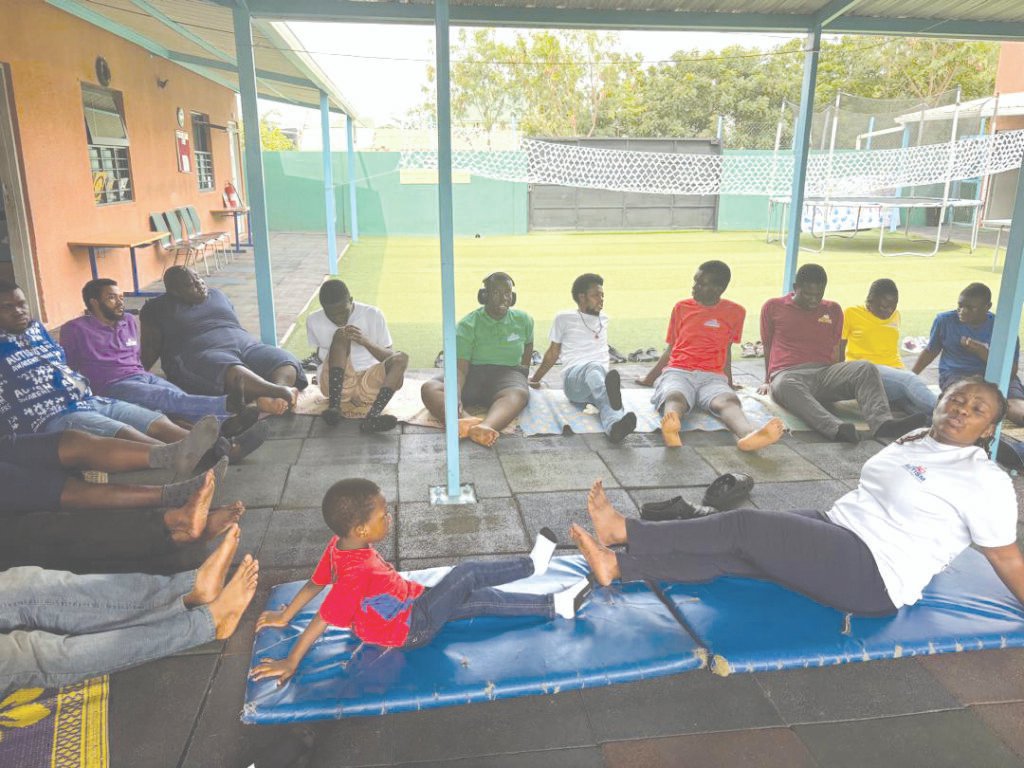
According to Abeiku Grant, Head of Programmes at AACT, the centre’s philosophy is centred on ability rather than limitation.
“Every autistic child is different,” he said. “Our work is to support them at their own pace and help them discover what they can do, not to focus on what they cannot do.”
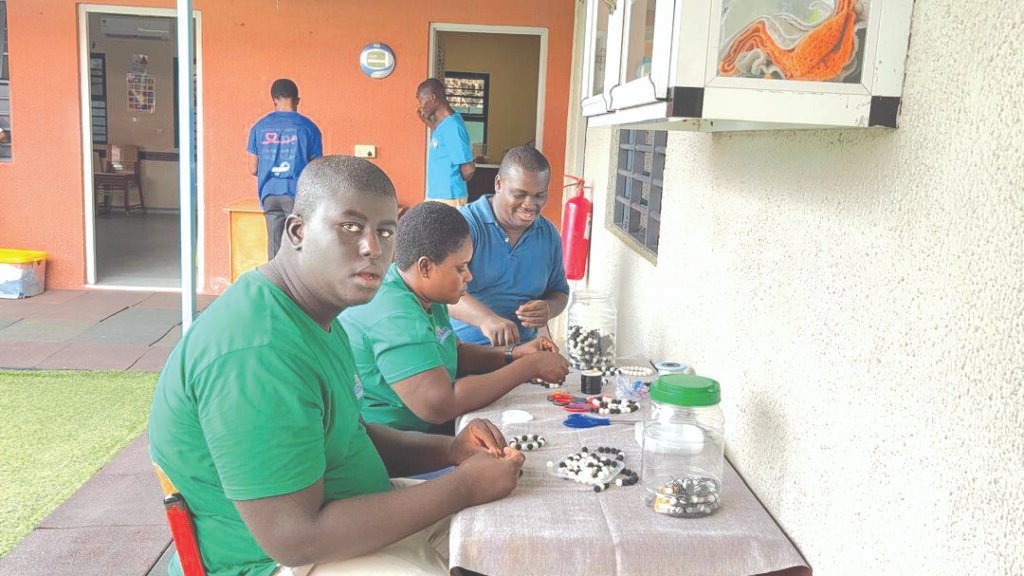
Beyond centre-based services, AACT places strong emphasis on autism awareness and advocacy, particularly within schools and communities. Many children with autism in Ghana continue to face rejection and exclusion due to stigma, misinformation, and the lack of trained personnel in educational institutions.
In 2025, AACT reached over 20 schools across the country, providing autism education to teachers, students, and school administrators.
The organisation also runs free teacher training programmes, equipping educators with practical knowledge and basic tools to support autistic learners in inclusive classroom settings.
“Many schools tell us they are not resourced or trained to handle autistic learners,” Mr Grant explained. “Instead of waiting for change, we decided to go to them and train teachers for free.”
AACT also engages learners directly, addressing widespread misconceptions about autism, including the false belief that autism is contagious or caused by bad parenting. These outreach programmes aim to build empathy among students and promote peer support for autistic learners in mainstream schools.
Another major challenge confronting families is limited access to autism services, especially outside Accra. With most autism centres concentrated in the capital, many families from other regions are forced to travel long distances or keep their children at home due to cost, stigma, or lack of support.
“Education is not meant only for typical children,” Mr Grant stressed. “Children with autism also have the right to education and care. No child should be hidden because of lack of understanding or opportunity.”
As part of its outreach work, AACT supports parents to overcome stigma and encourages social interaction for children with autism, believing that community engagement is essential for development and confidence building.
In December 2025, the centre received what it described as its largest donation of the year, raised by children from the Unmasked Mentoring initiative. According to the organisation, the donation was particularly significant as it demonstrated empathy and social responsibility among young people.
As a non-governmental, non-profit organisation, AACT depends largely on donations, partnerships, and goodwill to sustain and expand its work. Current needs include a minibus for community-based social activities, expansion of its facility to accommodate more learners, sponsorship support for children from financially challenged families, and funding to scale autism awareness programmes nationwide.
Looking ahead, AACT envisions a Ghanaian society that is inclusive, informed, and supportive of persons with autism.
“Our goal is a Ghana where children with autism are accepted and supported,” Mr Grant said. “Every child has potential. All they need is understanding, opportunity, and care.”
By Esinam Jemima Kuatsinu
Join our WhatsApp Channel now!
https://whatsapp.com/channel/0029VbBElzjInlqHhl1aTU27